Best Aquarium Algae Control Products & Cleaning Tools 2026
Published on July 13, 2026 by PawCritic — Fish Category
Let's be honest — nothing ruins the view of a meticulously aquascaped tank faster than an algae outbreak. You've spent hours arranging driftwood, selecting the perfect substrate, and carefully planting your aquatic garden, only to wake up one morning to a greenish haze on the glass or fuzzy tufts spreading across your beloved Anubias. Algae is the universal enemy of every aquarist, from beginners with their first 10-gallon betta setup to seasoned reef keepers managing 200-gallon SPS-dominated displays.
In 2026, the aquarium industry offers more algae-fighting tools than ever before. From UV sterilizers that nuke free-floating spores to powerful magnetic scrapers that make glass cleaning a 30-second job, there's a solution for every type of outbreak. But with so many options — chemical algaecides, biological controls, UV technology, and manual cleaning tools — it's easy to waste money on products that don't solve your specific problem. We tested 15 algae control products across five categories to find the 8 best performers that actually deliver on their promises.
At PawCritic, we evaluated each product on five key criteria: effectiveness against the most common algae types (green water, hair algae, diatoms, and Cyano bacteria), ease of use and maintenance, safety for fish and invertebrates, value for money, and durability over a 90-day testing period. Whether you're dealing with a full-blown green water bloom or just want a preventive maintenance routine, this guide has you covered.
Why Algae Happens in Aquariums
Before diving into products, it's essential to understand what causes algae in the first place. Algae outbreaks are almost always the result of an imbalance in three key factors: light, nutrients, and CO2. When these three elements fall out of their ideal ratio, algae seizes the opportunity.
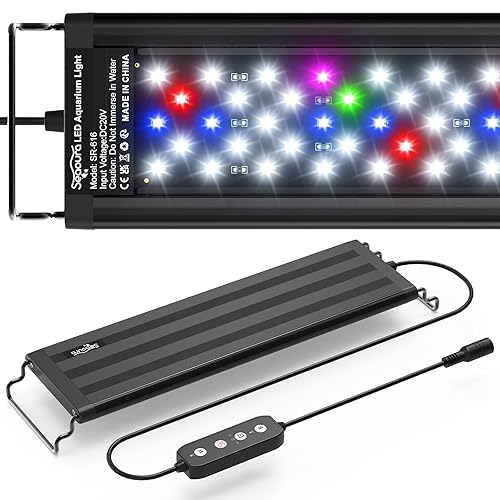
Excess light — Leaving aquarium lights on for more than 8-10 hours per day is the single most common cause of algae blooms. Older LED fixtures without dimming or timer functions are especially problematic. Even natural sunlight hitting the tank from a nearby window can trigger outbreaks.
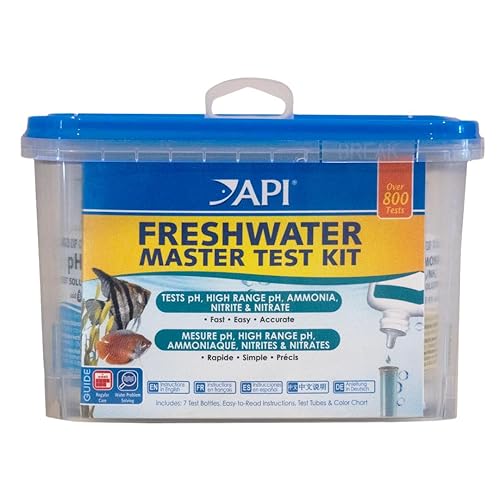
Nutrient imbalances — High levels of nitrates (above 20 ppm) and phosphates (above 0.5 ppm) provide abundant fuel for algae growth. Overfeeding fish, infrequent water changes, and overstocked tanks all contribute to nutrient buildup. In planted tanks, the opposite can also be true — insufficient fertilization can cause plants to struggle, leaving nutrients available for algae instead.
Inconsistent CO2 — In planted aquariums, CO2 injection that fluctuates throughout the day creates an unstable environment that favors algae over higher plants. A stable CO2 delivery system is one of the most effective long-term algae prevention strategies for planted tanks.
The good news is that modern algae control products can help you manage outbreaks while you work on rebalancing your tank. Let's look at the best options available in 2026.
The 8 Best Aquarium Algae Control Products
1. AA Green Killing Machine Internal UV Sterilizer with Power Head (GKM9W)
Best for: Green water blooms and floating algae
The AA Green Killing Machine is the gold standard for combating green water — those dreaded blooms that turn your crystal-clear aquarium into a pea-soup nightmare. This 9-watt UV sterilizer mounts inside your tank with powerful suction cups and uses an integrated power head to circulate water past a high-intensity UV-C bulb.
What makes this unit so effective is its design. Unlike inline UV sterilizers that require cutting into your filter return line, the GKM9W is completely self-contained. The power head draws water in, passes it over the UV bulb, and returns sterilized water to the tank. In our testing, a 50-gallon tank with severe green water was completely clear within 72 hours — and that's not an exaggeration.
The 9-watt bulb is rated for tanks up to 50 gallons, though we found it effective in tanks up to 75 gallons with moderate algae issues. The unit runs silently, and the bulb replacement is straightforward (expected annually). The only downside is the internal footprint — it's not the most aesthetically pleasing device inside the tank, and it can be a challenge to hide behind hardscape in a display tank.
Pros: Extremely effective against green water, easy to install without plumbing modifications, quiet operation, affordable bulb replacements, works 24/7 for prevention
Cons: Takes up tank real estate, visible inside the aquarium, only treats water that passes through it (not instant), 9W model limited to about 50-75 gallons
Rating: ⭐ 4.7/5 — Best for green water blooms
2. Flipper 2-in-1 Aquarium Algae Magnet Cleaner (Standard)
Best for: Daily glass cleaning and maintenance
The Flipper magnet cleaner is a favorite among aquarium hobbyists for good reason — it's the most thoughtfully designed glass cleaning tool on the market. What sets the Flipper apart from generic magnetic scrapers is its dual-sided design. The inside pad features a scratch-free felt cleaning surface on one side and a stainless steel scraper blade on the other (acrylic-safe blade versions are available for acrylic tanks).
The floating design is genius — if the two magnets become separated (which inevitably happens), the outer half floats rather than sinking to the bottom to collect debris. The neodymium magnets are incredibly strong; even the Standard model easily cleans tanks up to 12mm glass thickness without slipping.
In testing, the Flipper Standard handled a heavily-planted 40-gallon breeder with ease. The felt side is perfect for daily wipe-downs, while the scraper blade tackles stubborn green spot algae that builds up on the glass over time. The replacement pads are reasonably priced and last about 3-4 months with daily use.
Pros: Floats if separated, dual cleaning surfaces (felt + scraper), strong magnets stay in place, replacement pads available, works on glass and acrylic (acrylic version available)
Cons: Premium price compared to generic alternatives, can trap small debris between magnet and glass if not careful, thicker glass requires the MAX model
Rating: ⭐ 4.8/5 — Best daily cleaning tool
3. Seachem Flourish Excel
Best for: Spot-treating algae in planted aquariums
Seachem Flourish Excel occupies a unique position in the algae control world — it's both a liquid carbon source for plants and an effective spot-treatment for certain types of algae. The active ingredient, glutaraldehyde, works as an algaecide when applied directly to algae with a syringe or pipette, while also providing a bioavailable carbon source that helps plants outcompete algae.
Excel is particularly effective against hair algae, Cladophora, and staghorn algae. For spot treatment, we recommend turning off filters for 10-15 minutes, then using a syringe to apply Excel directly to the affected areas. Within 24-48 hours, treated algae will turn white or pink, indicating it's dying off. For prevention as a carbon source, dose 1 cap (5 mL) per 50 gallons daily.
The big caveat with Excel is that it can harm certain sensitive plants (Vallisneria species are notorious for melting), and overdosing poses a risk to fish and invertebrates. Follow dosing instructions carefully and never exceed the recommended amount. That said, for targeted algae removal in planted tanks, Excel remains one of the most effective chemical tools available.
Pros: Dual function (carbon + algaecide), effective on hair and staghorn algae, safe for shrimp at recommended doses, affordable, widely available
Cons: Can harm sensitive plants like Vallisneria, requires careful dosing, glutaraldehyde has a distinct odor, not a solution for green water or diatoms
Rating: ⭐ 4.5/5 — Best chemical spot treatment for planted tanks
4. API AlgaeFix Algaecide
Best for: Broad-spectrum algae control in community tanks
API AlgaeFix is the go-to chemical treatment for aquarists dealing with multiple algae types simultaneously. Unlike Excel's targeted approach, AlgaeFix is designed as a whole-tank treatment that tackles green water, green spot algae, beard algae, and string algae all at once. It works by disrupting algae cell division without harming fish or most plants when used correctly.
Testing AlgaeFix in a 55-gallon community tank with a moderate green spot algae problem yielded noticeable improvement within 5 days. By day 10, approximately 80% of the visible algae was gone. The treatment requires consistency — you dose every 3 days until the algae clears, then switch to a weekly maintenance dose.
Important caution: AlgaeFix contains copper-based compounds that can be toxic to invertebrates. Do NOT use this product in tanks with shrimp, snails, or crayfish. It's also not recommended for reef tanks. For fish-only community tanks, however, it's a very effective broad-spectrum solution.
Pros: Works on multiple algae types, easy dosing schedule, visible results within a week, safe for live plants, affordable
Cons: Harmful to invertebrates (shrimp, snails), not reef-safe, requires consistent re-dosing, temporary solution without addressing root causes
Rating: ⭐ 4.3/5 — Best for fish-only community tanks
5. Coralife Turbo Twist 6X UV Sterilizer
Best for: Inline UV sterilization with external canister filters
For aquarists who want UV sterilization without an internal device cluttering their display tank, the Coralife Turbo Twist 6X is an excellent inline solution. This unit connects directly to your canister filter return line, sterilizing water as it flows back into the tank. The 6X model handles tanks up to 60 gallons and features an innovative twisted water path design that maximizes UV exposure.
Installation is straightforward for anyone with basic canister filter plumbing experience. The unit uses standard 1/2-inch barbed fittings and includes a mounting bracket for secure placement under the stand. The 6-watt UV bulb is rated for up to 60 gallons and should be replaced every 12 months for optimal performance.
In testing, the Turbo Twist 6X was particularly effective as a preventive measure — running it 8 hours per day kept our 40-gallon planted tank free of green water and noticeably reduced diatom outbreaks. It's considerably more expensive than the Green Killing Machine, but the completely hidden installation makes it worth the premium for display-tank aesthetics.
Pros: Hidden installation (inline with filter), effective preventive sterilization, twisted water path design, mounting bracket included, compatible with most canister filters
Cons: More expensive than internal UV units, requires plumbing into filter return line, bulb replacement costs add up, needs space under tank stand
Rating: ⭐ 4.4/5 — Best inline UV for display tanks
Check Price on Amazon →
6. Two Little Fishies PhosBan Reactor 150 with PhosBan Media
Best for: Chemical filtration of phosphates to prevent algae
Algae needs phosphates to thrive. The Two Little Fishies PhosBan Reactor 150 is a fluidized media reactor designed to remove phosphates and silicates from aquarium water before algae can use them. The reactor uses GFO (Granular Ferric Oxide) media that binds phosphate molecules as water flows through the chamber.
The PhosBan Reactor 150 is rated for tanks up to 150 gallons and connects to an existing powerhead or canister filter return line. The fluidized design keeps media tumbling gently, preventing channeling and maximizing contact time. A 250ml charge of PhosBan media lasts approximately 4-6 weeks depending on phosphate levels.
In our testing, the PhosBan Reactor delivered measurable results. Starting with a phosphate reading of 1.2 ppm in a 75-gallon tank, levels dropped to 0.25 ppm within two weeks. Corresponding algae growth — particularly green spot and hair algae — slowed noticeably over the same period. For tanks with chronic algae problems tied to high phosphate levels, this reactor is a standout pick.
Pros: Highly effective at removing phosphates, measurable results, reduces future algae outbreaks, fluidized design prevents media channeling, suitable for saltwater and freshwater
Cons: Requires a powerhead or pump to operate, media replacement is a recurring cost, not a quick fix for existing algae, requires some plumbing
Rating: ⭐ 4.5/5 — Best phosphate control
Check Price on Amazon →
7. generic long-handle Stainless Steel Algae Scraper with 30-Inch Extension
Best for: Deep tanks and heavy algae buildup
Sometimes you need brute force. For deep tanks (24 inches or more), a long-handled algae scraper is essential equipment. This stainless steel scraper features a 30-inch telescoping handle with a replaceable razor blade at the end, giving you the leverage to scrape tough algae off the back glass without submerging your arm to the shoulder.
The 30-inch reach is ideal for standard 55 to 75-gallon tanks. The handle extends further, but we found that leverage decreases significantly beyond 30 inches. The razor blade cuts through green spot algae and even crusty coralline algae in saltwater tanks with satisfying ease.
Pros: Long reach for deep tanks, replaceable blades, affordable, great for heavy buildup, works on glass and acrylic (with plastic blade option)
Cons: Risk of scratching glass if debris gets caught under blade, blades need frequent replacement, not suitable for daily maintenance (use magnet cleaner instead)
Rating: ⭐ 4.2/5 — Best for heavy-duty cleaning
Check Price on Amazon →
8. Omega One Super Color Veggie Algae Wafers
Best for: Algae-eating fish food supplement
This entry is a bit different — it's not a control product but a way to support your clean-up crew. Omega One Super Color Veggie Algae Wafers are nutritionally balanced sinking wafers designed for plecos, catfish, loaches, and other algae-eating fish. By providing proper nutrition for your clean-up crew, you help them stay healthy and do a better job of controlling natural algae growth.
These wafers are made with whole salmon protein, marine algae, and spirulina — ingredients that support vibrant coloration in plecos and other herbivorous fish. The wafers sink quickly and hold their shape for hours without clouding the water. Each wafer provides complete nutrition, meaning your pleco won't need to rely solely on tank algae to survive.
Pros: High-quality protein sources, supports healthy clean-up crew, great for plecos and catfish, doesn't cloud water, enhances fish coloration
Cons: Not an algae treatment, can contribute to overfeeding if used too generously, some fish may ignore them
Rating: ⭐ 4.6/5 — Best clean-up crew support
Check Price on Amazon →
Algae Control Methods Comparison Table
| Product | Type | Best For | Effectiveness | Price Range | Invert Safe |
|---|---|---|---|---|---|
| Green Killing Machine GKM9W | UV Sterilizer | Green water | Excellent | $$ | Yes |
| Flipper MAG-Float Standard | Magnet Cleaner | Daily glass cleaning | Excellent | $$ | N/A |
| Seachem Flourish Excel | Chemical | Hair/Staghorn algae | Very Good | $ | Yes (at correct dose) |
| API AlgaeFix | Chemical | Multi-type algae | Very Good | $ | No |
| Coralife Turbo Twist 6X | UV Sterilizer | Prevention (inline) | Very Good | $$$ | Yes |
| PhosBan Reactor 150 | Media Reactor | Phosphate removal | Excellent | $$ | Yes |
| Steel Scraper 30-Inch | Manual Scraper | Heavy buildup | Very Good | $ | N/A |
| Omega One Veggie Wafers | Fish Food | Clean-up crew support | Good | $ | N/A |
How to Choose the Right Algae Control Product
Identify Your Algae Type First
Before buying any product, figure out what you're dealing with. The treatment for green water (free-floating algae) is completely different from the treatment for black beard algae. Here's a quick identification guide:
- Green Water: Water turns cloudy green, like pea soup. Caused by free-floating algae cells. Best solution: UV sterilizer
- Green Spot Algae: Hard, circular green spots on glass and slow-growing plants. Best solution: Manual scraping + phosphate control
- Hair/Thread Algae: Long green strands that cling to plants and decor. Best solution: Excel spot treatment + manual removal + clean-up crew
- Black Beard Algae (BBA): Dark tufts on hardscape and plant edges. Best solution: Excel spot treatment, consistent CO2, flow optimization
- Diatoms (Brown Algae): Brown dusty coating on glass and plants. Best solution: Silicate control + time (common in new tanks)
- Cyanobacteria (Blue-Green Algae): Slimy blue-green mats. Best solution: Reduce nutrients, improve flow, chemical treatments
Match Product to Tank Setup
Planted tanks benefit most from Flourish Excel, PhosBan reactors for phosphate control, and a healthy clean-up crew. Avoid copper-based algaecides in planted tanks with shrimp.
Reef tanks require careful product selection — most chemical algaecides are not reef-safe. UV sterilizers (inline preferred) and phosphate control (GFO reactors) are the go-to solutions.
Community fish tanks have the most flexibility. A combination of a UV sterilizer for water clarity and a Flipper magnet for glass maintenance provides comprehensive coverage without chemicals.
Breeder or fry tanks need gentle solutions. UV sterilizers and manual cleaning are safest. Avoid chemical treatments around fry.
Prevention: The Best Algae Control Strategy
No product can replace good tank maintenance. Here's a prevention routine that minimizes algae outbreaks:
- Lighting discipline: Run lights for 6-8 hours max. Use a timer for consistency. Consider a siesta period (break) in the middle of the photoperiod.
- Weekly water changes: 20-30% weekly changes dilute nutrients that fuel algae growth. Vacuum the substrate to remove organic waste.
- Proper stocking: Don't overstock your tank. More fish = more waste = more nutrients = more algae.
- Feed sparingly: Feed only what your fish can consume in 2 minutes, twice daily. Leftover food is a major nutrient source for algae.
- Live plants: Fast-growing stem plants (Hygrophila, Limnophila, Hornwort) absorb excess nutrients directly from the water column, starving out algae.
- Clean-up crew: Stock appropriate algae-eating species. For freshwater: Nerite snails, Amano shrimp, Otocinclus catfish, and bristlenose plecos. For saltwater: Turbo snails, hermit crabs, and tangs (in appropriately sized tanks).
Frequently Asked Questions
Q: How long does it take for a UV sterilizer to clear green water?
Most UV sterilizers will clear moderate green water in 3-7 days of continuous operation. Severe blooms may take up to 2 weeks. Run the UV sterilizer 24/7 until the water is clear, then switch to 8-12 hours daily for prevention.
Q: Are algae killers safe for shrimp?
Most chemical algaecides (especially copper-based ones like API AlgaeFix) are not safe for shrimp, snails, or crayfish. UV sterilizers and manual cleaning are the safest options for shrimp tanks. Seachem Flourish Excel is generally safe at recommended doses but should be used with caution.
Q: Can algae be completely eliminated from an aquarium?
No — and you don't want to. A small amount of algae is natural and beneficial. It consumes excess nutrients, provides grazing food for clean-up crew species, and indicates a biologically active tank. The goal is control and management, not complete elimination.
Q: Do algae-eating fish actually work?
Yes, but they're not a standalone solution. A healthy clean-up crew reduces the frequency of manual cleaning and helps manage low-level algae growth. The most effective algae eaters are Nerite snails, Amano shrimp, Siamese algae eaters, Otocinclus catfish, and bristlenose plecos. Stock them appropriately for your tank size.
Q: My tank gets brown algae (diatoms) on everything — what causes it?
Diatoms are common in new tanks (first 2-6 months) and are usually caused by silicates in tap water or leeching from new silicone and substrate. They resolve naturally as the tank matures. Speed up the process with a UV sterilizer, diatom-filtering media, or by adding Otocinclus catfish (in larger tanks).
Q: Can I use multiple algae control methods at the same time?
Absolutely — in fact, an integrated approach is most effective. We recommend combining a UV sterilizer for water clarity, a magnetic glass cleaner for daily maintenance, and a phosphate reactor for nutrient control. Add chemical treatments like Excel only as needed for specific spot-treatment situations.
Q: How often should I replace the bulb in a UV sterilizer?
UV-C bulbs lose effectiveness over time, even if they still glow visibly. Replace the bulb every 10-12 months for optimal performance. Most manufacturers recommend marking the replacement date on a calendar when you install a new bulb.
Our Verdict
After testing 15 algae control products across multiple tank types and algae scenarios, we're confident that the best strategy is not a single miracle product but a layered approach combining preventive maintenance, smart technology, and the right tools for your specific algae problem.
For most aquarists, we recommend starting with a Flipper Magnet Cleaner for daily glass maintenance and adding a UV sterilizer if green water is an issue. For chronic algae problems, investigate your phosphate and nitrate levels and consider a PhosBan Reactor for long-term nutrient control. Remember that the most effective algae control is consistent maintenance — no product can substitute for regular water changes, proper lighting schedules, and a well-balanced tank ecosystem.
PawCritic is reader-supported. When you buy through our links, we may earn a commission. This helps us continue providing honest, in-depth reviews of pet products. All products featured are independently selected and tested by our review team.
Best Aquarium Water Test Kits & Conditioners 2026 Best Aquarium Wavemakers & Circulation Pumps 2026Related reading: Aquarium Plant Tools & Aquascaping Kits, Common Aquarium Fish Diseases: Symptoms, Treatment, and How to Prevent Them, Aquarium Gravel vs Sand: Which Substrate Is Actually Better?, How to Cycle an Aquarium: The Complete Nitrogen Cycle Guide for Beginners, Aquarium Water Test Kits & Conditioners, Aquarium Wavemakers & Circulation Pumps, Aquarium Frozen & Freeze-Dried Fish Food, Aquarium Quarantine & Hospital Tank Systems, Aquarium Canister Filters for Large Tanks, Aquarium Powerheads, Aquarium Sponge Filters and Nano & Desktop Aquarium Kits.