Cat Food Toppers: A Practical Buying Guide for Picky Eaters
If your cat walks away from a full bowl, sniffs at kibble they ate happily last week, or only licks the gravy off wet food, you are dealing with one of the most common frustrations in cat ownership: picky eating. Food refusal in cats is not simply fussiness. It often has roots in biology, environment, dental discomfort, or stress, and understanding those roots matters more than finding a magic sprinkle. Still, cat food toppers remain one of the most practical tools available for coaxing a reluctant eater, and when chosen carefully they can also add moisture, protein variety, and functional ingredients to an otherwise monotonous diet.
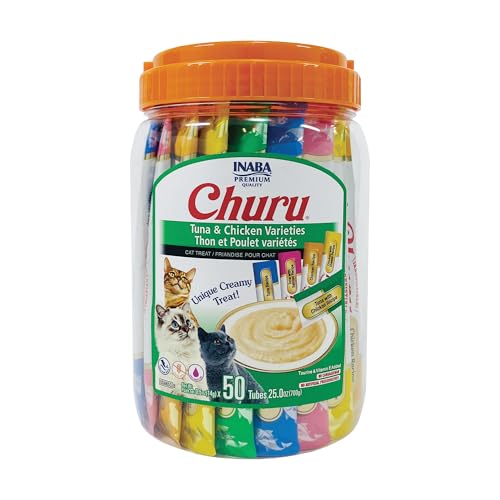
This guide is written as a reference resource, not a hands-on review. PawCritic does not test products in a lab or conduct feeding trials. Everything here draws on manufacturer specifications, published veterinary guidance, and reports from verified cat owners. Where a specific product appears, it is offered as one concrete example of a category you can evaluate yourself, not as an award winner from a testing process.
Why Cats Refuse Food in the First Place
Before spending money on toppers, it helps to understand why a cat stops eating. Feline nutrition guidance from the Cornell Feline Health Center emphasizes that cats are obligate carnivores with strong preferences for protein- and fat-rich foods, and that their sense of smell drives much of their appetite. A cat whose food smells stale, whose bowl is beside a noisy appliance, or whose dental health has declined may refuse meals that look perfectly fine to an owner. Age also plays a role: senior cats often lose sensitivity to smell and taste, which is why strongly aromatic toppers such as freeze-dried raw or warmed broth tend to work well for them.
There is also a medically important threshold to know. A cat that eats nothing for roughly two to three days is at risk of hepatic lipidosis, a serious liver condition triggered by prolonged fasting in overweight cats especially. If your cat has skipped multiple meals, is losing weight, is vomiting, or is showing lethargy, contact a veterinarian before treating the problem as pickiness. The Merck Veterinary Manual cat owner reference covers appetite loss and its causes in detail and is worth reading alongside any dietary change you make at home.
What Cat Food Toppers Actually Do
A topper is any palatable food added in small quantities on top of, or mixed into, a cat's regular diet. The better products in this category are designed around one or more of five jobs: increasing aroma and flavor to stimulate appetite, adding moisture to the diet, adding concentrated animal protein, delivering functional ingredients such as probiotics or omega fatty acids, and creating variety without switching the base food. A single product may do several of these at once, but no topper does all of them equally well, which is why matching the product type to your specific goal matters.
Appetite stimulation is the most common reason owners buy toppers. Because cats rely heavily on smell, a topper with a strong meat aroma, such as freeze-dried raw liver or chicken, or a warmed bone broth, can make an ordinary bowl smell like fresh prey. Owner reports frequently describe cats that ignored dry food for days eating the same kibble eagerly once a fragrant topper was crumbled over it. This effect is real and well documented anecdotally across thousands of reviews, but it is not universal. Some cats are texture-driven rather than aroma-driven, and a crumbly powder will not tempt a cat that wants something to chew.
Hydration is the second major function, and arguably the more medically valuable one. Cats evolved as desert hunters with a weak thirst drive, and many domestic cats eating dry-only diets live in a state of mild chronic underhydration, which is associated with urinary tract disease and crystal formation. Broth-based and wet mousse toppers can add a meaningful amount of water to each meal. If your cat drinks little and eats mostly kibble, a moisture-focused topper may be a better starting point than a protein-focused one, though it is not a substitute for veterinary care if urinary symptoms are already present.
The Main Types of Toppers and Their Trade-Offs
Freeze-Dried Raw Crumbles and Nuggets
Freeze-drying removes water from raw meat at low temperature, which preserves nutrients and aroma while making the product shelf-stable without preservatives. These toppers are typically very high in animal protein, often 90 percent or more meat, organs, and bone by manufacturer formulation, and they are among the most palatable categories for cats. The trade-offs are price, since freeze-drying is an expensive process, and texture, since some cats need several exposures before accepting the dry, crumbly feel. Storage also matters: once a bag is opened, humidity is the enemy, and the product should be sealed and kept cool and dry. Some cats prefer these nuggets rehydrated with a splash of warm water, which also adds moisture.
Bone Broth and Meal Pour-Over Toppers
Dehydrated or concentrated broths are mixed with warm water and poured over food. Good products contain nothing beyond the protein source, water, and sometimes a small amount of vinegar used in broth making. The critical safety point here is what must not be present: onion and garlic, both common in human broths, are toxic to cats, as documented by the ASPCA Animal Poison Control. Never pour human soup or bouillon over cat food, because sodium levels alone can be harmful even before the allium content is considered. Veterinary-formulated cat broths are formulated without salt and alliums, and they deliver the hydration benefit owners are usually after. The trade-off is that broth adds almost no protein or calories, so it is a hydration and palatability tool, not a nutritional supplement.
Wet Mousse and Pate Mix-Ins
These are smooth, high-moisture pastes spooned or squeezed over food. They suit cats that dislike chunks, cats with dental pain, and seniors. Many mousses are formulated to meet complete and balanced standards for adult maintenance, meaning they can double as a small meal, which makes them forgiving if your cat eats more topper than intended. Trade-offs include refrigeration of opened pouches and a higher cost per calorie than dry toppers.
Fortified Powders and Probiotic Sachets
Some powdered toppers are primarily flavor enhancers built on hydrolyzed protein or animal digest, the same palatability technology used to coat kibble. Others are genuine supplements containing probiotic strains, omega-3 fatty acids, or joint-support compounds. These are the right choice when your goal is functional rather than culinary, for example intermittent digestive upset. The honest limitation: a powder adds little texture interest, and a small minority of cats will eat around food that has been dusted with an unfamiliar powder rather than through it.
Whole-Prey Treats Used as Toppers
Freeze-dried minnows, chicken hearts, or similar single-ingredient items straddle the line between treat and topper. They offer an unprocessed, single-ingredient profile that suits cats with multiple food sensitivities, and fish-based versions contribute omega-3 fatty acids. The limitations are strong odor, crumbly texture, and the fact that they are not nutritionally complete, so portion control matters.
How to Evaluate a Topper Before Buying
Start with the ingredient list, which by regulation must be ordered by weight before cooking. A quality freeze-dried or wet topper lists a named whole protein, such as chicken, duck, rabbit, or a named fish, as the first ingredient, and the list is short. Be skeptical of generic terms like meat by-products or poultry meal in a premium-priced topper; these are not necessarily unsafe, but at topper prices you are paying for specificity. Check for additives you may want to avoid: artificial colors are pointless in a product for an animal that cannot see most colors well, and some owners prefer to avoid carrageenan, a thickener common in wet foods, though the evidence against it in pet food remains contested.
Second, decide whether you need a complete and balanced product or a complementary one. Products that meet AAFCO nutrient profiles for a full life stage are labeled as such; the AAFCO pet food standards explain what these labels mean and how to read the nutritional adequacy statement on any pet food package. A topper labeled for intermittent or supplemental feeding only should stay a small fraction of total calories, generally under ten to twenty percent. This distinction matters most for kittens, pregnant cats, and cats on therapeutic diets, where diluting a carefully formulated food can undermine its purpose.
Third, look at cost per serving rather than package price. A large bag of freeze-dried nuggets looks expensive but may contain sixty or more servings when crumbled as a topper, while an individually portioned broth cup costs little per unit yet adds up fast at two cups a day. Manufacturer feeding charts, printed on the packaging, let you calculate this before buying.
Fourth, consider your cat's specific sensitivities. Cats with diagnosed food allergies, most commonly to chicken, beef, or fish, need a topper built on a novel protein such as duck, rabbit, or venison. Single-ingredient products make elimination trials far easier because there is nothing hidden in the formulation to confound results.
Two Concrete Examples Worth Examining
A Freeze-Dried Raw Meal Mixer
As one representative example of the freeze-dried raw category, Stella and Chewy's Meal Mixers are formulated with roughly 95 percent meat, organs, and bone, fortified with taurine, vitamins, and minerals, and made without grains, fillers, or artificial preservatives, according to the manufacturer's published specifications. The formulation is complete and balanced, so it can be used as a full meal or crumbled as a topper, and it comes in multiple proteins including chicken, duck, rabbit, and salmon, which helps owners of poultry-sensitive cats rotate safely. Verified owner reviews consistently describe strong palatability, with many reporting that long-refusing cats resumed eating; the common complaints are price per serving and occasional initial rejection of the dry texture, which usually resolves with rehydration or gradual introduction. This option suits owners prioritizing ingredient quality and protein density, and you can check the current price on Amazon.
A Smooth Wet Mousse Mix-In
On the wet end of the spectrum, Tiki Cat Velvet Mousse represents the smooth-texture category. The manufacturer lists a named protein as the first ingredient, formulates without grains, carrageenan, or artificial colors and flavors, and packages the mousse in single-serve pouches. The high moisture content makes it useful for hydration as well as palatability, and the silky texture suits cats that refuse chunks, seniors with dental issues, and cats recovering from illness who need gentle encouragement to eat. Trade-offs reported by owners include smaller pouch portions relative to price and the need to refrigerate unused portions. Fish-based varieties contribute omega-3 fatty acids, though cats on fish-heavy diets long term may benefit from variety to avoid monotony and mercury exposure concerns. To see current pricing and flavors, view this option on Amazon.
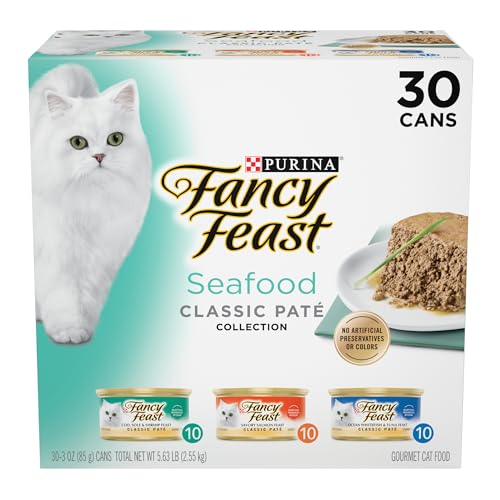
If your priority is hydration rather than protein, a broth-based pour-over from a manufacturer that omits salt, onion, and garlic is the category to explore. If your priority is a single-ingredient option for an allergy-prone cat, look for freeze-dried single-protein products with exactly one item on the ingredient statement. If digestion is the concern, a veterinary probiotic sachet doubles as a flavor enhancer. The two products above are simply well-documented examples of their types, not endorsements above all others in the category.
Using Toppers Correctly: Portions, Transitions, and Mistakes
Introduce any new topper in small quantities, a pinch of freeze-dried crumble or a teaspoon of broth or mousse, mixed thoroughly into the familiar food so your cat cannot eat around it. Introduce one new item at a time and wait several days before adding another, so that if soft stools, itching, or vomiting appear you know which product caused it. Follow the manufacturer's feeding chart for portion guidance; a typical topper serving is one to two tablespoons or a single packet per meal, adjusted for body size and activity.
Count calories. A tablespoon of freeze-dried raw can carry forty or more calories, and a pouch of mousse more still. Cats need surprisingly few calories overall, roughly 200 to 300 per day for a typical adult, so an uncounted topper can quietly produce weight gain. Reduce the base food proportionally when adding a topper regularly, and weigh your cat monthly. Toppers are also genuinely useful for medication: many cats accept a pill hidden in a strongly flavored mousse or a crushed freeze-dried nugget far more readily than direct pilling, though confirm with your veterinarian that the medication can be given with food.
The most common mistakes owners report are these: switching toppers constantly before the cat adjusts to any of them; using human foods like seasoned meat, milk, or soup, which can cause GI upset or worse; letting a cat train the household into topping every meal at full serving size until the topper becomes the diet; and using toppers to mask an underlying medical problem that has not been diagnosed. Toppers treat reluctance, not disease. Persistent appetite loss, weight loss, vomiting, increased thirst, or changes in litter box habits all warrant a veterinary visit first.
Storage is the final practical point. Freeze-dried products absorb moisture from the air and degrade quickly if left in a poorly sealed bag; squeeze the air out, seal the bag fully, and store it somewhere cool and dry. Opened wet pouches and broths belong in the refrigerator and should be used within a day or two, and dehydrated broth packets should be used promptly once opened.
Frequently Asked Questions
Can I use a topper with every meal?
Most toppers are formulated for daily use, and manufacturer feeding charts assume it. Rotating between two or three types maintains novelty and spreads nutritional exposure across protein sources. The exception is anything labeled for intermittent or supplemental feeding only, which should stay a limited share of total intake.
Are toppers nutritionally complete?
Some are, and these carry an AAFCO nutritional adequacy statement for a full life stage. Most broth and powder toppers are not. Read the label statement on each package, and treat non-complete products as garnish rather than food.
How much should I use per meal?
Start with a pinch or a teaspoon and follow the package chart for your cat's weight. Keep topper calories within roughly ten to twenty percent of daily intake unless the product is complete and you are feeding it as part of a measured diet.
Can I use human food as a topper?
Plain cooked unseasoned chicken or a spoon of plain canned pumpkin are widely cited as safe occasional options, but seasoned foods, dairy, onions, and garlic are not. When in doubt about a specific food, the ASPCA Animal Poison Control resources list toxic and safe human foods for cats.
My cat only eats the topper and leaves the food. What now?
Reduce the topper amount gradually while mixing it deeper into the food, and make sure the base food is fresh. If the pattern persists, the base food itself may be the problem, whether stale fat in an old bag of kibble or a flavor your cat has simply tired of, and a gradual food switch may serve better than a permanent topping ritual.
The Bottom Line
Cat food toppers are a legitimately useful category: they stimulate appetite through aroma, add moisture to dry diets, provide variety, and can carry functional supplements. Choose the type based on your goal, verify the ingredient list and AAFCO statement, count the calories, and introduce changes slowly. A freeze-dried raw mixer such as the example profiled above suits protein-focused needs, while a smooth mousse like the wet option discussed here suits hydration and texture-sensitive cats. And if picky eating is new, sudden, or accompanied by other symptoms, see your veterinarian before changing anything about the diet.
Disclosure: This article contains affiliate links. As an Amazon Associate, PawCritic earns from qualifying purchases at no additional cost to you. Products mentioned are discussed based on manufacturer specifications, published guidance, and verified owner reports; no hands-on testing was performed.