Best Dog Raincoats and Waterproof Gear 2026: A Research-Based Buying Guide
Published on July 17, 2026 by PawCritic — Dogs Category
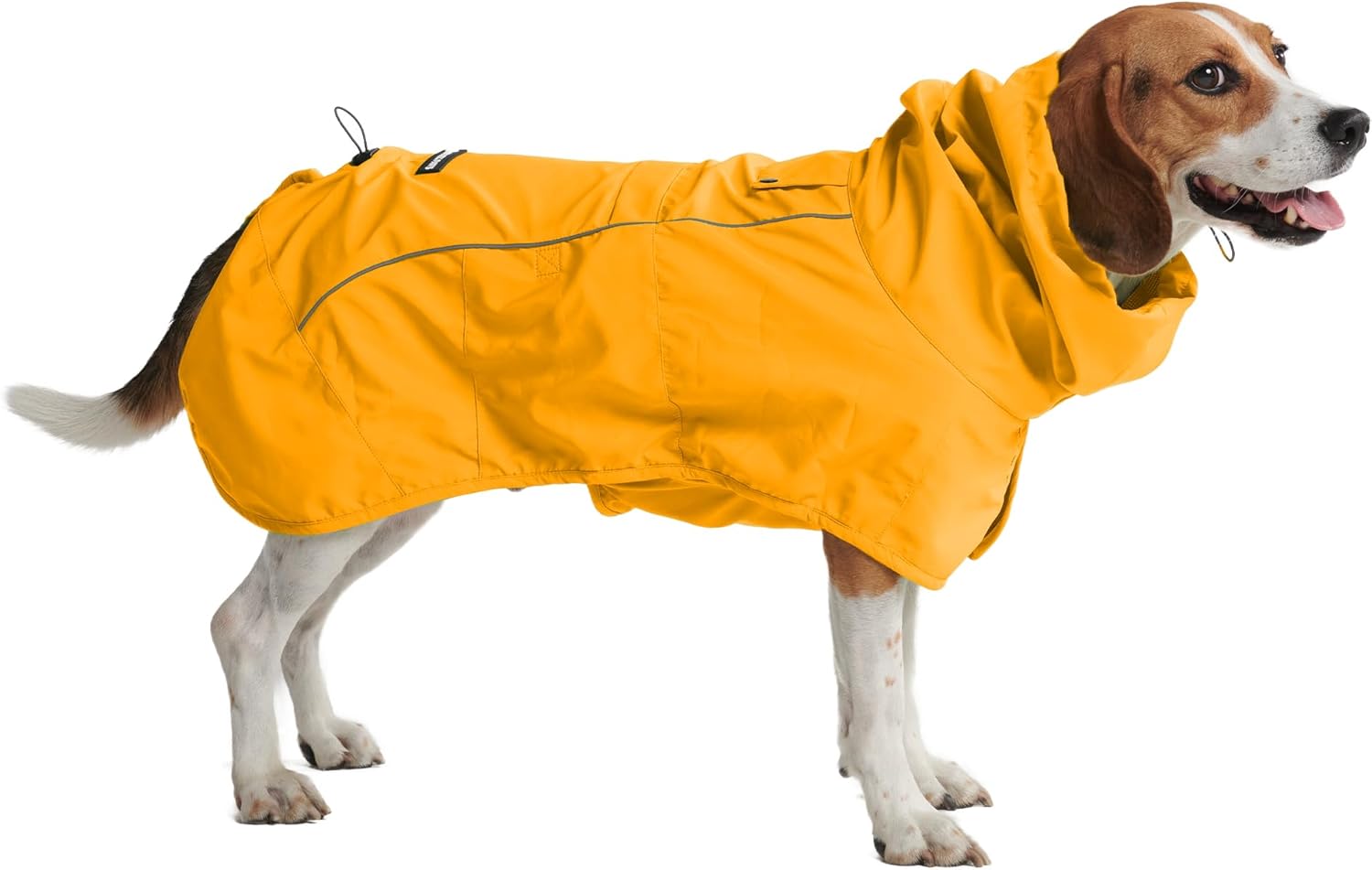
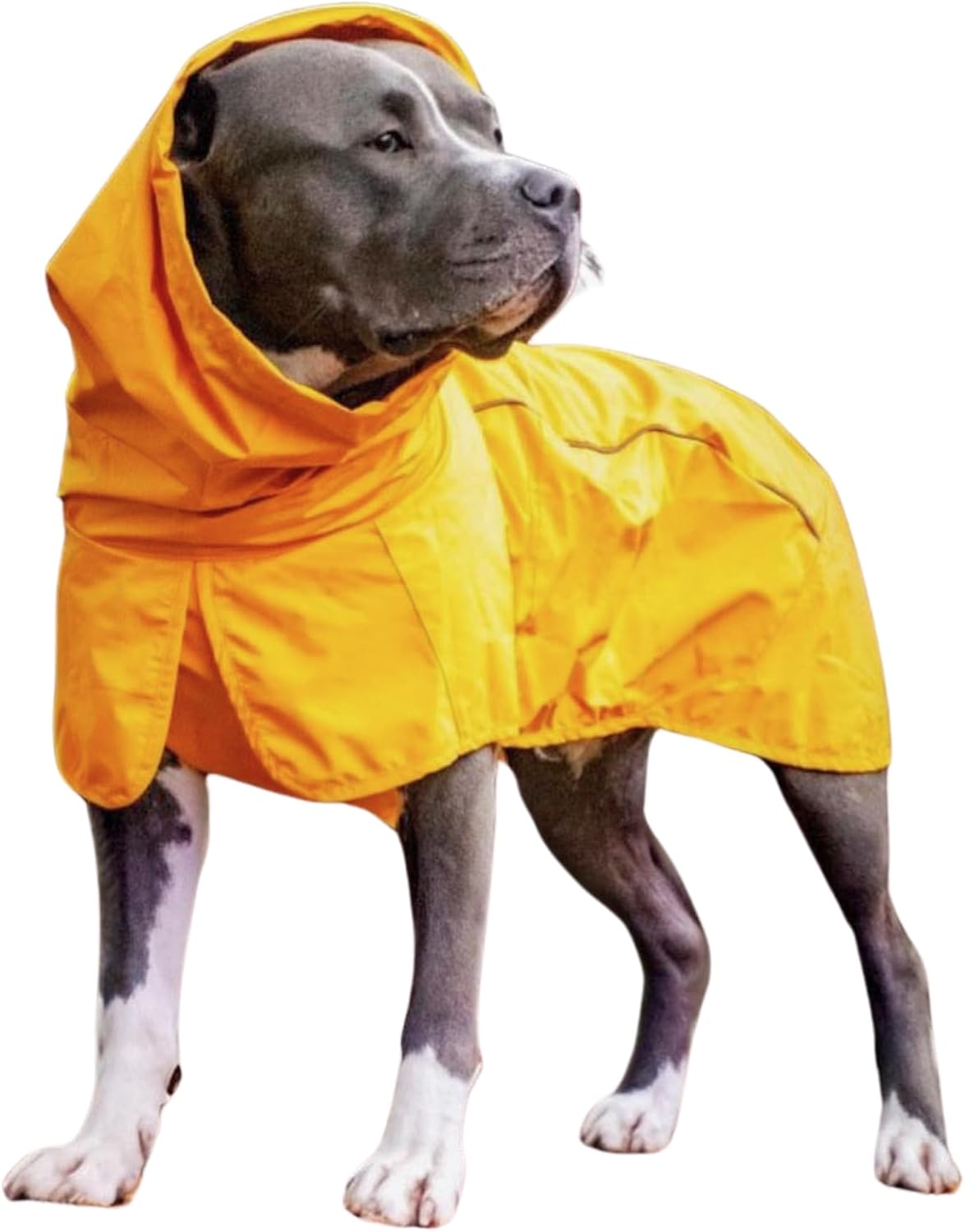
Walking a dog in the rain is one of those chores that quietly erodes a routine. The dog gets soaked, the car and hallway get muddy, and the walk gets shorter every week the weather stays bad. A raincoat does not fix every part of that problem, but it addresses the biggest one: a wet coat. This guide explains how canine rain gear is actually constructed, which specifications matter for different breeds and climates, and where the category tends to fall short. It is written from published veterinary guidance, manufacturer specifications, and verified owner reports rather than hands-on laboratory work, because PawCritic does not run a testing lab.
Two specific products are referenced below as concrete examples: a lightweight shell from Ruffwear and a full-coverage suit from FETCH. Both are widely available and have enough published specification detail to evaluate honestly. The rest of the guide covers the category as a whole.
Why Wet Fur Is a Real Welfare Issue, Not Just an Inconvenience
The canine coat works as insulation because trapped air between hair shafts slows heat loss. Once that coat is saturated, the air pockets fill with water and the insulation value drops sharply. Veterinary references note that wet, cold conditions are a leading environmental contributor to hypothermia in dogs, particularly in small breeds, seniors, puppies, and thin-coated dogs such as whippets, greyhounds, and boxers. The Merck Veterinary Manual dog owner reference lists cold exposure among the routine environmental hazards owners should plan for, and rain plus wind is the most common combination that turns an ordinary walk into a risk.
Skin health is the second concern. A coat that stays damp against the skin for hours creates a favorable environment for bacterial and yeast overgrowth. Dermatology guidance links prolonged moisture to hot spots, interdigital dermatitis, and flare-ups of existing allergic skin disease. Dogs with skin folds, such as bulldogs and shar-peis, and dogs with dense undercoats are the most vulnerable. Drying a dog thoroughly after every wet walk is the standard advice, and a raincoat reduces how much drying is needed in the first place.
There is also a behavioral cost that owners underestimate. When a walk means a wet dog and a wet floor, owners skip it. That reduces daily exercise and mental stimulation, which in turn shows up as restlessness, destructive chewing, and weight gain. Rain gear is therefore less about convenience and more about keeping a walking routine intact through the wet season.
How Dog Raincoats Are Actually Built
Nearly every raincoat on the market falls into one of three construction categories, and the category determines almost everything about performance.
Coated fabric shells. These use a woven face fabric, usually polyester or nylon, with a polyurethane or PVC coating applied to the back. They are genuinely waterproof because the coating is a continuous film. The trade-off is breathability: a solid film traps moisture vapor from the dog's body, so heat and humidity build up underneath. Coated shells are the right choice for short walks, potty breaks, and cold standing-around weather. They are the wrong choice for off-leash running in mild temperatures.
Membrane laminates. These bond a microporous membrane to a face fabric. The membrane has pores small enough to block liquid water but large enough to let water vapor pass, which is why these shells are described as waterproof and breathable. Taped or seam-sealed construction is essential, because every needle hole in a waterproof fabric is a leak path unless it is covered. Membrane shells cost more and are the better option for active dogs, long walks, and variable temperatures.
Water-resistant softshells. These use a tightly woven fabric with a durable water repellent finish. They shed light rain and dry quickly but will wet through in sustained rain or under pressure. They are comfortable, quiet, and stretchy, which makes them popular for dogs that dislike stiff clothing.
Waterproof ratings, when published, are expressed in millimeters of hydrostatic head. A rating of 2,000 to 5,000 mm handles light rain. A rating of 5,000 to 10,000 mm handles steady moderate rain. Anything above 10,000 mm is intended for heavy or prolonged exposure. Most dog gear manufacturers do not publish a hydrostatic head figure at all, so owners end up relying on construction cues instead: taped seams, sealed zippers, coated or laminated fabric, and whether the brand describes the item as waterproof rather than water-resistant.
Fit Is the Single Most Important Variable
A technically excellent raincoat that fits badly will leak, chafe, and get refused by the dog. Three measurements matter, and they should be taken with a soft tape while the dog stands on all fours.
Back length runs from the base of the neck, where the collar sits, to the base of the tail. This determines overall coverage. A coat that is too short leaves the hindquarters exposed; too long and it catches on the rear legs and gets soiled.
Chest girth is measured around the widest part of the ribcage, just behind the front legs. This is the measurement most brands build their sizing around, and it is the one most owners get wrong by measuring at the neck or the waist instead.
Neck circumference determines whether the collar sits comfortably without riding up or gaping open in wind.
Body shape matters as much as raw numbers. Deep-chested breeds such as Dobermans and Great Danes need a longer chest panel or the belly stays exposed. Barrel-chested breeds such as bulldogs and French bulldogs need a wider chest panel or the coat pulls tight across the shoulders. Long-backed breeds such as dachshunds and corgis need extended back length. Sighthounds need a cut that accommodates a deep chest and a narrow waist, which is why generic sizing often fails on them.
Adjustability is the practical workaround. Belly straps, chest straps, and neck closures that can be independently adjusted let one coat accommodate a range of shapes. Single elastic belly loops are the weakest design and tend to let the coat rotate sideways during a walk. Dual straps with quick-release buckles hold position far better.
Choosing by Breed, Coat Type, and Climate
Thin-coated and single-coated breeds gain the most from rain gear. Breeds with little body fat and minimal undercoat lose heat quickly when wet, and a waterproof shell with a light lining is genuinely useful rather than cosmetic. Seniors and puppies fall into the same category, since both have less efficient thermoregulation than healthy adult dogs.
Double-coated breeds are a different case. Huskies, malamutes, and similar breeds have an undercoat that sheds water reasonably well and traps a large volume of insulating air. Compressing that coat with a tight-fitting garment can reduce insulation rather than improve it. For these dogs, a loose, unlined shell that keeps the worst of the rain off without flattening the undercoat is the better choice, and many owners find that toweling off is sufficient for short walks.
Long-haired breeds such as golden retrievers, doodles, and collies present a matting risk. Wet fur that dries without brushing forms tight mats close to the skin, and those mats are painful to remove. A raincoat that covers the back, chest, and upper legs reduces how much of the coat gets wet and therefore how much matting risk accumulates. Full-leg coverage helps further but adds fitting complexity.
Climate drives the breathability decision. In mild, humid rain, a non-breathable coated shell can cause overheating even in cool-feeling weather, because the dog is generating heat through movement. In cold, windy rain, warmth retention matters more than breathability, and a lined coated shell is appropriate. Owners in consistently wet regions tend to get the most value from a membrane laminate, because it is the only construction that handles both long walks and heavy rain without either soaking through or overheating.
Full-Coverage Suits Versus Simple Shells
Full-body suits with leg sleeves, a hood, and a tail cover exist because standard blanket-style coats leave the legs, belly, and underside exposed. For a dog walking through puddles and wet grass, that means the legs and belly still get soaked, and the dog still tracks water and mud indoors. A suit solves that, at the cost of more complex fitting, longer dressing time, and reduced ventilation.
Suits are the better answer for muddy conditions, for long-haired breeds where leg fur acts like a sponge, and for dogs that spend extended time outdoors in wet weather. Simple shells are the better answer for quick walks, for dogs that resist clothing, and for owners who want something they can put on in ten seconds. Neither is universally superior; the decision comes down to how long the dog is outside and how wet the ground is.
Two Concrete Options Worth Examining
check the current price on Amazon
The Ruffwear Sun Shower is a lightweight shell built from a waterproof and breathable fabric with fully taped seams, which is the same construction approach used in technical human rain jackets. It is designed as a shell rather than an insulated coat, so it layers over a dog's natural coat or an additional fleece in cold weather. The leash portal on the back is positioned for standard clips and works with both flat collars and harnesses. Sizing runs from XXS through a large size, and Ruffwear publishes a girth-based size chart that owners should follow rather than guessing from breed.
Who it suits: active dogs that hike, run, or walk daily in wet weather, and owners who want one shell that works across seasons. The trade-off: it is a shell, not a suit, so legs and belly remain exposed, and the price sits in the premium tier for a single-layer garment. Owners who need full leg coverage or heavy-duty protection should look at a suit instead.
The FETCH Heavy Duty Rain Suit is a full-coverage design with leg sleeves, a hood, and a tail cover, made from a PVC-coated nylon with heat-sealed seams. Heat-sealed seams matter because they eliminate the needle holes that would otherwise let water through at every stitch line. The leg sleeves use elastic cuffs to stay in place, the hood covers the neck and ears without blocking the eyes, and a belly strap keeps the suit from shifting. There is a leash slit on the back.
Who it suits: owners dealing with heavy rain, mud, or long outdoor exposure, and long-haired breeds where leg coverage prevents matting. The trade-off: PVC-coated fabric is not breathable, so heat builds up underneath. It is a poor choice for vigorous activity or mild weather, and it is best reserved for standing walks, potty breaks, and cold wet conditions. The surface wipes clean easily, which is a genuine advantage in mud.
What Owners Report About Real-World Performance
Verified owner reviews across the category converge on a few consistent themes. First, fit complaints dominate negative reviews far more than material failures. The most common complaint is a coat that fits the chest but is too short in the back, or one that fits the back but gaps at the neck. Second, sizing inconsistency between brands is severe, which is why measuring and using the specific brand chart is repeatedly recommended in owner discussions.
Third, the point of failure in coated shells is almost always the closure system rather than the fabric. Hook-and-loop closures lose grip over time, especially when they collect hair and grit. Buckle closures hold up better but add weight and dressing time. Fourth, reflective trim is consistently described as more useful than expected, particularly for early morning and evening walks in low light, and high-visibility colors such as yellow, orange, and hi-vis green are noted as more effective than dark shells with small reflective accents.
Fifth, breathability complaints track closely with activity level rather than with the garment alone. Owners who use non-breathable suits for slow walks report satisfaction; owners who use the same suits for running report overheating. That pattern is consistent with the construction trade-offs described above and is a useful reminder that the right garment depends on how the dog moves in it.
Safety Considerations Beyond Waterproofing
Visibility is a safety feature, not a cosmetic one. Rain reduces driver visibility, and a dark, wet dog against wet pavement is difficult to see. Reflective piping, reflective panels, and bright shell colors all improve the odds. A clip-on LED light attached to a D-ring adds another layer for night walks.
Restriction of movement is the second safety issue. A coat that binds at the shoulders changes a dog's gait, and a changed gait over time can contribute to soft tissue strain. The test is simple: the dog should be able to trot, sit, lie down, and turn comfortably while wearing the coat. If the shoulders are pinched or the coat rides up when the front legs extend, the fit is wrong regardless of what the size chart says.
Chafing is the third. Rub marks appear under the front legs, around the neck, and along the belly strap line when a coat is too tight, too loose, or lined with a coarse material. Soft inner linings and correctly adjusted straps reduce the risk. Owners should check for redness after each walk during the first week of use, before any irritation has a chance to develop into a sore.
Finally, no raincoat replaces supervision. Dogs should not be left unattended in any garment that could snag on fencing, branches, or furniture. Straps and buckles are entanglement hazards in the same way collars can be, and the risk is higher with full suits that have multiple attachment points.
Maintenance and Realistic Lifespan
Waterproof coatings degrade with use, and how the garment is cleaned determines how long it lasts. Dirt and body oils clog the surface and reduce water repellency, so regular cleaning actually extends performance rather than wearing it out. Mild detergent, a gentle cycle, and air drying are the standard recommendations. Fabric softener should be avoided because it leaves a residue that interferes with water repellency. Dryers are a common cause of premature failure, since heat can crack and delaminate coatings.
For membrane laminates with a durable water repellent finish, the finish wears off before the membrane fails. When water stops beading and the surface starts to look wet rather than shedding, a spray-on or wash-in repellent treatment restores performance. This is a normal maintenance step, not a sign that the garment is worn out.
Seams deserve periodic inspection. Taped seams can peel or crack over time, particularly at stress points like the shoulder and chest. A small repair with seam sealant can extend the life of an otherwise sound coat. Storage matters too: hanging a coat rather than folding it avoids crease points where coatings tend to crack.
A realistic lifespan for a regularly used raincoat is two to four years. The end of life is usually signaled by the fabric wetting through in the chest or back panel, not by visible tearing. Owners should replace a coat when water consistently reaches the dog's fur despite intact seams and a fresh repellent treatment.
Common Mistakes Owners Make
Buying by breed rather than by measurement is the most frequent error. Breed size labels vary enormously between manufacturers, and two dogs of the same breed can differ by several inches in girth. Measuring back length, chest girth, and neck circumference takes two minutes and prevents most returns.
Choosing a non-breathable suit for active dogs is the second common mistake. A PVC-coated suit is excellent for standing around in cold rain and poor for a dog that runs. Matching the construction to the activity is more important than matching the price point.
Neglecting the legs and belly is the third. A standard shell keeps the back dry and leaves the underside exposed, which means the dog still gets wet where it matters most for indoor cleanup. Owners who are frustrated that a raincoat did not solve their problem are often using a shell where a suit was needed.
Introducing the coat too quickly is the fourth. Dogs that have never worn clothing often freeze, walk stiffly, or try to remove the garment. Short indoor sessions with treats, building from a few seconds to a few minutes, are the standard approach and generally resolve the issue within a handful of sessions.
Ignoring drying and brushing is the fifth. A raincoat reduces wetness but does not eliminate it, and a damp undercoat left unbrushed is where matting and skin problems begin. Toweling and a quick brush after wet walks remain part of the routine even with good gear.
Frequently Asked Questions
Do all dogs need a raincoat?
No. Double-coated breeds with dense undercoats often do fine in light rain for short periods. Thin-coated breeds, seniors, puppies, and dogs with skin or joint conditions benefit most, because they lose heat quickly when wet and are more vulnerable to the consequences of staying damp.
What is the difference between waterproof and water-resistant?
Water-resistant fabrics shed light rain and eventually wet through. Waterproof fabrics, whether coated or membrane-based, block liquid water entirely, provided the seams are sealed. The distinction matters most in sustained rain, where water-resistant softshells will saturate.
How do I measure my dog for a raincoat?
Take three measurements with a soft tape: back length from the base of the neck to the base of the tail, chest girth around the widest part of the ribcage just behind the front legs, and neck circumference. Use the specific brand's size chart, since sizing conventions differ significantly between manufacturers.
Can a dog overheat in a raincoat?
Yes, particularly in non-breathable coated fabrics during vigorous activity or mild weather. Breathable membrane shells reduce the risk. In warm rain, the better approach is to skip the coat and dry the dog thoroughly afterward.
Are reflective raincoats worth the extra cost?
Reflective trim and high-visibility colors improve how easily drivers see a dog in rain and low light. Given that rain reduces visibility on both sides, this is a meaningful safety feature rather than a marketing extra.
How should a raincoat fit?
The coat should cover from the base of the neck to the base of the tail, allow a finger to slide between the fabric and the dog's back, and extend a couple of inches below the chest. The dog should be able to trot, sit, and lie down without restriction.
Can I use a human rain jacket on my dog?
Not effectively. Human garments do not match canine proportions, so the chest is too tight, the neck too loose, and the sleeve openings do not align with the front legs. A properly designed dog coat fits better and performs better.
Should I protect the paws as well?
In cold weather, boots protect paws from ice, salt, and very cold standing water. In mild rain, paws dry quickly and are less of a concern. Body protection is the higher priority, and paw protection can be added for dogs that tolerate boots.
How often should a raincoat be washed?
Wash when the coat is visibly dirty or after several wet walks. Dirt and oils reduce water repellency, so cleaning restores performance rather than damaging it. Use mild detergent, avoid fabric softener, and air dry.
When should a raincoat be replaced?
Replace when water consistently reaches the dog's fur despite intact seams and a fresh repellent treatment. For regularly used gear, that typically happens after two to four years.
Putting It Together
The category splits cleanly along construction lines rather than brand lines. Coated shells and suits are the most waterproof and the least breathable, which makes them ideal for cold, wet, low-activity conditions. Membrane laminates are the most versatile and the most expensive, which makes them the right choice for active dogs and long walks. Water-resistant softshells are the most comfortable and the least protective, which makes them a reasonable option for light rain and short outings.
Within that framework, fit and adjustability determine whether any of it works. A well-chosen coat that matches the dog's measurements, body shape, and activity level will outperform a more expensive coat that fits poorly. Owners who take the time to measure, introduce the garment gradually, and maintain it properly tend to get years of use out of a single purchase.
For readers who want a concrete starting point, the two products referenced above represent the two ends of the category: a lightweight breathable shell for active dogs, and a full-coverage suit for heavy rain and mud. Either can be a reasonable choice depending on climate, coat type, and how the dog spends its time outdoors.
General pet care guidance from the AVMA pet owner resources is a useful companion to this article for owners thinking about cold-weather exercise and routine care. For nutrition questions that come up alongside activity planning, the WSAVA Global Nutrition Guidelines provide a veterinarian-reviewed reference. If a dog ingests something questionable on a walk, the ASPCA Animal Poison Control is the standard resource for guidance.
Affiliate Disclosure: Some of the links above are Amazon affiliate links (tag: nannan09-20). PawCritic earns a small commission at no extra cost to you. Products are selected based on published specifications, manufacturer documentation, and verified owner reports; PawCritic does not operate a testing laboratory.