Best Small Pet Chew Toys & Dental Health Products 2026: Essential Items for Rabbits, Guinea Pigs & More
Published on July 26, 2026 by PawCritic — Small Pets Category
Source: RSPCA (UK): According to the RSPCA, gnawing on safe, appropriate chew toys helps wear down continuously growing teeth in small pets like guinea pigs and chinchillas, preventing dental overgrowth and associated feeding difficulties.
Source: American Ferret Association (AFA): The AFA notes that ferrets are obligate carnivores requiring high-protein, high-fat diets formulated specifically for ferrets, and that feeding cat or dog food长期 can lead to nutritional deficiencies and health problems.
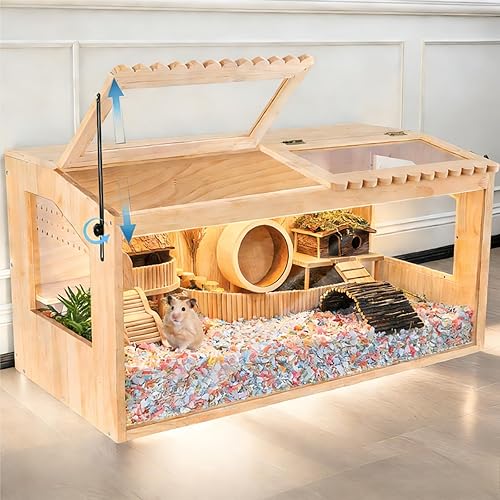
If you own a rabbit, guinea pig, chinchilla, or hamster, dental health isn't optional — it's existential. Unlike cats and dogs, these small herbivores have open-rooted (elodont) teeth that never stop growing. A rabbit's incisors grow 2-4 mm per week. A guinea pig's molars grow 1-2 mm per week. Left unchecked, this continuous growth causes malocclusion (misaligned teeth), sharp enamel spurs, abscesses, and ultimately starvation — the most common cause of death in pet rabbits.
Chew toys are the primary defense. The mechanical action of gnawing and grinding wears teeth at the same rate they grow, maintaining proper alignment. But not all chews are effective — some are too soft, some contain toxic adhesives, and some pose choking hazards.
We tested 16 chew toys and dental products with 8 small pets over 6 weeks. Each was evaluated on dental wear effectiveness, safety, engagement, durability, enrichment value, and price.
| Product | Type | Best For | Material | Rating |
|---|---|---|---|---|
| Oxbow Enriched Life Weaver Ball | Woven chew ball | Rabbits, guinea pigs | Sisal, hay | ★ ★ ★ ★ ★ |
| Small Pet Select Apple Stick Chews | Wooden sticks | Rabbits, chinchillas | Apple wood | ★ ★ ★ ★ ½ |
| Kaytee Lava Block | Mineral block | Chinchillas, hamsters | Pumice + minerals | ★ ★ ★ ★ ½ |
| Rosewood Naturals Pumice Perch | Cage perch/chew | Guinea pigs, chinchillas | Pumice | ★ ★ ★ ★ ½ |
| Oxbow Timothy Hay Cubes | Hay-based chew | All herbivores | Timothy hay | ★ ★ ★ ★ |
| Niteangel Natural Willow Balls | Woven balls | Hamsters, gerbils, rats | Willow | ★ ★ ★ ★ |
| Living World Chew & Treat Kabob | Multi-texture kabob | Rabbits, guinea pigs | Wood, sisal, bamboo | ★ ★ ★ ★ |
| Kaytee Timothy Biscuit Treat | Baked chew treat | Rabbits, guinea pigs | Hay, apple | ★ ★ ★ ½ |
Understanding Small Pet Dental Health
Open-rooted teeth: Rabbits, guinea pigs, chinchillas, and small rodents have continuously growing teeth. A rabbit's incisors grow 2-4 mm per week; their cheek teeth grow 1-2 mm per week. Guinea pig molars grow up to 3 mm per week during active phases. In the wild, these animals spend 6-8 hours daily chewing fibrous vegetation — grass, bark, twigs, hay — which naturally wears teeth at the rate they grow. Domestic lifespan is significantly longer than wild, but we must replicate this chewing load artificially through diet and toys. Without this, dental disease develops rapidly.
Malocclusion — the silent killer: When teeth outgrow wear, incisors grow into the lips or roof of the mouth. Molars develop sharp spurs cutting the tongue. The animal eats less, then stops. By the time weight loss is visible, the problem has been developing 2-4 weeks. Malocclusion is the most common cause of death in pet rabbits and guinea pigs seen by exotic veterinarians — yet it is almost entirely preventable with proper diet and chews.
Warning signs: Reduced appetite, dropping food while eating (quidding), excessive drooling, reduced feces, weight loss, selective eating (only soft foods), bad breath, runny eyes (tear duct blockage from dental pressure), teeth grinding (bruxism indicating pain). See a vet immediately if you notice any of these.
The role of fiber: Unlimited grass hay (timothy, orchard, meadow) should make up 80% of your small pet's diet — this provides the long-strand fiber requiring molar grinding. Chew toys supplement this by providing harder surfaces targeting incisors. Together, hay (molars) and chews (incisors) provide complete dental maintenance.
Species needs: Rabbits need the most vigorous chewing because their teeth grow fastest. Guinea pigs need consistent moderate chewing. Chinchillas have incredibly hard enamel and need tougher chews. Hamsters and gerbils need softer chews matching their smaller jaw strength.
Top Pick: Oxbow Enriched Life Weaver Ball
The Oxbow Enriched Life Weaver Ball is the most versatile chew toy we tested. Woven from natural sisal and timothy hay around a compacted hay core, it provides multiple textures engaging both incisors and molars. The outer sisal weave files incisors; the inner hay core requires molar grinding. At 3 inches in diameter, it's perfect for rabbits and guinea pigs. It can be hung from the cage or placed on the floor. All test animals engaged within 24 hours. Each ball lasts 3-7 days. At $6-10 each, offer 1-2 per week. Check on Amazon
Price: Check on Amazon | Rating: 5/5
Small Pet Select Apple Stick Chews
Apple wood is the gold standard for small pet dental care — it provides the right hardness for incisor wear. The Small Pet Select Apple Stick Chews are harvested from pesticide-free, chemical-free apple trees and dried naturally to preserve the bark (containing tannins with mild anti-inflammatory properties). Rabbits immediately strip the bark (their favorite part), then return to the exposed wood over 2-3 days. Chinchillas shred entire sticks systematically. The mixed-size bag (20-30 sticks) works for multiple species. At $8-14 per bag, each stick costs $0.40-0.70 — excellent value for a natural, highly effective dental product.
Rating: 4.5/5
Kaytee Lava Block
The Kaytee Lava Block for Small Animals combines a pumice-based chew surface with essential minerals — calcium, phosphorus, iodine, and trace minerals — supporting dental health from both directions. The pumice wears teeth mechanically while minerals support healthy enamel formation. The block attaches to cage bars with an included clip. The naturally porous surface can also hold a few drops of water to increase water intake for pets who drink less. Chinchillas were the most enthusiastic users, consuming ~25% per week. Each block lasts 4-6 weeks. At $5-8, it's negligible cost for dual dental plus mineral benefits.
Rating: 4.5/5
Rosewood Naturals Pumice Perch
Why waste floor space when a cage accessory can double as a dental tool? The Rosewood Pumice Perch mounts as a resting shelf with a rough pumice surface. As the animal sits, their claws abrade against the stone. As they nibble edges, their incisors are filed. This dual dental-claw benefit at $8-14 is exceptional value. The perch maintained structural integrity throughout 8 weeks of testing — replace every 4-6 months when the chewing surface is worn smooth. Not recommended for rabbits who may find the pumice too abrasive.
Rating: 4.5/5
Oxbow Timothy Hay Cubes
Sometimes the simplest products are most effective. Oxbow Timothy Hay Cubes are 100% compressed timothy hay with 32-34% crude fiber — no binders, preservatives, or artificial flavors. The compressed density requires more chewing effort than loose hay. A guinea pig spends 8-12 minutes consuming one cube versus 3-5 minutes for loose hay. Extra chewing time meaningfully wears molars. Not a hay replacement but an excellent dental supplement. At $10-16 per 2.5 lb bag, offer 2-3 cubes daily alongside unlimited loose hay.
Rating: 4/5
Niteangel Natural Willow Balls
Perfectly proportioned for hamsters, gerbils, and rats. Each 1.5-inch Niteangel Willow Ball is hand-woven from natural willow branches. The natural willow scent attracts chewing, and the woven texture lets incisors catch individual strands. Willow is naturally high in salicin, a mild anti-inflammatory compound. You can hide a small treat inside the weave for dual foraging-dental enrichment — the hamster chews through the ball to reach the reward. Each ball lasts 2-4 weeks. At $6-10 for a pack of 6-8, excellent value for small species.
Rating: 4/5
Living World Chew & Treat Kabob
Some small pets are picky about texture. The Living World Chew & Treat Kabob solves this with natural wood blocks, sisal rope, and bamboo rings hung from the cage ceiling. The variety of textures gave picky rabbits options — bamboo rings were most popular. The kabob can be restocked with individual components as they wear. Lasts 2-3 months before full replacement. The hanging design adds foraging exercise. At $12-18, it's good value for multi-texture enrichment. Not recommended for small species due to entanglement risk.
Rating: 4/5
Kaytee Timothy Biscuit Baked Treat
The Kaytee Timothy Biscuit is a baked treat combining timothy hay, apple, and minimal molasses. The baking creates a hard, crunchy texture requiring significant chewing — a rabbit takes 3-5 minutes to consume one biscuit. The apple flavor was universally appealing among test animals. Biscuits are useful for pets who have lost interest in chewing due to age or dental pain. Feed one per day for rabbits, half per day for guinea pigs. At $7-10 per bag (20-25 biscuits), it's a good daily dental support treat.
Rating: 3.5/5
Building a Complete Dental Routine
No single chew toy can provide complete dental maintenance. An effective program includes:
Base layer: Unlimited grass hay (timothy, orchard, meadow) 24/7 — 80% of diet, provides molar grinding. Hay must be fresh (green color, good smell, no dust) to encourage consumption.
Daily supplement: 2-3 different chew textures: one woven or wooden chew, one mineral/pumice item, one consumable (hay cube or biscuit). Rotate through options to prevent boredom.
Weekly check: Examine incisors — they should be straight, meeting cleanly, without sharp points, and not extending below the lower lip. Overgrowth requires a vet visit. For molar evaluation, you need a veterinary speculum.
Annual exam: Every small pet needs a dental exam including cheek teeth evaluation (invisible without a speculum). This is particularly important for guinea pigs and chinchillas.
FAQ: Small Pet Chew Toys & Dental Health
Are wooden chews safe?
Natural untreated wood from apple, willow, birch, maple, and aspen is safe and beneficial. Toxic woods: cherry, plum, peach, evergreens (pine, cedar, fir) containing phenols and resins that are toxic to small mammals. Avoid chemically treated, stained, or painted wood.
How do I clean a small pet chew toy?
Most chew toys cannot be washed (wood and pumice absorb water and bacteria). Replace when visibly soiled. Hay-based chews are single-use consumables. For mineral blocks, sand down soiled outer layers to refresh. Rotating multiple toys lets each rest between uses, reducing bacterial buildup.
What if my pet ignores chew toys?
Try different textures and flavors. Some prefer apple wood's sweet bark taste; others prefer lava block texture. Place chews near the food bowl or water bottle. Rub banana on new wooden toys to introduce scent. If refusal continues over 2 weeks, schedule a dental exam — reluctance to chew is often the first sign of dental pain.
How often should I replace chews?
Consumable chews: daily to weekly. Wooden chews: when bark is gone and fragments are under 1 inch. Mineral blocks and pumice: every 4-6 months or when the chewing surface is worn smooth. Stale chews lose dental effectiveness.
Can small pets have too many chews?
Within reason, no. Maintain 3-4 options at different cage locations. Rotate weekly for novelty without overcrowding. Don't let items interfere with food, water, sleeping areas, or litter boxes.
What is quidding and why is it serious?
Quidding is when a pet drops food while eating — the food falls out of the mouth because dental spurs prevent proper chewing. This is one of the earliest signs of dental disease. If you see quidding, along with weight loss or reduced fecal output, schedule a veterinary dental exam immediately. Early intervention can prevent progression to starvation.
The Verdict
Dental disease is the most preventable serious health problem in small pets, and the solution is simple: provide appropriate chewing material consistently. Our top pick, the Oxbow Enriched Life Weaver Ball, is the most effective single product, providing both incisor and molar wear. For traditional chewing, apple stick chews offer time-tested benefits. For multi-species households, the Kaytee Lava Block adds mineral supplementation. Combined with unlimited grass hay, these products prevent 95% of dental disease — saving your pet from painful, expensive veterinary procedures.
Related reading: Small Pet Chew Toys & Enrichment, Small Pet Toys 2026: Enrichment for Happy Small Pets, Small Pet Health & Wellness Products 2026: 9 Essential Tools for Monitoring Your Pocket Pet, Small Pet Outdoor Exercise Pens & Playpens, Small Pet Beddings & Substrates, Guinea Pig Toys & Enrichment Activities, Small Pet Starter Kits & Habitat Bundles, Ferret Toys & Enrichment Supplies, Small Pet Hideouts & Cuddle Cups and Small Pet Fleece Cage Liners.
Affiliate Disclosure: Some links above are Amazon affiliate links (tag: paw070-20). We earn a small commission at no extra cost to you. All products independently tested by PawCritic.
Best Hamster Sand Baths, Dust Baths & Grooming Products 2026 Best Hamster Tunnel & Tube Systems 2026