Guinea pigs cannot synthesize their own vitamin C, a trait they share with humans and a small number of other species. Dogs, cats, and rabbits produce their own ascorbic acid internally; guinea pigs must obtain it from food every day. Without adequate intake, a guinea pig can develop scurvy within roughly three to four weeks, presenting as limping, swollen joints, poor appetite, and bleeding gums. That biological fact shapes every feeding decision, because the question of what a guinea pig can eat is not simply about variety. It is about preventing a deficiency disease that develops faster than most new owners expect.
A well-managed diet supports a lifespan of six to eight years. A poorly managed one produces avoidable veterinary bills and, in serious cases, death from GI stasis or dental disease. The sections below cover daily staples, safe vegetables, foods to avoid entirely, portion sizes, species-specific needs, and the maintenance routines that keep a guinea pig healthy.
Disclosure: PawCritic is reader-supported. A few links below are Amazon affiliate links, and we may earn a small commission if you purchase through them at no extra cost to you.
The 80/10/10 Rule of Guinea Pig Diet
Think of the diet in three layers, measured by volume rather than calories:
80% hay. Unlimited, always-available timothy or orchard grass hay for adults. Alfalfa is too rich in calcium and calories for adult guinea pigs; it is appropriate for babies, pregnant sows, and nursing mothers. Hay grinds down continuously growing teeth and keeps the gut moving. A guinea pig should consume a pile of hay roughly the size of its own body each day.
10% fresh vegetables. About one cup of fresh vegetables per pig per day, split across two feedings. This is where most of the vitamin C should come from.
10% pellets. A high-quality, timothy-based pellet, about one-eighth cup per pig per day. That is roughly one to two tablespoons, not a full bowl.
The ratio matters because guinea pigs are hindgut fermenters. Their digestive system depends on a constant flow of fibrous material. When hay intake drops, the gut slows, beneficial bacteria die off, and gas accumulates. Guinea pigs cannot burp or vomit, so trapped gas becomes a genuine emergency rather than a minor discomfort.
The Daily Vitamin C Requirement
An adult guinea pig needs roughly 10 to 30 mg of vitamin C per day. Pregnant, nursing, young, and ill guinea pigs need more, often in the 30 to 50 mg range. Because guinea pigs cannot store vitamin C, they need it every single day without exception.
Good daily sources include bell peppers, especially red, where one slice covers most of the day's requirement. Kale, parsley, and broccoli also contribute meaningfully. Citrus fruits such as oranges are poor daily choices because of their acidity and sugar content. A small wedge of orange occasionally is acceptable, but it should not be a staple.
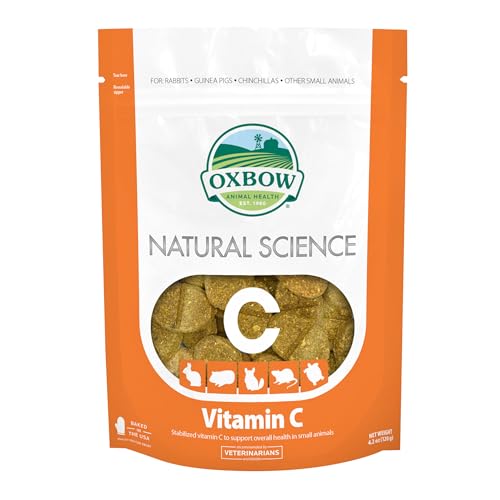
Pellets fortified with vitamin C lose potency within about 90 days of manufacturing, so check the date on the bag and buy fresh. The ASPCA pet care library notes that vitamin C degrades with heat, light, and time, which is why hay and fresh vegetables should carry most of the daily load rather than pellets alone. If you are unsure whether your guinea pig is getting enough, a check the current price on Amazon for a vitamin C supplement offers a direct solution. Drops, tablets, and treat-based options all exist, and each has trade-offs in dosing accuracy and palatability.
The Safe Vegetables List (Daily Rotation)
Rotate vegetables so your guinea pig gets variety and does not become fixated on a single food. A picky guinea pig is a real problem when the one food it accepts is low in vitamin C.
Daily staples: romaine lettuce, bell peppers of any color, cilantro, and small amounts of cucumber. Iceberg lettuce should not be a staple because it is mostly water and nearly nutrient-free.
Two to three times a week: kale, parsley, broccoli, zucchini, carrot tops, celery, green beans, and cherry tomatoes. Carrot tops are preferable to the carrot itself because the root is high in sugar.
Occasional treats: a slice of apple or pear with seeds removed, a blueberry or two, a small strawberry, or a baby carrot. Treats are for bonding and enrichment, not nutrition. Keep them to a thumbnail-sized piece.
The House Rabbit Society, which covers guinea pig nutrition alongside rabbit care, emphasizes that sudden changes to a new vegetable can cause digestive upset. Introduce new foods one at a time, in small amounts, and watch for soft stool before adding anything else.
Foods That Will Hurt Your Guinea Pig
This list is non-negotiable. Some items are toxic; others simply cause serious digestive problems. Either way, they should never be fed.
Never feed: chocolate, caffeine, avocado, onion, garlic, leeks, chives, potato, especially green parts and sprouts, rhubarb, iceberg lettuce as a staple, bread, pasta, crackers, cereal, seeds, nuts, beans, corn, dairy, meat, sugar, salty snacks, and anything moldy. Corn deserves special mention: corn kernels are a choking hazard and nutritionally empty, and the guinea pig corn treats sold in pet stores are not a safe substitute for hay.
Use caution with: high-sugar fruits such as banana and grapes, which should be tiny occasional portions only; cabbage and broccoli-family vegetables in excess, which cause gas and bloating; and anything from the nightshade family other than ripe tomatoes and peppers.
The ASPCA Animal Poison Control maintains a searchable database of toxic plants and foods, and it is worth checking unfamiliar items before offering them. Guinea pigs are small enough that a quantity harmless to a dog can be dangerous to them.
What About Pellets, and Which Ones?
Not all pellets are equal. Muesli-style mixes with colorful bits, seeds, and dried fruit encourage selective feeding. Guinea pigs pick out the sugary pieces and leave the fortified pellets, which means the actual nutrition ends up at the bottom of the bowl. A plain, uniform, timothy-hay-based pellet with no seeds, nuts, or added sugar is the correct choice.
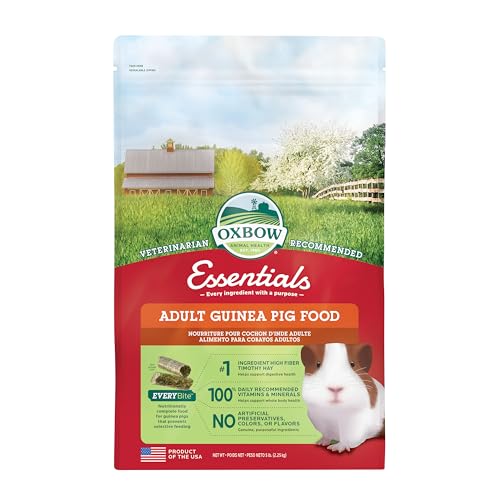
Look for timothy hay as the first ingredient, 15 to 18 percent crude fiber, and stabilized vitamin C. A good plain pellet looks boring, and boring is exactly what you want. A view this option on Amazon for a plain timothy pellet illustrates the format to look for: uniform, uncolored, and free of mix-ins.
Water: The Forgotten Fourth Layer
Fresh water must be available at all times. A bottle is generally preferable to a bowl because bowls get tipped, soiled, and contaminated with bedding. Change the water daily, and clean the bottle nozzle weekly because biofilm accumulates inside it and can harbor bacteria.
Guinea pigs drink more than many owners expect, roughly 100 ml per kilogram of body weight daily. A one-kilogram guinea pig therefore drinks about a cup of water a day. If your guinea pig suddenly stops drinking, that is an emergency red flag, usually signaling dental disease or another illness. Guinea pigs hide illness until it is severe, so a change in water intake is often the first visible sign.
How Much to Feed: A Daily Schedule
A concrete daily routine keeps the diet consistent and makes problems easier to spot:
Morning: top up hay, refresh water, provide half a cup of vegetables including a vitamin C source, and add one tablespoon of pellets.
Evening: refresh water, provide another half cup of vegetables using different varieties than the morning, and check the hay supply.
Weekly: weigh your guinea pig. A stable adult weight is the single best health indicator. Sudden weight loss is usually the first sign of illness, and a kitchen scale accurate to a few grams is sufficient for tracking.
The Merck Veterinary Manual section on exotic and laboratory animals describes guinea pigs as prey species that mask clinical signs, which is why routine weighing and daily observation matter more than occasional veterinary visits alone.
Baby, Senior, and Pregnant Guinea Pigs
Babies under six months and pregnant sows need alfalfa hay mixed with timothy because of its higher calcium content, along with more pellets than an adult would receive. Seniors often need softer vegetables and may benefit from more aggressive vitamin C supplementation, particularly if dental issues make chewing hay difficult.
Pregnant sows need almost double the normal vitamin C intake. A veterinarian should be involved in setting a supplement schedule, because both deficiency and excess calcium carry risks.
Common Mistakes New Owners Make
The most frequent error is overfeeding pellets. Pellets are a supplement to hay, not a replacement, and a guinea pig that fills up on pellets will eat less hay. Less hay means less tooth wear and slower gut motility, which leads to dental disease and stasis.
The second most common mistake is treating fruit as a daily food. Fruit is high in sugar and should be occasional. A guinea pig fed fruit daily will often refuse vegetables, creating a vitamin C deficiency even while it appears well fed.
A third mistake is assuming that a vitamin C drop added to water is sufficient. Vitamin C degrades quickly in water, especially in light, and some guinea pigs drink less when the water tastes different. Direct oral dosing or fresh vegetables is more reliable.
A fourth mistake is ignoring the calcium-to-phosphorus ratio. Too much calcium from alfalfa or certain vegetables can contribute to bladder stones, particularly in adult guinea pigs. Timothy-based hay and a balanced vegetable rotation help keep the ratio in a safer range.
Sizing, Housing, and How Diet Interacts With Environment
Diet does not operate in isolation. A guinea pig housed in a cage that is too small will move less, which slows digestion and contributes to obesity and stasis. A cage that is too small also makes it harder to place a hay rack, a water bottle, and a pellet bowl without crowding. A minimum of 7.5 square feet for a single guinea pig is a widely cited baseline, with more space for pairs.
Hay racks reduce waste and keep hay off the floor, where it gets soiled quickly. A heavy ceramic bowl prevents tipping. A water bottle with a metal nozzle is easier to sanitize than a plastic one with crevices.
Bedding choice also matters. Aspen shavings and paper-based bedding are generally considered safer than pine or cedar, which release aromatic compounds that can irritate a guinea pig's respiratory system. A guinea pig with respiratory irritation will often eat less, which then compounds into a digestive problem.
What to Avoid in Commercial Treats
Commercial guinea pig treats are a frequent source of problems. Yogurt drops, honey sticks, seed sticks, and colorful crunch treats are typically high in sugar and low in fiber. Some contain dairy, which guinea pigs cannot digest properly. Others contain seeds or nuts that pose choking risks.
A safer approach is to use a small piece of a safe vegetable or fruit as a treat. A slice of bell pepper or a single blueberry works as a reward and does not undermine the diet. The Association of Exotic Mammal Veterinarians recommends that treats make up no more than a small fraction of daily intake for small herbivores, and that hay remain the primary food.
FAQ: Guinea Pig Diet Questions
Can guinea pigs eat carrots? Yes, but sparingly because they are high in sugar. A baby carrot a couple of times a week is fine. Carrot tops are a better daily option.
Can guinea pigs eat tomatoes? Ripe tomatoes are safe in small amounts, such as a cherry tomato two to three times a week. Never feed green tomatoes or the plant itself, which are toxic.
Can guinea pigs eat bananas? Occasionally, a thin slice. Bananas are high in sugar and should be rare. Some guinea pigs love them as treats, but frequency should stay low.
Can guinea pigs eat apples? Yes, seedless and in small occasional slices. Apple seeds contain trace cyanide compounds and should always be removed.
How long can a guinea pig go without food? Not long. Guinea pigs can develop GI stasis after roughly 12 hours without eating, and stasis is often fatal. If your guinea pig stops eating for even a few hours, treat it as a veterinary emergency.
Is hay really that important? It is the most important item in the cage. Hay keeps teeth worn down and digestion moving. A guinea pig without unlimited hay will develop painful dental disease and gut problems.
Can guinea pigs eat pellets only? No. Pellets are a supplement, not a primary food. A pellet-only diet causes dental overgrowth, obesity, and digestive problems.
Do guinea pigs need salt licks? No. Salt licks are unnecessary and can be harmful if a guinea pig overuses them. A balanced diet provides all the sodium needed.
Reading Labels: What to Look For and What to Ignore
Ingredient lists are the most reliable way to judge a guinea pig food. The first ingredient should be a grass hay, typically timothy. Ingredients are listed by weight, so a product that lists corn, wheat, or soy first is not a hay-based food regardless of what the front of the bag claims.
Guaranteed analysis is the second thing to check. Crude fiber should fall in the 15 to 18 percent range for a maintenance pellet. Protein around 14 to 16 percent is typical. Higher protein is not better for adult guinea pigs and can stress the kidneys over time.
Marketing terms such as premium, natural, and vet recommended carry no regulatory weight. They are not reliable indicators of quality. The ingredient list and guaranteed analysis are.
Transitioning Foods Safely
Any change in diet should happen gradually over seven to ten days. Mix increasing proportions of the new food with decreasing proportions of the old. A sudden switch can trigger digestive upset, soft stool, and refusal to eat.
If you are introducing a new vegetable, offer a small piece alongside familiar foods and observe for 24 hours. Soft stool, gas, or reduced hay intake are signs to pause and revert. Guinea pigs have sensitive guts, and slow transitions are the standard recommendation from exotic mammal veterinarians.
The Bottom Line
Unlimited timothy hay, one cup of rotating vegetables with a daily vitamin C source, and a tablespoon of plain pellets. No seeds, no sugary treats, no dairy, and no iceberg lettuce as a staple. Weigh your guinea pig weekly, introduce new foods slowly, and treat any refusal to eat as an emergency. Those basics, grounded in published veterinary guidance rather than internet mythology, are what keep a guinea pig healthy through its six to eight year lifespan.