Best Cat Trees and Condos 2026: Tall Cat Towers, Scratching Posts and Activity Centers for Indoor Cats
Published on June 23, 2026 by PawCritic — Cats Category
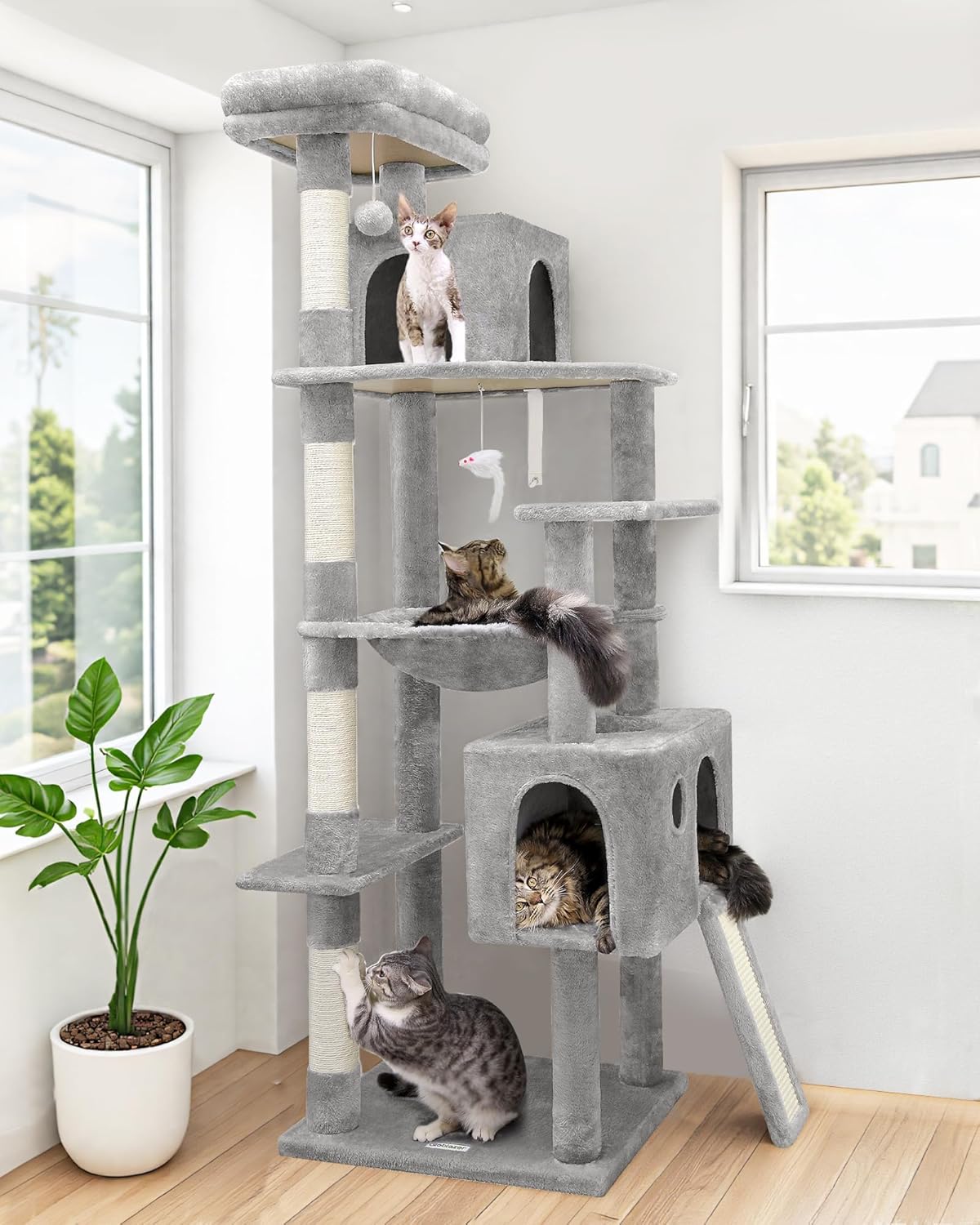
Cats are not small dogs. While dogs evolved on the ground, cats evolved as both predator and prey, and their survival strategy relies on vertical space. In the wild, cats climb trees to escape predators, survey their territory, and ambush prey. Indoor cats retain these instincts, and when they lack vertical territory, they channel their climbing energy onto curtains, bookshelves, and furniture.
The cat tree market in 2026 offers considerable variety: ceiling-height towers for active climbers, compact condo units for apartments, modular systems that grow with your cat, and furniture-grade pieces designed for modern homes. With prices ranging from $30 to $800, choosing the right cat tree requires understanding what your cat actually needs.
This guide draws on published veterinary behavior guidance, manufacturer specifications, and verified owner reports rather than hands-on testing. It explains what to look for and why, the trade-offs between materials, sizing considerations, safety, maintenance, and common mistakes. It is written as a reference for anyone shopping for a cat tree, condo, or activity center.
Why Vertical Territory Matters for Indoor Cats
Feline behavior specialists, including those writing for the Cornell Feline Health Center, consistently note that cats use height to manage stress and to observe their environment from a safe vantage point. A cat that can perch above the room often becomes more confident and less reactive. Without that option, cats may pace, over-groom, or redirect scratching and climbing onto furniture. A cat tree is not a luxury; it is environmental enrichment that addresses a biological need.
Vertical space also matters for multi-cat homes. When cats share a household, they negotiate access to resources such as food, litter, and resting spots. Providing multiple elevated perches reduces competition and gives each cat a place to retreat. A single tall tree with several levels can serve this function, but in homes with three or more cats, multiple trees or modular systems are often recommended.
Scratching is a separate but related need. Cats scratch to maintain claw health, mark territory, and stretch. A tree with appropriate scratching surfaces channels this behavior away from sofas and curtains. The material of the scratching surface matters: sisal rope and sisal fabric are generally preferred over carpet, which can encourage cats to scratch other carpeted surfaces in the home.
Quick Comparison Table
| Product | Best For | Height | Levels | Material | Scratching Surface | Rating |
|---|---|---|---|---|---|---|
| Mau Lifestyle Cento | Premium / Furniture-Grade | 66 inches | 4 | Sustainable Wood | Sisal Wrapped | 5 stars |
| Feandrea 72-Inch Cat Tree | Large / Multi-Cat Homes | 72 inches | 6 | Engineered Wood | Sisal + Carpet | 5 stars |
| Frisco 55-Inch Cat Tree | Budget / Starter | 55 inches | 3 | Particle Board | Plush Carpet | 4 stars |
| Mau Lifestyle Quest | Ceiling-Mounted | Custom up to 120 inches | 4+ | Aluminum + Wood | Sisal + Rope | 5 stars |
| Armarkat 71-Inch | Tall / Active Climbers | 71 inches | 5 | Natural Wood | Sisal + Rope | 5 stars |
| PetPals Modern Cat Condo | Design / Small Spaces | 35 inches | 2 | MDF + Faux Wood | Carpet | 4 stars |
| Catry Extra Large Cat Tree | Large / Multiple Cats | 63 inches | 5 | Engineered Wood | Sisal + Plush | 5 stars |
| Vesper Cat Furniture | Modern Design | 52 inches | 3 | Particle Board + Faux Wood | Sisal Boards | 4 stars |
| Ailuki Real Cat Tree | Natural Design / Heavy Cats | 60 inches | 4 | Natural Wood Trunk | Sisal + Real Wood | 5 stars |
| SmartCat Pioneer Climber | Minimalist / Modular | 49 inches | 2 | Sisal-Wrapped Post | Natural Sisal | 4 stars |
1. Mau Lifestyle Cento Cat Tower
Key Specifications
- Height: 66 inches
- Levels: 4 (2 perches, 2 cubbies)
- Material: Sustainable wood with non-toxic finish
- Scratching surface: Heavy-duty sisal-wrapped posts
- Weight capacity: Up to 30 lbs per level
- Best for: Design-conscious owners, premium quality
Pros
- Furniture-grade design fits most decor
- Sustainable wood construction is sturdy
- Thick sisal posts larger than standard diameters
- Removable and washable cushion covers
- Weighted base provides stability
Cons
- Premium price, among the most expensive in this category
- Some assembly required, though instructions are clear
- Limited cubby interior space for extra-large cats
- Not as tall as some ceiling-height models
The Mau Lifestyle Cento is a furniture-grade cat tower designed with Scandinavian-inspired aesthetics. It is intended to look like a piece of furniture rather than pet equipment. The sustainable wood frame is described by the manufacturer as rock-solid, and owner reports mention stability even with large cats launching onto the top perch. The thick sisal posts are wrapped by hand and are reported to withstand heavy scratching better than standard carpet-wrapped alternatives. At check the current price on Amazon, this tree costs more upfront but is reported to outlast several budget trees.
The removable cushion covers are a practical feature: they zipper off for machine washing, which addresses the odor problem common in carpeted cat trees. The angled perches allow cats to lounge at a preferred angle. The Cento Plus version adds an extra perch and scratching post, while replacement sisal post packs can extend the tree's life. This tower suits owners who want a piece that blends with home decor and who are willing to pay for materials and construction quality.
2. Feandrea 72-Inch Cat Tree
Key Specifications
- Height: 72 inches
- Levels: 6 (4 perches, 2 condos)
- Material: Engineered wood with anti-tip brackets included
- Scratching surface: Thick sisal rope + plush carpet
- Perch style: 2 flat, 2 bowl-style
- Best for: Multi-cat households, large breed cats
Pros
- Excellent height-to-price value, tallest in its price range
- Includes wall-anchoring brackets for safety
- Bowl-style perches prevent cats from falling during sleep
- Condos are large enough for two cats
- Thick sisal rope stands up to daily use
Cons
- Assembly takes 45 to 60 minutes
- Bulky footprint requires dedicated floor space
- Hanging toys detach too easily
- Artificial wood grain finish is noticeable up close
The Feandrea 72-Inch Cat Tree delivers height and features at a mid-range price. Six levels of climbing, perching, and hiding give multiple cats room to claim their own territory. The bowl-style perches are a standout feature: they cradle sleeping cats securely, which can reduce accidental falls that are more common with flat perches. Owner reports from multi-cat households describe immediate use and few territorial disputes after installation.
The included wall-anchoring brackets are important for a tree this tall. Manufacturer instructions and safety guidance generally recommend using them, and owner reports note a significant difference in stability with anchors installed. The two condos are generously sized at 16 by 16 inches each, comfortably accommodating most adult cats. The Feandrea 63-inch version is a good alternative for smaller spaces, while the replacement sisal post kit refreshes worn scratching surfaces. This tree suits larger homes with multiple cats and owners who do not mind a longer assembly process.
3. Frisco 55-Inch Cat Tree
Key Specifications
- Height: 55 inches
- Levels: 3 (1 perch, 1 condo, 1 hammock)
- Material: Particle board with plush carpet covering
- Scratching surface: Carpet (no sisal posts)
- Weight capacity: Up to 15 lbs per level
- Best for: Budget buyers, kittens, starter trees
Pros
- Most affordable cat tree with good height
- Lightweight and easy to move
- Hammock is often a favorite with cats
- Quick assembly under 20 minutes
- Good starter tree for new cat owners
Cons
- Carpet covering sheds fuzz initially
- Not stable enough for large or energetic cats
- No sisal scratching posts; cats scratch the carpet
- Weight limit too low for heavy breeds
The Frisco 55-Inch Cat Tree is a budget option that offers three levels: a perch, an enclosed condo, and a hammock. For under $50, it provides essential vertical territory for kittens and small cats. Owner reports frequently mention that the hammock is occupied quickly after setup. The plush carpet covering is soft on paws and acceptable for a starter tree. However, the lack of sisal scratching posts means cats will scratch the carpeted surfaces, which accelerates wear.
This tree is best suited for kittens and small cats under 12 pounds. Larger cats may make it wobble during active play. The particle board construction is adequate for light use but may not survive rough play long-term. For the price, it works as a starter tree that can be upgraded later. The Frisco 66-inch model includes actual sisal posts for a modest price increase. This option suits budget-conscious owners or those testing whether their cat will use a tree before investing in a larger model.
4. Mau Lifestyle Quest Ceiling Cat Tree
Key Specifications
- Height: Adjustable up to 120 inches (10 feet)
- Levels: 4+ (multiple platform configurations available)
- Material: Anodized aluminum poles + sustainable wood platforms
- Scratching surface: Sisal rope-wrapped poles
- Mounting: Ceiling pressure-mount (no drilling required)
- Best for: Tall rooms, active climbers, ceiling-to-floor use
Pros
- Uses vertical space that would otherwise go unused
- Ceiling pressure-mount system is sturdy and non-destructive
- Modular platforms can be repositioned
- Aluminum poles are lightweight yet strong
- Wood platforms have non-slip surfaces
Cons
- Very expensive, especially with multiple platforms
- Requires standard 8 to 10 foot ceilings
- Pressure-mount can damage ceiling paint
- No enclosed condos; open platforms only
The Mau Lifestyle Quest reimagines what a cat tree can be by using ceiling-to-floor tension instead of a floor footprint. This is ideal for small apartments where floor space is precious: the Quest occupies roughly 12 square inches of floor space while providing 10 feet of vertical climbing. The anodized aluminum poles resist scratching and look sleek, while the sustainable wood platforms offer multiple lounging options. Owner reports from active climbers describe hours of use, with cats zipping from platform to platform.
For most cats, at least three platforms are recommended, spaced to allow comfortable jumps of 12 to 18 inches between levels. The sisal-wrapped poles satisfy scratching instincts while climbing. For multiple cats, adding the Quest expansion kit provides additional platforms. The hammock attachment adds a nap spot. This tree suits owners with tall ceilings and limited floor space who want a modular, design-forward solution.
5. Armarkat 71-Inch Cat Tree
Key Specifications
- Height: 71 inches
- Levels: 5 (3 perches, 2 condos)
- Material: Natural birch wood + plush carpet
- Scratching surface: Thick sisal rope throughout
- Base: 24 by 24 inch weighted base
- Best for: Active climbers, large rooms
Pros
- Natural wood construction is more durable than particle board
- Thick sisal rope wrapping on all posts
- Weighted base provides stability
- Condos with elevated entrances feel secure
- Large perches accommodate bigger cats
Cons
- Heavy; takes two people to move
- Carpet covering is tan or beige and shows dirt
- Assembly requires two people
- More expensive than comparable engineered wood models
The Armarkat 71-Inch Cat Tree combines natural birch wood construction with thick sisal rope wrapping that is reported to hold up well. The 24-inch weighted base provides stability; owner reports mention that even large climbers do not tip it. The condos feature elevated entrances, giving cats a true hidden space inside the structure. Natural wood construction means this tree is less likely to bow or sag than particle board alternatives.
The thick sisal rope posts are reported to be a preferred scratching surface, with cats choosing them over carpet and even vertical cardboard scratchers. After weeks of daily use, the sisal typically shows only minor fraying. The Armarkat 54-inch version works better for smaller rooms, while the replacement post kit swaps out worn sisal sections. This tree suits owners with large rooms and active cats who want a durable, natural-wood option.
6. PetPals Modern Cat Condo
Key Specifications
- Height: 35 inches
- Levels: 2 (1 perch, 1 cubby)
- Material: MDF with faux wood veneer
- Scratching surface: Integrated carpet scratching ramp
- Design: Cube-shaped, side entrance
- Best for: Small spaces, single cats, apartments
Pros
- Compact footprint fits in small apartments
- Faux wood finish looks better than carpeted alternatives
- Side entrance cubby feels den-like and secure
- Top perch with raised rim prevents falls
- Lightweight and portable
Cons
- Too small for multi-cat homes
- No true sisal scratching surface
- MDF is vulnerable to moisture damage
- Not tall enough for active climbing
The PetPals Modern Cat Condo is designed for small apartments where a 6-foot cat tree would be overwhelming. Despite its compact 35-inch height, it provides vertical territory with a top perch and enclosed cubby. The faux wood veneer makes it look like a piece of decor rather than a pet product. Owner reports from single-cat households describe cats claiming the cubby as a nap spot. The integrated carpet ramp provides basic scratching, though heavy scratchers will want an additional sisal post.
This unit works best as a supplement to a larger cat tree or for owners with limited floor space. The top perch features a raised rim that keeps cats feeling secure while napping. The MDF construction is adequate but should be kept away from water bowls and humid areas. Adding a dedicated sisal scratching post nearby can prevent the carpet from being shredded. This condo suits apartment dwellers with one cat or as a secondary piece in a larger home.
7. Catry Extra Large Cat Tree
Key Specifications
- Height: 63 inches
- Levels: 5 (3 perches, 2 condos)
- Material: Engineered wood with plush fabric covering
- Scratching surface: Heavy-duty sisal rope posts
- Perch size: Up to 18 by 14 inches
- Best for: Large cats, multiple cats, heavy users
Pros
- Extra-wide perches accommodate multiple cats
- Condos are large enough for Maine Coons
- Thick sisal rope posts resist fraying
- Weight capacity of 22 lbs per level
- Included toy attachments are durable
Cons
- Heavy and bulky to assemble
- Plush fabric covers are not removable for washing
- Instructions are entirely pictorial, no text
- Takes up significant floor space
The Catry Extra Large Cat Tree is built for big cats. With perches up to 18 inches wide and condos that comfortably house 20-pound Maine Coons, this tree does not cut corners on space. The heavy-duty sisal rope posts are among the thickest available at 3.5 inches in diameter, providing a scratching surface that is reported to last. Owner reports from multi-cat households with large cats describe little crowding or conflict, with a perch always available.
The main drawback is the non-removable plush covering, which means spot cleaning is the only option. For homes with shedding cats, a lint roller becomes essential. The engineered wood construction feels solid, and the base is wide enough to prevent tipping even with an aggressive pounce. The Catry 48-inch version fits smaller spaces while retaining the wide perches. This tree suits owners with large breeds or multiple cats who need generous perching space.
8. Vesper Cat Furniture
Key Specifications
- Height: 52 inches
- Levels: 3 (2 perches, 1 cubby)
- Material: Particle board with high-gloss faux wood finish
- Scratching surface: Replaceable sisal boards
- Design: Mid-century modern aesthetic
- Best for: Modern decor, living room placement
Pros
- Mid-century modern design
- Replaceable sisal scratching boards extend product life
- High-gloss finish wipes clean easily
- Low-profile design fits under windows
- Assembly is relatively quick
Cons
- Particle board is less durable than solid wood
- Only 52 inches tall; not for active climbers
- Cubby entrance might be small for large cats
- Premium price for particle board construction
Vesper cat furniture brings mid-century modern aesthetics to the cat tree category. The high-gloss faux wood finish in walnut or white options looks elegant in a living room. The replaceable sisal scratching boards are a thoughtful design element: simply slide out the worn board and click in a replacement. Owner reports mention that cats appreciate the cubby's hidden nook, though the entrance is tight for cats over 15 pounds.
The high-gloss surface resists fur better than carpeted trees; a simple wipe-down removes most hair. However, the particle board construction means this tree may not last as long as solid wood alternatives. The 52-inch height is adequate for small-to-medium cats but will not satisfy high-energy climbers. The Vesper V-PLUS model adds an extra platform for more climbing options. This furniture suits owners who prioritize design and easy cleaning over maximum height and durability.
9. Ailuki Real Cat Tree
Key Specifications
- Height: 60 inches
- Levels: 4 (3 perches, 1 cubby)
- Material: Natural eucalyptus wood trunk + branches
- Scratching surface: Natural bark + sisal wrapped sections
- Base: Heavy metal base with non-slip pads
- Best for: Natural look, heavy cats, active climbers
Pros
- Real natural wood trunk is unique and beautiful
- Extremely stable; among the heaviest trees available
- Natural bark provides excellent scratching surface
- Metal base is weighted and has rubber grips
- Each tree is one-of-a-kind
Cons
- Very expensive natural wood craftsmanship
- Extremely heavy; requires two people to carry
- Natural bark sheds small pieces initially
- Each tree unique; cannot see exact configuration before purchase
The Ailuki Real Cat Tree is made from real eucalyptus wood trunks and branches, so each tree is entirely unique. The natural bark surface is what cats instinctively prefer to scratch over synthetic materials; owner reports frequently mention cats choosing the bark over nearby sisal posts. The heavy metal base ensures little wobble despite the tree's height. For owners who want a natural piece that doubles as home decor, this is unmatched.
The natural construction means the tree is very heavy; a 60-inch model weighs approximately 45 pounds. Make sure your floor can support it. The eucalyptus wood is naturally resistant to pests and decay, and the bark sections provide varied scratching surfaces. Over time, the bark develops a patina from claw marks. The Ailuki medium size works better for standard-height rooms. This tree suits owners who want a natural, sculptural piece and are prepared for its weight and cost.
10. SmartCat Pioneer Climber
Key Specifications
- Height: 49 inches
- Levels: 2 platform perches
- Material: Solid sisal-wrapped post + plywood platforms
- Scratching surface: Natural sisal (entire post)
- Design: Minimalist single-post with shelves
- Best for: Minimalist decor, dedicated scratchers, modular setups
Pros
- Complete sisal coverage; entire post is scratching surface
- Minimalist design fits any room without visual clutter
- Solid hardwood post will not sag like hollow alternatives
- Sisal replacement kit available
- Can be paired with additional units for modular setups
Cons
- Only two platforms limit multi-cat use
- No enclosed spaces for privacy-seeking cats
- Sisal can be rough on bare floors when shavings fall
- Not tall enough for ceiling-height catwalks
The SmartCat Pioneer Climber strips cat furniture down to essentials: a solid sisal-covered post with two platform perches. The full-sisal wrapping means your cat gets maximum scratching surface while enjoying vertical territory. Minimalist in design but highly functional, this tree satisfies both dedicated scratchers and climbing enthusiasts. Owner reports describe cats spending hours clawing the sisal post; the natural hemp texture is often preferred.
The modular design allows you to pair multiple Pioneer units to create custom configurations. Two units side-by-side create a multi-level playground, while placing one near a window provides an observation perch. The solid hardwood construction is significantly more durable than hollow particle board alternatives. The SmartCat sisal replacement kit refreshes worn posts, extending the product's life. This climber suits owners with a minimalist aesthetic and cats that need a dedicated scratching station.
How to Choose the Right Cat Tree
1. Height and Vertical Space
Cats value height more than any other feature. A cat tree should reach within 6 to 12 inches of your ceiling for maximum territorial benefit. For standard 8-foot ceilings, a 66 to 72-inch tree is ideal. For smaller rooms, even a 48-inch tree is better than nothing, but prioritize height over width. Ceiling-mounted trees like the Mau Quest are excellent for rooms where floor space is limited.
2. Consider Your Cat's Personality
Active climbers need tall structures with spaced platforms for jumping. Nervous cats prefer trees with enclosed cubbies or condos where they feel hidden. Senior cats need lower platforms with gentle step spacing. Multiple cats require enough perches and cubbies to prevent competition. Watch your cat's behavior and match the design accordingly.
3. Scratching Surface Quality
Sisal rope or sisal fabric is the best scratching material; cats prefer it over carpet and it is more durable. Look for thick sisal wrapping (at least 3mm thick) on posts at least 3 inches in diameter. Cardboard scratchers are effective but need frequent replacement. Avoid carpet-covered trees unless supplemented with sisal posts.
4. Stability Is Non-Negotiable
An unstable cat tree will terrify your cat and potentially injure them. Look for a weighted base, wall-anchoring brackets (included with many models), and solid wood construction over particle board. Test the tree before your cat climbs on it: if you can make it wobble, your cat definitely will. Published safety guidance from veterinary sources consistently recommends anchoring tall furniture to the wall.
5. Materials and Maintenance
Solid wood is the most durable but heaviest. Engineered wood with quality laminate is a good compromise. Particle board is affordable but degrades over time. Choose trees with removable, machine-washable cushion covers. Avoid plush fabrics that cannot be washed; they trap odors and require spot cleaning only.
6. Sizing for Your Cat
Perch size matters as much as tree height. A perch should be large enough for your cat to lie down fully stretched out. For average cats, a perch at least 15 inches in diameter is recommended; for large breeds such as Maine Coons, look for perches 18 inches or wider. Condo entrances should be at least 8 inches wide for average cats and 10 inches for large breeds. Weight capacity per level should exceed your cat's weight by a comfortable margin; a 20-pound cat needs a level rated for at least 25 pounds.
7. Placement in the Home
Place the cat tree in a room where the family spends time, not in a back bedroom. Cats want to be near social activity while still having the option to retreat. Placing a tree near a window provides entertainment and a lookout. Avoid placing it next to a heat source or in a drafty area. In multi-cat homes, place trees so that no cat can be cornered; multiple escape routes reduce tension.
8. Common Mistakes to Avoid
Buying a tree that is too small for a growing kitten is a common mistake; kittens become cats within a year. Another is skipping wall anchors on tall trees. Some owners choose a tree based on color matching rather than stability and scratching surface, then find it wobbly or shredded within months. Others place the tree in a low-traffic area and wonder why the cat ignores it. Finally, do not assume a cat will use a new tree immediately; give it time and encourage use with catnip or treats.
Safety Considerations
Cat trees are generally safe, but a few precautions matter. Tall trees should be anchored to the wall using the included brackets or aftermarket straps. Check bolts and screws periodically; vibration from jumping can loosen them. Inspect sisal and carpet for loose threads that could entangle claws. If a tree has small dangling toys, ensure they are securely attached and free of small parts that could be swallowed. For cats that chew, avoid trees with glued-on decorations that might detach. The ASPCA Animal Poison Control notes that some adhesives and treated woods can be hazardous if ingested, so choose products with non-toxic finishes.
Senior cats and cats with arthritis may struggle with high jumps. Provide ramps or place the tree near furniture that acts as a stepping stone. If your cat has a medical condition, consult your veterinarian before encouraging climbing. The Merck Veterinary Manual cat owner reference is a useful resource for understanding mobility issues in aging cats.
Maintenance and Longevity
Regular maintenance extends the life of a cat tree. Vacuum carpeted surfaces weekly to remove hair and dander. Spot clean stains with a pet-safe cleaner. For removable covers, follow the manufacturer's washing instructions. Inspect sisal posts monthly; when they become frayed or loose, replace them if replacement parts are available. Tighten hardware every few months. Rotate the tree slightly if one side receives more scratching, to even out wear. With care, a quality tree with replaceable components can last 5 to 10 years, while budget particle board trees typically last 1 to 3 years.
Frequently Asked Questions (FAQ)
Q: How tall should a cat tree be?
A: Ideal height is within 6 to 12 inches of your ceiling. Standard 8-foot ceilings work with 66 to 72-inch trees. Higher is generally better for cats, as vertical territory correlates with confidence and reduced stress.
Q: Can a cat tree be too tall?
A: As long as the tree is properly secured with wall anchors, there is no strict height limit. Senior cats or cats with mobility issues may benefit from shorter trees with ramps, but healthy cats of all ages enjoy height.
Q: How do I get my cat to use a new cat tree?
A: Rub catnip on the perches and cubbies. Place treats or toys on upper platforms. Move the tree near a window for bird-watching. If your cat is hesitant, start by placing the tree next to a favorite piece of furniture and gradually move it to its permanent location.
Q: How long do cat trees typically last?
A: Quality cat trees with solid wood construction and replaceable components can last 5 to 10 years. Budget particle board trees typically last 1 to 3 years. The sisal scratching surfaces usually wear out first; look for trees that offer replacement parts to extend life.
Q: Should I get a cat tree with condos or open perches?
A: The best trees have both. Condos provide security for nervous cats and deep sleepers. Open perches satisfy curious cats who want to observe their territory. Look for a mix of enclosed and open spaces on trees with four or more levels.
Q: How many cat trees does a multi-cat household need?
A: A general rule is one more tree than you have cats. A three-cat household needs at least four separate vertical spaces, which can be multiple trees or individual perches. The goal is to prevent resource guarding and encourage harmonious use.
Final Verdict: Which Cat Tree Should You Buy?
- Best premium: Mau Lifestyle Cento, a furniture-grade piece with sustainable wood and hand-wrapped sisal.
- Best tall tower: Feandrea 72-Inch, offering height and features at a mid-range price.
- Best budget: Frisco 55-Inch, under $50 with three levels and a hammock.
- Best space-saver: Mau Lifestyle Quest, ceiling-to-floor climbing with minimal floor footprint.
- Best for active climbers: Armarkat 71-Inch, natural wood, thick sisal, and solid stability.
- Best for large cats: Catry Extra Large, oversized perches and condos for big breeds.
- Best design: Vesper Cat Furniture, mid-century modern with replaceable sisal boards.
- Best natural: Ailuki Real Tree, real eucalyptus wood, unique, and bark that cats enjoy.
- Best minimalist: SmartCat Pioneer Climber, full-sisal post, modular, and fits most decor.
Remember: cat trees are not optional for indoor cats. They are essential equipment for physical and mental health. A proper cat tree prevents furniture destruction through appropriate scratching, provides necessary exercise through climbing, and reduces stress through vertical territory. Match the tree to your cat's age, activity level, and living space, and you will have a happier, healthier feline companion.
Affiliate Disclosure: PawCritic is a participant in the Amazon Services LLC Associates Program, an affiliate advertising program designed to provide a means for us to earn advertising fees by linking to Amazon.com and affiliated sites. We only recommend products we genuinely believe in. Purchases made through our links help support our independent reviews at no extra cost to you. Thank you for your support!
Last updated: June 23, 2026. Prices and availability are subject to change. Always verify current pricing on Amazon before purchasing.