Best Cat Heating Pads and Warming Beds 2026: Cozy Warmth for Senior and Short-Hair Cats
Published on June 25, 2026 by the PawCritic Editorial Team — Cats
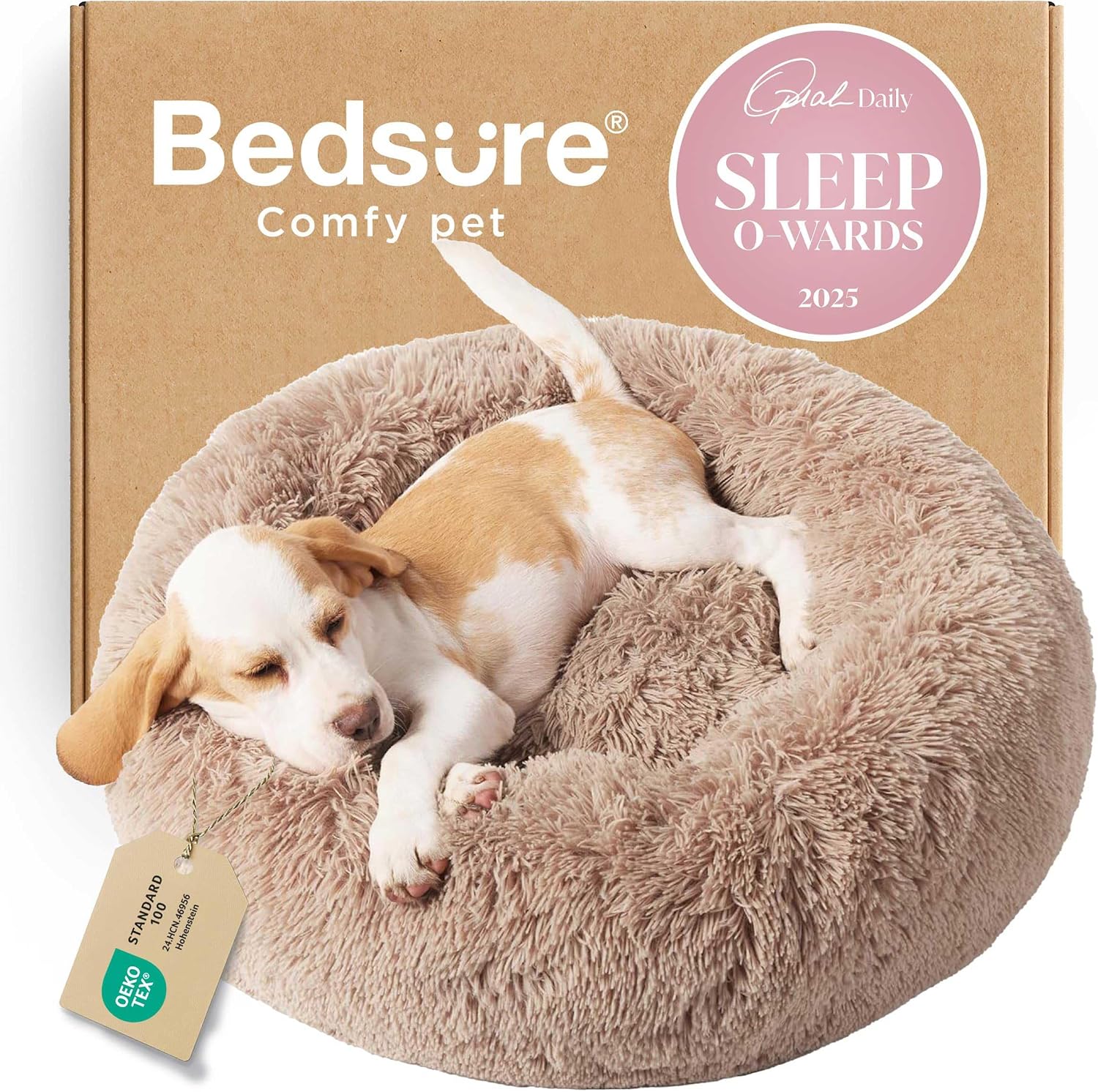
Cats seek warmth instinctively. The normal feline body temperature runs between 100.5 and 102.5 degrees Fahrenheit, and the Merck Veterinary Manual cat owner reference notes that cats lose body heat faster than humans relative to their surface area. That biological reality explains why a cat will abandon a perfectly good sofa cushion for a patch of sun on the floor, a warm laptop, or a lap under a blanket. It also explains why warming products have become a standard category in feline care rather than a novelty.
Two groups of cats benefit most from supplemental warmth. Senior cats, generally those ten years and older, frequently deal with arthritis, joint stiffness, and reduced circulation, and the Cornell Feline Health Center lists degenerative joint disease as one of the most underdiagnosed conditions in older cats. Short-hair and hairless breeds such as Siamese, Sphynx, Devon Rex, and Cornish Rex lack the dense insulating undercoat that keeps other cats comfortable, so they feel cold sooner and seek warmth more aggressively.
This buying guide covers the three warming technologies sold for cats in 2026, the specifications that actually matter, the safety standards to check before purchase, and the maintenance realities that determine whether a product lasts. It is written from published guidance, manufacturer documentation, and verified owner reports rather than hands-on measurement. Where a specific product is referenced, it is offered as one concrete example of its category so readers can see how the specifications translate into a real listing.
The Three Warming Technologies Explained
Self-warming beds use a layer of Mylar or aluminized film sandwiched between fabric layers. The film reflects the cat's own radiant body heat back toward the animal. There is no cord, no plug, and no electrical component of any kind. Manufacturer specifications for these products typically describe a temperature rise of roughly four to eight degrees Fahrenheit above ambient air once a cat is lying on the surface. The trade-off is obvious: the pad is only warm while the cat is on it, and the effect is modest. The upside is that self-warming pads are the only category that can be left in place indefinitely with no supervision concerns, which makes them the default recommendation for kittens, cats with pica or chewing habits, and any household where an outlet is not conveniently located.
Electric heated pads and beds use a low-voltage heating element, usually 12-volt DC, running through a controller that regulates output. Pet-specific electric products are designed to hold a surface temperature near 102 degrees Fahrenheit, which approximates feline body temperature. These products provide consistent warmth regardless of whether the cat has just arrived, which is why they are the category most often recommended for arthritic seniors and for insulated outdoor cat houses. The trade-offs are cost, the need for an outlet, and the requirement that the owner read and follow the manufacturer's supervision and cleaning instructions carefully.
Microwavable heating discs are sealed packs filled with gel, clay, or grain that are heated in a microwave and placed inside a bed or cover. They deliver portable warmth for several hours and require no electricity. The limitations are real: heat output declines steadily, reheating times vary by microwave wattage, and uneven heating can create hot spots. Most manufacturers instruct owners to knead the disc after heating and to test it against a wrist before placing it with an animal. Because of the hot-spot risk, microwavable discs are best suited to short, supervised sessions rather than overnight use.
Quick Comparison Table
| Product | Best For | Type | Heat Source | Max Temp | Auto Shutoff | Washable | Rating |
|---|---|---|---|---|---|---|---|
| K&H Self-Warming Cat Bed Pad | Overall Self-Warming | Self-Warming Pad | Body Heat Reflection | Ambient +8°F | N/A (No Electricity) | Yes | ★★★★★ |
| INVENHO Heated Cat Bed | Best Electric Pad | Electric Heating Pad | Low-Voltage Electric | 122°F | Yes (12hr + 24hr) | Yes | ★★★★★ |
| K&H Thermo-Kitty Heated Cat Bed | Best Premium Electric | Electric Heated Bed | Low-Voltage Electric | 102°F | Yes (Internal Thermostat) | Yes (Removable Cover) | ★★★★★ |
| Furhaven ThermaNAP Self-Warming Bed | Best Self-Warming Bed | Self-Warming Quilted | Body Heat Reflection | Ambient +6°F | N/A (No Electricity) | Yes | ★★★★★ |
| WanpeeGoo Self Warming Cat Bed | Budget Self-Warming | Self-Warming Foil | Thermal Foil Reflection | Ambient +7°F | N/A | Yes | ★★★★☆ |
| Bedsure Round Cat Bed | Budget Donut Bed | Donut Bed (No Heat) | Insulation Only | Ambient | N/A | Yes | ★★★★☆ |
| Letalong Leaf Cat Bed Pad | Unique Design | Self-Warming Cotton | Thick Cotton Insulation | Ambient +4°F | N/A | Yes (Spot Clean) | ★★★★☆ |
| Tierecare Calming Cat Blanket | Anxiety + Warmth | Fleece Blanket | Insulation Only | Ambient | N/A | Yes | ★★★★☆ |
Self-Warming Pads and Beds
K&H Self-Warming Cat Bed Pad — The Category Reference Point
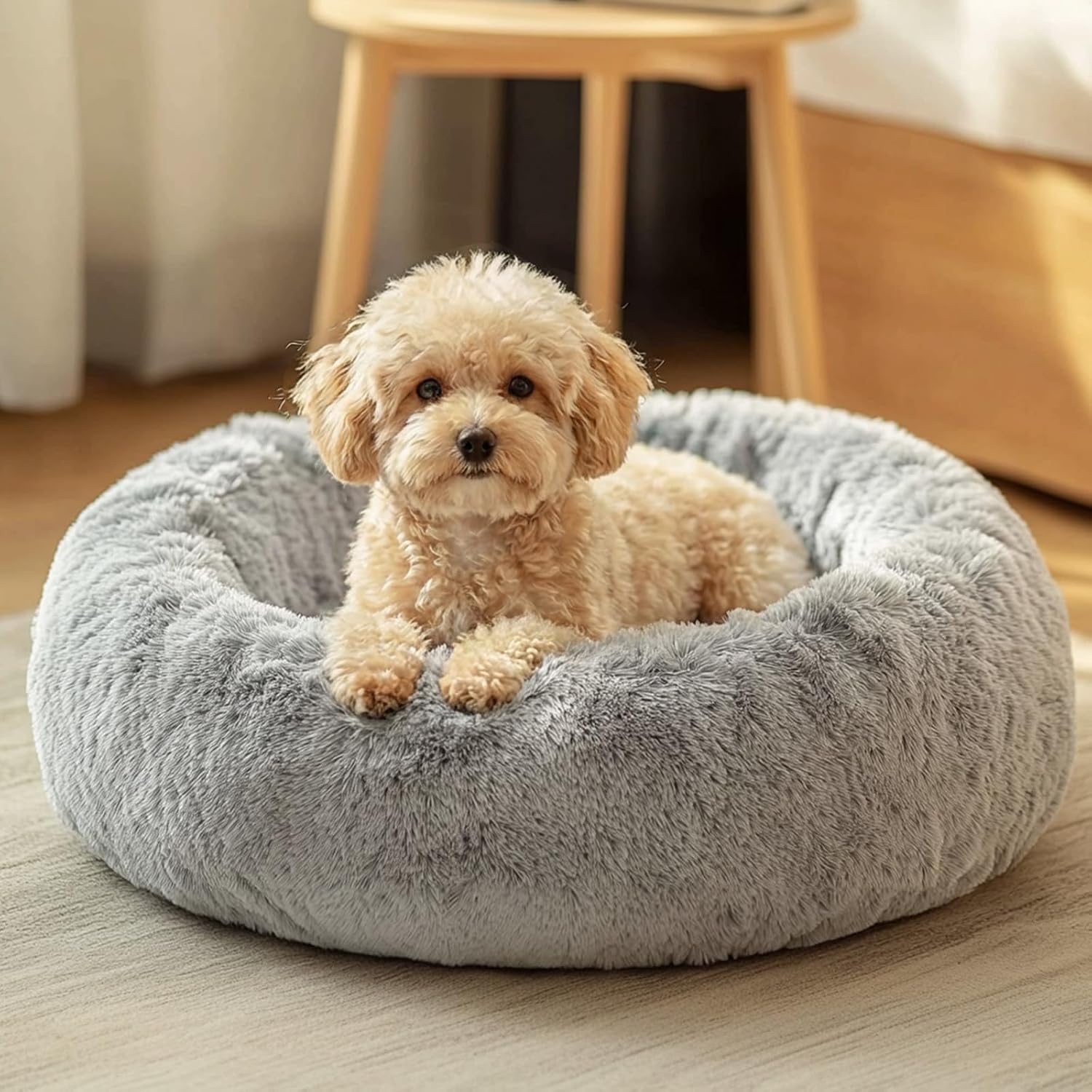
The K&H Self-Warming Cat Bed Pad is the most widely cited example of the self-warming category, and it illustrates the specification pattern buyers should expect. It uses a polyester outer fabric over a Mylar thermal reflective inner layer, is available in roughly 21 by 17 inch and 25 by 21 inch sizes, and is machine washable with air drying recommended. The pad is reversible, with fleece on one face and a smoother velour on the other, and it has a non-slip backing. Because it contains no electrical components, there is nothing to plug in and nothing to fail.
Who it suits: households that want warmth without any electrical risk, owners of kittens or cats that chew cords, and anyone who wants a thin pad that can be slipped inside an existing bed, carrier, or cat house. The trade-off is honest and worth stating plainly. The warming effect is modest, generally described as a few degrees above room temperature, and it depends entirely on the cat's body heat being reflected back. A cat that steps off the pad feels no residual warmth, and in a genuinely cold room the pad will not compensate. Owners who need reliable heat for an arthritic senior in a cool house should look at the electric category instead.
check the current price on Amazon
Furhaven ThermaNAP Self-Warming Bed — Bolstered and Plush
The Furhaven ThermaNAP takes the same reflective-layer principle and builds it into a quilted bed with raised bolsters on three sides. The outer surface is a faux fur, and the thermal reflective layer sits beneath the quilting. Sizes run from small through jumbo, which matters for owners of Maine Coons or multi-cat households where two animals share a sleeping spot. The cover is removable and machine washable, and the base is non-slip.
Who it suits: cats that like to nestle against a raised edge, and owners who want a self-warming product that looks like a conventional bed rather than a flat mat. The trade-off is the modest warming effect, roughly six degrees above ambient by manufacturer description, plus the maintenance reality that faux fur collects loose hair and requires more frequent washing than a smooth fabric. Owners also report that removing and refastening the cover takes some patience.
WanpeeGoo Self Warming Cat Bed — Budget Self-Warming
The WanpeeGoo pad is a compact self-warming mat, roughly 15 by 19 inches, built around a thermal foil layer beneath a plush polyester surface. It is lightweight, has a non-slip base, and is machine washable. At a price point under twenty dollars it functions as a low-risk way to find out whether a particular cat will use a warming product at all before spending more on an electric model.
Who it suits: budget-conscious owners, foster households equipping multiple cats, and anyone warming a spot inside a carrier or crate. The trade-offs are a thinner construction than premium self-warming pads, a single available size, and owner reports that the foil layer can crease or shift after repeated washing cycles, which gradually reduces the reflective performance.
Letalong Leaf Cat Bed Pad — Design-Led Cotton Warming Pad
The Letalong pad is a leaf-shaped cotton mat, approximately 30 by 20 inches in its enlarged version, filled with thick cotton rather than a reflective film. Its warmth comes from insulation, trapping the cat's body heat in the loft of the filling. The shape is the selling point: it drapes over furniture and reads as a decorative throw rather than pet equipment.
Who it suits: owners who want a warming pad that fits a visible living space, and larger cats or bonded pairs that share a sleeping area. The trade-offs are significant. There is no reflective layer, so the warming effect is the weakest in this roundup, roughly four degrees above ambient at best. The care instructions call for spot cleaning or gentle hand washing rather than machine washing, and the cotton filling compresses over months of use, which reduces both loft and insulation.
Electric Heated Pads and Beds
INVENHO Heated Cat Bed — Adjustable Electric Warmth
The INVENHO heated bed pairs a low-voltage electric element with a digital controller, offering an adjustable range that runs from roughly 86 to 122 degrees Fahrenheit in five-degree increments and timer settings at four, eight, twelve, and twenty-four hours. The inner layer is waterproof, the fleece cover is removable and machine washable, and the cord is described by the manufacturer as chew-resistant. Sizes run from about 18 by 16 inches up to 30 by 24 inches.
Who it suits: owners of arthritic seniors who need reliable, adjustable heat, and households heating an insulated outdoor cat house where ambient temperatures fluctuate. The trade-offs are the need for an outlet near the sleeping spot, a controller with enough settings that some owners find the manual necessary, and a maximum temperature high enough that the lowest settings are the appropriate starting point for very small cats. Buyers should confirm the listing carries a recognized electrical safety certification before purchase.
K&H Thermo-Kitty Heated Cat Bed — Thermostat-Controlled Premium Option
The K&H Thermo-Kitty is the premium electric option in this category. Rather than offering adjustable settings, it uses an internal thermostat that holds the sleeping surface at approximately 102 degrees Fahrenheit, matching feline body temperature. Power draw is listed at six watts for the small size and ten watts for the large, which is negligible over a month of continuous use. The base contains orthopedic foam, the cover is removable and machine washable, and the design is splash-proof rather than waterproof. Sizes are roughly 15 by 15 inches and 20 by 20 inches.
Who it suits: senior cats with confirmed arthritis, and owners who prefer a fixed, thermostat-regulated temperature over manual adjustment. The trade-offs are the premium price, the fact that splash-proof construction is not suitable for wet outdoor exposure, and the absence of user-adjustable heat. The small size is genuinely sized for cats rather than small dogs.
Non-Heated Beds That Still Help
Bedsure Round Cat Bed — Insulated Donut Bed
The Bedsure round bed contains no heating element and no reflective layer. Its contribution to warmth is insulation: thick polyester padding lifts the cat off a cold floor and a raised rim traps air around the curled body. It is available in roughly 20 and 24 inch diameters, has a non-slip base, and is machine washable.
Who it suits: budget buyers, kittens, and cats that already sleep curled in a ball and simply need a warmer surface beneath them. The trade-offs are that it provides no active or reflective warmth, the padding compresses over time, and the fabric is not waterproof, so accidents soak through to the floor beneath.
Tierecare Calming Cat Blanket — Warmth Plus Comfort
The Tierecare blanket is a plush fleece throw sold in a two-pack, each roughly 18 by 22 inches. It provides warmth through insulation and through the behavioral effect of soft texture, which many owners report helps anxious cats settle. The blankets are machine washable and dry quickly, and they can be placed in carriers, crates, or on top of an existing bed.
Who it suits: new kittens, cats adjusting to a new home, and households that want an inexpensive, portable layer of warmth that can be rotated between locations. The trade-offs are that fleece is thin, offers limited insulation against a cold floor, attracts loose hair aggressively, and is not warm enough on its own for a senior cat in a cool house.
How to Choose the Right Warming Product
Match the Technology to the Cat
The single most useful decision is matching technology to the animal rather than to the price. Kittens, cats with a history of chewing cords, and any cat left alone for long stretches are best served by a self-warming pad, because there is no electrical component to fail or be damaged. Arthritic seniors and cats in cool rooms need the consistent output of an electric product, and the thermostat-controlled designs that hold near 102 degrees Fahrenheit are the closest match to feline physiology. Microwavable discs suit travel, carrier use, and short supervised sessions, but the hot-spot risk and the declining heat curve make them a poor fit for overnight warmth.
Safety Specifications That Matter
For any electric product, look for a recognized electrical safety listing from a testing organization, an internal thermostat that caps surface temperature, a low-voltage element, a chew-resistant cord, and an auto-shutoff timer. Human heating pads should never be used for cats. Consumer-grade human pads are designed for a species with a higher tolerance for surface heat and can reach temperatures well above what a cat's skin can safely tolerate, particularly because a cat lying on a warm surface may not move away before damage occurs. Pet-specific products are engineered around a lower ceiling for exactly this reason. The ASPCA Animal Poison Control also advises keeping cords and any heating device out of reach of animals that chew, since electrical injury and ingestion of cord fragments are both genuine risks.
Sizing
Size the product so the cat can stretch out or curl without hanging off the edge, but not so large that warmth disperses across unused surface. For self-warming pads, a mat slightly larger than the curled cat is ideal because the reflective layer works best when the animal covers most of it. For electric beds, the sleeping surface should accommodate the cat's full length when stretched, since arthritic cats need to change position without leaving the warm zone. Owners of large breeds such as Maine Coons should measure their cat nose to tail base before ordering, because many beds marketed as large are sized for an average domestic shorthair.
Placement
Warmth is only useful if the cat will use it. Place the product in a quiet, draft-free spot the cat already chooses for sleep, not in a high-traffic area where the animal is repeatedly disturbed. For outdoor cats, the pad belongs inside an insulated shelter rather than exposed, since a heating element in open air loses most of its output to the environment. Keep electric cords routed behind furniture where possible and secured so they cannot be pulled or chewed.
Cleaning and Longevity
Self-warming pads are generally fully machine washable, though air drying preserves the reflective layer better than a heated dryer cycle. Electric pads should have a removable cover that can be washed separately; the heating element itself should never be submerged, and the unit should be unplugged before any cleaning. Cotton-filled pads frequently require spot cleaning only, which is a meaningful long-term inconvenience in a multi-cat household. Checking the care instructions before purchase is a better predictor of satisfaction than any marketing claim.
Common Mistakes to Avoid
- Buying a human heating pad because it is cheaper. The temperature ceiling is wrong for cats and the risk of burn injury is real.
- Assuming a warmer product is a better product. Cats will avoid a surface that is too hot, and an ignored bed provides no benefit at all.
- Placing a heated bed in a draft. Moving air pulls heat away from the surface faster than the element can replace it.
- Using a self-warming pad outdoors in winter. Without the cat's body heat and without an insulating enclosure, the reflective layer has nothing to reflect.
- Washing an electric pad without removing the heating element, or drying a self-warming pad on high heat and degrading the reflective film.
- Ignoring a cat's reluctance. If a cat avoids a new bed for more than a week, the cause is usually temperature, texture, or location, and each is correctable.
- Overlooking the litter box and water intake. The AAFCO pet food standards and general veterinary guidance both emphasize that environmental changes, including new bedding, can affect a cat's routine. Watch for changes in appetite, drinking, or litter box use after introducing any new product.
Frequently Asked Questions
Are electric heating pads safe for cats?
Pet-specific electric pads are safe when used according to the manufacturer's instructions. The features that matter are a low-voltage element, an internal thermostat that limits surface temperature to roughly 102 to 110 degrees Fahrenheit, a chew-resistant cord, and an auto-shutoff timer. Human heating pads are not appropriate for cats because their maximum temperatures exceed what feline skin can tolerate.
Do cats actually use warming products?
Many do, and the reason is physiological rather than cosmetic. Cats seek warmth as a means of reducing the energy they spend on thermoregulation, and older cats with joint disease often seek it more persistently. Individual preference still varies widely by texture and location, which is why an inexpensive self-warming pad is a sensible first purchase before investing in an electric model.
Can a heating pad be left on overnight?
Self-warming pads contain no electrical components and can be left in place continuously. Electric pads with internal thermostats are generally designed for extended use, but models with auto-shutoff timers are the safer choice for overnight operation. Place the unit on a non-flammable surface and keep the cord secured and out of reach.
What is the best option for an outdoor cat?
An electric pad rated for the purpose, placed inside an insulated shelter, is the only configuration that reliably provides warmth in cold weather. Self-warming pads depend on the cat's own body heat and perform poorly in an already cold environment. Splash-proof construction is adequate for a covered shelter; waterproof construction is necessary only if the shelter is exposed to rain.
How warm should a cat heating pad get?
Pet-safe electric products are typically designed to hold a surface temperature near 102 degrees Fahrenheit, which approximates feline body temperature, with some adjustable models allowing higher settings. Self-warming pads add roughly four to eight degrees Fahrenheit above ambient air once the cat is lying on them. Any product that becomes uncomfortable against a human wrist is too hot for a cat.
Why does my cat ignore the new warming bed?
The usual causes are temperature, texture, and location. A surface that is too warm will be avoided, as will a bed placed in a noisy or brightly lit area. Some cats dislike particular fabrics. Moving the bed to a spot the cat already sleeps in, placing a worn item of clothing on it, or offering a treat on the surface often resolves the issue within a few days.
How should a cat heating pad be cleaned?
Self-warming pads are typically machine washable on a gentle cycle and should be air dried. Electric pads require removing the cover and washing it separately while wiping the heating element with a damp cloth; the element itself must never be submerged. Unplug electric units before cleaning. Cotton-filled pads often require spot cleaning only, which is worth confirming before purchase.
Final Thoughts
Warmth is a genuine welfare consideration for senior cats and for short-haired and hairless breeds, not a luxury accessory. The right choice depends less on brand than on matching technology to the cat: self-warming pads for safety and unsupervised use, electric products with thermostats and auto-shutoff for consistent heat and arthritic seniors, and microwavable discs for supervised, portable warmth. In every category, the specifications that matter are the temperature ceiling, the safety certification, the washability of the cover, and whether the size actually fits the cat. Owners who check those four things before buying, and who place the product where the cat already chooses to sleep, get far better results than owners who simply buy the warmest option available.
check the current price on Amazon
Affiliate Disclosure: PawCritic is a participant in the Amazon Services LLC Associates Program, an affiliate advertising program designed to provide a means for sites to earn advertising fees by linking to Amazon.com and affiliated sites. Purchases made through our links help support our independent research at no extra cost to you. Thank you for your support.
Last updated: June 25, 2026. Prices and availability are subject to change. Always verify current pricing on Amazon before purchasing.