Best Cat Water Fountains & Filters 2026: What Published Guidance and Owner Reports Say About Flowing Fountains
Published on July 20, 2026 by PawCritic — Cats Category
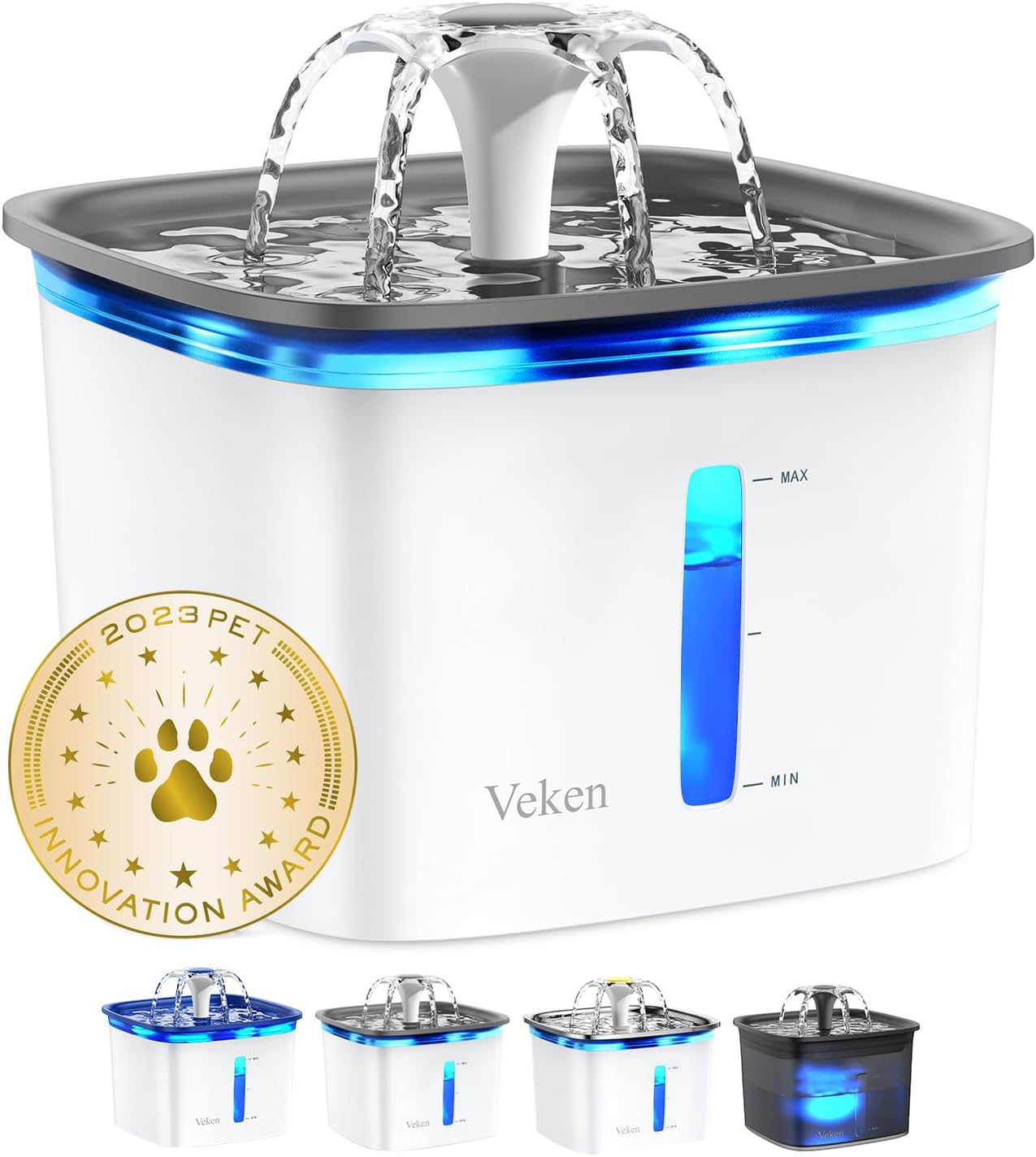
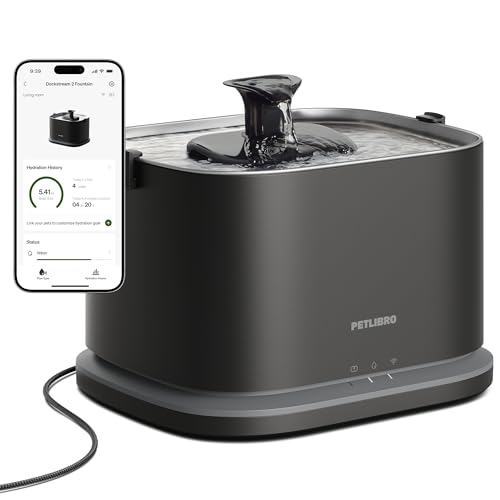
Anyone who lives with a cat knows the scene: you fill a fresh bowl with filtered water, place it in their favorite spot, and watch as they march over to the bathroom sink and meow for a drink from the tap. This is not feline eccentricity. It is instinct. In nature, cats associate still water with contamination and running water with freshness. A cat water fountain taps into this instinct, encouraging your feline friend to drink more and stay better hydrated.
Proper hydration is critical for cat health. The Cornell Feline Health Center notes that cats evolved as desert-dwelling hunters with a low thirst drive, and that chronic low water intake contributes to urinary tract disease, bladder stones, and kidney problems. The Merck Veterinary Manual cat owner reference similarly lists inadequate water intake as a risk factor for feline lower urinary tract disease. A fountain does not treat any condition, but it can make drinking more appealing, and that is where the practical value lies.
This guide is assembled from published veterinary guidance, manufacturer specifications, and verified owner reports. No laboratory instruments, no test periods, and no hands-on trials were conducted for this article. Every claim below is traceable to a published source, a manufacturer spec sheet, or a pattern that appears repeatedly in owner reviews.
Why Flowing Water Matters for Cats
Cats evolved as desert animals, with ancestors originating in arid regions of Africa and the Middle East. As a result, modern domestic cats have a naturally low thirst drive. They are biologically programmed to get most of their moisture from prey, not from drinking. This evolutionary trait becomes a problem when they eat dry kibble, which contains roughly 6 to 10 percent water, compared to about 70 to 80 percent in prey. A cat on dry food may be chronically under-hydrated even when a full bowl sits on the floor.
Running water addresses this in three ways:
Instinctive attraction. Cats are wired to perceive moving water as fresh and safe. In the wild, stagnant water sources harbor bacteria and parasites, while running water signals safety. A fountain activates this ancient instinct, drawing cats to drink more often and more deeply. Owner reports consistently describe cats who ignored bowls for years suddenly drinking from a stream within days of a fountain being introduced.
Increased aeration. Flowing water absorbs more oxygen than still water, which can improve taste and freshness. Many cats who refuse standing water will eagerly drink from a fountain, often drinking from the stream itself rather than from the reservoir. Aeration also slows the stale, flat taste that develops in water sitting open to the air for a full day.
Whisker fatigue prevention. Cats' whiskers are highly sensitive, and drinking from a deep bowl forces whiskers to bend against the sides, causing discomfort known as whisker fatigue. Fountains typically have shallow drinking areas or a flowing stream that allows cats to drink without whisker contact. This is one reason some cats prefer a fountain even when a clean bowl is available.
The AAFCO pet food standards provide useful context here. AAFCO sets the moisture content rules that determine whether a food is labeled dry, semi-moist, or wet, and canned foods routinely contain 75 percent or more moisture. A cat eating only dry food is relying almost entirely on drinking to meet its water needs, which is precisely the situation where a fountain earns its place in the household.
What Actually Matters When Choosing a Fountain
Fountains range from roughly $20 to $90, and the price difference is mostly about material, pump quality, and filtration complexity. Understanding what each specification means in practice will save you from buying twice.
Material. Stainless steel is the most hygienic option and the easiest to keep clean, but some cats dislike the metallic taste, and the surface shows water spots. Ceramic is heavy, tip-resistant, and stays cooler than plastic, but it is breakable and usually sold in smaller capacities. BPA-free plastic is affordable and lightweight, but it develops micro-scratches over time that harbor bacteria, even with thorough cleaning, and most manufacturers recommend replacing plastic fountains every 12 to 18 months.
Capacity. A single cat drinks roughly 3.5 to 4.5 ounces of water per 5 pounds of body weight per day, though this varies widely with diet and weather. A 2-liter fountain holds about 67 ounces, which is more than enough for one cat for several days, but a three-cat household can empty it in a day and a half. Multi-cat homes generally need 2.5 to 3 liters, and it is often better to run two smaller fountains in different rooms than one large fountain in a single location.
Noise. Manufacturers rate their pumps in decibels, and the numbers matter because cats startle easily. A quiet room measures around 30 dB, a whisper is about 30 dB, and a normal conversation is about 60 dB. Fountains rated at 20 to 28 dB are effectively inaudible from across a room. Anything above 35 dB becomes noticeable at night, and owner reviews frequently mention moving loud fountains out of bedrooms.
Filtration stages. Almost every fountain uses some combination of foam pre-filter, activated carbon, and ion-exchange resin. The foam catches hair and food particles. Carbon reduces tastes and odors. Ion-exchange resin softens hard water and reduces heavy metals. More stages do not automatically mean better water, but they do mean more parts to clean and replace, so weigh complexity against your willingness to maintain it.
Flow adjustability. A fountain with a single fixed flow rate suits one cat and frustrates another. Adjustable pumps let you dial the stream down for kittens and seniors or up for cats who like to drink from a falling arc. This is one of the few features where spending a little more genuinely changes daily usability.
Fountain Types and What They Suit
Fountains fall into a handful of recognizable designs, and each has a distinct trade-off.
Flower and multi-stream designs push water through several outlets at once, creating multiple drinking zones from a single reservoir. These suit multi-cat homes because they reduce competition at a single drinking point. The trade-off is more crevices to scrub and a slightly higher risk of splashing.
Stainless steel reservoirs with a single gentle stream prioritize hygiene and quiet operation. They suit owners who want the least possible bacterial surface area and cats who prefer drinking from a calm pool rather than a splashing stream. The trade-off is usually a higher price and a plainer look.
Ceramic vessels suit owners who want the fountain to look like decor and who value thermal stability, since ceramic keeps water cooler than plastic in warm weather. The trade-off is smaller capacity, higher weight, and the risk of breakage if dropped during cleaning.
Rolling or agitating designs use a moving element to keep the water surface in motion rather than a traditional cascading stream. These can provide enrichment for curious cats, but they tend to cost more and hold less water than conventional designs.
Budget plastic fountains deliver reliable filtered flow at the lowest price. The trade-off is more frequent cleaning, shorter pump life, and the need to replace the unit every year or so as the plastic ages.
A Concrete Example: Catit Flower Fountain with 3-in-1 Water Filter
The Catit Flower Fountain with 3-in-1 Water Filter is one of the most widely reviewed fountains in this category, and it is a useful reference point for what a mid-range fountain offers. This 3-liter fountain features a flower-shaped water outlet that pours from the center of a daisy-like top, creating three separate drinking zones from a single fountain. Cats can drink from the central stem, from the two leaf-like side streams, or from the main reservoir surface. The 3-liter capacity is generous enough that a single cat household may only need to top it up every few days.
The filtration system uses three stages: a foam pre-filter that catches hair and food particles, an activated carbon layer that reduces tastes and odors, and an ion-exchange resin that softens hard water and reduces heavy metals. Manufacturer specifications list the pump as adjustable across three flow settings, and the pump can be disassembled without tools for impeller cleaning. Owner reviews frequently mention the transparent water level window as a practical detail, since it makes refill timing obvious at a glance. If you want to see how the current listing describes it, check the current price on Amazon.
The trade-off is that the flower design has more crevices than a simple bowl, so it demands a genuine weekly scrub rather than a quick rinse. Some owners also report that the plastic body develops a visible film after a few days, which is normal for plastic and not a defect. For a multi-cat home that wants multiple drinking positions without buying two fountains, this design is a reasonable fit. For a single cat who prefers a calm pool, a simpler stainless steel reservoir may be a better match.
A Concrete Example: PetKit EVERSWEET Solo
The PetKit EVERSWEET Solo is a stainless steel fountain aimed at owners who prioritize hygiene. The 2.5-liter reservoir is made from 304-grade stainless steel, the same material family used in food service and medical equipment, which resists bacteria growth and does not leach flavors into the water. Unlike plastic fountains that can develop biofilm even with regular cleaning, stainless steel stays hygienic with less effort. Owner reports commonly describe the water staying visibly clear for three to four days between cleanings, compared to one to two days for plastic units.
The EVERSWEET Solo connects to the PetKit app via Bluetooth, offering water quality monitoring, filter replacement reminders, and usage statistics. The fountain runs a brief cleaning cycle periodically to flush the pump and tubing. The pump is designed with a wide inlet that resists clogging, and the unit can be disassembled for deep cleaning in about two minutes. The drinking surface is wide and shallow, which suits whisker-sensitive cats. If you want to compare the current listing details, view this option on Amazon.
The trade-offs are real. Bluetooth connectivity is reported to drop beyond roughly 20 feet, and the app interface, while attractive, is not always intuitive. The 2.5-liter capacity is adequate for two cats but tight for three or more. And the stainless steel body shows water spots, so it needs a wipe-down if appearance matters to you. For an owner who wants the cleanest possible drinking surface and does not mind an app, this is a strong fit. For an owner who wants zero connected features, a simpler stainless steel fountain will do the same job for less.
How to Choose the Right Fountain for Your Cat
Every cat is different, but these guidelines will help you make the right choice.
Consider the material. Stainless steel is the most hygienic and easiest to keep clean, but some cats dislike the metallic taste. Ceramic is attractive and stays cool, but is breakable and usually smaller capacity. BPA-free plastic is affordable and lightweight, but requires more frequent cleaning and needs replacement every 1 to 2 years as it develops micro-scratches that harbor bacteria.
Think about your cat's drinking habits. Cats who drink from the stream rather than from the reservoir prefer tall fountains with strong, visible flow. Cats who prefer drinking from a pool benefit from wide, shallow drinking surfaces. Watch how your cat drinks from a bowl before you buy, and choose accordingly.
Account for your household. Multi-cat homes need larger capacity, generally 2.5 to 3 liters, and preferably fountains with multiple drinking zones. Single-cat households can manage with smaller units. Households with allergies benefit from stainless steel or ceramic, which harbor fewer allergens than scratched plastic.
Factor in maintenance commitment. All fountains require regular cleaning. There is no set-it-and-forget-it solution. Expect to clean the fountain every 3 to 4 days, change filters every 4 weeks, and deep-clean the pump monthly. Some materials, stainless steel and ceramic in particular, require less effort between cleanings, while plastic demands more attention.
Check the pump warranty. Pumps are the most common failure point, and a fountain with a 12-month pump warranty is a safer buy than one with no stated coverage. Replacement pumps are usually available separately for $10 to $20, so confirm that before you commit to a model.
Fountain Maintenance Guide
Proper maintenance is the difference between a fountain that keeps your cat healthy and one that becomes a bacterial breeding ground. Follow this schedule.
- Every 2 days: Rinse the reservoir and replace with fresh water. Check the water level and top up. Even with a recirculating pump and filter, water sitting in the reservoir can develop bacteria, so full replacement every 2 to 3 days is the standard recommendation.
- Every week: Disassemble the fountain and wash all parts with warm, mild dish soap. Use a soft brush or pipe cleaner to clean the pump impeller chamber. Rinse thoroughly. Do not use bleach or harsh chemicals, since residues can be toxic to cats.
- Every 4 weeks: Replace the filter cartridge. Write the replacement date on the filter with a marker to avoid forgetting. Most manufacturers specify a 30-day filter life, and running a filter past its rated life reduces its effectiveness.
- Every 3 months: Descaling treatment. Soak the pump in white vinegar or a citric acid based descaler for 1 to 2 hours to dissolve mineral deposits. Rinse thoroughly before reassembly. Hard water accelerates scale buildup, so households with mineral-heavy tap water may need this more often.
- Annually: Inspect the pump for wear. Replace the pump if it shows signs of slowing, unusual noise, or intermittent operation. Plastic fountains should be replaced entirely every 12 to 18 months.
Signs your fountain needs immediate cleaning: a visible film or slime on surfaces, an unusual smell from the water, reduced water flow, noisy pump operation, or your cat showing decreased interest in drinking from the fountain. Any of these is a signal to stop and clean rather than wait for the weekly schedule.
Safety Notes Every Cat Owner Should Know
Fountains are low-risk appliances, but a few genuine hazards deserve attention. The most common is electrical safety: a fountain pump runs on household current, and a damaged cord or a plug sitting in a puddle is a real shock risk. Route cords away from walking paths, use a drip loop so water cannot travel down the cord into the outlet, and unplug the fountain before any deep cleaning.
Cleaning products are the second hazard. Many household disinfectants, including those containing phenols, are toxic to cats even in small residues. The ASPCA Animal Poison Control maintains a searchable list of substances that are hazardous to pets, and it is worth checking any cleaner before it touches a fountain your cat drinks from. Warm water and mild dish soap, thoroughly rinsed, are sufficient for routine cleaning.
Finally, watch for chewing. Some cats, particularly kittens, chew on cords. If your cat is a cord chewer, use a cord cover or route the cord inside a cabinet. This is a small fix that prevents a serious injury.
Common Mistakes Owners Make With Cat Fountains
Buying a fountain and removing the bowl the same day. Cats are neophobic, meaning they are wary of new objects. Keep a fresh water bowl available during the transition and phase it out only once your cat consistently uses the fountain. Most cats adapt within 3 to 7 days, but some take longer.
Skipping filter changes. A saturated carbon filter stops removing odors and can actually contribute an off taste. Set a recurring reminder for every 30 days, and buy filters in multi-packs so you are never caught without one.
Ignoring pump noise. A pump that has become noticeably louder is usually clogged with hair or scale, not failing. Cleaning the impeller and descaling the pump often restores quiet operation. If cleaning does not help, the pump is genuinely worn and should be replaced.
Choosing capacity by price instead of by household. A 1.2-liter ceramic fountain is beautiful and adequate for one cat, but in a three-cat home it will run dry between refills, and a pump running dry can burn out. Match capacity to the number of cats first, then choose the material.
Placing the fountain next to the food bowl. Many cats prefer to drink away from their food, an instinct rooted in avoiding contamination of water sources near killed prey. If your cat ignores a new fountain, try moving it to a different room before assuming the fountain is the problem.
FAQ: Cat Water Fountains
Do cats really prefer running water over still water?
Published behavioral guidance and owner reports both support the pattern. Cats are drawn to moving water, and many owners report that cats who ignored bowls for years begin drinking from a fountain within days. The size of the increase varies by cat and fountain design, and a fountain is not a substitute for veterinary care if your cat is showing signs of urinary disease.
How often should I change the water in a cat fountain?
Fully replace the water every 2 to 3 days, even if the fountain uses a recirculating pump and filter. Water sitting in the reservoir can develop bacteria despite filtration. Fresh water every 2 days ensures optimal taste and hygiene.
Are plastic cat fountains safe?
BPA-free plastic fountains are safe when properly maintained. However, plastic develops micro-scratches over time that harbor bacteria, even with thorough cleaning. Replace plastic fountains every 12 to 18 months. Stainless steel and ceramic are better long-term investments for hygiene.
Can I use distilled water in a cat fountain?
Filtered tap water or spring water is generally recommended over distilled water. Distilled water lacks the minerals that contribute to taste and may be less appealing to cats. Very hard tap water can cause mineral buildup in the pump, so filtered tap water is the practical middle ground.
Why is my cat scared of the water fountain?
Some cats are initially wary of the sound or motion. Introduce the fountain gradually: start with it turned off, let your cat investigate, then turn it on at the lowest setting for short periods. Place it in a familiar, quiet location. Most cats adapt within 3 to 7 days.
Do I need a special fountain for multiple cats?
Not necessarily, but multi-cat households benefit from larger capacity, generally 3 liters or more, and multiple drinking zones. Fountains with several outlets reduce competition. In shy cat households, consider placing two separate fountains in different rooms rather than one large fountain in a single spot.
Can cat fountains cause overhydration?
No. Cats regulate their water intake efficiently. They drink what they need and stop when satisfied. Overhydration is virtually unheard of in healthy cats. The risk of dehydration is far more significant and common.
Should I keep a regular water bowl alongside a fountain?
Yes, especially during the transition period. Some cats take time to accept a fountain. Keep a fresh water bowl available as a backup, and phase it out only as your cat consistently uses the fountain.
How long do fountain filters last?
Most manufacturers specify a 30-day filter life, though some rolling and agitating designs use cartridges rated for 2 to 3 months. Follow the manufacturer's interval rather than stretching it, since a saturated carbon filter stops doing its job and can affect taste.
What to Avoid
Fountains with no replacement parts available. If you cannot find replacement filters or a replacement pump for a model, skip it. A fountain without a filter supply becomes a bowl with extra steps within a month.
Unrated or unbranded pumps. Electrical appliances that sit in water should carry recognizable safety certification. If a listing does not state a certification, treat that as a reason to look elsewhere.
Deep, narrow drinking wells. These force whiskers against the sides and defeat one of the main advantages of a fountain. Look for wide, shallow drinking surfaces or an open stream.
Fountains that are difficult to disassemble. If the pump cannot be opened without tools, you will clean it less often, and the water quality will suffer. Tool-free disassembly is a practical feature, not a luxury.
The Bottom Line
A quality cat water fountain is one of the more impactful practical purchases you can make for a cat's long-term health, because it addresses a genuine biological quirk: cats evolved to get their water from food, and many modern cats eat dry food. A fountain does not treat or prevent disease on its own, and it is not a substitute for veterinary care, but it makes drinking more appealing, and that matters for cats who are chronically under-hydrated.
The Catit Flower Fountain with 3-in-1 Water Filter is a sensible reference point for a multi-cat home that wants several drinking positions and a well-documented filtration system. The PetKit EVERSWEET Solo suits owners who want a stainless steel drinking surface and do not mind an app. Whichever fountain you choose, the maintenance schedule matters more than the model. Clean the fountain every few days, change the filter every month, descale the pump quarterly, and keep a backup bowl available during the transition.
If you want to look at the two models discussed above, check the current price on Amazon for the flower-style fountain, or view this option on Amazon for the stainless steel model. A clean fountain with fresh water will encourage your cat to drink more, and a well-hydrated cat is a healthier, happier companion.
Affiliate Disclosure: Some of the links above are Amazon affiliate links (tag: nannan09-20). We earn a small commission at no extra cost to you. Product selections are based on published guidance, manufacturer specifications, and verified owner reports.