Cat Calming Products and Anxiety Relief: A Research-Based Buying Guide (2026)
Published on July 19, 2026 by PawCritic — Cats Category
Source note: the American Association of Feline Practitioners recommends annual veterinary wellness exams for all adult cats and semi-annual exams for cats 11 years and older to catch age-related conditions early. Anxiety symptoms should always be discussed with a veterinarian before self-treating.
Cats are masters of hiding stress. In the wild, an animal that visibly shows weakness attracts predators, and the domestic cat has inherited a strong instinct to mask discomfort until it reaches a breaking point. By the time an owner notices clear symptoms — urine spraying on vertical surfaces, over-grooming to the point of bald patches, persistent hiding, uncharacteristic aggression, destructive scratching, or appetite changes — the cat has often been stressed for weeks or even months. Understanding that delay is the first step toward choosing the right calming strategy, because products that work slowly over weeks are not a flaw in the category; they match the timeline of the problem itself.
This guide explains the main categories of cat calming products available in 2026, what published veterinary guidance and manufacturer specifications say about each, and how verified owner reports describe real-world results. Rather than a long ranked list, it is a focused buying guide built around one core pairing that covers most households: a pheromone diffuser for chronic, environmental stress and a pressure wrap for acute, event-driven anxiety. Where a specific example is useful, we point to a concrete product you can examine on Amazon, but the emphasis throughout is on how these tools work, who they suit, and what their honest limitations are.
Why Cats Get Anxious and How to Recognize It
Feline anxiety almost always traces back to a mismatch between a cat's environmental needs and its surroundings. According to the Cornell Feline Health Center, stress in cats is commonly triggered by changes in territory or routine: a new pet or baby in the home, moving house, renovation noise, a change in work schedules, conflict between cats in a multi-cat household, trips to the veterinarian, or the loss of a companion animal. Because cats are territorial animals, even rearranging furniture can register as a meaningful disruption for a sensitive individual.
The observable signs fall into a few broad groups. Elimination problems such as urine spraying on walls or squatting outside the litter box are among the most common and most disruptive presentations. Grooming-related signs include barbering patches of fur or licking the belly and inner thighs until the skin is raw. Withdrawal signs include spending most of the day hidden under beds or inside closets, emerging only at night. Social signs include uncharacteristic hissing, swatting, or redirected aggression toward people or other pets. The Merck Veterinary Manual's cat owner reference is a useful resource for distinguishing behavioral stress signs from medical ones, and that distinction matters enormously: many conditions that look like anxiety, including hyperthyroidism, urinary tract disease, and chronic pain, require veterinary diagnosis and treatment rather than a calming product. No over-the-counter calming aid is a substitute for a medical workup when symptoms are new, severe, or accompanied by weight loss.
Category One: Pheromone Diffusers — The Baseline for Chronic Stress
Synthetic feline pheromone products are the most widely recommended non-drug option in published veterinary behavior guidance. The concept is straightforward: cats deposit facial pheromones by rubbing their cheeks on familiar objects, and these chemical signals communicate that a location is safe and familiar. A synthetic analog of these pheromones, dispersed continuously by an electric diffuser, is intended to make the whole environment read as already marked and secure. The category has existed for over two decades, and newer formulations such as FELIWAY Optimum are marketed as addressing a broader range of stress signals than the original Classic formula, including inter-cat tension, hiding, scratching, and spraying.
One concrete example worth examining is check the current price on Amazon for the FELIWAY Optimum diffuser kit. Per the manufacturer's specifications, a single diffuser covers approximately 700 square feet, refills last about 30 days, and the liquid is odorless to humans. Verified owner reviews describe a realistic pattern: effects are not instant, with visible improvements in hiding, spraying, or inter-cat conflict most often reported after one to two weeks of continuous use, and some cats showing little or no response at all. That variance is not a defect of the product so much as a property of the category — pheromones are a signaling tool, not a sedative, and individual cats differ in how strongly they respond to the signal.
The trade-offs of diffuser ownership are mostly practical. There is an ongoing refill cost, since the devices must run continuously to maintain coverage, which typically means replacing a roughly 30-day refill indefinitely. Coverage is room-limited, so a large home or a cat that spends time on multiple floors may need more than one unit. Diffusers also occupy a wall outlet and should not be plugged in behind furniture, where airflow is blocked and the pheromone cannot circulate properly. For households where the stressor is constant — a multi-cat home with simmering tension, a recent move, or ongoing outdoor-cat visibility through windows — a diffuser is the most sensible starting point precisely because it works in the background all day without requiring anything from the cat.
Category Two: Pressure Wraps — The Tool for Acute Events
Pressure-wrap garments, of which the ThunderShirt for Cats is the best-known example, apply gentle, constant pressure across the torso. The mechanism is borrowed from human anxiety treatments and from swaddling in infants: sustained deep pressure is thought to have a calming effect on the nervous system. Manufacturer guidance positions these garments for short, predictable stress events — car travel, veterinary visits, thunderstorms, fireworks, and grooming appointments — rather than for all-day wear.
A representative option can be inspected if you view this option on Amazon. The garment fastens with adjustable hook-and-loop closures, is machine washable, and is drug-free, which makes it compatible with any other calming approach you are using. Verified owner reports consistently describe a split experience: many cats settle visibly within ten to twenty minutes of wearing the wrap during travel or loud events, while a meaningful minority simply will not tolerate wearing clothing at all, flopping over, freezing, or working the garment off. This is the honest limitation of the category — it is entirely dependent on the individual cat's tolerance, and there is no way to know which camp your cat falls into without a calm trial at home before you need the garment for a real event.
Practical guidance for pressure wraps follows from owner experience. Introduce the wrap at home during a quiet period with treats and short sessions, so the first association is positive rather than being paired with a car ride. Fit should be snug but allow you to slide a finger under the fabric. Do not leave a wrap on an unsupervised cat, and never use one as a substitute for addressing a chronic stressor — a wrap gets a cat through a fireworks night; it does not resolve inter-cat conflict in the household. Sizing matters as well: feline wraps come in limited size ranges, and measuring your cat's chest girth before ordering prevents the most common fit problem reported by owners.
Category Three: Oral Supplements and Calming Chews
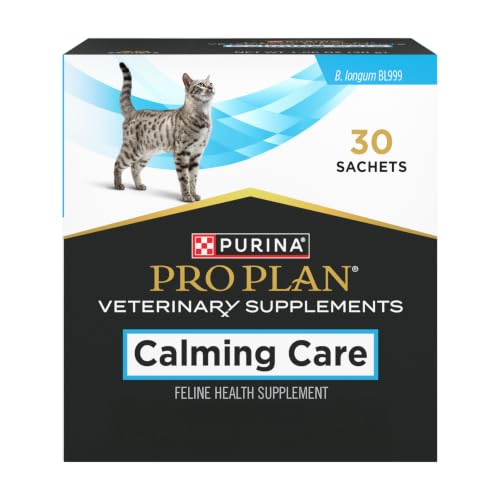
Oral calming supplements for cats typically combine ingredients such as L-theanine (a green tea amino acid), thiamine (vitamin B1), colostrum-derived calming complexes, chamomile, and increasingly hemp seed powder. Manufacturer formulations generally aim for a non-sedating effect: the cat stays alert and interactive but is meant to be less reactive to triggers. Published evidence for these ingredients varies in strength, with L-theanine having the most supportive literature and herbal blends the least, so this is a category where honest expectations matter. Owner reports describe subtle effects building over one to two weeks of daily use, best suited to mild, diffuse anxiety rather than severe fear responses.
There are two categories of caution here. First, palatability is genuinely hit-or-miss; many owners report that a cat who accepted a chew enthusiastically in week one refuses it in week three, so buying the smallest package first is sensible. Second, supplements are treats with calories, and portion control matters for overweight cats. Any supplement that makes specific nutritional claims about complete nutrition falls under standards set by AAFCO pet food standards, and treats should never displace a balanced diet. Finally, check any supplement label against the ASPCA Animal Poison Control guidance if you are unsure about an ingredient — and never give a product formulated for dogs to a cat, since some canine formulations contain ingredients that are poorly tolerated by cats.
Category Four: Pheromone Collars
Calming collars release a synthetic pheromone continuously from a collar worn on the neck, lasting roughly 30 days per collar per manufacturer specifications. Their appeal is portability: unlike a plug-in diffuser that only covers one room, a collar travels with the cat, which makes it a reasonable choice for cats who board, travel, or live partly outdoors in safe enclosures. Any collar chosen for a cat must have a breakaway or safety release; a non-breakaway collar is a strangulation hazard in a species that climbs and squeezes through gaps. The commonly reported downsides are fit and tolerance — some cats groom at the collar or manage to remove it, and oily residue on the coat is occasionally mentioned in reviews. Effectiveness reports mirror the diffuser category: helpful for mild to moderate environmental stress, insufficient on its own for severe anxiety.
Category Five: Environmental Enrichment — Treating the Cause
Enrichment is the category most often skipped by owners looking for a product to buy, yet published feline behavior guidance treats it as foundational. Boredom and lack of opportunity to perform natural behaviors — hunting sequences, climbing, scratching, hiding — are themselves stressors, and no spray or supplement compensates for an environment that gives a cat nothing to do. The core resources to audit are: enough litter boxes for the household, scratching surfaces in both vertical and horizontal orientations, elevated perches and hiding spots, daily interactive play sessions that end with a food reward, and puzzle feeders that make mealtime into work. Multi-cat households should apply the resource-multiplier rule of one resource per cat plus one, distributed so no cat can guard access to everything. If you address these fundamentals first, you may find you need fewer products than you expected.
Matching the Product to the Problem
| Approach | Best For | Typical Onset | Duration |
|---|---|---|---|
| Pheromone diffuser | Chronic household stress | 1-2 weeks | Continuous, 30-day refills |
| Pressure wrap | Travel, vet visits, fireworks | Minutes | While worn |
| Calming chew | Mild daily anxiety | 1-2 weeks | Several hours per dose |
| Pheromone collar | On-the-go coverage | About 24 hours | 30 days per collar |
| Enrichment changes | Root-cause boredom and conflict | Days to weeks | Permanent |
The most commonly recommended combination, and the one this guide suggests starting with, is a pheromone diffuser running continuously as a baseline, paired with a pressure wrap held in reserve for known acute events. This pairing covers both timelines of feline stress: the slow environmental baseline and the sudden spike. Households with mild, diffuse anxiety may do well adding a daily chew, while homes where the trigger is identifiable and structural — too few resources, no vertical space, an unresolved conflict between two cats — will get more from enrichment investment than from any consumable product.
Safety Notes and Realistic Expectations
Safety in this category is generally good but not uniform. Pheromone products are among the safest options and are considered appropriate for kittens and adult cats alike because they use signaling rather than sedation. Supplements should be introduced one at a time so that any adverse reaction — vomiting, diarrhea, lethargy, or appetite loss — can be attributed correctly. Anything applied to or worn by the cat should be checked for small parts that could be ingested. Flower essence drops, marketed for decades for acute animal anxiety, deserve a specific honesty note: scientific evidence for their effectiveness is limited, and while they are unlikely to cause harm, owners should weight their expectations accordingly and not rely on them as the sole tool for a genuinely distressed animal.
Equally important is knowing when a product is the wrong tool entirely. See a veterinarian promptly if your cat shows aggression that causes injury, self-mutilation from over-grooming, complete avoidance of the litter box, significant weight loss, or a sudden personality change. These can indicate medical disease or a level of behavioral distress that warrants prescription treatment or a referral to a veterinary behaviorist. Over-the-counter calming products are designed for mild to moderate stress, and honest marketing in this space acknowledges that ceiling.
Common Mistakes Owners Make
- Giving up too early. Pheromone diffusers and daily supplements are reported to need one to two weeks, and a fair evaluation period of three to four weeks is widely advised before judging success or failure.
- Changing multiple things at once. If you start a diffuser, a new supplement, and a new play routine the same week, you cannot tell what is working. Introduce changes two to three weeks apart.
- Placing the diffuser poorly. Behind a sofa, inside a cabinet, or under a desk, airflow is blocked and effective coverage collapses well below the rated 700 square feet.
- Treating symptoms while ignoring triggers. A cat stressed by a neighborhood tom visible through the window needs window film or perch management, not only a diffuser.
- Forcing the pressure wrap. A cat that will not tolerate clothing will not be calmed by it; forcing the issue creates a new negative association.
- Using human products on cats. Never adapt a human supplement, essential oil, or anxiety remedy for a cat without veterinary direction; some common essential oils are toxic to cats.
Where to Look First
If you take one action from this guide, make it a pheromone diffuser for the space where your cat spends the most time — it addresses the most common presentation of feline stress, the chronic environmental kind, with the least imposition on the cat. You can check the current price on Amazon for a widely used example. If your cat's problem is event-based — the carrier, the car, the fireworks in July — add a calming supplement and acclimate your cat to taking it during calm moments long before the stressful day arrives; again, you can view this option on Amazon. Layer enrichment changes underneath both, give every intervention a fair trial window, and loop in your veterinarian early, because the most important diagnostic step in feline anxiety is confirming that it is anxiety at all.
Frequently Asked Questions
How long do calming products take to work? Pheromone diffusers and oral supplements typically require one to two weeks of consistent use, with a full evaluation window of three to four weeks. Pressure wraps act within minutes but only while worn. Collars generally reach steady effect within a day of fitting.
Can multiple products be used together? Yes — pheromone diffusers, pressure wraps, and enrichment changes operate through different mechanisms and are commonly combined. Introduce one change at a time, spaced two to three weeks apart, so you can judge each intervention's individual effect honestly.
Are calming products safe for kittens? Pheromone-based products are considered safe for kittens of any age. Most chewable supplements label their products for kittens from around 12 weeks; always check the specific package labeling and consult your veterinarian for younger animals.
When is a veterinary visit necessary instead? Immediately, if there is aggression causing injury, self-injury from grooming, total litter box avoidance, marked weight loss, or a sudden behavioral change. These signs can indicate medical disease requiring diagnosis and treatment beyond any retail calming product.
Affiliate Disclosure: Some of the links above are Amazon affiliate links (tag: nannan09-20). PawCritic earns a small commission at no extra cost to you. Products mentioned are selected editorially based on published guidance, manufacturer specifications, and verified owner reviews; PawCritic does not perform hands-on product testing.