Why Dogs Need Help Staying Cool in Summer
Dogs do not cool themselves the way humans do. They rely primarily on panting, plus a small number of sweat glands located in their paw pads, and that limited toolkit makes them considerably more vulnerable to heat stress than their owners. A dog lying on a standard plush bed is also trapping body heat against an insulating surface, so conventional bedding can actively work against them on a hot afternoon. Understanding this physiology is the first step toward choosing the right cooling product, and the AVMA's pet owner resources cover heat-related risks in dogs alongside other seasonal hazards worth reviewing before summer arrives.
Cooling mats and elevated beds address the problem through two distinct mechanisms. Pressure-activated gel mats absorb body heat through conduction and typically hold a surface temperature somewhere in the range of ten to fifteen degrees Fahrenheit below ambient room temperature, according to manufacturer specifications. Elevated mesh beds take a different route: they lift the dog off the floor so air circulates freely beneath the body, preventing heat from accumulating rather than actively pulling heat out of the dog. Neither approach requires electricity, refrigeration, or complicated setup, which is part of why both categories have become staples for owners in warm climates. The right choice depends on your dog's size, age, chewing habits, and whether the product will live indoors, outdoors, or in a crate.
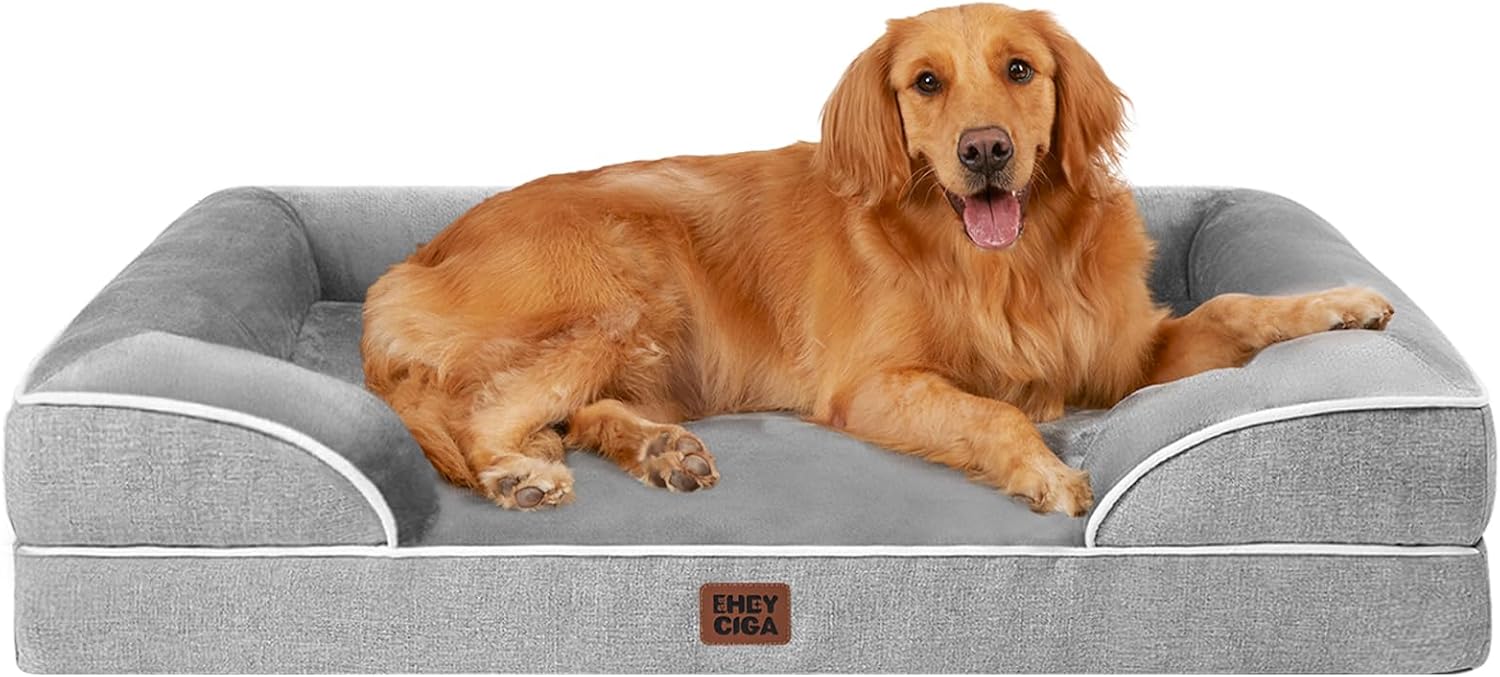
How Pressure-Activated Gel Mats Work
The core technology in most gel cooling mats is a phase-change gel sealed permanently inside a padded envelope. When a dog lies down, its body weight presses on the gel and triggers the cooling reaction; when the dog stands up, the gel gradually releases the absorbed heat back into the surrounding air and resets itself. Manufacturer specifications for well-known mats such as the Green Pet Shop Cool Pet Pad describe a consistent cooling range of roughly ten to fifteen degrees below ambient temperature, with no refrigeration required at any point. This self-recharging cycle makes gel mats genuinely low-maintenance: there is nothing to plug in, freeze, or refill, and there are no mechanical parts to wear out over seasons of use.
The trade-offs are worth understanding before buying. Gel mats have a finite cooling duration — most specifications and owner reports describe the effect diminishing after roughly three to four hours of continuous occupancy, with a recovery period of about thirty to sixty minutes once the dog moves off. On very hot days, above roughly ninety degrees Fahrenheit, the differential between mat and room narrows because the gel simply has more ambient heat to fight against. Gel mats are also not chew-proof. The gel itself is described by manufacturers as non-toxic, but a punctured mat creates a sticky mess and ends the product's useful life. For determined chewers, supervised introduction and elevated mesh alternatives are the safer paths.
A Concrete Example: The Green Pet Shop Cool Pet Pad
Rather than presenting a long ranked list, this guide focuses on one representative example in each category so the features described can be checked directly. The Green Pet Shop Cool Pet Pad is one of the most widely purchased and reviewed pressure-activated mats on the market, and it illustrates the category's strengths clearly. Manufacturer specifications list sizes up to roughly 47 by 35 inches, large enough for a big Labrador to stretch out, and the outer cover is removable and machine washable while the gel stays permanently sealed inside. Verified owner reviews repeatedly describe dogs seeking the pad out voluntarily on warm days, which matters more than any temperature figure — a cooling product only works if the dog will actually lie on it. You can check the current price on Amazon to see the full size chart and recent buyer feedback before deciding.
Owner-reported drawbacks are consistent with the category as a whole. Light-colored covers show fur and dirt quickly and need more frequent washing than darker alternatives. Puppies and enthusiastic diggers can puncture the surface, so supervised use is the standing recommendation. And the pad is heaviest in its largest size, which makes moving it between rooms slightly awkward. None of these are disqualifying issues, but they frame honest expectations: a gel mat is a simple, effective, mid-priced cooling tool with real durability limits around chewing.
How Elevated and Hybrid Beds Work
Elevated beds are essentially stretched fabric platforms on frames, holding the dog several inches above the ground. Because air moves freely above and below the sleeping surface, the fabric stays close to ambient air temperature instead of absorbing and holding body heat the way foam and plush beds do. There is no active cooling — no gel, no phase-change material — just prevention of heat buildup. This makes elevated beds effectively unlimited in duration: they work continuously, never need recharging, and tolerate outdoor conditions far better than gel products. The trade-off is comfort. A taut mesh surface is firm, and some dogs, particularly seniors with arthritis or dogs accustomed to plush bedding, initially resist it. Many adapt within days once they associate the surface with relief from heat, but owners of comfort-loving dogs should be prepared for a transition period.
Hybrid designs attempt to split the difference. Some products pair an elevated frame with a gel-infused or cushioned top, combining airflow beneath the dog with a softer or cooler sleeping surface. Others are floor-level beds with cooling fabric covers over gel-infused foam, sacrificing elevation for familiarity. These hybrids typically deliver a milder temperature benefit than dedicated gel mats — often in the range of six to nine degrees below a comparable conventional bed, based on manufacturer claims — but the familiar feel encourages dogs that would walk away from a bare gel pad or taut mesh. For a dog that refuses everything else, a milder effect the dog actually uses beats a stronger effect it ignores.
A Concrete Example: The K and H Cool Bed III
On the elevated-and-hybrid side of the category, the K and H Cool Bed III is a long-standing example worth examining. It combines a steel frame that lifts the sleeping surface a few inches off the ground with a cooling cushion on top, so the dog gets airflow underneath plus a conductive cooling layer above. The manufacturer rates the frame for dogs up to roughly 120 pounds, the cover zips off for machine washing, and the frame folds flat for storage or travel — a practical combination for owners who move the bed between a house and a vehicle. Verified owner reviews frequently mention that the step-on height is manageable for older dogs, which is a real consideration for seniors with stiff joints who struggle to lower themselves all the way to the floor. You can view this option on Amazon to confirm current sizing and specifications.
The honest limitations mirror the category. Owner feedback indicates the cooling effect diminishes after several hours of continuous use, as with any gel-based technology, and the frame can wobble on uneven ground. Mesh and fabric surfaces can snag on sharp claws, so nail trimming is part of the maintenance routine. It is not a product for heavy chewers. As with any single example, it should be treated as a data point: read the current specifications and recent reviews yourself, since manufacturers revise materials and construction over time.
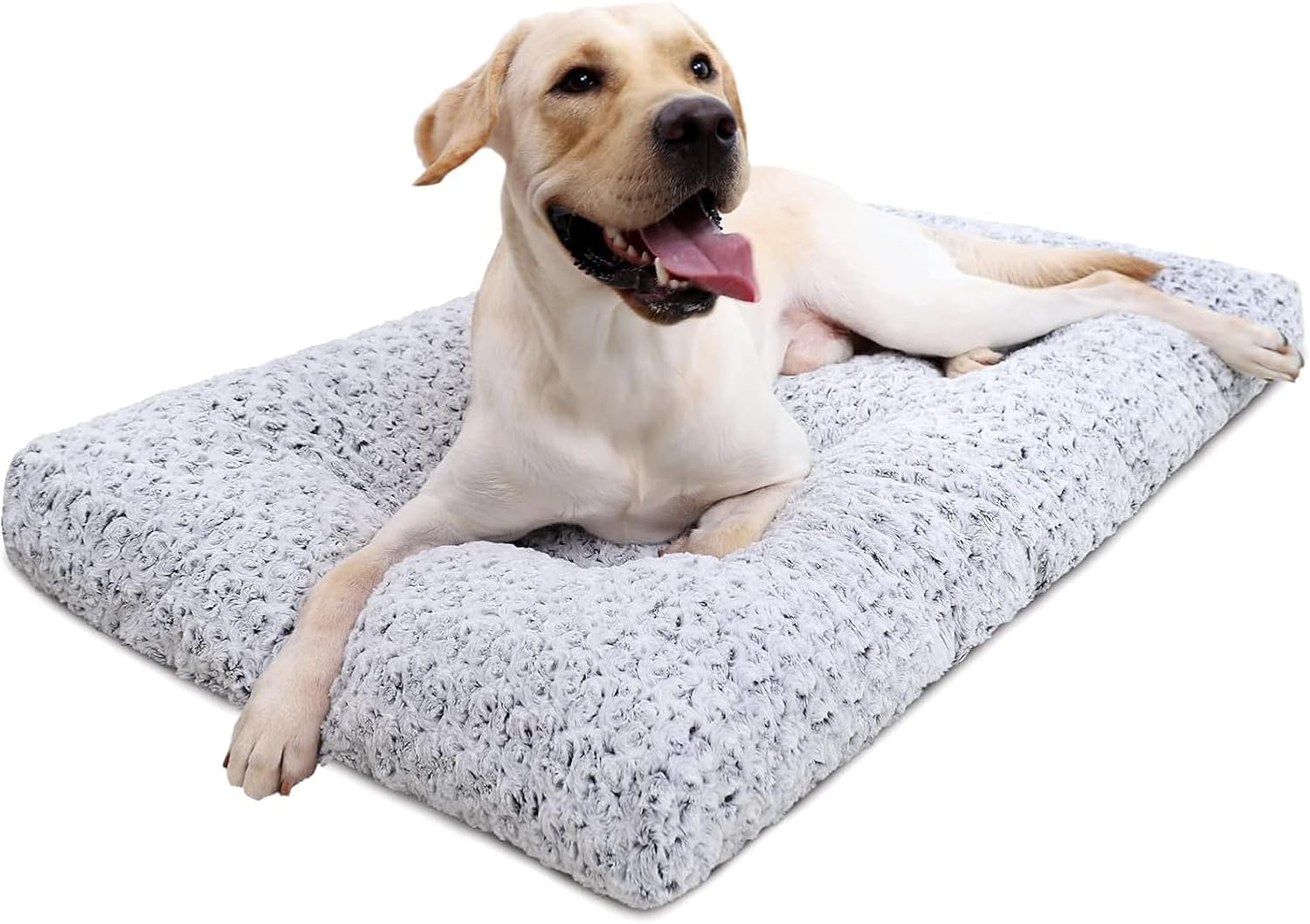
Choosing Between a Gel Mat and an Elevated Bed
The decision usually comes down to four factors: your dog's chewing habits, where the product will live, how hot your climate gets, and your dog's comfort preferences. For dedicated chewers, an elevated bed with a taut, minimal mesh surface is the safer choice, since there is no gel to puncture and less padding to destroy. For outdoor patios, decks, and kennel runs, look for frames described as powder-coated steel or UV-resistant fabric, and expect that any product left outdoors year-round will age faster than one kept inside. In extremely hot climates, a gel mat's effectiveness compresses on the worst days, so owners there often combine an elevated bed with a gel mat placed on top — the elevation prevents heat buildup below while the gel provides conductive cooling above. Owners who try this pairing commonly note that the gel mat can slide on mesh, which a thin non-slip rug pad between the layers solves cheaply.
For senior dogs, the calculus shifts toward accessibility and joint support. A frame that sits too high becomes an obstacle rather than a benefit, so look for step-on heights of roughly four to seven inches, or consider a hybrid with cushioning. For dogs with thick double coats or brachycephalic (flat-faced) breeds such as Bulldogs and Pugs, which tolerate heat poorly, the strongest available cooling combination is usually justified. General canine health and breed-specific heat sensitivity are covered in the Merck Veterinary Manual's dog owner reference, which is a reliable place to check whether your dog falls into a higher-risk group.
Sizing: Getting It Right the First Time
Sizing errors are among the most common reasons cooling products end up unused. A mat that is too small does not give the dog enough cooled surface to rest on, and a dog that hangs off the edge loses most of the benefit. The practical method is to measure your dog from nose to the base of the tail while it is asleep and fully stretched out, then add six to eight inches for a gel mat or four to six inches for an elevated bed. Manufacturer size charts are usually organized by breed weight brackets, but measuring the individual dog is more accurate, particularly for mixed breeds that combine a long body with a lighter weight, or a stocky frame with a short one.
Measure the destination space as well. A jumbo mat is useless if it will not fit the crate, the car trunk, or the corner of the living room where the dog actually sleeps. For crate use specifically, look for thin-profile mats with non-slip backing, since a thick mat raises the dog uncomfortably close to the crate roof and a sliding mat bunches into a corner within a night. For elevated beds, check the frame's stated weight capacity against your dog's adult weight with some margin, since dogs shift, circle, and plop down onto beds with far more force than their static weight suggests.
Safety Considerations
The most common safety question is whether cooling gel is dangerous if ingested. Reputable manufacturers describe their gels as non-toxic, but non-toxic does not mean intended for consumption, and a punctured mat should be removed and cleaned up promptly. If your dog chews through a mat and swallows gel, or if you are ever unsure about a substance your dog has ingested, the ASPCA Animal Poison Control service exists for exactly these situations and is worth saving to your phone contacts before an emergency. Beyond gel exposure, the standing precautions are straightforward: never leave a cooling product in direct sunlight or inside a parked vehicle, where the mat can absorb heat instead of dissipating it; supervise the first several sessions with any dog that has a history of destroying soft items; and introduce the new surface gradually, sometimes with a familiar blanket laid over it for the first day or two.
It is equally important to understand what cooling products are not. They are not treatment for heatstroke. Excessive panting, thick drooling, lethargy, unsteadiness, and bright red gums are warning signs that call for immediate veterinary attention and active cooling measures, not a mat. Cooling products are one layer of a broader summer strategy that includes unrestricted fresh water, exercise scheduled for early morning and late evening, access to shade, and awareness that pavement hot enough to fry an egg is hot enough to burn paw pads.
Maintenance and Longevity
Gel mats ask little of their owners: wipe the surface regularly, machine wash the removable cover where one is included, and hand wash where the manufacturer specifies it. Avoid sharp objects, and keep nails trimmed, since claw tips are the most common puncture source in owner-reported failures. A mat that develops a small leak is generally at the end of its life — the gel cannot be practically refilled or repaired at home. Elevated beds are even simpler: hose them off outdoors, tighten the frame hardware occasionally, and re-lace or re-tension the mesh if it begins to sag, since a loose surface both sags the dog into contact with the frame and reduces airflow. Fabric covers on hybrid beds should be washed on gentle cycles and air dried, because high heat can degrade phase-change fabric treatments over repeated cycles.
Longevity expectations should be realistic. Budget gel mats often use thinner exterior materials and may develop surface cracks under heavy, repeated use, a pattern visible across owner reviews for the category as a whole. Premium mats generally survive seasons of normal use from a non-chewing dog. Outdoor elevated beds last years if the frame coating stays intact, but once powder coating chips and rust takes hold, the clock runs faster. None of these products are lifetime purchases, and budgeting for eventual replacement is reasonable.
Common Mistakes to Avoid
- Buying a mat sized to the dog's weight bracket without measuring the actual stretched-out body length, resulting in a surface too small to cool the dog effectively.
- Leaving a gel mat in direct sun or a hot car, where it absorbs heat and becomes a warming pad instead of a cooling one.
- Assuming a determined chewer will leave the mat alone because the gel is labeled non-toxic — supervision and mesh alternatives exist for a reason.
- Expecting a cooling fabric bed to match a dedicated gel mat's temperature differential; the milder products trade intensity for comfort and familiarity.
- Placing a gel mat on top of a soft plush bed, which insulates the mat from the air and slows the recharge cycle between naps.
- Giving up on an elevated bed after one rebuffed introduction; most dogs adapt within days once the surface is associated with heat relief.
- Treating any cooling product as a substitute for water, shade, and sensible exercise timing on dangerous heat days.
Frequently Asked Questions
Do cooling mats actually work?
Yes, within defined limits. Manufacturer specifications for pressure-activated mats typically claim surface temperatures ten to fifteen degrees Fahrenheit below ambient, and the consistency of that claim across brands and thousands of verified owner reviews supports it as a realistic expectation rather than marketing inflation. That differential provides genuine relief in typical summer room conditions, though it compresses in extreme heat and during long continuous naps.
How long does the cooling effect last, and how does recharging work?
Most gel mats sustain their effect for roughly three to four hours of continuous occupancy, then need thirty to sixty minutes with the dog off the surface to reset. This cycle suits the natural rhythm of naps and activity for most dogs. Elevated beds have no such limit — airflow works continuously — which is why they are often recommended for dogs that spend long stretches in one place, such as crated dogs during a workday.
Can a cooling mat go on top of an elevated bed?
Yes, and the pairing is popular. The gel layer provides conductive cooling while the elevation prevents heat buildup underneath, which is a strong combination for heat-sensitive dogs such as flat-faced breeds, seniors, and thick-coated double breeds. Owners who use this setup commonly report the mat slides on mesh, and a thin non-slip rug pad between the layers is the standard fix.
Are cooling mats safe to leave with an unattended dog?
For dogs with no history of destroying soft items, generally yes for normal nap periods. For chewers, supervise the first several introductions and consider an elevated mesh bed instead, which removes the gel risk entirely. Any punctured mat should be removed promptly, and questions about ingested gel can be directed to a pet poison control service or your veterinarian.
A Final Word on Choosing Well
For most owners shopping in this category, a pressure-activated gel mat is the simplest starting point — it needs no power, recharges itself between naps, and delivers the largest documented temperature drop. The Green Pet Shop Cool Pet Pad is a representative example with a long track record and extensive owner feedback; you can check the current price on Amazon and review the specifications against your dog's measurements. For chewers, outdoor placements, and dogs that sleep in one spot for long stretches, an elevated or hybrid bed is usually the better fit, and the K and H Cool Bed III illustrates that combination of airflow and cushioning; view this option on Amazon to see whether its size range and weight rating suit your dog.
Whichever route you take, keep the larger picture in view: fresh water at all times, walks timed to the cool ends of the day, shade whenever outdoors, and immediate veterinary attention for any sign of heat stress. A cooling mat or elevated bed makes a real difference in daily comfort through the hot months, but it works best as one part of sensible summer management rather than a standalone solution.
Disclosure: PawCritic is reader-supported. When you buy through links on our site, we may earn an affiliate commission at no additional cost to you. As an Amazon Associate, we earn from qualifying purchases.