Best Dog Food Storage Containers 2026: Airtight Solutions for Kibble, Fresh and Raw Food
Published on June 30, 2026 by PawCritic — Dogs Category
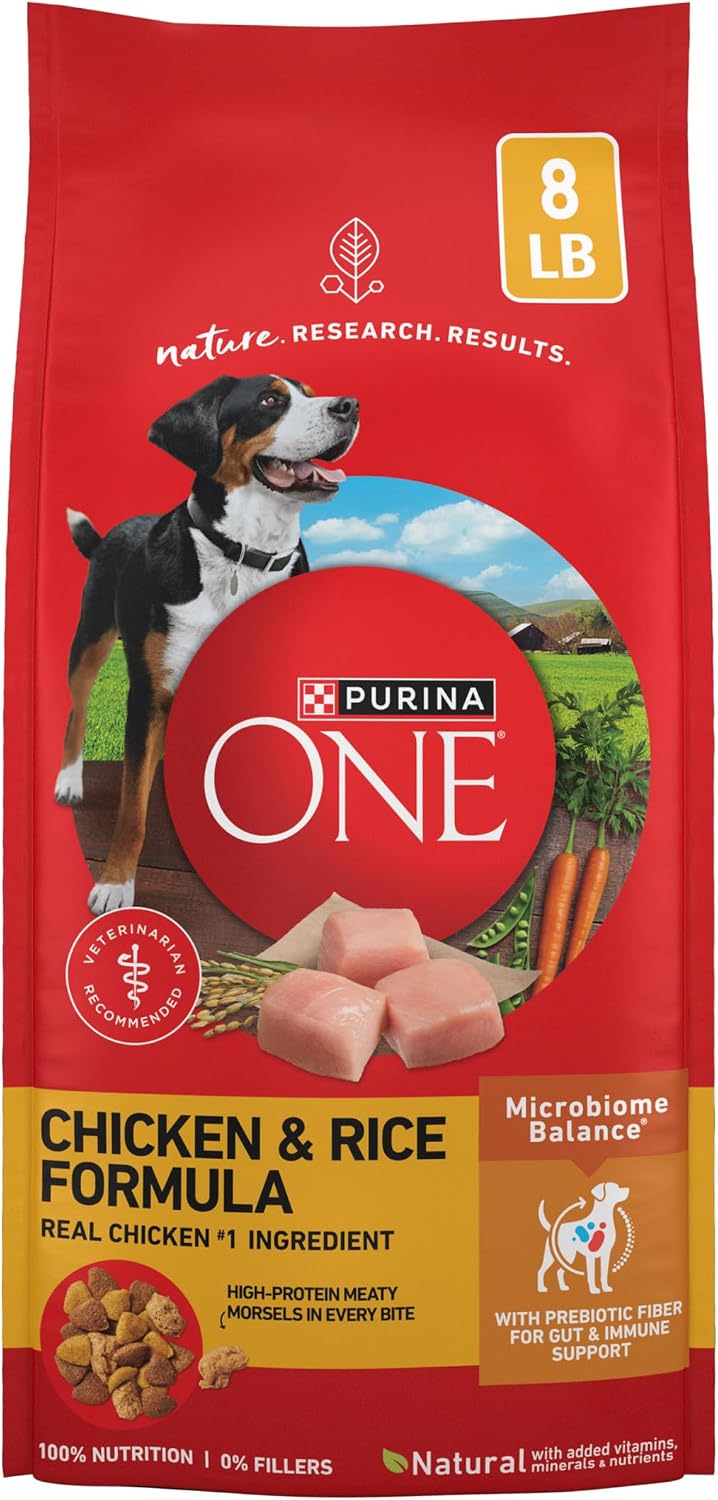
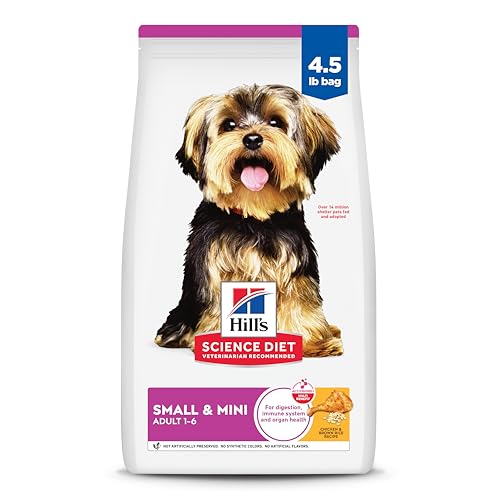
Anyone who has opened a bag of dog food only to find it smelling stale, feeling greasy, or crawling with pantry moths already understands why storage matters. Kibble is coated in fats and oils that start oxidizing the moment the bag is opened. Air, heat, light, and humidity speed up that process, turning fresh food rancid and less nutritious within weeks. For households feeding large bags or preparing raw and fresh food, the stakes are higher, because spoiled food can cause digestive upset or worse. This guide explains what published guidance and manufacturer specifications say about keeping dog food fresh, and it highlights one widely reviewed container as a concrete example.
Why Dog Food Storage Deserves Real Attention
Dry dog food is not shelf-stable forever. Once a bag is opened, the fats that make kibble palatable begin reacting with oxygen, a process called oxidation. The Merck Veterinary Manual notes that proper storage of commercial pet food protects both nutrient content and palatability, and that owners should follow label storage instructions and avoid prolonged exposure to air, heat, and moisture. Oxidation does not just change the smell. It degrades fat-soluble vitamins, including vitamin E and certain omega fatty acids, which are added to support skin, coat, and immune health.
Moisture is the other major enemy. Kibble is manufactured to a specific low moisture content, and when it absorbs humidity from the air, the texture softens and the risk of mold growth rises. Some molds produce mycotoxins, which are harmful to dogs even in small amounts. The ASPCA and veterinary toxicology resources treat moldy food as a genuine hazard, not a minor inconvenience. A container that seals well slows moisture migration and keeps the food closer to the condition it was in when the bag was opened.
Pests round out the picture. Indian meal moths, flour beetles, and other pantry insects readily infest dry pet food, and once established they spread to cereals, flour, and treats. An airtight container with a gasket blocks entry, and freezing a new bag for a few days before storage can kill eggs that arrived with the product. These steps are simple but they depend on choosing a container that actually seals.
What to Look For in a Dog Food Storage Container
Seal Type and Airtightness
The single most important feature is the seal. Compression gaskets, silicone-lined locking latches, and screw-top Gamma Seal lids all create meaningful barriers against air and moisture. Snap-on lids without a gasket provide almost no protection and are best reserved for short-term use. A well-sealed container can keep kibble fresh for four to six weeks after opening, compared with roughly two to three weeks in an open bag, according to common manufacturer guidance and owner reports.
Capacity and Bag Matching
Buy a container that holds your largest typical bag entirely. If you feed 40-pound bags, choose a 40-pound or larger container. Storing a partial bag in an oversized bin leaves a large air gap that accelerates staling, while cramming a full bag into a small container prevents the lid from sealing. Multi-dog households feeding different formulas often do better with two smaller containers than one shared bin, because cross-contamination and confusion about which food belongs to which dog are common sources of error.
Material and Food Safety
Food-grade, BPA-free plastic and stainless steel are the two mainstream choices. Plastic is lighter and less expensive, while stainless steel resists scratches, does not absorb odors, and stays slightly cooler in warm rooms. Avoid non-food-grade containers such as hardware buckets or trash cans, since these are not manufactured for direct food contact and may leach chemicals or retain residues. The WSAVA Global Nutrition Guidelines emphasize that food should be stored in clean, appropriate containers that protect it from contamination.
Mobility and Placement
A 50-pound bag of kibble plus a container can exceed 55 pounds. If the bin will move regularly, wheels or a tilt-and-roll base make a real difference. If it will sit in one spot, a stationary unit saves money and often seals better. Also consider where the container lives: heat and direct sunlight degrade food faster, so a cool, dark pantry or mudroom corner is preferable to a spot near an oven, radiator, or sunny window.
Product Category Breakdown
Dog food storage containers fall into a few practical categories, each suited to different feeding habits. Understanding the categories helps narrow the choice before looking at any specific model.
Large Bulk Bins (40 to 65 Pounds)
These are the workhorses for owners of large breeds or multi-dog homes. They hold a full bag, usually have a wide mouth for scooping, and often include wheels for mobility. The trade-off is footprint and weight: a full 50-pound bin is heavy and takes up significant floor space. Look for a gasket seal, a lid that stays open while scooping, and a body material thick enough to resist cracking when full.
Small and Modular Containers (2 to 15 Quarts)
Small containers suit treats, training rewards, partial bags, and small-breed kibble. Modular square shapes stack efficiently on shelves, and push-button or latch seals are common. These are not intended for long-term bulk storage, but they excel at keeping frequently accessed items fresh and organized. Many owners use several small containers instead of one large bin to separate food types.
Fresh and Raw Food Storage
Fresh-cooked, raw, and rehydrated foods require refrigeration or freezing, not room-temperature bins. Airtight containers designed for the refrigerator work well for short-term storage of a few days, while freezer-safe containers or portion bags are appropriate for longer holding. Room-temperature containers should never be used for high-moisture foods, because bacterial growth accelerates quickly outside the refrigerator.
Automatic and Smart Dispensers
Automatic dispensers combine a small hopper with scheduled portioning. They are convenient for busy households and helpful for portion control, but their hoppers are not designed for bulk storage and generally hold only a week or so of food for a medium dog. They supplement, rather than replace, a proper storage container.
A Widely Reviewed Example: Gamma2 Vittles Vault Outback
The Gamma2 Vittles Vault Outback is one of the most frequently cited airtight kibble containers in owner discussions and retail listings. It uses a compression-fit gasket around the lid, marketed as OdorSeal technology, which is designed to create a moisture-resistant barrier. Manufacturer specifications list it as BPA-free, food-grade, UV-stabilized plastic, and it is available in 25-pound, 40-pound, and 50-pound capacities. The 50-pound model is sized to hold a full bag with a little headroom, which reduces the air gap that stales food.
Owner reports consistently describe the seal as effective at keeping kibble fresh for several weeks and at keeping odors contained, which matters in smaller kitchens or apartments. The stackable design is a genuine advantage for multi-dog households feeding different formulas, since two or three units can be stacked vertically to save floor space. The clear body lets you see the food level without opening the lid, and the wide mouth accommodates standard scoops. Made in the USA, the container is a common recommendation for large-breed owners and bulk buyers.
The trade-offs are worth stating plainly. A full 50-pound container is heavy and has no wheels, so it must be lifted to move. The rubber gasket can collect food dust and needs occasional cleaning to maintain its seal. The upfront cost is higher than basic bins, and the container is not dishwasher safe, so cleaning is a hand-wash task. For owners who want a stationary, well-sealing bin and do not need to move it often, these limitations are minor. For anyone who needs to relocate the bin regularly, a wheeled option may be a better fit.
If this sounds like the right balance of capacity and sealing for your household, you can check the current price on Amazon to compare sizes and confirm availability. Because the same container is sold in three capacities, it is worth measuring your storage space and your typical bag size before ordering.
Key Specifications
- Capacity options: 25 lbs, 40 lbs, or 50 lbs
- Material: BPA-free, food-grade, UV-stabilized plastic
- Seal type: Compression-fit rubber gasket (OdorSeal)
- Stackable: Yes, with multiple units
- Cleaning: Hand wash with mild soap and dry thoroughly
- Best suited to: Large-breed owners, multi-pet homes, bulk buyers
Strengths Reported by Owners
- Gasket seal is widely described as keeping kibble fresh for weeks
- Stackable design saves floor space in pantries and mudrooms
- Wide mouth fits standard dog food scoops
- Clear body allows visual level checks
- UV-stabilized plastic resists fading and cracking
Limitations to Weigh
- Heavy when full, with no rolling base
- Rubber gasket requires occasional cleaning
- Higher upfront cost than basic bins
- Not dishwasher safe
For a second look at the same container, including current size options, you can view this option on Amazon.
How to Store Dog Food Properly
Keep Kibble in Its Original Bag
Most veterinary and manufacturer guidance recommends keeping kibble inside its original bag, then placing the whole bag inside the storage container. The original bag has a barrier layer that blocks light and moisture and carries the lot number and best-by date, which matters if a recall occurs. The container adds pest protection and an extra layer of sealing. Pouring kibble directly into the bin is convenient, but it discards the barrier layer and the traceability that comes with the packaging.
Control Temperature and Humidity
Store food in a cool, dry place away from direct sun and heat sources. High temperatures accelerate fat oxidation, and humid environments encourage mold. In damp climates, food-grade silica gel desiccant packs can help absorb moisture trapped when the lid closes. Replace them every two to three months, or sooner if they are the color-changing type and have shifted color. Never store dog food in a garage or shed that swings between hot and cold, because condensation forms inside the container as temperatures change.
Clean Between Bags
Oils and food dust accumulate in containers and can go rancid between refills. Wash plastic containers in hot, soapy water and dry them completely before adding new food. Stainless steel can be wiped with a diluted vinegar solution. Pay attention to lid gaskets and lid threads, where residue collects and can harbor odors or pests. A container that still smells strongly after washing was likely not sealing well during use.
Respect Expiration Dates and Rotation
Use the oldest food first and check the best-by date on each bag. Once a bag is opened, aim to finish it within about six weeks for best quality, even in a well-sealed container. If you buy in bulk, consider splitting large purchases into smaller containers that are opened one at a time, so the majority of the food stays sealed longer.
Sizing and Capacity Guidance
Choosing capacity is mostly arithmetic, but a few practical rules help. A 50-pound bag of kibble occupies roughly 50 to 60 quarts of volume, depending on kibble size and density, so a container marketed as 50-pound capacity is sized for that bag. If your dog eats one cup per day, a 30-pound bag lasts about two months for a small breed, which is longer than ideal for an opened bag, so smaller bags may be the better purchase. Matching bag size to consumption rate matters as much as matching bag size to container size.
For multi-dog homes, label containers clearly and avoid sharing a single bin between dogs on different formulas, especially if one dog has a prescription diet. Cross-feeding can undermine a therapeutic diet and confuse feeding records. Two medium containers usually work better than one large bin in these situations.
Safety Considerations
Food safety for pets follows many of the same principles as food safety for people. Keep containers clean, keep moisture out, and discard food that smells sour, looks discolored, or shows any sign of mold. If a dog eats moldy food or shows vomiting, tremors, or lethargy after a meal, contact a veterinarian promptly; the ASPCA Animal Poison Control and similar services can advise on toxic exposures. The AVMA pet owner resources also offer guidance on household hazards and safe feeding practices.
Never mix old food with new food in a container without cleaning in between, because residual old kibble can contaminate a fresh bag. Avoid storing food next to cleaning chemicals, gasoline, or other strong-smelling products, since fats can absorb odors and food-grade containers are not vapor-proof to every chemical. Finally, keep containers out of reach if a dog is prone to overeating, because some determined dogs can learn to open latch-style lids.
Common Mistakes to Avoid
- Using a non-food-grade bin such as a trash can or hardware bucket
- Storing food in the original bag alone, where pests and humidity reach it
- Buying a container much larger than the typical bag, creating a large air gap
- Leaving food in a hot garage or sunny window
- Skipping cleaning between bags, allowing rancid residue to build up
- Relying on an automatic dispenser hopper for long-term storage
- Refrigerating dry kibble, which introduces moisture through condensation
- Ignoring best-by dates and rotating stock poorly
Frequently Asked Questions
Is it safe to store dog food in plastic containers?
Yes, provided the plastic is food-grade and BPA-free. The containers discussed here are made from food-grade plastic or stainless steel. Avoid non-food-grade containers, which are not manufactured for direct food contact and may leach chemicals or retain residues from prior contents.
How long does kibble stay fresh in an airtight container?
Published guidance and owner reports suggest four to six weeks after opening when the container seals well, compared with roughly two to three weeks in an open bag. Containers with compression gaskets are often described as extending freshness toward the longer end of that range, though exact results depend on climate, kibble type, and how often the lid is opened.
Should desiccant packs be added to dog food containers?
In humid climates, food-grade silica gel packs can help absorb moisture trapped when the lid closes. Two or three packs in a 40- to 50-pound container is a common recommendation. Replace them every two to three months, or when color-changing indicators shift.
Can homemade dog food be stored in these containers?
Only briefly and only in the refrigerator. Fresh-cooked food has high moisture content and supports bacterial growth at room temperature. Use airtight containers in the fridge for a few days, and freeze portions for longer storage. Room-temperature bins are for dry food only.
Why does dog food smell different after a few weeks?
That smell is oxidized fat. When natural oils in kibble react with oxygen, they break down and produce rancid odors. Heat, light, and humidity accelerate the process. A well-sealed container slows it considerably, and if a container smells strongly rancid after washing, it was probably not sealing effectively.
How can pantry moths be prevented?
Use an airtight container with a gasket, freeze new bags for about 72 hours before storage to kill eggs, clean the container between bags, and keep the storage area dry and tidy. Bay leaves are sometimes placed in containers as a scent deterrent, though their effectiveness is anecdotal.
Maintenance and Longevity
Storage containers last for years with basic care. Inspect gaskets every few months for cracks, stiffness, or food buildup, and replace them when they no longer compress evenly. Wash lids by hand unless the manufacturer explicitly rates them for the dishwasher, since heat can warp seals and latch components. Avoid stacking heavy items on top of lids that are not designed for it, because pressure can deform the seal over time.
For wheeled containers, check that casters spin freely and that locks engage. For screw-top lids, keep the threads clean so the lid turns smoothly and seats fully. If a container develops a persistent odor that washing does not remove, it may be time to replace it, since lingering odor usually signals a compromised seal or absorbed oils.
Final Thoughts
Good storage protects the money spent on quality dog food and the nutrition the food is meant to deliver. Prioritize a real seal, match capacity to your typical bag, keep food cool and dry, and clean between bags. The Gamma2 Vittles Vault Outback is one frequently cited example that combines a compression gasket, stackable design, and multiple capacities, and you can check the current price on Amazon if it fits your needs. Whatever container you choose, the habits around it matter as much as the bin itself, so treat storage as part of feeding well, not an afterthought. For broader feeding guidance, consult the WSAVA Global Nutrition Guidelines and the Merck Veterinary Manual dog owner reference. If you suspect your dog has eaten spoiled or moldy food, contact your veterinarian or a pet poison resource promptly.
Affiliate Disclosure: PawCritic is a participant in the Amazon Services LLC Associates Program, an affiliate advertising program designed to provide a means for sites to earn advertising fees by linking to Amazon.com and affiliated sites. Purchases made through links on this page help support independent research at no extra cost to you.
Last updated: June 30, 2026. Prices and availability are subject to change. Always verify current pricing on Amazon before purchasing.
For more on feeding and care, see AVMA pet owner resources and ASPCA Animal Poison Control.