Dog GPS Trackers and Smart Collars: A Research-Based Buying Guide for 2026
Published on June 20, 2026 by PawCritic — Dogs Category
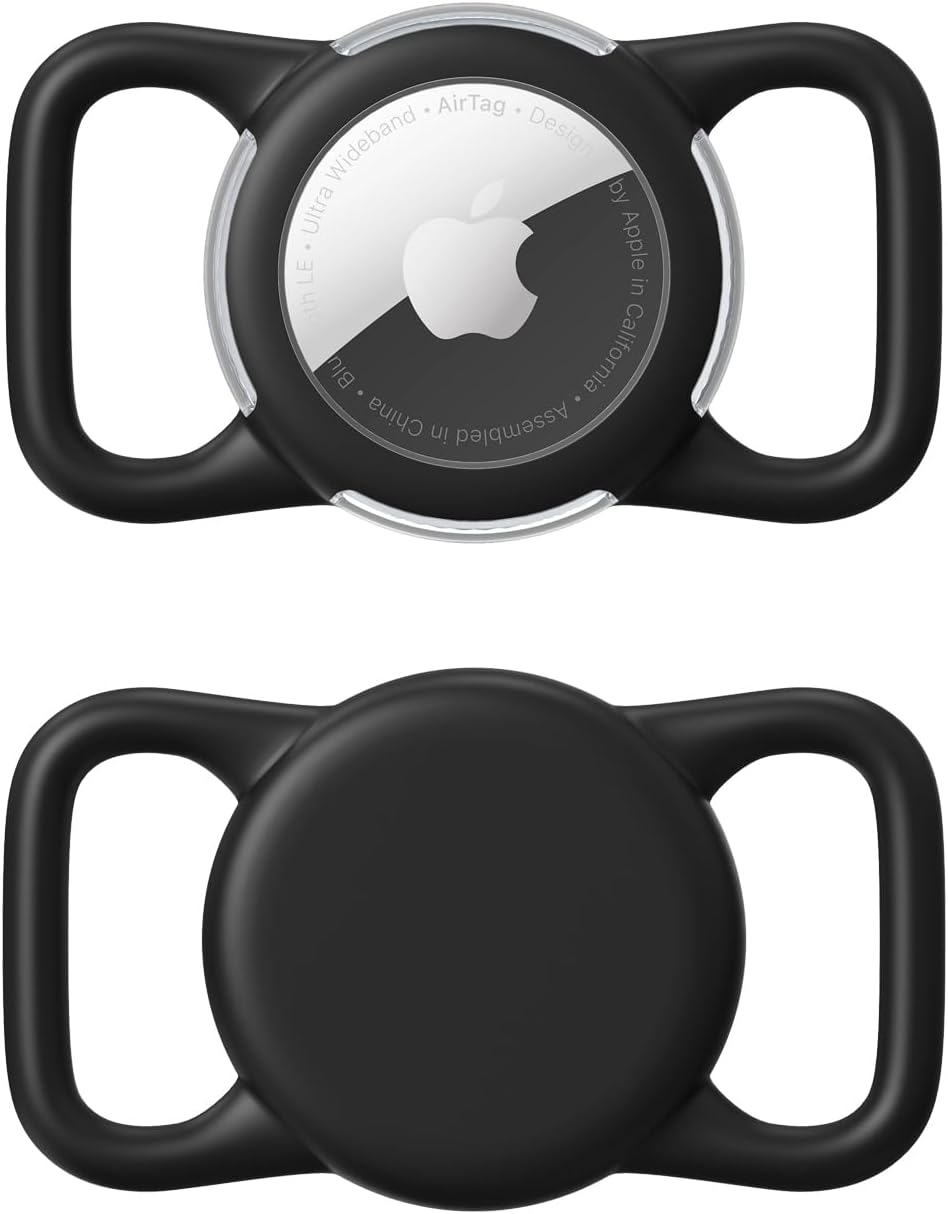
A dog GPS tracker has moved from novelty gadget to mainstream safety equipment, and the reason is simple: lost dogs are common. Widely cited estimates from animal welfare organizations suggest that a substantial share of pets will go missing at some point in their lives, and the difference between a terrifying afternoon and a quick reunion often comes down to whether an owner can locate the animal quickly. A microchip only works if someone finds the dog, brings it to a shelter or clinic, and scans it. A GPS tracker closes that gap by telling you where your dog is while it is still running.
The 2026 market offers far more variety than most buyers expect. Devices now combine satellite positioning, cellular data, Wi-Fi positioning, Bluetooth proximity, geofencing, and activity monitoring in packages weighing under an ounce. Some focus purely on location; others add behavioral and wellness data such as scratching, licking, sleep, and calorie estimates. Prices range from around thirty dollars for hardware to several hundred for professional-grade systems, and nearly every cellular option carries a recurring subscription. Understanding those trade-offs before buying matters more than any single brand choice, because the wrong category of tracker — not the wrong brand — is the most common and most expensive mistake owners make.
This guide is a research-based reference. PawCritic does not run hands-on product evaluations, so every specification below comes from published manufacturer documentation, and the practical observations come from patterns reported consistently by verified owners in reviews and community discussions. For general dog health and safety background, the Merck Veterinary Manual dog owner reference and the AVMA pet owner resources are both worth bookmarking.
How Dog GPS Trackers Actually Work
Every tracker on the consumer market uses some combination of four locating technologies, and knowing which ones a device uses tells you most of what you need to know about its strengths. GPS satellites provide position anywhere with sky visibility but tell the device nothing about how to reach your phone. That delivery job falls to a cellular modem, which is why cellular trackers require subscriptions — you are paying for data service, not for GPS itself. Wi-Fi positioning supplements satellite fixes indoors and in urban canyons, where signals bounce off tall buildings. Bluetooth covers the last fifty feet or so, letting your phone talk directly to the tracker for close-range searching and for battery-saving sleep modes when the dog is home.
The second family of trackers skips cellular entirely and uses radio communication between the collar and a handheld receiver you carry. Garmin's hunting-oriented systems are the best-known examples, with line-of-sight ranges quoted in miles and zero recurring fees. A third approach, seen in products like the PetFon line, builds a short-range proprietary network between a collar unit and a dedicated controller. These designs work where cell towers do not, but they trade away the convenience of checking your dog's location from anywhere on a smartphone.
Accuracy expectations should be realistic. In open suburban terrain, consumer GPS typically places a tracker within roughly five to fifteen feet. Between tall buildings, under dense canopy, or indoors, error can stretch to fifty feet or considerably more. Manufacturers mitigate this with sensor fusion, but no consumer device will show your dog's exact position on a map square; expect a neighborhood-level fix, then use radar or sound features to close the final distance on foot.
The Five Decisions That Actually Matter
1. Cellular, radio, or no-subscription
Cellular trackers are the right default for the large majority of suburban and urban owners: they work nationwide, integrate with a phone app, and support geofence alerts delivered anywhere. The cost is a monthly fee, typically in the range of seven to thirty dollars depending on the brand and plan tier. Radio-based systems make sense for hunters, hikers, and anyone who regularly works beyond cell coverage — a handheld receiver and collar communicate directly across miles of open terrain. Subscription-free radio mesh systems split the difference: no recurring fees and no cellular dependency, but real-time tracking depends on being within range of the controller, which may be only half a mile in a dense city versus several miles in open country.
2. Battery life versus feature depth
Battery life is the single most reliable predictor of whether a tracker still works the day a dog actually escapes. Devices that promise months between charges achieve that by polling location infrequently; devices with health sensors, continuous activity logging, or containment features drain far faster, sometimes needing daily charging. An uncharged tracker is worse than none at all, because it creates false confidence. Published specifications assume a particular usage pattern, usually with location updates every few minutes and geofences enabled; enabling lost-dog modes with second-by-second updates collapses battery runtime dramatically. Owners posting reviews consistently report real-world runtimes below manufacturer claims, so treat the quoted figure as an upper bound and buy for the life you actually live, not the one you imagine.
3. Waterproofing and durability
Water resistance ratings matter for dogs that swim, play in rain, or get bathed regularly. An IPX7 rating means the device withstands immersion in about a meter of water for thirty minutes — adequate for puddles, rain, and most swims. IP68 goes further, typically covering continuous submersion beyond that depth, and IPX8 is broadly similar for prolonged immersion. Trackers with lower ratings may survive splashes but fail after a dunk in a creek. Salt water is a separate issue: repeated ocean exposure degrades seals and charging contacts over time, and most manufacturers advise rinsing with fresh water after saltwater contact. Also check the charging mechanism — magnetic contacts and proprietary clips are common failure points in long-term owner reviews.
4. Weight and fit relative to dog size
Collar-borne weight matters more than buyers expect, especially below twenty pounds. A tracker weighing three ounces may be fine on a Labrador but uncomfortable and physically awkward on a Chihuahua, and attachment hardware that dangles can catch on fences and brush. The smallest dedicated tags weigh under a third of an ounce and were originally designed for tracking children's belongings, making them the practical choice for toy breeds. For medium dogs up to about sixty pounds, nearly every mainstream option is viable. For large and giant breeds, shift priorities toward ruggedized housings, longer battery life, and collars sized appropriately, since thin straps wear quickly under heavy use. Whatever the size, the tracker should sit snugly without dangling loosely, and the dog's regular identification tags should stay on the collar as well.
5. Subscription economics
Subscription pricing is where the true cost of a tracker hides. A ninety-dollar device with a ten-dollar monthly plan costs over three hundred dollars across a two-year ownership period, more than a pricier device with no fees. Manufacturers commonly discount annual plans by twenty to forty percent relative to month-to-month billing, so if you are confident in the product, the annual commitment is usually the better arithmetic. Check which cellular network the device uses before buying — some trackers are locked to a single carrier, and owners in rural pockets sometimes discover their area has poor coverage from that specific network after purchase. Reading recent owner reviews from your own region is the most reliable check available without buying the device.
What the Main Device Categories Offer
Rather than a ranked list, the following overview groups the well-known 2026 options by what they are actually built for, based on manufacturer documentation and recurring themes in verified owner feedback.
Long-battery cellular smart collars
The best-known example of this category is the Fi Series 3, which pairs an integrated collar design with an advertised battery life of up to three months under normal use, IP68 water resistance, LTE-M cellular connectivity, and step, sleep, and activity tracking in its companion app. A lost-dog mode increases update frequency to roughly once per minute and can alert a community network of nearby users. Owner feedback generally praises the app polish and battery endurance, while the recurring criticisms focus on the subscription price, the fact that the tracker requires the brand's own collar band, and the absence of a built-in visibility light. This category suits owners who want a set-and-forget device that they rarely need to charge; it suits them less well if they want deep health analytics or a budget subscription.
If this integrated style appeals to you, check the current price on Amazon to see a concrete example of the form factor, sizing options, and current plan pricing before committing.
Health-monitoring trackers
The Whistle Switch represents the health-plus-location category. Manufacturer documentation describes accelerometer-based tracking of licking, scratching, drinking, eating, sleeping, and calorie burn, with app dashboards that flag deviations from an individual dog's baseline. The interchangeable battery pack design lets owners swap in a charged pack without removing the collar, and the subscription sits near the lower end of the market at under ten dollars per month. Trade-offs include a battery life measured in weeks rather than months, carrier lock-in to a single national network, and notification volume that some owners find noisy. This category suits owners monitoring chronic conditions, aging dogs, or post-surgical recovery; note that behavioral data is suggestive rather than diagnostic, and any concerning trend should go to a veterinarian. For context on evidence-based canine health monitoring, the Merck Veterinary Manual is a sound starting point.
Global-coverage subscription trackers
The Tractive GPS Dog LTE is the category leader for owners who travel or live abroad, with advertised service across more than 175 countries and live-tracking updates every two to three seconds in pursuit mode. It supports virtual fences drawn in arbitrary shapes rather than only circles, breed-specific activity goals, and a built-in light and sound beacon for nighttime recoveries. Its subscription is among the most affordable in the cellular segment. The compromises are a battery life measured in days, a form factor some owners describe as bulky for small dogs, and a charging clip that draws recurring complaints for being awkward to seat. For expats and frequent international travelers, no other mainstream cellular option offers comparable geographic flexibility.
GPS containment collars
The Halo Collar 3 combines tracking with a GPS-based virtual fence: instead of buried wire, you trace a boundary by walking it, and the collar provides escalating feedback — sound, vibration, and optional static stimulation — as the dog approaches the line. This can be an attractive option for households without physical fencing, and the system supports multiple fences and multi-dog management. The trade-offs are significant and should be weighed honestly: subscription costs are the highest in the category, battery life in active tracking mode is roughly a day, the unit is relatively heavy for dogs under about twenty pounds, and static correction is controversial among force-free trainers — several professional training organizations discourage it. GPS containment also becomes less reliable in dense urban environments where satellite signals reflect off buildings. A virtual fence is a supplement to, not a substitute for, physical containment and recall training.
Radio-based sporting systems
The Garmin TT 15X belongs to a different product class entirely. It communicates over radio with a dedicated Garmin handheld receiver, with line-of-sight range quoted up to nine miles, battery life up to eighty hours, tone and vibration cues, optional stimulation, and point detection for bird dogs. There are no subscription fees and no cellular dependency, which makes it uniquely suited to hunting, search-and-rescue work, and genuinely remote terrain. The trade-offs: it requires a separate handheld receiver costing several hundred dollars, it has no smartphone app, no activity tracking, and no geofence alerts, and it is bulky for small pets. For a typical suburban owner it is expensive overkill; for a working-dog handler it is often the only acceptable option.
Budget cellular trackers
The Cube GPS Tracker sits at the low end of the cellular category, with hardware priced around thirty dollars and a subscription under seven dollars monthly. It combines GPS, 4G LTE, and Bluetooth, includes an audible ring for close-range locating, and doubles as a general item tracker for keys and luggage. Manufacturer descriptions also mention a crowd-sourced location network that supplements direct tracking. Owner feedback describes the app as functional rather than refined, battery life of a few days, no health tracking, and an attachment clip that some users consider less secure than competitors. For cost-sensitive owners who mainly want a location fix and geofence alerts, it covers the essentials at the lowest total cost in the cellular segment.
Subscription-free mesh trackers
The PetFon 2 eliminates monthly fees by using GPS, Bluetooth, and a proprietary radio link between the collar unit and an included handheld controller, with advertised range up to about three and a half miles in open terrain and far less in dense urban areas. The controller shows distance and direction guidance, includes a radar function for close-range locating, and can track up to three dogs with additional collar units. The trade-offs are steep: battery life of roughly half a day to a full day per charge, no real-time smartphone tracking, a separate device to carry, and no health monitoring. It suits disciplined owners in less developed areas who object to subscriptions on principle and will accept daily charging in exchange.
Ultra-light tags for small dogs
The Jiobit Smart Tag is the smallest mainstream option at well under half an ounce, originally designed for tracking children and adapted for pets with a secure attachment clip. It offers IPX8 water resistance, roughly a week of battery life, arrival and departure alerts for designated trusted places, and a detailed location-history timeline in its app, now integrated with the Life360 family platform after that company's acquisition of the brand. Trade-offs include a mid-tier subscription, no health or activity tracking, geofencing limited to trusted places rather than arbitrary shapes, and reports that the attachment can be awkward on thick collars. For toy breeds where grams matter, it is the practical default.
Safety Notes Beyond Tracking
A tracker is a recovery tool, not a prevention system. Layering is what actually keeps dogs safe: a secure physical fence, a well-fitted collar or harness, current identification tags, a registered microchip with up-to-date contact information, and solid recall training all do work a GPS device cannot. Check the tracker's fit regularly, particularly on growing puppies and heavy-coated breeds where strap tension changes unnoticed, and inspect the contact points and casing for cracks after hard play. If your dog ingests or damages any battery-powered device, contact a veterinarian promptly; the ASPCA Animal Poison Control service is a useful resource for suspected ingestions. Finally, remember that collars of any kind should be removed before crate confinement in dogs prone to jaw entrapment, a scenario veterinarians see regularly.
If you want to compare a specific tracker's design, sizing charts, and current plan pricing side by side, view this option on Amazon and read recent verified purchaser reviews from owners with dogs similar to yours — for a research-minded buyer, that owner-reported evidence is the most current and location-specific data available.
Common Buying Mistakes
The most frequent error is buying on hardware price alone while ignoring subscription totals across a realistic ownership period. The second is underestimating charging discipline: owners of short-battery devices routinely report finding the tracker dead on the very morning it was needed. The third is assuming coverage — cellular trackers inherit the gaps of whatever network they use, so check that network's map for your area and read local owner reviews. The fourth is substituting a Bluetooth item tracker, such as an AirTag, for a GPS device: Bluetooth tags only report position when another user's device passes within range, which is workable in dense cities and nearly useless in rural areas. They make a reasonable secondary layer but a poor primary tracker. The fifth is overlooking weight on small dogs, and the sixth is expecting GPS precision the physics cannot deliver in urban canyons or indoors.
Frequently Asked Questions
Do GPS trackers work if my dog swims?
Devices rated IPX7, IP67, IP68, or IPX8 tolerate rain, splashes, and at least brief submersion per manufacturer specifications. Frequent swimmers should prioritize IP68 or IPX8 ratings and rinse the device in fresh water after saltwater exposure, since salt degrades seals and charging contacts over time.
Can one tracker serve multiple dogs?
Physically moving a single tracker between dogs defeats the purpose, since the uncollared dog is the exposed one. Multi-dog households should equip each dog; most cellular apps support multiple devices under one account, and radio systems like the PetFon or Garmin platforms track several collar units from one receiver.
Are health-tracking features medically meaningful?
They are screening signals, not diagnoses. Trends in scratching, licking, sleep, or eating can prompt an earlier veterinary visit, which is where their value lies. Nutrition and weight questions are better answered with veterinary guidance; the WSAVA Global Nutrition Guidelines provide a credible framework for discussing diet with your vet.
What about international travel?
Most cellular trackers are locked to specific carriers and countries. Tractive advertises service in more than 175 countries and is the standard recommendation for traveling or expat owners; radio-based systems work anywhere with open sky but offer no remote smartphone checking. Verify current coverage maps before an international trip, since roaming arrangements change.
Putting It Together
Match the category to your life before you match the brand to your budget. Suburban owners who want simplicity should weight battery life and app quality first; health-conscious owners of senior or chronically ill dogs should weight behavioral monitoring; travelers should weight geographic coverage; rural and sporting owners should weight radio range and ruggedness; small-dog owners should weight every gram. Whatever you choose, treat the tracker as one layer in a system that includes physical containment, identification, microchip registration, and training. The technology has genuinely improved — but it works best for owners who understand exactly what it can and cannot do. If you are ready to compare specifics, check the current price on Amazon and weigh the listed specifications against the criteria above.
Affiliate Disclosure: PawCritic is a participant in the Amazon Services LLC Associates Program, an affiliate advertising program designed to provide a means for our site to earn advertising fees by linking to Amazon.com and affiliated sites. Purchases made through our links support our research at no extra cost to you. PawCritic does not perform hands-on product testing; recommendations are based on manufacturer specifications, published guidance, and verified owner reports.
Last updated: June 20, 2026. Prices and availability are subject to change. Always verify current pricing and specifications on Amazon before purchasing.