Ferret Supplies, Cages & Accessories 2026: A Research-Based Guide to Setting Up the Right Ferret Home
Published on July 19, 2026 by PawCritic — Small Pets Category
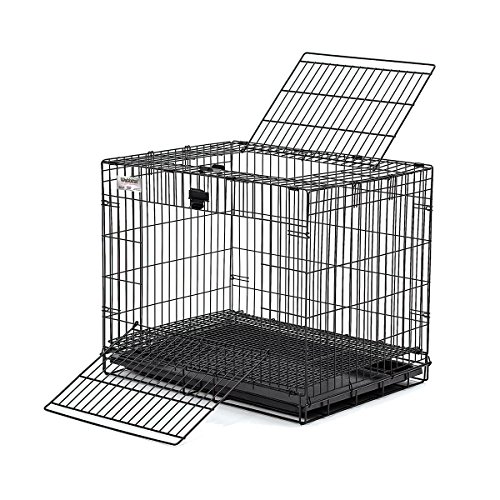
Ferrets are not like other small pets kept in homes. They are not low-maintenance, they are not content to sit in a corner, and they will not stay put if you leave a cabinet door open or a gap under a door unsealed. These high-energy, endlessly curious animals need specialized housing, enrichment, nutrition, and daily handling that goes well beyond what a hamster or guinea pig requires. Before buying anything, prospective owners should read general husbandry guidance such as the Merck Veterinary Manual's exotic and laboratory animals section, which covers ferret biology, housing, and common disease patterns in plain clinical language.
A well-planned ferret environment is the difference between a bored, destructive animal and a happy, thriving one. Ferrets sleep roughly 14 to 18 hours per day according to published care guidance, but the hours they are awake are intense: they run, climb, tunnel, stash objects, and investigate everything with their mouths. That combination — long sleep punctuated by bursts of high activity — shapes every purchasing decision covered below, from cage height to bedding type to the material your hammocks are made from. This guide summarizes what veterinary resources, manufacturer specifications, and long-term owner reports say actually matters, rather than hands-on product trials.
What Makes Ferret Care Different
Ferrets are obligate carnivores in the mustelid family, and their care requirements follow from that biology. They have a short digestive tract and a fast gut transit time, which means they need frequent access to animal-based protein and fat rather than plant-heavy diets. They are also crepuscular-to-flexible in their sleep schedule, adapting somewhat to household rhythms, and they are natural burrowers and hoarders. Published husbandry guidance notes that ferrets tolerate a fairly narrow temperature comfort zone — roughly 60 to 80 degrees Fahrenheit — and that temperatures above 85 to 90 degrees put them at real risk of heat stress, since they do not sweat effectively and cannot pant like dogs. Cage placement, ventilation, and season all matter more than most new owners expect.
Behaviorally, ferrets are escape artists and mouth-oriented explorers. Owner communities consistently report ferrets squeezing through gaps owners thought were sealed, opening cabinet latches with their paws, and swallowing rubber or foam items that then require surgical removal. The ASPCA Animal Poison Control resource is worth bookmarking for the ingestion emergencies ferrets are prone to, and a ferret-savvy veterinarian should be located before you bring one home — the Association of Exotic Mammal Veterinarians maintains a vet-finder for exactly this purpose at aemv.org.
The Single Most Important Purchase: The Cage
Housing is where most of your budget should go, and where the most expensive mistakes are made. Veterinary and welfare guidance generally points toward a multi-level enclosure with a minimum footprint on the order of 24 by 36 inches for one or two ferrets, with more space always better, because ferrets use vertical space enthusiastically via ramps and platforms. Beyond raw dimensions, three specification details separate a good ferret cage from a poor one, and all three can be checked from the manufacturer's published specs before you buy.
Bar spacing. Wire spacing should be no more than about 1 inch, and ideally closer to 3/4 of an inch, because adult ferrets can compress their bodies surprisingly small and kits even more so. Wide bar spacing on cheap cages is the most commonly reported escape route in owner forums. Check the specification, not the marketing copy — some cages marketed for ferrets carry spacing better suited to rabbits or chinchillas.
Flooring and shelves. Ferrets are prone to foot problems on bare wire. Look for solid shelving or full-floor pans, or plan to cover wire surfaces with washable fleece or linoleum remnant. Powder-coated steel is the standard for the wire structure: it resists rust, withstands ferret waste, which is acidic and hard on unprotected metal, and cleans without holding odor the way bare galvanized wire can.
Door security. Ferrets learn to manipulate simple latches, and escape reports frequently involve single-point latch doors. Double-locking or dual-point door mechanisms are a recurring feature in owner recommendations. Full-width double doors that open the entire front of the cage also make daily cleaning and ferret retrieval far easier, which matters when you are doing it twice a day for a decade.
Two Cage Examples Worth Comparing
Rather than a long ranked list, it helps to compare two widely available cage designs that represent the two ends of the mainstream ferret cage market. Neither is the only option, but the trade-offs between them illustrate what you are actually paying for at each price tier.
The premium multi-level design: MidWest Ferret Nation. The Ferret Nation line, including the double-unit Model 182, has been the reference point in ferret housing for over a decade, and its longevity on the market is itself evidence: it remains the cage most often recommended in ferret owner communities and by ferret rescues. The double unit measures approximately 32 by 24 by 54 inches per the manufacturer's specifications, with two full-height levels, wide double doors, removable shelves and ramps, adjustable shelf heights, a stand with casters, and a powder-coated finish. Owner reports consistently describe it as easy to clean thanks to the full-width door openings and removable pans, and as sturdy enough to last through multiple ferrets over many years. The trade-offs are real too: it is one of the most expensive enclosures in the category, it is heavy and awkward to move up stairs, and the standard bar spacing of one inch is not suitable for very young kits, for whom owners commonly add mesh panels or wait until the animals grow. You can check the current price on Amazon to see whether its tier fits your budget, and the same link appears again in the comparison table below.
The value-tier alternative: A&E Cage Co. Ferret Manor. The A&E Ferret Manor occupies the mid-price tier, typically selling at a meaningfully lower price than the Ferret Nation line. Per the manufacturer's listing, it is a two-story habitat measuring roughly 31 by 20 by 54 inches, with multiple platforms, ramps, an included hammock, double-locking doors, and rolling casters. Verified owner feedback describes it as a workable home for one or two ferrets and praises the included accessories and lockable doors. The same feedback flags its compromises honestly: platforms are smaller, the overall build feels lighter-duty than the premium tier, and ramp attachments on some units needed zip-tie reinforcement to stop wobble. It suits an owner who wants a tall, functional ferret-specific cage without the premium price, accepting a somewhat narrower footprint and lighter construction. You can view this option on Amazon to compare its current specifications side by side with the premium option.
Whichever direction you go, avoid the small multi-level starter cages sometimes marketed to first-time ferret owners. Rescues and experienced owners repeatedly report these being outgrown or escaped from within weeks, and they are better treated as temporary quarantine or travel housing than as a permanent home. A large, well-configured cage plus several hours of supervised out-of-cage play daily is the pattern that veterinary guidance and ferret welfare organizations converge on.
| Cage | Approx. size | Tier | Standout characteristics | Link |
|---|---|---|---|---|
| MidWest Ferret Nation 182 | 32 x 24 x 54 in, two levels | Premium | Full-width double doors, removable pans, long service life per owner reports | check the current price on Amazon |
| A&E Cage Co. Ferret Manor | 31 x 20 x 54 in, two levels | Mid-range | Includes hammock, double-locking doors, casters; lighter build | view this option on Amazon |
Bedding: What Goes on the Floor
There are two mainstream approaches to ferret flooring, and most experienced keepers use both. The first is loose paper-based bedding in the pan, of which Kaytee Clean and Cozy is the most widely available example; manufacturer specifications describe it as paper-based, low-dust, and expandable to several times its packed volume when fluffed. Owner feedback on paper bedding in general credits it with good odor absorption and softness, while also noting two honest limitations: some ferrets will shovel or attempt to eat loose bedding, requiring a switch to liners, and paper bedding tracks out of the cage and around the room more than liners do.
The second approach is fleece liners, either commercial cage liners cut to fit specific cage models or DIY fleece blankets. Fleece liners wash in a normal machine cycle, produce no dust or tracked litter, and pair naturally with the hammocks ferrets love. The trade-off is laundry frequency — liners need changing at least every few days because ferret urine is pungent — and the absolute rule that foam backing must never be exposed, since ingested foam is one of the most common foreign-body surgeries reported in ferrets. Cedar and pine shavings, still sold for other small pets, should be avoided for ferrets; the aromatic oils are associated with respiratory irritation in small mammals and are not recommended in published husbandry guidance.
Food and Water: Non-Negotiable Specifications
Ferret nutrition is where research matters most, because ferrets are strict carnivores and many products marketed toward them, and nearly all budget cat foods, do not meet their needs. The consensus from veterinary sources is a diet built on animal-based protein in the range of 30 to 40 percent, fat in the range of 15 to 20 percent, fiber kept low at roughly 2 to 5 percent maximum, and guaranteed taurine, an amino acid ferrets cannot synthesize adequately and which supports heart and retinal health. Marshalls Premium Ferret Diet is one widely stocked example formulated to those targets, with a stated 36 percent protein and 20 percent fat plus supplemental taurine; owner feedback is mixed on palatability, with some ferrets eating it readily and others refusing it, and some keepers note the ingredient list includes plant-derived fillers, which is a fair criticism to weigh against kibble formulated with higher meat content. Regardless of brand, read the guaranteed analysis and the first several ingredients — named meat meals should dominate, and corn or grain first positions are a warning sign.
For water, most keepers use a combination of a heavy ceramic bowl and a hanging bottle. Ferrets drink more than owners expect, and they also delight in tipping light bowls, so weight matters. A 32-ounce bottle with a wide mouth, such as the Lixit designs commonly used, needs refilling only every couple of days and the wide mouth allows a bottle brush inside; the known failure modes reported by owners are slow dripping in warm weather and plastic scratching over time, so check the seal and the ball bearing weekly. Bowls should be placed far from the litter corner, because ferrets are fastidious about separating their toilet area from food and will refuse, or contaminate, a bowl placed too close.
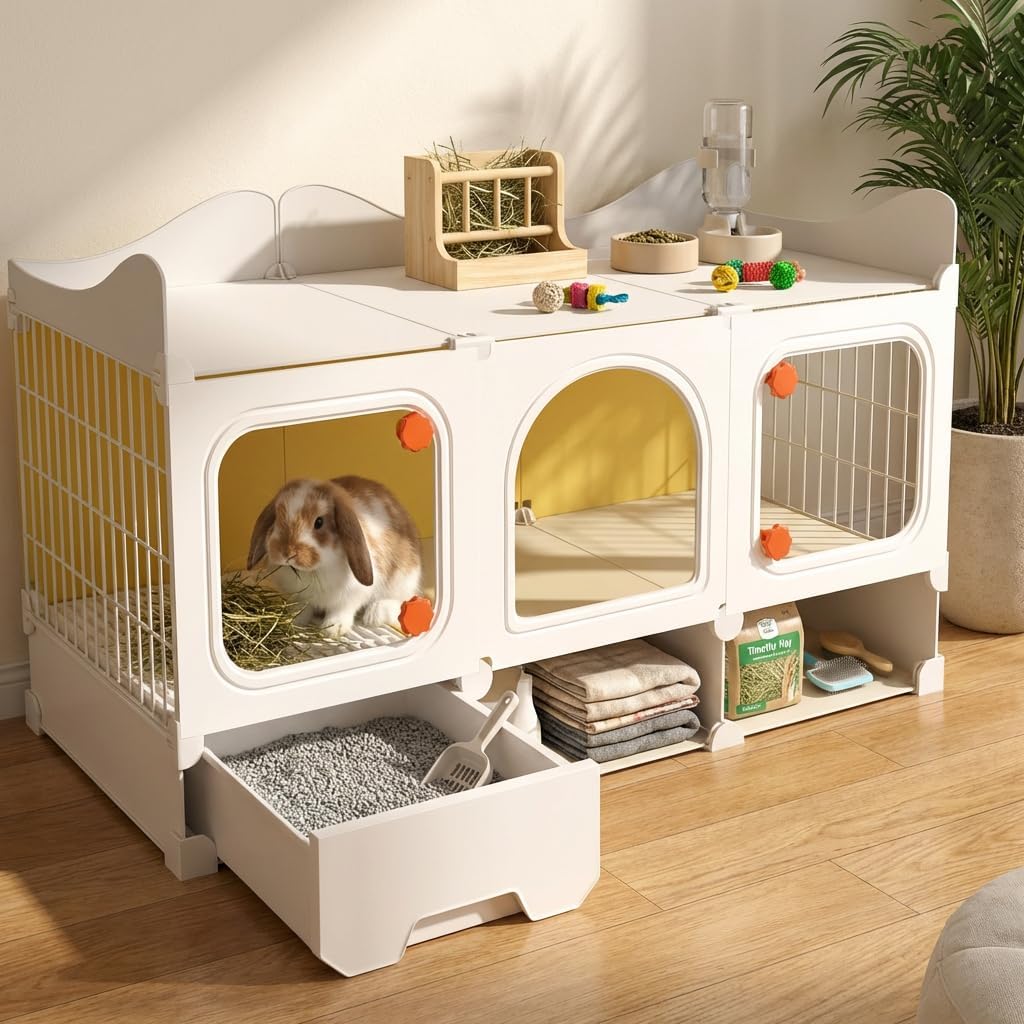
Bedding Accessories: Hammocks and Hideaways
Ferrets sleep long hours and they prefer to sleep suspended, enclosed, or both. Fleece hammocks, sleep sacks, cube hides, and tunnel-style hanging beds are staples of every experienced ferret setup, and multi-packs sold to fit the Ferret Nation dimensions are a common purchase. The specifications that matter are simple: machine-washable fleece, metal hardware rather than plastic clips, and seams that will not expose stuffing or foam. Owner reports consistently note that heavy chewers will eventually chew through fleece edges, so suspended beds are not appropriate for a confirmed fabric chewer without supervision. Hang hammocks at different levels so a fall from an upper platform lands in fabric rather than on a hard pan, and rotate or swap styles periodically — ferrets form strong sleeping preferences, and many owners report a formerly ignored hammock becoming the favorite after a wash or a move.
Litter and Toileting
Most ferrets can be litter trained to a corner pan, though perfection is unrealistic — even well-trained ferrets back up to the wrong corner occasionally. Use a high-backed corner pan attached to the cage wall, because ferrets back into corners to eliminate and will overshoot a low pan. Paper pellet litter is the standard recommendation; clumping clay litter is specifically discouraged because it clumps in moisture and can cause intestinal blockage if ingested, and clay dust is hard on ferret respiratory tracts. Spot-clean daily and do a full litter change at least weekly — ferret odor is very manageable when waste is removed promptly, and overwhelming odor is usually a cleaning-schedule problem rather than a product problem.
Enrichment and Chew Safety
Enrichment for ferrets falls into a few categories: tunnels and tubes sized for ferret bodies, digging boxes filled with rice or biodegradable packing pellets, hidden-food foraging games, supervised exploration of ferret-proofed rooms, and safe chew items. Hard rubber toys, edible chew sticks marketed for ferrets, and sturdy cat toys with securely attached parts are the usual choices. The critical safety rule, repeated across veterinary and owner sources, is that soft rubber, foam, erasers, earbuds, and similar items must be kept out of reach — intestinal foreign bodies from ingested rubber are among the most common ferret emergencies. Durable digestible chews, such as the N-Bone ferret chew sticks, are reported by owners to help with dental wear and to be well accepted, with the trade-offs of crumb mess and fading appeal over time. Rotate toys weekly; ferrets cache and forget, so a toy hidden for a week is a new toy again.
Setting Up the Cage Step by Step
1. Location. Choose a socially active but not chaotic room, away from direct sunlight, drafts, and heaters, and keep ambient temperature within roughly 60 to 80 degrees Fahrenheit. Ferrets overheat easily, so never place the cage in front of a window with afternoon sun.
2. Flooring. Add two to three inches of paper bedding to the base pan or fit a washable fleece liner, and cover any wire shelves with solid material or fleece.
3. Litter corner. Ferrets usually choose a back corner; put the high-backed pan where they already prefer to go rather than forcing a location.
4. Food and water. Place heavy ceramic bowls and the water bottle at the opposite end from the litter pan and away from bedding, since ferrets enjoy burying food caches in fabric.
5. Sleeping areas. Hang hammocks at multiple levels, add at least one enclosed hide such as a fleece cube or sleep sack per ferret, and position something soft below high perches.
6. Enrichment. Attach a tunnel or two, a dig box if the cage is large enough, and rotate dangling and chew toys on a weekly cycle.
7. Out-of-cage time. Plan for at least four hours of supervised play daily in a ferret-proofed room: gaps sealed at floor level, cabinets locked, wires protected, houseplants and small rubber objects removed. For general pet-safety background on household hazards, the ASPCA pet care library is a useful reference.
Nutrition Details Worth Knowing
Beyond the headline protein and fat numbers, two practical points recur in ferret nutrition guidance. First, because of their short digestive tract, ferrets should have food available essentially at all times rather than fed in two discrete meals; they eat small amounts frequently. Second, treats should be meat-based — bits of cooked chicken, or commercial meat-based ferret treats — and never sugary items, dairy, fruit, or vegetables, which ferrets digest poorly and which are linked over time to dental disease and to insulinoma, a pancreatic tumor that is extremely common in domestic ferrets. Fresh water access is constant, and any food switch should be gradual, mixing old and new kibble over one to two weeks, because ferrets imprint on foods young and can be stubborn about novelty.
Common Mistakes New Ferret Owners Make
- Buying a cage that is too small or has bar spacing over one inch, leading to escapes or re-purchases within months.
- Using clumping clay litter or cedar shavings, both of which carry documented health risks for mustelids.
- Leaving rubber, foam, or eraser-type objects reachable during play time, the leading cause of emergency surgery.
- Feeding cheap plant-heavy cat food long-term instead of a diet built on animal protein, fat, and taurine.
- Skipping daily interaction; ferrets are intensely social and a single ferret needs substantial committed human play time, which is why bonded pairs often do better.
- Housing in a hot room or direct sun; ferrets cannot tolerate temperatures that a cat would shrug off.
- Not locating an exotic-mammal veterinarian before illness appears — adrenal disease, insulinoma, and lymphoma are common in ferrets and general-practice vets may lack mustelid experience.
Frequently Asked Questions
How much space do ferrets need? Published guidance and welfare organizations point to a minimum of roughly 4 cubic feet of enclosure per ferret with multi-level access, and more is always better. Cage space is a base, not a substitute for a minimum of four hours of daily supervised out-of-cage exercise.
Can ferrets be litter trained? Yes, most ferrets take readily to a corner pan with paper pellet litter. Expect near-perfect rather than perfect placement, and clean the pan daily. Never use clumping clay litter.
Should I get one or two ferrets? Ferrets are social and generally thrive in pairs or small groups, entertaining each other during waking hours. A single ferret can do well but requires a serious commitment of daily interactive play from the owner.
How long do ferrets live? Typically 6 to 10 years with good care. Adrenal gland disease, insulinoma, and lymphoma are the conditions owners most need to know about in advance, which is another reason to establish care with a ferret-experienced vet early.
Do ferrets smell? Desexed ferrets kept on clean paper bedding or fleece, with daily litter cleaning, have a mild musky odor most owners describe as pleasant or neutral. Intact males carry a strong musk, and bathing too often actually worsens odor by stimulating oil production in the skin.
Final Thoughts
If the budget allows, the Ferret Nation double unit's full-width doors, removable pans, and long track record in the ferret community make it the enclosure most owners never regret buying; the mid-price Ferret Manor is the reasonable alternative when footprint and cost are tighter. Around whichever cage you choose, the same priorities apply: solid or covered flooring, paper pellet litter in a high-backed corner pan, a meat-first diet with taurine always available, washable fleece sleeping spots at multiple levels, and a ferret-proofed room for daily play. Ferrets are not low-maintenance starter pets — they need daily interaction, specialized nutrition, and exotic-savvy veterinary care across a decade-long lifespan. For owners willing to make that commitment, they are among the most playful and personable companion animals you can share a home with.
Affiliate Disclosure: Some of the links above are Amazon affiliate links (tag: nannan09-20). PawCritic earns a small commission at no extra cost to you. This guide is based on published veterinary guidance, manufacturer specifications, and verified owner reports; PawCritic does not perform hands-on product testing.