Guinea Pig Toys and Enrichment Activities: A Research-Based Buying Guide
Published on July 17, 2026 by PawCritic — Small Pets Category
Guinea pigs are highly social rodents that benefit from enrichment including hay piles, tunnels, and supervised floor time outside the cage. Published guidance from small-animal veterinary sources, including the Association of Exotic Mammal Veterinarians, consistently links environmental stimulation to better welfare outcomes in cavies.
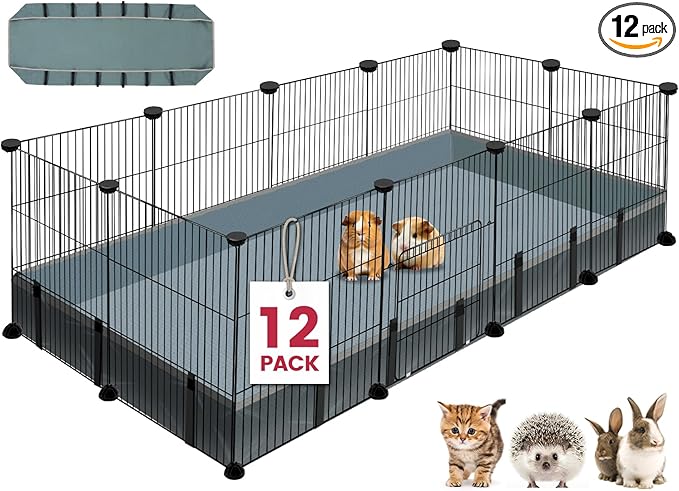
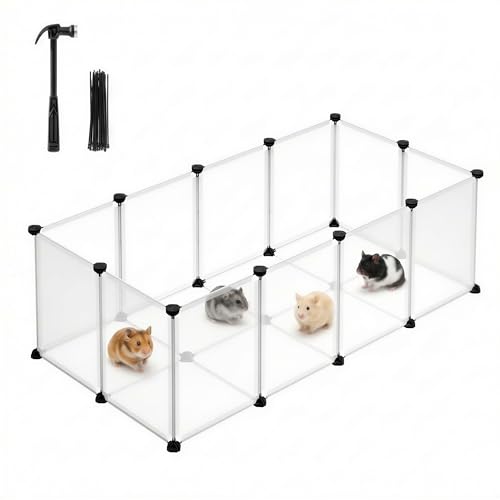
Guinea pigs are more intelligent and socially complex than their reputation suggests. In the wild, cavies roam sizable territories, forage across varied ground cover, live in structured herds, and investigate their surroundings constantly. A standard cage with a water bottle, a food bowl, and one hidey house supplies only a fraction of the stimulation a guinea pig's brain is built to process. The predictable result is a bored, under-stimulated, and sometimes physically unwell animal.
Boredom in guinea pigs shows up as over-grooming, bar chewing, lethargy, weight gain, and a higher susceptibility to illness. Enrichment — the practice of providing stimulating environments and activities — is not a luxury for cavies. It is a welfare requirement supported by published behavioral guidance and by the observations of experienced owners and exotic-animal veterinarians. The market for small-pet enrichment has expanded considerably, with tunnels, foraging toys, chewable structures, and interactive puzzles designed specifically for guinea pigs.
This guide explains what to look for in guinea pig enrichment, how to evaluate materials and safety, how to build a rotation that keeps novelty high, and which categories matter most for dental and digestive health. It is written as a reference guide: claims trace to published guidance, manufacturer specifications, and verified owner reports rather than to any hands-on laboratory protocol. Two concrete examples are linked so readers can see current specifications and pricing.
Why Enrichment Matters for Guinea Pigs
The case for enrichment rests on anatomy and behavior. Guinea pig incisors and cheek teeth grow continuously throughout life — roughly two to three millimeters per week for the front teeth — and they are worn down by the abrasive silica in grass hay and by gnawing on safe woody materials. Without adequate chewing outlets, malocclusion develops, the teeth overgrow, and eating becomes painful. Dental disease is one of the most common reasons guinea pigs are presented to exotic-animal veterinarians, and it is frequently preventable with correct diet and chew access.
Movement matters just as much. Guinea pigs are prone to pododermatitis, sometimes called bumblefoot, a painful inflammatory condition of the foot pads that is associated with sedentary housing, hard or soiled flooring, and excess body weight. Enrichment that encourages walking, climbing over low obstacles, and exploring a larger footprint improves circulation in the feet and helps maintain a healthy body condition. The Merck Veterinary Manual section on exotic and laboratory animals describes these husbandry-linked conditions in detail and is a useful reference for owners who want to understand the clinical stakes.
Mental stimulation is the third pillar. Guinea pigs are neophilic, meaning they are drawn to novel objects and environments, but the effect fades quickly — typically within two to four days for a single toy. A static cage becomes functionally barren to a cavy within a week. Rotation, rearrangement, and the regular introduction of new textures and scents are what keep an enclosure cognitively interesting. This is why a small number of versatile items, rotated on a schedule, outperforms a large pile of identical toys.
What to Look For in Guinea Pig Enrichment
Material safety comes first. Guinea pigs investigate with their mouths, so anything placed in the cage will eventually be chewed. Safe materials include untreated apple wood, willow, seagrass, loofah, compressed timothy hay, plain cardboard, and unbleached paper. Materials to avoid include soft plastics that can fragment and cause intestinal obstruction, painted or varnished wood, cedar and pine shavings (the aromatic oils are associated with respiratory irritation), and any toy with small metal bells, wire ties, or glued-on plastic eyes that can be detached and swallowed.
Size and geometry matter for tunnels and hideouts. A tunnel should be wide enough that an adult guinea pig — including a large boar — can pass through without squeezing, and it should have at least two openings so that a guinea pig never feels trapped. Single-entrance hides are a common cause of squabbles in pairs and groups, because a subordinate animal can be cornered. The general rule is one hide per guinea pig plus one extra, and tunnels that are open at both ends.
Cleaning practicalities determine whether an item actually stays in rotation. Fleece tunnels and mats should be machine washable, and owners report that a gentle cycle with unscented detergent followed by air drying preserves shape and softness. Wooden items can be scrubbed with hot water and a stiff brush and then dried thoroughly in a low oven; disposable items such as cardboard tubes and paper bags are simply replaced when soiled. Anything that cannot be cleaned or replaced should not be used long-term.
Finally, consider the guinea pig's sensory world. Cavies have sensitive hearing and are startled by sudden high-pitched noises, so jingle bells and rattling plastic are poor choices. They rely heavily on smell to explore, which is why scattering herbs and hay through a foraging setup is so effective. They are prey animals who feel safest under cover, so overhead concealment — a hay bungalow roof, a draped fleece — is often more valuable than an open play structure.
Enrichment Categories That Matter Most
Tunnels and covered runs. Guinea pigs are burrowers by instinct and will run through a tunnel repeatedly, often popcorning at the exit. Flexible fleece tunnels that can be bent into curves, S-shapes, or connected into a loop offer the most configuration value. Look for double-stitched seams, no loose threads, and a wire frame that holds shape without exposed ends.
Edible hideouts. A compressed hay bungalow functions as a hiding spot, a chew toy, and a foraging surface simultaneously. It satisfies the urge to gnaw with a material that is safe to ingest, and it provides the dark, enclosed resting place cavies seek. Expect a single bungalow to last roughly one to two weeks depending on chewing enthusiasm, and treat it as a consumable rather than a durable good.
Chew variety. A chew basket should contain multiple hardness levels and textures: apple sticks, willow balls, seagrass, bamboo, and loofah. Variety prevents habituation and covers the full range of dental wear. Very hard materials such as antler or dense nylon are not appropriate for guinea pigs and can fracture teeth.
Foraging setups. Foraging mats with pockets and flaps, snuffle-style fabric layers, and stuffed hay balls extend feeding time from seconds to many minutes. This mimics natural grazing behavior, supports digestive motility, and provides mental engagement. Foraging is generally the most reliably used category across individual temperaments.
Puzzle feeders. Sliding and flipping puzzle toys work for food-motivated guinea pigs but are the least consistently used category. Many cavies solve the mechanism quickly and then lose interest, and less motivated animals ignore it entirely. Treat puzzles as a supplement to foraging, not a replacement.
Floor-time bases. A washable play mat with a waterproof backing defines a safe supervised area, protects flooring, and can be fitted with stitched loops for hay and vegetables. It is a base layer, not a containment system — guinea pigs can clear low edges, so the room must still be secured.
Two Concrete Examples to Compare
Rather than ranking a long list of products, it helps to look at two representative items that cover the two most important categories — a reusable fleece tunnel and hideout system, and an edible hay hideout. Both are widely available and both illustrate the trade-offs described above.
check the current price on Amazon
The GuineaDad Tunnels and Hideouts Set is a fleece-based system that typically includes flexible tunnels, a hideout cube, and a foraging mat. Manufacturer specifications describe the fabric as machine washable and the tunnels as wide enough for adult guinea pigs, including large boars. Verified owner reports describe the set as holding up well to repeated washing when air dried, and as being reconfigured easily on cleaning day. The trade-off is that fleece requires regular laundering to control odor and ammonia, and it is not a chew-resistant material — a determined chewer can eventually open a seam. It suits owners who want a durable, reusable, configurable system and are willing to maintain a laundry routine.
The Oxbow Timothy Hay Bungalow is a hideout made entirely from compressed timothy hay. Manufacturer specifications describe it as edible and compostable, and owner reports describe guinea pigs using it simultaneously as a shelter, a perch, and a chew. Because it is consumed rather than cleaned, it avoids the laundering burden entirely. The trade-off is lifespan: a heavy chewer can reduce a bungalow to rubble in under a week, so it is a recurring cost rather than a one-time purchase. It suits owners who want a single item that addresses hiding, chewing, and foraging at once, and who accept that it will be destroyed.
Building a Weekly Rotation
Novelty is the mechanism that makes enrichment work, so the goal is not more toys but a schedule that changes what is available. A simple rotation that keeps a cage interesting without overwhelming the guinea pigs looks like this:
- Day 1: Reconfigure tunnels into a new shape and move hideouts to different corners.
- Day 2: Introduce a fresh edible hideout and scatter a few safe herbs on the roof.
- Day 3: Set out a foraging mat stuffed with hay and dried chamomile.
- Day 4: Supervised floor time with a tunnel and a defined play mat for at least thirty minutes.
- Day 5: Swap in three or four new chew pieces from the chew basket.
- Day 6: A homemade activity such as a stuffed cardboard tube or a paper bag maze.
- Day 7: A quieter day with a hay ball and the standard cage setup.
Even rearranging the cage layout counts as enrichment. Moving a hideout from one corner to another forces the guinea pigs to re-map their space, which is a genuine cognitive task for a prey animal. Rotating rather than adding is also what keeps costs and clutter manageable.
DIY Enrichment That Costs Almost Nothing
Some of the most effective enrichment is essentially free. An empty cardboard tube stuffed with hay and folded closed at both ends gives a guinea pig ten to fifteen minutes of shredding and foraging, and it is replaced rather than cleaned. A paper bag maze made from several lunch bags with holes cut in the sides creates a disposable tunnel system that cavies explore eagerly. Both are safe as long as any tape, staples, and glossy printed inserts are removed first.
Vegetable skewers are another option: thread bell pepper, cucumber, and zucchini onto a wooden skewer with the sharp tip removed and hang it from the cage bars. This encourages stretching and pulling, but skewers require supervision and should be removed after an hour or two. A frozen water bottle wrapped in a fleece sleeve provides a cool surface for warm weather, and a fleece blanket draped over a low stool creates a dark cave that cavies will investigate. As with all floor-time activities, ventilation and supervision are essential.
Safety: What Not to Give Guinea Pigs
Some widely sold small-pet products are unsuitable for guinea pigs. Exercise wheels and hamster balls are the clearest examples: a guinea pig's spine is not built for the sustained curvature a wheel requires, and enclosed balls restrict airflow, cause overheating, and risk toe injuries. Neither product should be used, regardless of how it is marketed.
Enclosed plastic hideouts with limited ventilation are a subtler problem. Guinea pigs are susceptible to respiratory infections, and a stuffy plastic house can trap moisture and concentrate ammonia from urine. Wooden or open-sided hides are generally preferable. Bedding used as play material is another risk: cedar and pine shavings release aromatic compounds associated with respiratory irritation and should not be used in enrichment setups at all.
Finally, check every item for small detachable parts. Bells, plastic eyes, wire twist ties, and glued-on decorations are all choking and obstruction hazards. Fresh foods used as treats should be checked against a reliable toxicity list — the ASPCA Animal Poison Control resource is the standard reference for plants and foods that are unsafe for small pets, and the ASPCA pet care library covers general small-animal husbandry.
Matching Enrichment to Your Guinea Pigs
Individual temperament drives which items actually get used. Confident, food-motivated cavies take to puzzle feeders and foraging mats quickly. Shy or newly adopted guinea pigs often need cover first — a hay bungalow or a draped fleece — before they will explore open space. Pairs and groups need duplicates of every resource, because competition over a single hide or hay ball is a common source of tension and injury.
Age matters too. Young guinea pigs are more active and will use tunnels and floor-time setups vigorously. Older animals may prefer low-entry hides and softer bedding to protect aging foot pads. Any guinea pig with a history of dental disease should have continuous access to appropriate chew materials rather than intermittent access, and any animal showing weight loss, drooling, or difficulty eating should be seen by an exotic-animal veterinarian rather than treated with enrichment changes alone.
Cleaning and Maintenance
Enrichment only works if it stays hygienic. Fleece tunnels, mats, and hideout cubes should be shaken out daily and laundered weekly with unscented detergent, then air dried to preserve the fabric. Wooden chews can be scrubbed with hot water and a stiff brush and dried completely in a low oven; anything that has been soiled and cannot be fully dried should be discarded, because damp wood grows mold. Edible hay items are replaced rather than cleaned. Cardboard and paper items are single-use.
Avoid bleach and harsh disinfectants on anything a guinea pig will chew, since residue can be ingested. A rotation schedule naturally staggers cleaning: while one set of fleece is in the wash, another is in the cage, which keeps enrichment available without gaps.
Frequently Asked Questions
How many toys does a guinea pig actually need?
Fewer than most owners expect. A functional setup includes one or two tunnels, one or two hides, an edible chew option, a foraging item, and a small rotation of chew pieces — roughly five to seven items in total, cycled weekly. Quantity does not substitute for novelty.
Do guinea pigs get bored of the same toy?
Yes. Neophobia gives way to neophilia quickly, and most cavies lose interest in a specific object within two to four days. Rotation and cage rearrangement are what sustain engagement.
Are plastic toys safe?
Only if they are designed for guinea pigs and made from non-toxic, chew-resistant plastic. Soft plastic fragments are an intestinal obstruction risk, and natural materials such as wood, seagrass, hay, and cardboard are generally safer choices.
How much supervised floor time do guinea pigs need?
Published small-animal guidance generally recommends at least one to two hours of supervised floor time daily, in addition to adequate cage space. Floor time supports movement, exploration, and normal social behavior.
What treats work best in enrichment toys?
High-value options include pea flakes, small pieces of bell pepper, cucumber, or carrot, dried chamomile, and dandelion leaves. Treats should be limited to roughly one to two tablespoons per day for an average adult guinea pig, with hay remaining the bulk of the diet.
Can two guinea pigs share the same toys?
Yes, but provide duplicates. Two hides, two hay balls, and enough floor space prevent one animal from monopolizing resources and reduce the risk of conflict.
How should guinea pig toys be cleaned?
Fleece and fabric items go in the washing machine with unscented detergent and are air dried. Wooden items are scrubbed with hot water and dried thoroughly. Disposable items are replaced. Bleach and harsh chemicals should never be used on anything the guinea pig will chew.
Common Mistakes to Avoid
The most frequent error is treating enrichment as a one-time purchase. A cage stocked once and never changed becomes functionally barren within a week. The second most common mistake is buying a single hide for a pair of guinea pigs, which creates competition and can lead to bites and barbering. A third is choosing toys by appearance rather than by material safety — soft plastic and painted wood are common in small-pet aisles and are poor choices for a determined chewer.
Owners also frequently underestimate the importance of hay as enrichment rather than merely as food. Long-strand grass hay is the primary dental wear surface and the primary driver of digestive motility, so a hay ball or foraging setup that makes hay more interesting is doing double duty. Finally, owners sometimes skip veterinary care because a guinea pig seems merely quiet; lethargy, weight loss, and reduced appetite are clinical signs, not personality traits, and warrant an exotic-animal veterinary assessment.
Summary
Guinea pig enrichment is a welfare requirement grounded in dental anatomy, digestive physiology, and social behavior. The practical formula is straightforward: safe natural materials, at least two exits on every tunnel, one hide per guinea pig plus one, continuous access to appropriate chew material, and a weekly rotation that keeps novelty high. A reusable fleece tunnel and hideout system covers the exploration category well for owners willing to maintain a laundry routine, while an edible hay bungalow covers hiding, chewing, and foraging in a single consumable item. Together with a small chew basket, a foraging mat, and regular supervised floor time, those few items cover nearly everything a cavy needs.
check the current price on Amazon
Affiliate Disclosure: Some of the links above are Amazon affiliate links (tag: nannan09-20). We earn a small commission at no extra cost to you. Products are selected based on published specifications, manufacturer documentation, and verified owner reports.