Rabbit Toys and Enrichment Supplies: A Research-Based Buying Guide
Published on June 18, 2026 by PawCritic — Small Pets Category
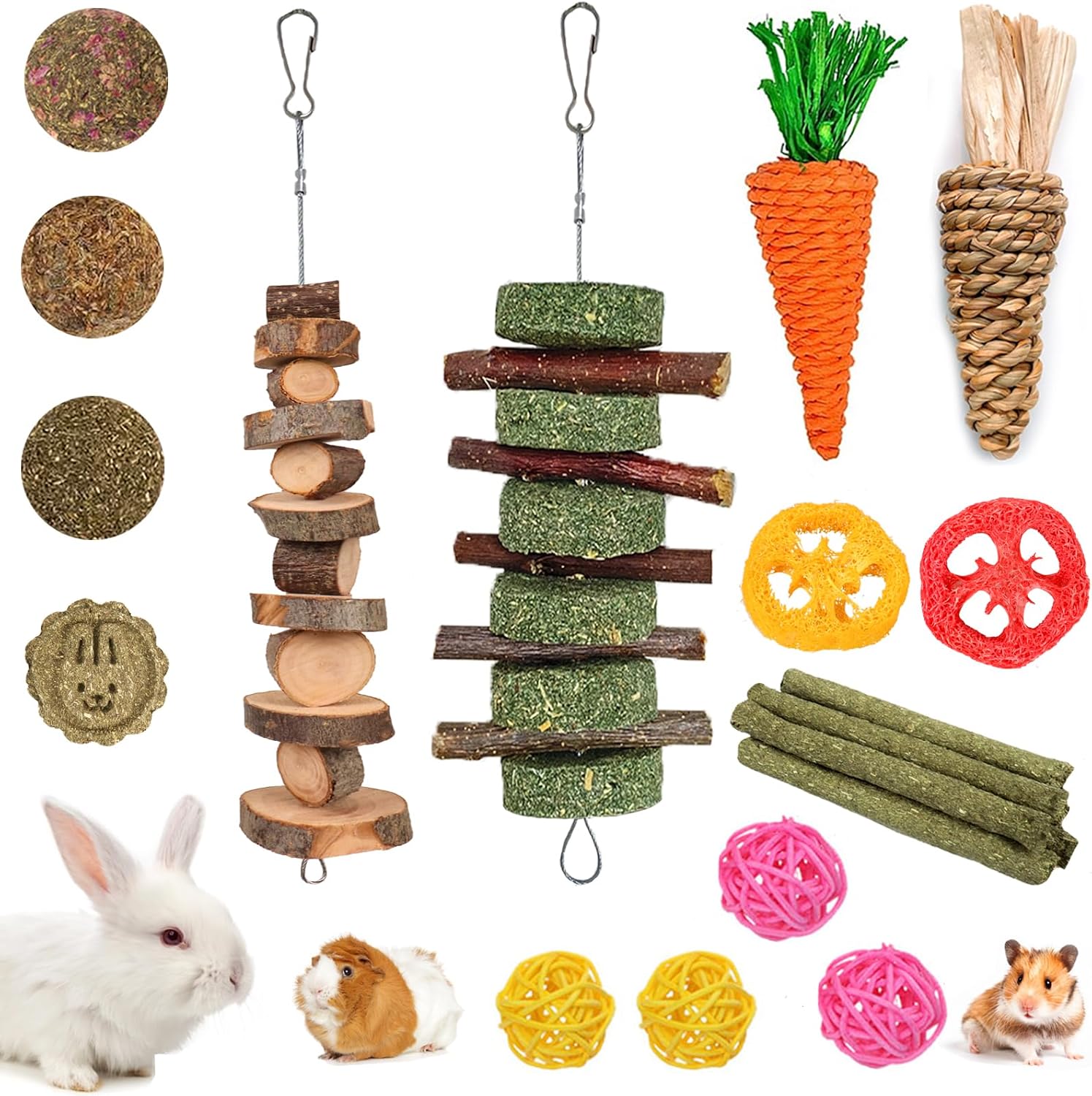
Rabbits are intelligent, social animals with a strong drive to chew, dig, tunnel, and forage. Without outlets for those behaviors, they redirect their energy into baseboards, carpet, and furniture, and the stress of a barren environment can contribute to serious health problems. The Merck Veterinary Manual notes that gastrointestinal stasis, a potentially fatal slowdown of the digestive tract, is one of the most common conditions in pet rabbits and is frequently associated with stress, pain, and inadequate fiber intake: Merck Veterinary Manual on exotic and laboratory animals. The Association of Exotic Mammal Veterinarians likewise treats environmental enrichment as a core part of routine rabbit wellness care: Association of Exotic Mammal Veterinarians.
This guide is a reference document, not a hands-on test report. PawCritic does not run a laboratory, does not use instruments, and does not put products through timed trial periods. Every claim below is drawn from published veterinary guidance, manufacturer specifications, or the verified reports of owners who have used the items in their own homes. Where a claim cannot be attributed to one of those sources, it has been left out.
Because this is a buying guide rather than a ranked competition, the goal is to explain what actually matters when you shop: which materials are safe to chew, which sizes fit which breeds, how to rotate enrichment so it stays interesting, and where the honest trade-offs sit. One concrete product example is linked throughout so you can see how the criteria apply in practice — you can check the current price on Amazon if you want to compare it against what you already own.
Why Enrichment Is a Health Issue, Not a Luxury
Rabbit incisors and cheek teeth grow continuously throughout life. Published veterinary guidance from the Merck Veterinary Manual describes how insufficient chewing leads to overgrown molars, sharp enamel points, and secondary problems such as drooling, weight loss, and abscesses. Hay is the primary wear surface for cheek teeth, but gnawing on safe wood, willow, and woven plant fibers adds additional wear and occupies the hours a rabbit would otherwise spend grazing.
Digging and tunneling are equally hardwired. Wild rabbits live in warren systems with multiple entrances, and domestic rabbits retain the instinct to push through enclosed spaces, rearrange bedding, and excavate. A fabric tunnel or a cardboard box filled with shredded paper satisfies that drive in a way that a food bowl never can. Foraging is the third pillar: scattering hay and hiding pellets in paper bags, cardboard tubes, or woven balls turns a two-minute meal into a twenty-minute activity.
The fourth pillar is social contact. Rabbits are colony animals, and a rabbit kept alone needs more human interaction and more environmental complexity, not less. Enrichment items do not replace companionship, but they reduce the boredom that leads to barbering, cage pacing, and destructive chewing.
What to Look For: Materials, Safety, and Sizing
Safe materials
Untreated willow, apple wood, bamboo, seagrass, timothy hay, orchard grass, plain cardboard, and untreated pine are the standard safe chew materials cited in small-pet care literature. Anything dyed, varnished, glued, stapled, or scented should be avoided. The ASPCA pet care library maintains general guidance on household hazards for small pets, and the ASPCA Animal Poison Control database is the reference point for checking whether a plant or wood is toxic: ASPCA Animal Poison Control. Owners frequently report that rabbits will chew painted baseboards and furniture edges, so the environment around the toy matters as much as the toy itself.
Size and breed fit
Dwarf breeds under roughly four pounds do best with toys they can pick up and toss — small willow balls, short apple sticks, and lightweight woven shapes. Medium breeds such as Dutch and Rex rabbits handle mid-size tunnels and standard hay-stuffed cardboard tubes. Large breeds including Flemish Giants and Continental Giants need tunnels with an internal diameter of at least ten inches, sturdier chew blocks, and hideouts they can turn around inside. A toy that a dwarf carries around the room is a toy a giant may swallow, so check openings against your rabbit's head width before leaving anything unattended.
Durability expectations
Natural plant-fiber toys are consumable by design. A woven seagrass ball may last days for a determined chewer and weeks for a casual one. Pumice blocks and dense hardwood pieces last months. Fabric tunnels sit in a middle category: the frame outlasts the cover, and the cover is usually the failure point. Planning for replacement is part of the budget, not a sign that a product was defective.
A Closer Look at a Foraging and Chew Example
One widely available category example is a timothy-hay-based foraging roll that combines compressed hay with dried botanicals such as chamomile, marigold, and rose hips inside a cardboard tube. The manufacturer specifies that all components are edible and rabbit-safe, which matters because a toy that cannot be fully consumed creates a hidden risk if a rabbit shreds and swallows it. You can view this option on Amazon to see the current pack configuration and ingredient list.
Owner reports describe the strongest engagement in the first session, with some rabbits finishing a roll in under half an hour and others returning to it over several days. That variability is normal and reflects individual temperament rather than product quality. The trade-off is straightforward: the rolls are more expensive per unit than a plain willow ball, and heavy chewers will go through a multi-pack quickly. For a rabbit that ignores plain wood chews entirely, the botanical scent is often what tips the behavior, which makes the higher per-unit cost easier to justify.
Building a Rotation: Chew, Tunnel, Forage, Climb
A practical rotation covers four behavior categories and swaps items weekly rather than buying constantly. The table below organizes the categories, the materials that suit each, and the maintenance each one requires.
| Behavior | Typical materials | Breed fit | Maintenance |
|---|---|---|---|
| Chewing | Willow, apple wood, bamboo, pumice, seagrass | All sizes; smaller pieces for dwarfs | Replace when splintered or mostly consumed |
| Tunneling | Nylon over wire, fleece, cardboard tubes | 10 inch diameter minimum for giants | Wash fabric weekly; inspect wire for exposure |
| Foraging | Hay-stuffed rolls, woven balls, snuffle mats | All sizes; adjust opening size | Refill daily; discard soiled material |
| Climbing and jumping | Low boxes, wide-platform cat trees, ramps | Stable bases for large breeds | Check for wobble and sharp edges |
Rotation itself is the cheapest enrichment tool available. Storing unused toys in a sealed container with a handful of hay transfers the hay scent onto the toy, and many owners report that a toy ignored for two weeks becomes interesting again when it reappears with a new smell.
Chew Toys and Dental Wear
Chew toys serve two functions: they occupy time, and they contribute to dental wear. Willow and apple wood are the traditional choices because they are hard enough to require real gnawing but soft enough to break down into small, digestible fibers. Bamboo is denser and lasts longer, which suits rabbits that destroy softer toys within a day. Pumice blocks occupy a different niche — they are not edible in the nutritional sense, but they provide a textured surface that rabbits rub their incisors against, and a single block can remain in a cage for months.
The honest limitation of chew toys is that not every rabbit uses them. Some rabbits ignore wood entirely and prefer to chew cardboard, fabric, or the corner of a litter box. In those cases, matching the toy to the observed behavior works better than buying more of what the rabbit already ignores. A rabbit that shreds cardboard boxes will often accept a hay-stuffed cardboard tube; a rabbit that chews fabric may need a sturdier fabric tunnel rather than a fleece hideout.
Tunnels, Hideouts, and the Fabric Question
Fabric tunnels are the most popular enrichment category for indoor rabbits, and they are also the category with the most predictable failure mode. The nylon or polyester cover is not edible, and a determined chewer can open a seam within days. Once the wire frame is exposed, the tunnel becomes a puncture and entanglement risk and should be retired. Machine-washable covers extend the useful life considerably, but the frame should be inspected every time the cover comes off.
Combination hideout-and-tunnel designs suit shy rabbits that need a retreat within reach of their play area. A waterproof base is a meaningful specification for any fabric hideout, because urine saturation is the most common reason these items are discarded early. Hand-wash-only fleece is comfortable but pills over time, so buyers should expect a shorter lifespan than a machine-washable nylon tunnel of similar price.
Cardboard tubes remain the cheapest tunnel option and the easiest to replace. A plain, ink-free shipping tube or a paper towel roll stuffed with hay provides both a tunnel and a foraging station, and it can be composted when soiled.
Foraging Tools and Slow Feeding
Foraging tools range from woven seagrass balls with small openings to snuffle mats and hay-stuffed paper bags. The purpose is to slow food intake and convert mealtime into activity. Woven plant-fiber balls can be refilled repeatedly until they are destroyed, which makes them good value despite a short lifespan. Snuffle mats, borrowed from dog enrichment, work well for pellets and dried herbs and are usually machine washable.
The most common design flaw in treat balls is an opening that is too large, letting pellets fall out immediately. Owners frequently report solving this by mixing pellets with hay so the hay plugs the opening and the rabbit has to work the food loose. The second most common issue is material breakdown: seagrass and willow both splinter when shredded, so foraging toys should be checked daily for sharp fragments.
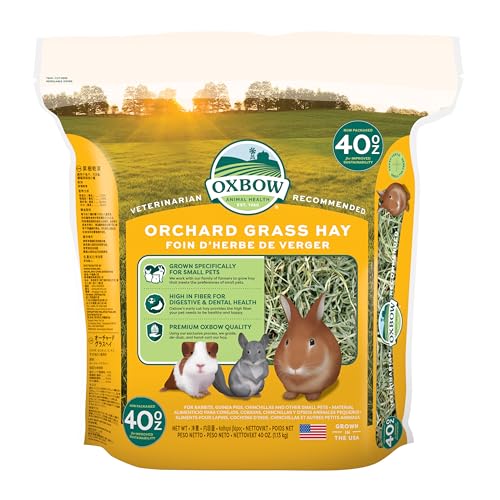
Hay itself is the foundation of both diet and enrichment. Long-strand timothy or orchard grass can be stuffed into bags, tubes, and racks rather than placed in a single pile. Orchard grass is often recommended for rabbits that show sensitivity to timothy, and botanical blends with dried flowers add scent variety. Buying hay in larger boxes lowers the per-pound cost but requires dry storage, since damp hay molds quickly.
Safety Checks Before and After Purchase
Before introducing any new item, check for staples, glue, wire ends, loose twine, and small detachable parts. Twine used to hang treats should be removed before the rabbit is left alone with the item, because swallowed string is a recognized cause of intestinal blockage in small pets. After introduction, supervise the first session and remove anything that has been reduced to sharp fragments.
Exercise balls designed for rodents are not appropriate for rabbits. The House Rabbit Society advises against them because a rabbit's spine does not flex backward the way a rodent's does, and the enclosed design limits ventilation and traps toes. Supervised free-roam time in a rabbit-proofed room is the safer form of exercise.
Household hazards deserve the same attention as toy hazards. Electrical cords, houseplants, and human foods are common sources of poisoning in rabbits, and the ASPCA Animal Poison Control database is the appropriate reference when an exposure is suspected. The ASPCA pet care library also publishes general small-pet guidance that covers diet, housing, and common household risks: ASPCA pet care library.
Common Mistakes Owners Make
The first mistake is buying a single expensive toy and leaving it in the cage permanently. Novelty drives engagement, and a toy that has been in the same spot for a month is functionally invisible. Rotating three or four items weekly produces more activity than adding a fifth permanent item.
The second mistake is choosing toys by appearance rather than behavior. A rabbit that digs at carpet needs a dig box, not a chew toy. A rabbit that tosses its food bowl needs a treat ball, not another willow stick. Observing the behavior first and matching the toy second is more effective than buying across every category at once.
The third mistake is underestimating space. Cramped housing suppresses enrichment use regardless of how many toys are present. The fourth is ignoring wear. Frayed fabric, exposed wire, splintered wood, and urine-soaked material should be removed immediately rather than kept in service until a replacement arrives.
Maintenance and Replacement Schedule
- Daily: remove soiled hay, check chew toys for sharp edges, refill foraging items.
- Weekly: wash fabric tunnel covers and hideout liners, rotate the active toy set, inspect wire frames for exposure.
- Monthly: check pumice blocks and hardwood chews for cracks, replace any item with loose parts.
- As needed: retire any fabric item with holes, any wood item reduced to splinters, and any cardboard item that has been urinated on.
Consumable toys should be budgeted as a recurring cost rather than a one-time purchase. A household with one medium rabbit typically replaces woven and cardboard items every few weeks and fabric covers every few months, while pumice and dense hardwood items may last a full season.
Frequently Asked Questions
How many toys should be available at once?
Published small-pet guidance generally suggests offering at least one chew item, one tunnel or hideout, and one foraging activity at all times, with one or two additional items rotated in weekly. The exact number matters less than variety across behavior categories.
Are cat toys safe for rabbits?
Some are. Plain cardboard balls, crinkle tunnels, and wide-platform cat trees can work well. Avoid anything with bells that have cracked edges, synthetic feathers, loose string, or small plastic parts that could be swallowed.
Can rabbit toys be homemade?
Yes, and homemade items are often the most cost-effective. Stuffing a plain cardboard tube with hay and dried herbs, cutting doorways into an ink-free cardboard box, or braiding untreated apple twigs are all common approaches. Use only untreated, unprinted cardboard and woods known to be safe for rabbits.
What if the rabbit ignores every toy?
Check space and housing first, then try scent transfer by storing toys with hay. Match the toy to the behavior the rabbit already performs, and introduce one item at a time rather than several at once. Some rabbits strongly prefer destructible items such as cardboard boxes over manufactured toys.
Are exercise balls appropriate for rabbits?
No. The House Rabbit Society advises against them because of spinal stress, limited ventilation, and toe entrapment. Tunnels, pens, and supervised free-roam are the recommended alternatives.
Putting It Together
A complete enrichment setup does not require a large budget. It requires coverage of four behaviors, safe materials, correct sizing for the breed, and a rotation schedule that keeps novelty high. Chew items address dental wear and occupy time; tunnels and hideouts address tunneling and provide retreat; foraging tools slow feeding and add mental work; climbing and jumping surfaces support physical conditioning.
When evaluating any specific product, verify the material list against published safety guidance, check the dimensions against your rabbit's size, and read owner reports for the failure mode — frayed seams, splintering, or openings that are too large. If you want a concrete starting point for the foraging and chew category, you can check the current price on Amazon and compare the specification against the criteria above. A second example in the same category, an orchard-grass-based variation, is also available if you want to compare formulations: view this option on Amazon.
Finally, treat enrichment as preventive care rather than entertainment. Dental disease, gastrointestinal stasis, and stress-related behaviors are all influenced by how much opportunity a rabbit has to chew, move, dig, and forage. The toys are the delivery mechanism; the behaviors are the point.
Affiliate Disclosure: PawCritic is a participant in the Amazon Services LLC Associates Program, an affiliate advertising program designed to provide a means for sites to earn advertising fees by linking to Amazon.com and affiliated sites. Purchases made through links on this page help support our independent research at no extra cost to you. This article is based on published guidance, manufacturer specifications, and verified owner reports; PawCritic does not perform hands-on product testing.
Last updated: June 18, 2026. Prices and availability are subject to change. Always verify current pricing on Amazon before purchasing.