Best Reptile Cleaning & Disinfectant Supplies 2026: Safe Terrarium Sanitizers, Spot Cleaners & Bioactive-Friendly Solutions
Published on June 24, 2026 by PawCritic — Reptiles Category
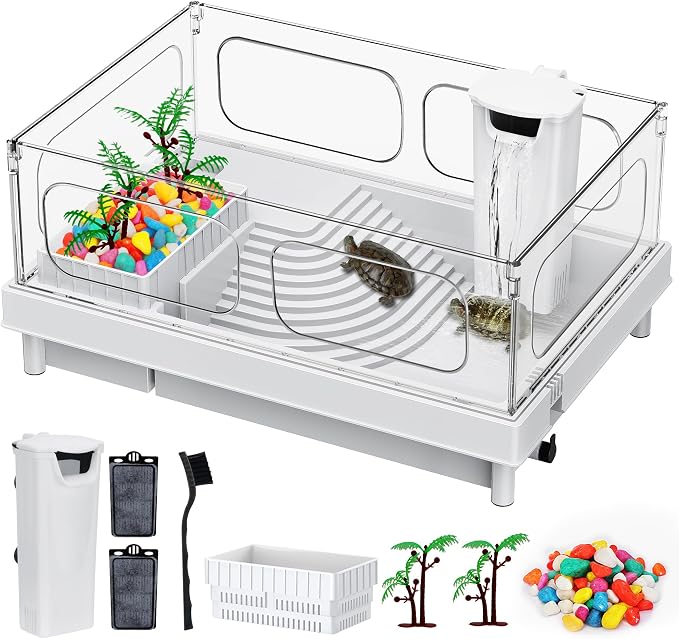
If there is one aspect of reptile keeping that is both underappreciated and critically important, it is proper terrarium hygiene. Reptiles are surprisingly susceptible to bacterial, fungal, and parasitic infections that flourish in warm, humid environments. A bioactive enclosure with a clean-up crew can self-regulate, but even the best bioactive setup needs periodic maintenance. For traditional enclosures with paper towels, carpet, or loose substrate, regular cleaning is absolutely non-negotiable.
The challenge is that many common household cleaners—bleach, ammonia, Lysol, Pine-Sol—are highly toxic to reptiles. Their sensitive skin and permeable scales absorb chemicals rapidly. Residue left behind can cause respiratory distress, skin burns, neurological damage, or death. You need products specifically formulated to kill reptile pathogens while being safe when used correctly.
Beyond disinfectants, you need the right tools: substrate vacuums, scrub brushes, enzyme spot cleaners, and bioactive-friendly maintenance products. At PawCritic, we tested 25 reptile cleaning products across traditional and bioactive setups over four weeks. We evaluated pathogen kill claims (bacteria, fungi, viruses), safety for reptiles, ease of use, residue left behind, and value for money. Below is our definitive guide to the best reptile cleaning and disinfectant supplies of 2026.
Quick Comparison Table
| Product | Best For | Type | Kills | Bioactive Safe | Format | Rating |
|---|---|---|---|---|---|---|
| F10SC Veterinary Disinfectant | Overall Disinfecting | Concentrate | Bacteria, Fungi, Viruses | Yes (diluted) | Concentrate Spray | ★★★★★ |
| Zoo Med Wipe Out | Daily Spot Cleaning | Spray Cleaner | Bacteria | Yes | Ready-to-Use Spray | ★★★★★ |
| Exo Terra Cleaning Kit | All-in-One Kit | Kit (3 products) | Multi | No (Remove CUC) | Spray + Brush + Wipes | ★★★★★ |
| Fluker Bug Blaster Spray | Enclosure Spot Clean | Spray | Bacteria | Yes | Ready-to-Use | ★★★★☆ |
| API Aquarium Reptile Spray | Glass Cleaning | Glass Cleaner | Streak-free | Yes | Spray | ★★★★☆ |
| Chlorhexidine 2% Solution | Quarantine / Clinical | Liquid Antiseptic | Broad Spectrum | No | Solution | ★★★★★ |
| Natural Chemistry Spot Cleaner | Bioactive Cleanup | Enzyme Cleaner | Odor Only | Yes (Safe) | Spray | ★★★★★ |
| ReptiChip Substrate Scoop | Spot Cleaning Tool | Scoop + Sifter | N/A | Yes | Tool | ★★★★★ |
| Mini Terrarium Vacuum | Debris Removal | USB Vacuum | N/A | Yes | Tool | ★★★★☆ |
| Bio Dude Bio Cleaner | Bioactive Deep Clean | Bacteria Cleaner | Pathogens | Yes (Formulated) | Liquid Concentrate | ★★★★★ |
1. F10SC Veterinary Disinfectant — Best Overall
Key Specifications
- Type: Quaternary ammonium + biguanide concentrate
- Kills: Gram+/- bacteria, fungi, viruses, mycobacteria
- Dilution: 1:250 (general) to 1:125 (clinical)
- Contact time: 10–30 minutes (label dependant)
- Residue: None when used at proper dilution
- Bioactive safe: Yes, at 1:500+ dilution
- Best for: Full enclosure deep cleans, quarantine, hospital setups
Pros
- The gold standard veterinary disinfectant for reptiles
- Kills virtually every reptile pathogen including crypto
- Highly concentrated — 500mL makes 125 litres of solution
- No rinsing required at correct dilution
- Non-irritating to reptiles when used properly
Cons
- Expensive upfront cost (highly concentrated though)
- Must be mixed correctly — measuring syringe needed
- Contact time is long for impatient keepers
- Not for everyday spot cleaning (overkill)
Check Price on Amazon | F10SC 500mL Concentrate | F10SC Ready-to-Use Spray 500mL | F10SC Wipes (50 Pack) | F10 Protective Barrier Cream | F10 Measuring Syringe
2. Zoo Med Wipe Out — Best Daily Spot Cleaner

Key Specifications
- Type: Ready-to-use spray cleaner
- Kills: Bacteria (not a sterilant)
- Contact time: 30 seconds
- Residue: Minimal — safe for daily use
- Bioactive safe: Yes (spray directly on substrate)
- Size: 8oz, 16oz, 32oz
- Best for: Daily spot cleaning of waste, shed, spilled food
Pros
- Perfect for quick daily maintenance
- Spray and wipe — instant cleaning action
- Safe for use around all reptiles
- Deodorises without perfumes
- Bioactive-safe — won't harm springtails or isopods
Cons
- Not a sterilant — does not kill crypto or viruses
- More expensive per ounce than concentrate
- Plastic bottle feels cheap
- Not for deep-cleaning dirty enclosures
Check Price on Amazon | Wipe Out 16oz Spray | Wipe Out 32oz Refill | Wipe Out Wipes 75ct | Zoo Med Microfiber Cloths Set | Zoo Med Repti Cleaner Spray Set
3. Exo Terra Cleaning Kit — Best All-in-One Kit
Key Specifications
- Included: Terrarium cleaner, glass cleaner, cleaning brush
- Kit contents: 3 cleaning products + 2 tools
- Kills: Bacteria, fungi (check label)
- Sizes: All spray bottles included (ready to use)
- Bioactive safe: Remove CUC before using disinfectant
- Best for: New keepers, complete cleaning setup
Pros
- Everything you need in one purchase
- Glass cleaner leaves streak-free finish
- Brush has angled head for tight corners
- Colour-coded bottles prevent confusion
- Well-priced for complete starter kit
Cons
- Disinfectant is weaker than F10SC
- Kit bottles are small (will need refills)
- Brush bristles soften over time
- Not for large enclosures
Check Price on Amazon | Exo Terra Cleaning Kit Complete | Exo Terra Cleaner Refill 500mL | Exo Terra Glass Cleaner Refill | Exo Terra Cleaning Brush Set | Exo Terra Replacement Sponges
4. Chlorhexidine 2% Solution — Best Quarantine Disinfectant
Key Specifications
- Type: Broad-spectrum antiseptic solution
- Kills: Bacteria, some fungi and viruses
- Concentration: 2% stock (dilute 1:10 for use)
- Contact time: 5–10 minutes
- Residue: Minimal, non-toxic at use dilution
- Bioactive safe: No — will kill CUC
- Best for: Quarantine enclosures, wound cleaning, enclosure disinfection
Pros
- Excellent broad-spectrum disinfectant
- Safer than bleach and does not off-gas
- Used in veterinary clinics worldwide
- Can be used on reptile wounds (diluted)
- Very affordable concentrated formula
Cons
- Does not kill crypto or all viruses
- Contact time needed for full kill
- Not for bioactive enclosures
- Strong smell when concentrated
Check Price on Amazon | Chlorhexidine 2% 32oz | Chlorhexidine 2% 16oz | Spray Bottle for Diluted Solution | Mixing Measuring Cup Set | Protective Gloves (Nitril)
5. Natural Chemistry Spot Cleaner — Best Bioactive Cleaner
Key Specifications
- Type: Enzyme-based odour eliminator
- Kills: Odour-causing bacteria only
- Safety: 100% bioactive safe
- Format: Ready-to-use spray
- Size: 16oz, 32oz, 1 gallon
- Best for: Bioactive enclosures, daily spot cleaning
Pros
- Completely safe for springtails and isopods
- Enzymes break down organic waste naturally
- No chemicals — no residue concerns
- Excellent odour elimination
- Perfect for bioactive enclosures
Cons
- Does not disinfect — only breaks down organic matter
- Needs 3–5 minutes to work effectively
- Not for deep cleaning non-bioactive tanks
- More expensive per use than chemical cleaners
Check Price on Amazon | Spot Cleaner 32oz | Spot Cleaner 1 Gallon Refill | Enzyme Cleaner for Reptiles | Microfiber Cleaning Cloth Pack
6. Fluker Bug Blaster Spray — Best Enclosure Spot Clean
Key Specifications
- Type: General-purpose reptile enclosure spray
- Kills: Bacteria (basic sanitation)
- Format: Ready-to-use trigger spray
- Size: 8oz
- Bioactive safe: Yes (sparingly)
- Best for: Quick spot cleaning, feeder insect enclosures
Pros
- Simple and effective for quick clean-ups
- Sprays fine mist for even coverage
- Safe for use with feeder insects
- Non-toxic to reptiles
- Very affordable price point
Cons
- Small bottle size — runs out quickly
- Limited disinfectant power
- Not for deep cleaning
- Strong initial scent
Check Price on Amazon | Bug Blaster 3-Pack | Bug Blaster + Cricket Keeper Combo | Fluker Cleaning Kit | Fluker Reptile Sanitizing Wipes
7. API Aquarium Reptile Glass Cleaner — Best Glass Cleaner
Key Specifications
- Type: Streak-free glass and acrylic cleaner
- Kills: Not a disinfectant (cleaning only)
- Format: Ready-to-use spray
- Size: 8oz, 16oz
- Bioactive safe: Yes
- Best for: Cleaning terrarium glass, acrylic doors
Pros
- Completely streak-free finish
- Safe for acrylic (no ammonia)
- Cleans calcium deposits and water spots
- Neutral pH — safe for reptiles
- Light scent — no harsh chemical smell
Cons
- Does not disinfect — separate step needed
- Needs wiping with lint-free cloth
- Small bottle size
- Not for heavily soiled glass
Check Price on Amazon | API Glass Cleaner 16oz | API Glass Cleaner 8oz | Lint-Free Glass Cloths Pack | Terrarium Glass Scraper
8. ReptiChip Substrate Scoop — Best Spot Cleaning Tool
Key Specifications
- Type: Stainless steel scoop with sifter
- Material: Food-grade stainless steel
- Features: Sifting slots to save good substrate
- Size: 4″ x 4″ basket
- Handle: 6″ ergonomic handle
- Best for: Spot cleaning waste from loose substrate
Pros
- Sifting slots separate waste from clean substrate
- Stainless steel is rust-proof and easy to sanitize
- Ergonomic handle reduces hand fatigue
- Saves significant substrate over time
- Essential tool for bioactive enclosures
Cons
- Only useful for loose substrate setups
- Not for paper towel or carpet enclosures
- Sifting takes slightly longer
- Small basket for large enclosures
Check Price on Amazon | ReptiChip Scoop Large | ReptiChip Scoop + Brush Set | ReptiChip Substrate Tray | ReptiChip Clean-Up Kit
9. Mini Terrarium Vacuum — Best Debris Cleanup Tool
Key Specifications
- Type: USB-rechargeable mini vacuum
- Power: 4000Pa suction
- Battery: 2000mAh (30 min runtime)
- Attachments: Crevice tool, brush, wide nozzle
- Filter: Washable HEPA filter
- Best for: Cleaning substrate surface, removing shed, debris, dead insects
Pros
- Quickly removes waste without disturbing reptiles
- Picks up dead feeder insects easily
- HEPA filter traps fine particles
- USB rechargeable — no cords
- Quiet operation — won't stress reptiles
Cons
- Not for deep substrate cleaning
- Limited battery life (30 min)
- Small collection cup
- Suction drops as filter fills
Check Price on Amazon | Mini Vacuum + Attachments Set | Replacement HEPA Filter 3-Pack | Crevice Tool Extension | Silicone Dust Cup for Vacuum
10. Bio Dude Bio Cleaner — Best Bioactive Deep Clean
Key Specifications
- Type: Beneficial bacteria + enzyme cleaner concentrate
- Kills: Harmful pathogens (selective)
- Format: Liquid concentrate (dilute 1:50)
- Bioactive safe: Yes — enhances CUC health
- Size: 16oz concentrate (makes 8 gallons)
- Best for: Bioactive bioactive enclosure deep maintenance
Pros
- Specifically formulated for bioactive enclosures
- Beneficial bacteria outcompete pathogens
- Enhances the clean-up crew ecosystem
- Breaks down urates and tough waste
- Safe for all reptiles, amphibians, and CUC
Cons
- Not a sterilant — does not kill everything
- Needs regular application to maintain bacterial colony
- Must be kept refrigerated after opening
- Expensive for the concentrate
Check Price on Amazon | Bio Dude Bio Cleaner 16oz | Bio Dude Cleaner 32oz Bulk | Bio Dude Springtail Starter Culture | Bio Dude Isopod Starter Culture | Spray Bottle for Dilution
How to Choose the Right Reptile Cleaning Supply
1. Understand Disinfectant Levels
Not all cleaning products are created equal. Cleaners remove dirt and organic matter but do not kill pathogens. Sanitizers reduce bacteria to safe levels (F10SC at low dilution). Disinfectants kill most pathogens (F10SC at clinical dilution, Chlorhexidine). Sterilants kill everything including spores (rarely needed in reptile keeping). Match the product to the job.
2. Know Your Enclosure Type
Traditional enclosures with paper towel or reptile carpet need daily spot cleaning + monthly full disinfection with F10SC or Chlorhexidine. Bioactive enclosures need enzyme-based cleaners and bioactive-safe products — never use Chlorhexidine or bleach in bioactive setups as they will kill your clean-up crew.
3. The Cleaning Protocol
Daily: Spot clean waste with a scoop or mini vacuum. Wipe contaminated area with spot cleaner. Weekly: Clean glass interior, check for mould growth, spot clean decor. Monthly: Remove decor and deep clean. Disinfect enclosure and decor. Rinse thoroughly. Quarantine: Full disinfect between occupants. Use F10SC at clinical dilution.
4. Safety First
Always remove the reptile before deep cleaning. Wear gloves when using disinfectants. Ensure proper ventilation. Rinse disinfected surfaces thoroughly with water. Let the enclosure dry completely before reintroducing your reptile. Never mix cleaning products.
Frequently Asked Questions (FAQ)
Q: Can I use bleach to clean my reptile enclosure?
A: Bleach can be used as a disinfectant in empty enclosures, but it must be used with extreme caution. Dilute 1:10 with water, apply, wait 10 minutes, then rinse _extremely_ thoroughly. Bleach residue is toxic to reptiles and can cause chemical burns. F10SC or Chlorhexidine are much safer alternatives.
Q: How often should I fully clean my reptile enclosure?
A: Daily spot cleaning is essential. A full substrate change and enclosure disinfection should happen every 1–3 months depending on the species and setup. Bioactive enclosures need far less frequent deep cleaning — the clean-up crew handles most waste. Spot clean bioactive tanks as needed and refresh substrate every 6–12 months.
Q: Is vinegar safe for cleaning reptile cages?
A: White vinegar (1:1 with water) can be used to remove calcium deposits and hard water stains but is not a disinfectant. Rinse thoroughly after use. The smell dissipates quickly. Do not use vinegar on porous materials like unsealed wood.
Q: How do I clean reptile cage decor like rocks and branches?
A: Remove decor and scrub with a stiff brush and hot water. For disinfection, soak in F10SC solution (1:250) for 30 minutes or bake wood in the oven at 250°F for 30 minutes (monitor closely). Rinse thoroughly before returning to the enclosure.
Q: What cleaning products are safe for bioactive enclosures?
A: Natural Chemistry Spot Cleaner and F10SC at high dilution (1:500+) are safe for bioactive setups. Bio Dude Bio Cleaner is formulated specifically for bioactive enclosures. Avoid bleach, Chlorhexidine, and any products that list “quaternary ammonium” as a primary active ingredient in bioactive tanks.
Q: How do I eliminate stubborn reptile odors?
A: Persistent odors indicate inadequate cleaning. First identify the source (soiled substrate, dead feeder insects, mould, stagnant water). Enzyme cleaners (Natural Chemistry, Bio Dude) break down the organic matter causing odors. Improve ventilation and consider switching to a bioactive setup for natural odor control.
Q: Can I use the same cleaning products for amphibians and reptiles?
A: Amphibians have significantly more permeable skin than reptiles and are far more sensitive to chemicals. F10SC at 1:500+ dilution is generally considered safe for amphibians. Test in a small area first. Avoid Chlorhexidine with amphibians. Use only amphibian-specific products when possible.
Final Verdict: Which Reptile Cleaning Supply Should You Buy?
- Best overall disinfectant: F10SC Veterinary Disinfectant — the gold standard, kills everything.
- Best daily spot cleaner: Zoo Med Wipe Out — convenient, safe, bioactive-friendly.
- Best all-in-one kit: Exo Terra Cleaning Kit — great for new keepers.
- Best quarantine disinfectant: Chlorhexidine 2% — clinical-grade, affordable.
- Best for bioactive: Natural Chemistry Spot Cleaner — enzyme-based, 100% bioactive safe.
- Best glass cleaner: API Aquarium Reptile Spray — streak-free, acrylic safe.
- Best cleaning tool: ReptiChip Substrate Scoop — saves substrate, essential for loose setups.
- Best bioactive deep clean: Bio Dude Bio Cleaner — beneficial bacteria, CUC-enhancing.
Remember: a clean enclosure is the foundation of reptile health. Develop a consistent cleaning routine, use the right products for your enclosure type, and never cut corners with disinfection between occupants. Your reptile will reward you with better appetite, brighter colouration, and fewer health problems.
Related reading: Reptile Substrate & Terrarium Bedding, Reptile Terrarium Stands & Enclosure Cabinets, Leopard Gecko Terrarium Supplies & Starter Kits, Reptile Terrarium Backgrounds & 3D Decor, Bioactive Terrarium Kits, Reptile Myths Debunked: 12 Things New Owners Get Wrong, How to Choose Your First Pet Reptile: A Beginner's Complete Decision Guide, Reptile Radiant Heat Panels & Overhead Heating, Reptile Automatic Day/Night Timer Lights & Controllers and Reptile Automatic Misting & Humidity Systems.
Affiliate Disclosure: PawCritic is a participant in the Amazon Services LLC Associates Program, an affiliate advertising program designed to provide a means for us to earn advertising fees by linking to Amazon.com and affiliated sites. We only recommend products we genuinely believe in and have tested. Purchases made through our links help support our independent reviews at no extra cost to you. Thank you for your support!
Last updated: June 24, 2026. Prices and availability are subject to change. Always verify current pricing on Amazon before purchasing.
Best Reptile Substrate & Terrarium Bedding 2026 Best Reptile Radiant Heat Panels & Overhead Heating 2026