Why Substrate Choice Can Make or Break Your Reptile's Health
Reptile substrate is not just bedding. It is a working part of the habitat that influences humidity, digestion, respiratory health, shedding, and natural behavior. A substrate that is too dusty can irritate the airways, one that stays constantly wet can contribute to scale rot, and one that is swallowed accidentally can cause impaction, a potentially fatal intestinal blockage. Published guidance from the Merck Veterinary Manual's exotic and laboratory animal section repeatedly notes that husbandry factors, including bedding and humidity, are among the most common contributors to preventable illness in captive reptiles.
Owners and veterinarians also report that the right substrate supports burrowing, digging, and foraging, which are natural behaviors that reduce stress. The wrong choice can cause problems that are expensive to treat and sometimes impossible to reverse. This buying guide explains the categories of substrate, the species-specific needs that should drive your decision, and the safety trade-offs that matter most. It is written for keepers who want a substrate that is defensible on animal-welfare grounds, not just one that looks good in a photograph.
Substrate Categories Explained
Substrates generally fall into four functional groups. Understanding the group is more useful than memorizing brand names, because most commercial products are variations on the same few materials.
- Natural and bioactive: Living soil ecosystems that include beneficial microorganisms, isopods, and springtails. These break down waste in place and can be the most enriching option, but they require setup knowledge, a drainage layer, and ongoing management.
- Loose substrates: Coconut coir, cypress mulch, orchid bark, aspen, and sand mixes. These allow natural burrowing and digging. The material should either be small enough to pass through if swallowed, or large enough that it is unlikely to be ingested at all.
- Non-loose surfaces: Reptile carpet, paper towels, and slate tile. These are easy to clean and carry no impaction risk, but they offer no burrowing enrichment for species that need it.
- Sand-based substrates: Washed playsand and sand-soil mixes for desert species. These are the most debated category because impaction risk depends heavily on the animal's age, health, hydration, and feeding method.
What to Look For Before You Buy
The first question is not which brand is best but what your species needs. A ball python that requires 50 to 70 percent humidity has almost nothing in common with a leopard gecko that does best at 30 to 40 percent. Match the substrate to the humidity target first, then to the animal's burrowing behavior, then to your cleaning routine.
Particle size matters more than most new keepers expect. Fine, dusty materials can irritate the eyes and respiratory tract, while very large chunks can be swallowed by mistake during feeding. A useful rule is that the substrate should either be digestible in small amounts or too large to be taken in with a strike. Anything in between is where most impaction cases originate.
Moisture behavior is the second major factor. Coconut coir holds humidity well but can grow mold if it is kept saturated without ventilation or a cleanup crew. Cypress mulch resists rot better in damp conditions. Sand drains and dries quickly, which suits arid species but can dehydrate a tropical animal. Knowing how each material behaves when wet will prevent most of the common husbandry mistakes.
Cleaning burden is the third factor, and it is where many keepers underestimate the long-term cost. Loose substrates require daily spot-cleaning and full replacement every two to three months in non-bioactive setups. Solid surfaces can be wiped down in minutes but need a humid hide to compensate for the lack of moisture retention. Bioactive setups reduce routine cleaning dramatically after they are established, but they demand more planning and an initial investment in a cleanup crew.
reptile substrate
Product-by-Product Guide
The products below are the ones most often cited in keeper communities and manufacturer documentation. They are presented as examples within each category rather than as a ranked list, because the best choice depends on the species and the setup. Where a product is linked, the link goes to a current Amazon listing so you can compare specifications and pricing directly.
Zoo Med Eco Earth Coconut Coir
Eco Earth is compressed coconut coir that expands when soaked in warm water. It is one of the most versatile loose substrates available and is commonly used for tropical and temperate species, either on its own or as a component in a desert mix. Manufacturer specifications describe it as holding moisture well while remaining loose enough for burrowing, and owner reports consistently describe it as odor-absorbing and easy to rehydrate. The trade-off is that it can stay too damp for arid species if it is not allowed to dry between mistings, and it will mold if kept saturated without ventilation or a cleanup crew. It is a reasonable starting point for a keeper who wants a single substrate that works across several tropical setups. check the current price on Amazon
Zoo Med ReptiSoil
ReptiSoil is a blend of peat moss, soil, sand, and carbon formulated for planted vivariums. The carbon component is intended to reduce odors and fungal growth, while the sand improves drainage for live plants. It suits crested gecko and dart frog enclosures where live plants are part of the design. The main trade-off is cost and the slightly acidic peat component, which is fine for most tropical species but should be checked against your species' requirements. It can also compact over time, so many keepers mix it with orchid bark to maintain aeration.
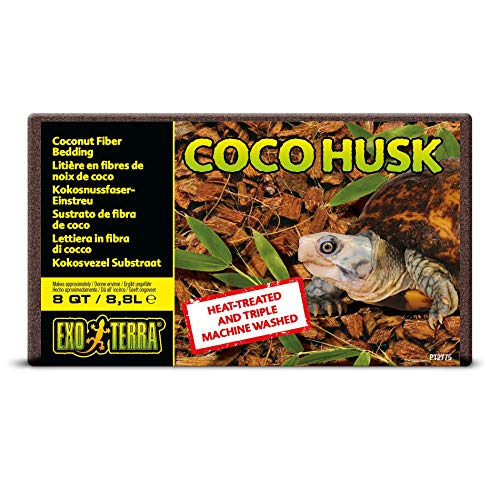
Reptichip Premium Coconut Chip
Reptichip is coconut husk in chip form, which gives a coarser texture than fine coir. The chip size allows good airflow while still holding humidity, a combination that suits ball pythons, corn snakes, and king snakes. Owner reports describe it as less likely to stick to wet scales or be tracked into water bowls than fine coir, and it is generally low in dust. The trade-off is that the chips are too large for very small hatchlings, which should be kept on paper towels until they are established. It also dries faster than fine coir in low-humidity rooms.
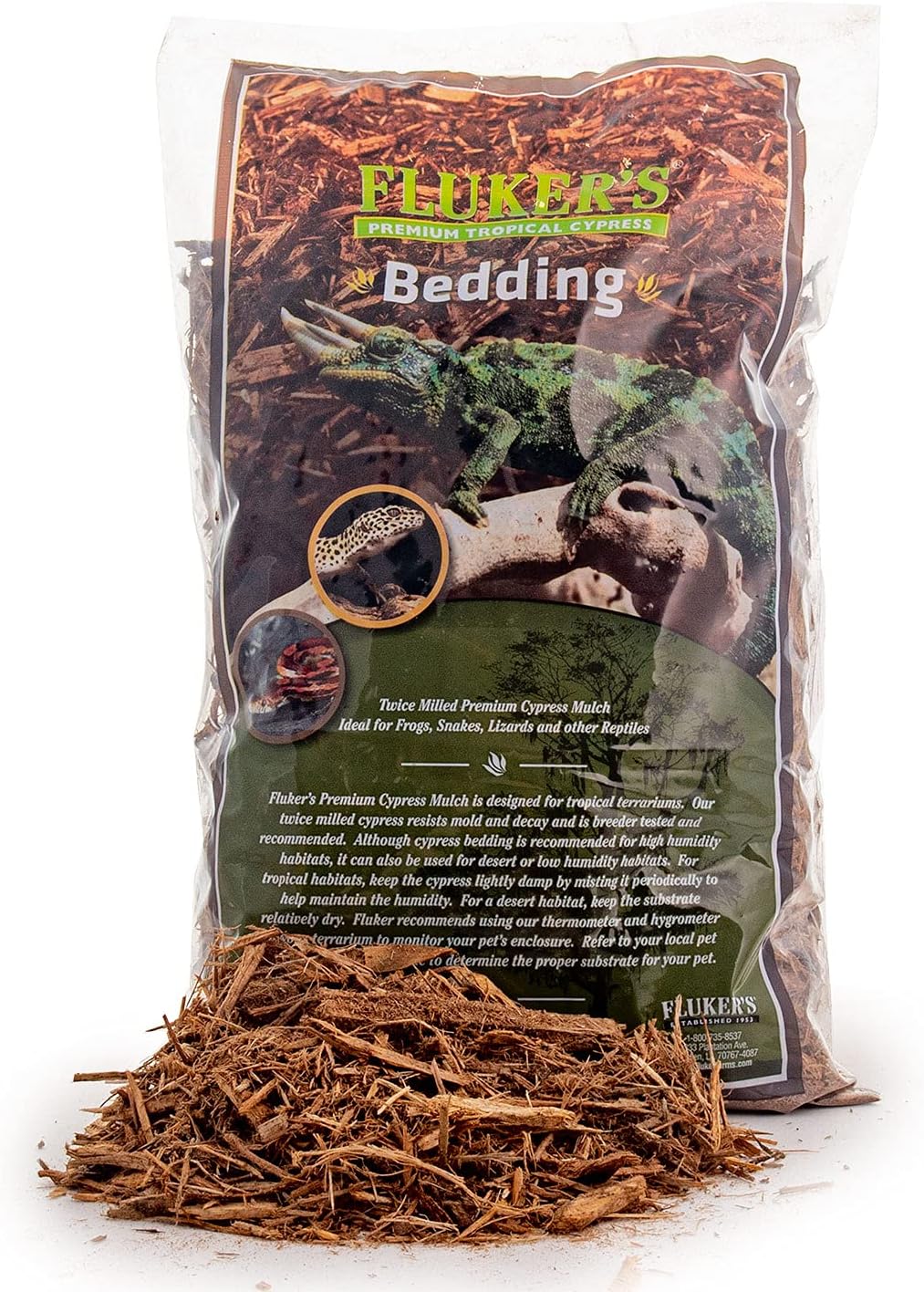
Zoo Med Forest Floor Cypress Mulch
Cypress mulch is the traditional choice for humidity-loving reptiles, and Forest Floor is a consistently clean example of the category. The natural cypress resists mold and rot better than coir in constantly damp setups, and the chunky texture allows deep burrowing for ball pythons and boas. The trade-off is that it is not digestible, so it should not be used with animals that are fed directly on the substrate. It can also arrive dusty and should be rinsed before use. view this option on Amazon
Josh's Frogs BioBedding Tropical
BioBedding Tropical is a ready-to-use bioactive blend of soil, sand, charcoal, and leaf litter. It is designed to be paired with isopods and springtails, which break down waste and keep the substrate biologically active. The appeal is a self-sustaining setup that needs far less routine cleaning once it is established. The trade-offs are the premium price, the separate cost of a cleanup crew, and the requirement for proper drainage and ventilation. It is not suitable for arid species or for keepers who want a simple, replaceable substrate.
Exo Terra Desert Sand
Exo Terra Desert Sand is washed and sieved to reduce fine dust, which is a meaningful improvement over unwashed playsand for respiratory health. It suits adult desert species such as leopard geckos, bearded dragons, and uromastyx when they are healthy, well hydrated, and fed on a plate rather than by free-feeding insects that can be chased into the sand. The trade-off is impaction risk in juveniles, sick animals, and any reptile that ingests sand while hunting. Many experienced keepers use a sand and topsoil mix instead of pure sand to reduce that risk.
Slate Tile and Non-Adhesive Shelf Liner
Slate tile and non-adhesive shelf liner are not substrates in the traditional sense, but they are the safest surfaces for keepers worried about impaction. Slate conducts heat well from under-tank heaters and is easy to wipe clean, while shelf liner is inexpensive and simple to replace. The trade-off is the complete absence of burrowing enrichment and no humidity retention, so a humid hide becomes essential for shedding species. For juvenile leopard geckos and any reptile with a history of impaction, a solid surface is often the most defensible choice.
Comparison Table
| Substrate | Type | Humidity | Digestible | Price | Best For |
|---|---|---|---|---|---|
| Coconut coir | Loose, fibrous | High (60-90%) | Yes | $5-10 | Tropical species, crested geckos |
| Soil blend | Loose, soil | High (60-80%) | Mostly | $12-18 | Planted vivariums, bioactive |
| Coconut chip | Loose, chips | Medium-high | Yes | $8-15 | Snakes, ball pythons |
| Cypress mulch | Loose, chunks | High (60-80%) | No | $12-20 | Large snakes, monitors |
| Bioactive blend | Bioactive | High (70-90%) | Yes | $25-40 | Bioactive vivariums |
| Desert sand | Loose, sand | Low (20-40%) | No | $10-18 | Desert species, adults only |
| Slate tile or liner | Solid | Not applicable | Not applicable | $1-10 | Impaction-safe, juveniles |
Species-Specific Substrate Recommendations
The table below summarizes the humidity targets and substrate types that are most often recommended for common pet reptiles. Humidity figures are general targets and should be adjusted based on your enclosure, your local climate, and your veterinarian's advice.
| Species | Recommended Substrate | Humidity Target | Notes |
|---|---|---|---|
| Leopard gecko | Slate tile (safest) or sand-soil mix (adults only) | 30-40% | Feed on plate; add humid hide with moss |
| Crested gecko | Coconut coir or soil blend (bioactive preferred) | 60-80% | Mist daily; enjoys climbing and burrowing |
| Ball python | Coconut chip or cypress mulch | 50-70% | Deep layer for burrowing; humid hide essential |
| Bearded dragon | Slate tile (safest) or sand-topsoil mix (adults) | 30-40% | Feed on plate; pure sand is controversial |
| Corn snake | Coconut chip or aspen shavings | 40-60% | Deep layer for burrowing |
| Blue-tongue skink | Coconut coir and cypress mulch mix | 40-60% | Appreciates deep substrate for burrowing |
| Chameleon | Not applicable; screen cage with bare floor or drip tray | 50-70% | Substrate is generally not used in chameleon enclosures |
| Tortoise (Russian or Greek) | Coconut coir and playsand mix (50/50) | 30-50% | Deep layer for burrowing; avoid gravel |
reptile substrate
Substrates to Avoid
Some products remain on the market because they look appealing or are marketed heavily, not because they are safe. The following should be avoided for all reptiles.
- Cedar and pine shavings: The aromatic oils are associated with respiratory damage and liver problems in small animals. These should never be used with reptiles.
- Walnut shell substrate: The sharp edges can cause internal lacerations if swallowed, and impaction risk is high. It should be avoided entirely.
- Calcium sand: It is marketed as digestible, but it clumps when wet and has been linked to fatal impaction. It is not a safe choice.
- Reptile carpet for burrowing species: It is acceptable as a solid surface for some geckos, but it is unsuitable for snakes and lizards that need to burrow. Claws can catch in the fibers, and bacteria can persist in the weave.
- Gravel and pebbles: These are indigestible, difficult to clean thoroughly, and offer no enrichment. They have no place in a reptile enclosure.
- Newspaper as a long-term solution: It is acceptable for quarantine or hospital tanks, but it provides no enrichment and should not be a permanent substrate.
If you suspect your reptile has ingested a foreign material, or if you see lethargy, loss of appetite, or difficulty passing waste, contact an experienced reptile veterinarian. The Association of Reptilian and Amphibian Veterinarians resource page is a useful starting point for finding qualified care. For toxicology questions about plants, cleaners, or other household exposures, the ASPCA Animal Poison Control is a recognized reference.
Sizing, Depth, and Enclosure Setup
Substrate depth is a frequently overlooked variable. Burrowing species such as ball pythons, blue-tongue skinks, and many tortoises benefit from a layer deep enough to fully cover the body, often three to four inches or more. Shallow layers of an inch or two may look tidy but prevent the natural behavior that makes loose substrate worthwhile in the first place.
For bioactive setups, depth is even more important because the drainage layer and the soil layer together determine how well the system manages moisture. A typical build uses a one- to two-inch drainage layer of clay balls or similar material, topped with a barrier, then three to four inches of substrate. Leaf litter on top provides cover for the cleanup crew and a naturalistic surface.
Enclosure type also affects substrate choice. Screen cages lose humidity quickly, so tropical species in screen enclosures may need a substrate that holds moisture well and a daily misting routine. Glass or PVC enclosures with limited ventilation retain humidity more effectively, which means a substrate that stays wet can push humidity too high and contribute to mold. Adjust the substrate and the ventilation together rather than treating them as separate decisions.
Maintenance and Cleaning
Routine maintenance is what keeps a substrate safe over time. Spot-clean daily by removing feces and shed skin. For non-bioactive loose substrates, replace the entire layer every two to three months, or sooner if you notice mold, persistent odor, or excessive moisture. For bioactive setups with an established cleanup crew, the substrate can last one to two years with occasional top-ups, but it still needs monitoring.
Solid surfaces such as slate tile and shelf liner should be wiped with a reptile-safe disinfectant and rinsed thoroughly. Shelf liner can develop mold underneath moist hides if it is not cleaned regularly, so check beneath water bowls and humid hides at least weekly.
Water bowls should be cleaned frequently regardless of substrate, because organic material tracked into the water can support bacterial growth. Feeding on a plate or in a dish reduces the amount of substrate that ends up in the water and lowers the risk of accidental ingestion during feeding.
Common Mistakes and What to Avoid
One of the most common mistakes is choosing a substrate for appearance rather than for the species. A beautiful naturalistic setup that keeps humidity too high for a desert species will cause health problems, no matter how good it looks. Start with the humidity and temperature targets for your species, then choose materials that support those targets.
A second mistake is using a single substrate across multiple species with different needs. Coconut coir that works well for a crested gecko can be too damp for a leopard gecko. Cypress mulch that suits a ball python can be too coarse for a small gecko. It is entirely reasonable to keep different substrates on hand for different enclosures.
A third mistake is neglecting the cleanup crew in a bioactive setup. Isopods and springtails need moisture, leaf litter, and a stable environment to thrive. If the cleanup crew dies off, waste accumulates and the bioactive benefit disappears. Monitor the population and replenish it if needed.
Finally, do not assume that a product labeled natural is automatically safe. Calcium sand and walnut shell substrates are marketed as natural, but both are associated with serious health risks. Read the material description, not just the marketing copy, and check the product against published husbandry guidance for your species.
Frequently Asked Questions
Is sand really dangerous for leopard geckos? The answer depends on the sand and the animal. Pure calcium sand is the most concerning because it clumps when wet and has been linked to fatal impaction. Washed playsand or a sand-topsoil mix carries less risk for healthy, well-hydrated adult geckos that are fed on a plate rather than by free-feeding insects that can be chased into the sand. Juveniles, sick geckos, and geckos with a history of impaction should be kept on a solid surface such as slate tile or paper towels. Many experienced keepers use a sand and topsoil mix for adults and a solid surface for juveniles, which balances enrichment with safety.
How often should loose substrate be replaced? Spot-clean daily by removing feces and shed skin. In non-bioactive setups, replace the entire substrate every two to three months. In bioactive setups with a healthy cleanup crew, the substrate can last one to two years with occasional top-ups. Replace immediately if you notice mold, persistent odors, or excessive moisture, regardless of the schedule.
What is the best substrate for a bioactive setup? A common approach is to start with a ready-to-use bioactive blend, or to mix your own using roughly 40 percent coconut coir, 30 percent orchid bark, 20 percent topsoil, and 10 percent horticultural charcoal. Add a drainage layer of clay balls at the bottom, then the substrate layer, then leaf litter on top. Introduce isopods and springtails appropriate for your climate, and allow the system to establish before adding the animal. The cleanup crew processes waste, and the substrate can sustain itself for one to two years with monitoring.
Can I use outdoor soil from my yard? It is generally not recommended because outdoor soil can contain pesticides, fertilizers, parasites, and other contaminants. If you want a soil-based substrate, use a commercial product intended for reptile use or a clean, untreated topsoil that you can verify is free of additives.
Do I need a humid hide if I use a humidity-holding substrate? For many species, yes. A humid hide provides a localized area of high humidity that supports shedding and gives the animal a choice. Even in a well-managed enclosure, a humid hide with sphagnum moss is a useful addition for geckos, snakes, and other species that shed in pieces when humidity is too low.
Where to Buy
As an Amazon Associate, PawCritic earns from qualifying purchases. This does not affect our reviews or recommendations.
Conclusion
For tropical and temperate species, coconut coir remains one of the most versatile and affordable loose substrates because it holds humidity, allows burrowing, and is generally regarded as safe if small amounts are swallowed. For planted vivariums and bioactive setups, a ready-to-use bioactive blend can create a self-sustaining ecosystem, provided you are prepared for the initial cost and the learning curve. For snakes that burrow, a coconut chip product offers a good balance of airflow and humidity control.
For desert species, a solid surface such as slate tile or shelf liner is the safest default, especially for juveniles and any animal with a history of impaction. If you prefer a naturalistic desert look, a sand and topsoil mix used only with healthy adults and plate feeding is the more defensible option. Whatever you choose, avoid cedar, pine, walnut shells, and calcium sand. These products continue to be sold, but the published guidance and veterinary case reports do not support their use.
The substrate under your reptile is not a decorative choice. It is part of the animal's environment, and it deserves the same care you give to heating, lighting, and diet.
Affiliate Disclosure: PawCritic.com participates in the Amazon Services LLC Associates Program. We may earn commissions from qualifying purchases at no extra cost to you.