The Chewing Imperative: Why Your Small Pet's Life Depends on What It Gnaws
Small herbivorous mammals 鈥?rabbits, guinea pigs, chinchillas, hamsters, gerbils, degus, and rats 鈥?share a defining anatomical feature that governs their entire lives: elodont dentition. Their incisors (front teeth) AND cheek teeth (premolars and molars) grow continuously throughout their lives 鈥?not just for a few months, like human baby teeth, but every single day, from birth until death. A rabbit's incisors grow at roughly 2-3mm per week. Guinea pig molars elongate at 1.5-2mm per week. Chinchilla teeth 鈥?all 20 of them 鈥?grow at a combined rate that would produce roughly 2-3 inches of total tooth length per year if the animal stopped chewing entirely. The only mechanism that keeps these perpetually-growing teeth at a functional length is constant abrasive wear against opposing teeth and against the fibrous material the animal chews.
This is not a quirk of biology 鈥?it's an evolutionary adaptation to an abrasive diet. Wild rabbits consume coarse grasses, hay, bark, and roots 鈥?materials with high silica content that function as a natural grinding substrate. Wild guinea pigs graze on tough Andean grasses for 6-8 hours daily. Chinchillas in their native high-altitude habitat chew on volcanic rock-embedded vegetation. The constant grinding of upper teeth against lower teeth 鈥?combined with the abrasive silica in their natural diet 鈥?maintains occlusal equilibrium. But in captivity, where the diet shifts from silica-rich wild grasses to relatively soft commercial hay, pellets, and fresh vegetables, the abrasive load drops dramatically 鈥?and the teeth continue growing at their evolutionary rate, unimpeded by insufficient wear. This is how malocclusion begins.
Malocclusion 鈥?the misalignment of teeth due to overgrowth 鈥?is the most common and most devastating health condition in captive small herbivores. It starts subtly: the incisors become slightly long because the animal isn't chewing enough abrasive material. The cheek teeth then develop sharp points (spurs) that lacerate the tongue and cheeks. The animal reduces its food intake because chewing hurts. Reduced chewing means less tooth wear, accelerating the overgrowth. Within weeks to months, the teeth can grow so long that they penetrate the opposing jaw, the nasal cavity, or the eye orbit. The animal stops eating entirely 鈥?not because it's not hungry, but because every bite is agony. At this stage, the only treatment is repeated dental burring under anesthesia (typically every 4-8 weeks for the rest of the animal's life) 鈥?or euthanasia.
The incidence of dental disease in captive rabbits is sobering: studies from veterinary teaching hospitals report that 30-50% of rabbits presented for any health problem have clinically significant dental disease, and in rabbits over 3 years old, the prevalence exceeds 60%. For guinea pigs, the most common reason for veterinary visits (after respiratory infections) is dental disease. For chinchillas, dental disease is the number one cause of death in captivity. The underlying pathology in all cases is the same: insufficient abrasive wear. And the solution is the same: provide appropriate chew materials that replicate the abrasive load of the wild diet.
But chewing isn't just about dental health. Small pets have complex neurological needs 鈥?they evolved to spend the majority of their waking hours foraging, exploring, and manipulating objects in their environment. A rabbit in a hutch with a food bowl and a water bottle is a rabbit with nothing to do for 16 hours a day. That boredom manifests as stereotypic behaviors (bar-chewing, over-grooming, aggression) and contributes to gastrointestinal stasis (GI stasis), a life-threatening condition where the gut stops moving due to stress and inactivity. Enrichment chew toys serve a dual purpose: they provide the abrasive wear necessary for dental health AND the mental stimulation necessary for psychological well-being.
This guide covers the 8 best small pet chew toys and enrichment products for 2026, organized across all major small pet species. Every product reviewed addresses both the dental wear requirement and the psychological enrichment requirement 鈥?because in small herbivores, dental health and mental health are the same thing.
Top 8 Small Pet Chew Toys & Enrichment Products for 2026
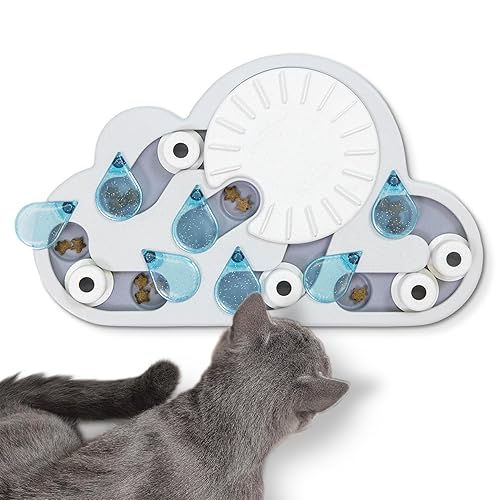
small pet chew toys enrichment rabbits guinea pigs hamsters chinchillas
small pet chew toys enrichment rabbits guinea pigs hamsters chinchillas
1. Niteangel Natural Applewood Chew Sticks 鈥?Best Overall Everyday Chew for All Small Pets
Applewood occupies a unique position in small pet nutrition: it's hard enough to provide meaningful abrasive tooth wear (significantly harder than pine or balsa), yet soft enough that small animals will actually chew it enthusiastically (unlike the ultra-hard woods that sit untouched in the cage for months). Niteangel's applewood sticks are harvested from pesticide-free orchards, kiln-dried to eliminate moisture (preventing mold growth), and cut into uniform 5-6 inch lengths with bark intact 鈥?the bark contains the highest concentration of tannins and phenolic compounds that give applewood its characteristic sweet, fruity aroma that small pets find irresistible.
The Niteangel bundle includes sticks of varying thickness (0.3-inch to 1-inch diameter) 鈥?the thinner sticks are appropriate for dwarf hamsters and mice, the medium-gauge sticks for Syrian hamsters and gerbils, and the thickest sticks for rabbits, guinea pigs, and chinchillas. The natural variability in stick diameter means there's always a piece the right size for your animal. Applewood is safe for all small herbivores and omnivorous rodents (rats, mice, hamsters, gerbils, degus), and the sticks can be used in multiple ways: scatter them in the enclosure for foraging enrichment, bundle them into a chew "bouquet" tied with untreated sisal twine, or use them as structural elements in DIY hideouts and bridges. At $8-12 for a 50-piece bundle, Niteangel applewood sticks are the most cost-effective daily chew for any small pet household.
Pros:
- Pesticide-free kiln-dried applewood 鈥?safe, clean, no mold risk, natural fruitwood aroma that animals seek out
- Mixed-thickness bundle (0.3-1 inch) 鈥?appropriate for every species from dwarf hamster to adult rabbit
- Bark-on processing 鈥?the bark contains the highest concentration of attractive tannins and provides the most abrasive surface
- Versatile 鈥?scatter, bundle, or build; encourages natural foraging and manipulation behavior
- $8-12 for 50 pieces 鈥?$0.16-0.24 per stick, the most affordable daily chew option in this guide
- 100% natural, no dyes, no glues, no artificial flavors 鈥?fully digestible if small amounts are inadvertently consumed
Cons:
- Thickness variability means some sticks are too thin for large rabbits 鈥?they'll destroy them in minutes
- Applewood is softer than some alternatives 鈥?heavy chewers (chinchillas, some rabbits) may need supplemental harder chews
- Bundle quantity not guaranteed 鈥?the package says "approximately 50 pieces," and counts vary
- Not ideal for rats' primary chew 鈥?rats prefer harder woods (oak, manzanita); applewood is a secondary option
Rating: 5/5 | Best For: All small pets, daily chew supplementation, multi-species households, budget-conscious owners
2. Kaytee Perfect Chews Rabbit Toy 鈥?Best Multi-Texture Chew Station for Rabbits
The Kaytee Perfect Chews Rabbit Toy is a suspended chew station that addresses a behavioral insight many rabbit owners miss: rabbits prefer to chew at head height, not at floor level. In the wild, rabbits browse on shrubs and low-hanging branches 鈥?they chew with their head at a natural upward angle. The Perfect Chews hangs from the cage or enclosure ceiling and presents three different chewing textures at rabbit-browsing height: a wooden chew block (pine), a loofah segment (natural gourd fiber), and a colorful compressed-paper chew ring. Each texture provides a different chewing experience 鈥?the wood for hard, abrasive grinding; the loofah for softer, shreddable satisfaction; the paper ring for quick, light nibbling.
The toy includes a metal hanging clip and a small bell at the bottom that provides auditory feedback when the rabbit interacts with the toy. This isn't just cute 鈥?it creates a positive-reinforcement loop (chew →sound →interesting →chew more). The entire assembly is approximately 8 inches long, appropriate for rabbit-size cages and hutches. The components are dyed with vegetable-based food colorings (not synthetic dyes) and the woods are untreated. At $6-9, the Perfect Chews is an excellent enrichment station that rabbits return to throughout the day 鈥?and it typically lasts 2-4 weeks before the wood block requires replacement.
Pros:
- Three distinct chewing textures 鈥?wood (hard grind), loofah (soft shred), paper ring (light nibble) 鈥?for varied dental wear
- Hangs at natural browsing height 鈥?engages the rabbit's instinctive upward-chewing posture
- Auditory feedback (bell) 鈥?creates positive chew-reinforcement loop; also alerts owner to active enrichment behavior
- Vegetable-based food coloring 鈥?no synthetic dyes that could be toxic if ingested
- $6-9 鈥?affordable enrichment station with 2-4 week durability
- Quick attachment via metal clip 鈥?installs and removes in seconds, fits most cage types
Cons:
- Rabbit-sized only 鈥?too large and heavy for guinea pigs, hamsters, and smaller species
- Pine wood block is softer than applewood 鈥?heavy chewers may consume it faster than expected
- Bell mechanism can be noisier than expected 鈥?may be irritating to owners in quiet living spaces
- Metal clip is not rust-proof 鈥?not suitable for outdoor or high-humidity enclosures without regular inspection
Rating: 4.5/5 | Best For: Rabbits (all sizes), natural browsing behavior, enrichment stations, multi-texture chewing
3. Oxbow Enriched Life Timothy Twists 鈥?Best Hay-Based Chew That Doubles as Nutrition
Oxbow's Timothy Twists represent the most elegant solution to a central challenge in small pet dental care: convincing the animal to chew frequently enough. The Twists are compressed timothy hay (second-cut, with high stem-to-leaf ratio for maximum fiber and abrasive texture) formed into a tight spiral 鈥?essentially a hay "cigar" about 4-5 inches long and 1.5 inches thick. The compressed format increases the chew time per gram of hay by roughly 3-4x compared to loose hay: a rabbit that inhales a pile of loose hay in 20 minutes will spend an hour working through a Timothy Twist, getting dramatically more tooth wear per calorie consumed.
The spiral shape is not just aesthetic 鈥?the ridges and valleys of the twist create precise points of contact against the occlusal surfaces of the cheek teeth as the animal rotates the toy in its mouth, providing 360-degree dental wear that loose hay doesn't achieve (loose hay is chewed primarily in a single plane). The Twists are 100% timothy hay with no binders, no artificial flavors, no added sugar or molasses (common in lower-quality compressed hay products), and no preservatives. They're fully edible 鈥?the entire product is consumed, leaving zero waste. At $7-10 for a 5-count package, Timothy Twists are an affordable nutritional-enrichment hybrid that every rabbit and guinea pig household should stock.
Pros:
- 100% compressed timothy hay 鈥?no binders, no sugar, no molasses, no artificial ingredients; exactly what the animal should be eating
- 3-4x longer chew time per gram vs. loose hay 鈥?dramatically increased dental wear per calorie consumed
- Spiral ridges provide 360-degree tooth contact 鈥?occlusal wear across all cheek tooth surfaces, not just the primary chewing plane
- Fully edible, zero waste 鈥?no uneaten toy parts to discard, no environmental waste
- $7-10 for 5 Twists 鈥?$1.40-2.00 per enrichment session, reasonable for daily or near-daily use
- Nutritionally appropriate 鈥?timothy hay is the foundational diet for rabbits, guinea pigs, and chinchillas
Cons:
- Rabbit and guinea pig only 鈥?too large for hamsters and gerbils; too high-fiber for omnivorous rodents
- Consumption speed varies dramatically 鈥?some rabbits demolish a Twist in 15 minutes; others take 2 hours
- 5-count package runs out quickly 鈥?multi-pet households or heavy chewers may go through a package per week
- Not a substitute for loose hay 鈥?the Twist provides enrichment and target chewing, but the animal still needs ad-libitum loose hay
Rating: 4.5/5 | Best For: Rabbits and guinea pigs, nutritional enrichment, high-fiber chewing, weight-conscious diets
4. Ware Manufacturing Willow Branch Ball 鈥?Best Interactive Chew Toy for Guinea Pigs & Chinchillas
The Ware Willow Branch Ball takes a fundamentally different approach to chew presentation: it's a hollow sphere (approximately 4 inches in diameter) woven from untreated willow branches, with the branches arranged in an open lattice. The hollow center is the genius: you can stuff it with fresh hay, vegetables, or herb mixes, transforming it from a passive chew into an active puzzle toy. The animal must chew through or manipulate the willow branches to access the goodies inside 鈥?combining dental wear with problem-solving enrichment. The ball rolls unpredictably when nudged, adding a motor-skill challenge that guinea pigs and chinchillas (both naturally investigative species) find deeply engaging.
Willow is an ideal chew wood: it's softer than applewood (making it more approachable for smaller species), it contains salicin (a natural compound related to aspirin that has mild anti-inflammatory properties for oral tissues), and it has a distinctive, slightly bitter aroma that small herbivores are instinctively drawn to (wild rodents seek willow bark for its medicinal properties). The ball construction means the animal approaches it from different angles with each interaction, distributing dental wear across all tooth surfaces. At $5-8, the Willow Branch Ball is one of the most engaging enrichment toys in small pet care 鈥?and it typically lasts 1-2 weeks with active chewers before replacement.
Pros:
- Hollow fillable sphere 鈥?combines chew function with puzzle enrichment; stuff with hay, veggies, or treats
- Untreated natural willow 鈥?contains salicin with mild anti-inflammatory properties for oral tissue
- Unpredictable rolling motion 鈥?engages motor skills and investigative behavior beyond passive chewing
- Multi-angle chewing 鈥?the round shape distributes tooth wear across all occlusal surfaces
- $5-8 鈥?an entire week of enrichment for less than the price of a coffee
- Appropriate for guinea pigs, chinchillas, rabbits, and large hamsters 鈥?broad species applicability
Cons:
- Willow is softer than applewood or manzanita 鈥?heavy chewers (chinchillas) may demolish it in 3-5 days
- Lattice gaps can trap small paws 鈥?dwarf hamsters and mice should not be given this toy unsupervised
- Not waterproof 鈥?will mold if exposed to water, urine, or high-humidity environments
- Single-use 鈥?once the willow is chewed through, the toy is spent; no reusable components
Rating: 4.5/5 | Best For: Guinea pigs, chinchillas, medium-to-large rabbits, interactive enrichment, puzzle-foraging
5. eCOTRITION Snak Shak Edible Hideaway 鈥?Best Dual-Purpose Chew + Hide for Hamsters & Gerbils
The eCOTRITION Snak Shak is a paradigm shift for small rodent enrichment: it's simultaneously a chew toy, a hide, and a snack 鈥?all made from a single compressed material that the animal can eat. The structure is a dome-shaped hut (roughly 5 inches in diameter and 4 inches tall) formed from compressed alfalfa, wood shavings, and honey 鈥?a completely edible composite that provides hours of gnawing, burrowing, and resting. Hamsters and gerbils, being obligate burrowers, instinctively excavate and reshape their environment. The Snak Shak gives them a structure to remodel 鈥?they'll chew out a doorway (or three), expand the interior, and create their own customized nesting chamber.
The material composition is the critical engineering achievement: the compressed alfalfa provides long-strand fiber for dental wear and gut motility, the wood shavings contribute abrasive texture for incisor grinding, and the honey acts as a natural, minimal-quantity binder and attractant. The total edible mass is approximately 100 grams 鈥?a Syrian hamster at roughly 150 grams will take 2-3 weeks to work through the entire structure, during which the Snak Shak serves as both enrichment activity and primary hide. At $4-6, it's an extraordinarily cost-effective enrichment object that does triple duty in the small enclosure.
Pros:
- Triple-function design 鈥?chew toy + hide + edible snack in a single object
- Hamster/gerbil excavating instinct satisfied 鈥?the animal remodels the structure itself, creating its own nest
- Compressed alfalfa + wood + honey 鈥?long-strand fiber for dental wear, abrasive texture for grinding, natural attractant
- 2-3 week use period 鈥?sustained enrichment from a single $4-6 object
- Edible and digestible 鈥?the entire structure can be consumed; no waste, no removal required
- Size-appropriate for hamsters and gerbils 鈥?fits the smaller enclosure dimensions without dominating space
Cons:
- Contains honey 鈥?caloric content is higher than pure wood chews; overweight animals should have limited access
- Hamster/gerbil/rat only 鈥?too small for guinea pigs and rabbits; the alfalfa content is too rich for chinchillas
- Not waterproof 鈥?urine contamination ruins the structure; must be placed away from the animal's toilet corner
- Manufacturing variability 鈥?some units are denser/harder than others, affecting chew time unpredictably
Rating: 4/5 | Best For: Hamsters, gerbils, mice, young rats; small enclosure enrichment; structure-remodeling behavior
6. Niteangel Natural Loofah Chew Toys 鈥?Best Shreddable Chew for Chinchillas & Degus
Loofah is one of the most underutilized materials in small pet enrichment. It's the dried fibrous interior of the Luffa gourd 鈥?100% plant fiber, entirely edible, with a unique open-matrix texture that combines shreddability with mild abrasiveness. Chinchillas, with their exceptionally dense fur and correspondingly high grooming needs, are instinctively drawn to shreddable textures 鈥?in the wild, they strip bark and fibrous vegetation, behaviors that an all-hardwood chew toy can't replicate. Niteangel's loofah chews are cut into 3-4 inch cylinders and strung on a natural sisal rope, creating a hanging chew that provides both the hard sisal fiber (for abrasive wear) and the soft loofah (for shredding satisfaction).
The dual-texture design is particularly important for chinchillas because their dental requirements span a wide range: the incisors need hard, abrasive surfaces to maintain proper length and alignment, while the cheek teeth benefit from the varied-angle chewing that a shreddable, irregular surface demands. Loofah's open-cell structure also makes it ideal for "forage stuffing" 鈥?you can sprinkle dried herbs, flower petals, or hay crumbs into the loofah pores, turning the chew into a foraging puzzle. At $7-10 for a 3-pack, Niteangel loofah chews are essential enrichment for any chinchilla or degu household.
Pros:
- 100% natural loofah gourd fiber 鈥?entirely edible, digestible, no synthetic materials, no dyes or chemicals
- Dual-texture design 鈥?sisal rope for hard abrasive incisor grinding + loofah for soft shredding satisfaction
- Forage-stuffable open-cell structure 鈥?fill the loofah pores with dried herbs and flowers for puzzle enrichment
- Satisfies fur-stripping/bark-stripping instinct 鈥?chinchillas and degus are instinctively drawn to shreddable textures
- $7-10 for 3-pack 鈥?$2.33-3.33 per toy, 1-2 week durability with active chewers
- Hanging design 鈥?engages natural upward-reaching browsing posture
Cons:
- Sisal rope can be ingested if the animal focuses on it 鈥?while digestible, large amounts may cause GI slowdown
- Loofah is low-abrasiveness 鈥?must be supplemented with harder wood chews for complete dental maintenance
- Not suitable for rabbits 鈥?they'll consume the entire toy in under an hour; poor cost-effectiveness at rabbit scale
- Dust generation 鈥?loofah sheds small fibrous particles, which can be an irritant in poorly ventilated enclosures
Rating: 4.5/5 | Best For: Chinchillas, degus, guinea pigs; shredding enrichment; dual-texture dental wear
7. Rosewood Naturals Carrot Cottage 鈥?Best Enrichment Hideout with Chew Function for Rabbits
The Rosewood Naturals Carrot Cottage is what happens when you combine a hideout, a chew toy, and a foraging station into a single object 鈥?and it has become one of the most beloved enrichment products in the rabbit-keeping community for good reason. The cottage is constructed from woven natural grasses (timothy, meadow, and wheat grass) formed into a hut-shaped structure with a 5-inch arched entrance. Scattered throughout the grass weave are small compressed vegetable "biscuits" made from carrot, parsnip, and beetroot 鈥?colorful, textured dots embedded in the cottage walls that provide both visual interest and targeted chewing focus.
The genius of the Carrot Cottage is that it exploits the rabbit's natural "renovation" behavior 鈥?wild rabbits continuously modify their burrow entrances, and domestic rabbits retain this remodeling instinct. They'll methodically chew out the doorway arch to their preferred dimension, then work their way through the walls, targeting the embedded veggie biscuits first, then the grass weave. A single Carrot Cottage provides 2-3 weeks of progressive enrichment for a single rabbit, and the entire structure is edible and digestible (100% natural grass and vegetable matter). At $10-14, it's a complete enrichment system 鈥?hide, chew, forage 鈥?in one object.
Pros:
- Triple-function 鈥?hideout + chew toy + forage station in a single object, no separate products needed
- Woven natural grasses (timothy, meadow, wheat) 鈥?100% edible, nutritionally appropriate, digestible
- Embedded vegetable biscuits (carrot, parsnip, beetroot) 鈥?targeted chewing motivation, foraging element
- Exploits natural burrow-remodeling instinct 鈥?the rabbit customizes the cottage itself over time
- 2-3 week progressive enrichment arc 鈥?new chewing opportunities revealed as outer layers are consumed
- $10-14 鈥?comprehensive enrichment at a single-product price, excellent value proposition
Cons:
- Rabbit-specific sizing 鈥?too large for guinea pigs, hamsters, and small rodents; made for rabbits only
- Vegetable biscuits add calories 鈥?overweight or pellet-restricted rabbits should have monitored access
- Grass weave can harbor moisture 鈥?must be kept dry; not suitable for outdoor hutches without a waterproof roof
- Not structurally robust 鈥?heavy rabbits or multiple rabbits may collapse the roof before fully consuming the walls
Rating: 4.5/5 | Best For: Rabbits (single or bonded pairs), comprehensive enrichment, remodeling/nesting behavior
8. You & Me Small Pet Foraging Mat 鈥?Best Foraging Enrichment for All Small Pets
The You & Me Foraging Mat addresses a fundamental mismatch in captive small pet care: in the wild, food is scattered, hidden, and requires effort to find and extract. In captivity, food is concentrated in a bowl that's never empty. Bowl feeding eliminates the primary behavioral occupation 鈥?foraging 鈥?that would fill 4-8 hours of a wild small herbivore's day. The Foraging Mat is a 12 x 18-inch mat with varied-length fleece "grass blades" (synthetic fleece strands of different heights, from 1 to 3 inches) that you scatter dry food, hay, or treats into. The food falls between the fleece strands, and the animal must nose, paw, and dig through the fibers to extract each piece 鈥?replicating the sensory and motor experience of foraging in grass.
The mat works for literally every small pet species: rabbits and guinea pigs dig with their noses and front paws; hamsters and gerbils dig and burrow; rats use their dexterous hands to part the fibers; chinchillas sit on the mat and systematically work through it. The fleece is machine-washable (cold water, gentle cycle, air dry), food-grade, and non-toxic. The mat also serves as a boredom-breaker on bad-weather days when outdoor or free-range exercise time is limited 鈥?scatter a day's pellet ration into the mat and your animal will spend 30-60 minutes working for their food instead of gulping it from a bowl in 3 minutes. At $12-16, the Foraging Mat is the most broadly applicable enrichment product in small pet care.
Pros:
- Species-universal 鈥?rabbits, guinea pigs, hamsters, gerbils, rats, mice, chinchillas, degus all engage with it
- Replaces passive bowl-feeding with active foraging 鈥?30-60 minutes of behavioral engagement vs. 3 minutes
- Varied fleece blade heights (1-3 inches) 鈥?creates naturalistic foraging complexity; different depths for different species
- Machine-washable 鈥?easy hygiene maintenance, cold water gentle cycle, air dry
- $12-16 鈥?one-time purchase, infinite reuse; 30 cents per day over a year of daily use
- Reduces boredom-related stereotypic behaviors 鈥?cage-bar chewing, over-grooming, aggression
Cons:
- Hardcore chewers (rabbits, chinchillas) may chew on the fleece itself 鈥?monitor initial sessions; ingested fleece fibers can cause GI obstruction
- Fleece fibers trap fine hay dust 鈥?requires more frequent washing than the manufacturer's recommendation in dusty environments
- 12 x 18 inches is large for hamster enclosures 鈥?dwarf hamsters can't reach the center; fold for smaller enclosures
- Not a chew toy 鈥?provides zero dental wear; must be used in combination with wood/hay chews
Rating: 4.5/5 | Best For: All small pets, foraging enrichment, bowl-feeding replacement, bad-weather boredom busting, multi-species households
Comparison Table
| Product | Material | Best Species | Primary Function | Durability | Price |
|---|---|---|---|---|---|
| Niteangel Applewood Sticks | Kiln-dried applewood | All small pets | Daily chew + dental wear | Days to weeks | $8-12 |
| Kaytee Perfect Chews | Pine + loofah + paper | Rabbits | Multi-texture chew station | 2-4 weeks | $6-9 |
| Oxbow Timothy Twists | Compressed timothy hay | Rabbits, guinea pigs | Nutritional + enrichment chew | 15min-2hrs (consumed) | $7-10 |
| Ware Willow Branch Ball | Untreated willow | Guinea pigs, chinchillas | Interactive puzzle + chew | 1-2 weeks | $5-8 |
| eCOTRITION Snak Shak | Alfalfa + wood + honey | Hamsters, gerbils | Hide + chew + snack | 2-3 weeks | $4-6 |
| Niteangel Loofah Chews | Loofah + sisal rope | Chinchillas, degus | Shredding + dental dual-texture | 1-2 weeks | $7-10 |
| Rosewood Carrot Cottage | Woven grass + veggie biscuits | Rabbits | Hide + chew + forage combo | 2-3 weeks | $10-14 |
| You & Me Foraging Mat | Fleece fabric | All small pets | Foraging enrichment (no dental) | Indefinite (washable) | $12-16 |
How to Build a Complete Small Pet Enrichment & Dental Care Strategy
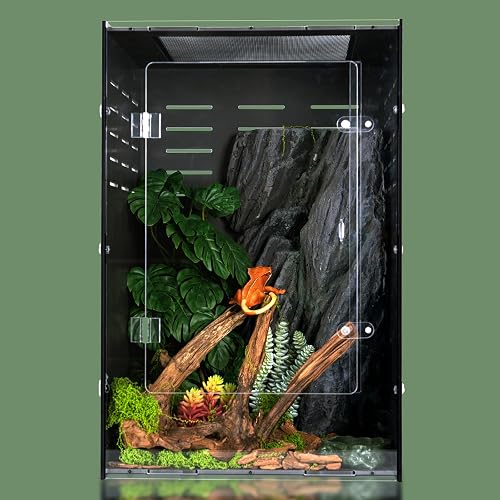
small pet chew toys enrichment rabbits guinea pigs hamsters chinchillas
small pet chew toys enrichment rabbits guinea pigs hamsters chinchillas
- Hay is the foundation 鈥?everything else is supplementary: No chew toy, no matter how well-designed, can replace ad-libitum access to high-quality grass hay (timothy, orchard, meadow, or oat) as the primary dental wear mechanism. Rabbits and guinea pigs should consume a pile of hay equal to their body size daily. Chinchillas should have unlimited timothy hay. Hamsters and gerbils benefit from timothy hay as both bedding enrichment and fiber source, though they chew proportionally less. If you do nothing else, provide unlimited good hay.
- Rotate chew types 鈥?don't rely on one: A rabbit with unlimited applewood sticks will get bored, and a bored rabbit chews less. Maintain a rotation of 3-5 different chew types: hardwood (applewood, manzanita), softwood/shreddable (willow, loofah), hay-based (Timothy Twists, hay cubes), and edible structures (grass cottages, alfalfa hideaways). Rotate one new type in each week to maintain novelty interest.
- Match chew hardness to the species: Chinchillas and degus →hardest chews (manzanita, thick applewood, pumice blocks). Rabbits →medium-hard chews (applewood, willow, compressed hay). Guinea pigs →medium chews (willow, loofah, compressed hay). Hamsters and gerbils →softer chews (thin applewood, loofah, alfalfa, edible structures). Rats →all hardness levels (extremely adaptable chewers). Providing chews that are too hard leads to non-use; too soft leads to rapid destruction and insufficient wear.
- Never use unsafe woods: Cedar and pine (unless kiln-dried) contain volatile aromatic oils (phenols) that are hepatotoxic and cause respiratory irritation 鈥?especially dangerous for small pets with their proportionally high surface-area-to-body-mass ratio. Cherry, plum, peach, apricot, and other stone-fruit woods contain cyanogenic glycosides in the bark and leaves. Pressure-treated lumber contains arsenic and copper compounds. Plywood, particleboard, and MDF contain formaldehyde-based adhesives. Only use woods specifically marketed as pet-safe 鈥?applewood, willow, manzanita, grapevine, and kiln-dried pine.
- Forage, don't bowl-feed: Transition from food bowls to scattered feeding. Scatter the day's pellet ration across the enclosure floor or into a foraging mat. Hide leafy greens inside a willow ball or under a grass hideout. Spread hay around the enclosure, not just in one hay rack. Every calorie consumed should require at least some behavioral effort 鈥?the brain needs enrichment just as much as the teeth need wear.
- Perform weekly dental checks: Learn what your animal's normal incisor alignment looks like. The upper incisors should slightly overlap the lower incisors (a "guillotine" arrangement). The incisors should be straight, not curved, and should be the same light orange/yellow color (white incisors can indicate anemia or malnutrition). Drooling, pawing at the mouth, selective eating (picking out soft foods only), weight loss, and reduced fecal output are all possible dental disease signs 鈥?even if the incisors look normal (check tooth disease is invisible without radiographs). Any concerning sign warrants an immediate veterinary visit with a small-mammal-experienced veterinarian.
FAQ
How do I know if my rabbit/guinea pig is chewing enough?
Check the incisors monthly. If the upper incisors form a smooth curve that slightly overlaps the lower incisors, and the animal is eating hay normally with normal fecal output, tooth wear is likely adequate. If the incisors appear overlong (extending beyond the lip line), are growing at unusual angles, or if you notice the animal dropping food or favoring one side while chewing, dental wear is insufficient. But remember: normal incisors don't rule out cheek-tooth malocclusion 鈥?only a veterinary oral exam with an otoscope or dental speculum can evaluate the cheek teeth.
Can a chew toy replace hay in my pet's diet?
No. Chew toys are supplementary dental wear and enrichment 鈥?they are not a replacement for the long-strand fiber that hay provides. The peristaltic action of the gastrointestinal tract in hindgut fermenters (rabbits, guinea pigs, chinchillas) requires long-strand indigestible fiber to maintain motility. Chew toys provide dental wear but not the gut-motility fiber that hay provides. Unlimited hay access is non-negotiable.
How often should I replace chew toys?
Replace when the chew is: (1) consumed to the point of being too small (choking hazard 鈥?discard any chew smaller than the animal's head), (2) visibly soiled with urine or feces, (3) showing mold or fungal growth, or (4) no longer generating interest after 1-2 weeks (rotate out for a different texture, rotate back in 2-3 weeks later). Wood chews that have been soaked in water and dried are still safe 鈥?the wood texture may change, but it's not harmful.
Are mineral chews (salt licks, calcium blocks) necessary?
No 鈥?and they're often counterproductive. Small herbivores on a balanced diet (quality hay + species-appropriate pellets + limited fresh vegetables) receive adequate minerals from their food. Added salt licks can cause excessive sodium intake leading to kidney stress, and calcium blocks can contribute to urinary sludge and bladder stones in rabbits and guinea pigs (both species absorb dietary calcium passively, meaning they excrete excess calcium in their urine regardless of need). Mineral chews marketed for small pets are primarily designed for the owner's psychology ("I'm providing something"), not the animal's nutritional requirements.
What if my pet ignores every chew toy I provide?
First, check if the animal is eating hay normally. If hay consumption is good and fecal output is normal, trust that the hay is providing adequate dental wear 鈥?the chew toys are supplementary. Second, try smearing a tiny amount of banana or unsweetened applesauce on a wood chew to initiate interest. Once the animal starts chewing (usually within 1-2 minutes), the flavor reward from the wood itself often sustains the behavior. Third, try different orientations 鈥?some animals prefer chews mounted vertically, others horizontally, and some prefer loose pieces scattered on the floor. Fourth, check the chew hardness 鈥?providing manzanita to a hamster is like giving a 2x4 to a puppy; match the hardness to the species. If the animal still ignores all chews after 2 weeks despite good hay consumption, ask your veterinarian to perform a dental exam to rule out pre-existing dental pain that makes chewing aversive.
Conclusion
small pet chew toys enrichment rabbits guinea pigs hamsters chinchillas
small pet chew toys enrichment rabbits guinea pigs hamsters chinchillas
For the universal small-pet chew that belongs in every household, the Niteangel Natural Applewood Chew Sticks at $8-12 for 50 pieces provide safe, pesticide-free, kiln-dried applewood in a mixed-diameter bundle appropriate for every species from dwarf hamster to adult rabbit. For rabbits, the Rosewood Naturals Carrot Cottage at $10-14 combines hideout, chew station, and foraging puzzle in a single edible grass structure that exploits the rabbit's burrow-remodeling instinct for 2-3 weeks of progressive enrichment. For guinea pigs and chinchillas, the Ware Willow Branch Ball at $5-8 combines natural willow chewing (with salicin's anti-inflammatory properties) with the interactive puzzle challenge of a fillable hollow center. For hamsters, gerbils, and mice, the eCOTRITION Snak Shak at $4-6 serves as chew, hide, and snack 鈥?satisfying the small rodent's excavating instinct in an entirely edible structure. For nutritional enrichment, Oxbow Timothy Twists at $7-10 compress second-cut timothy hay into a spiral that triples chew time per gram compared to loose hay. And for across-the-board foraging enrichment, the You & Me Foraging Mat at $12-16 transforms passive bowl-feeding into active foraging for literally every small pet species.
Small pet dental disease is devastating, expensive to treat (when treatment is even possible), and almost entirely preventable. The total cost of a complete chew-and-enrichment system 鈥?wood chews + interactive toys + foraging tools 鈥?is roughly $30-50, or about 5-10% of the cost of a single veterinary dental procedure. Your rabbit's teeth are growing right now, at this moment, at roughly 2-3mm per week. What are they chewing on?
Related reading: Small Pet Cages & Habitats, Small Pet Grooming Tools & Nail Care, Small Pet Carriers & Travel Cages, Small Pet Chew Toys & Dental Health Products, Guinea Pig Toys & Enrichment Activities, Small Pet Toys 2026: Enrichment for Happy Small Pets, Ferret Toys & Enrichment Supplies, Rabbit Toys & Enrichment Supplies, Small Pet Food and Small Pet Hay & Forage Products.
Affiliate Disclosure: PawCritic.com participates in the Amazon Services LLC Associates Program. We may earn commissions from qualifying purchases at no extra cost to you.
Where to Buy
small pet chew toys enrichment rabbits guinea pigs hamsters chinchillas
small pet chew toys enrichment rabbits guinea pigs hamsters chinchillas
As an Amazon Associate, PawCritic earns from qualifying purchases.
Affiliate Disclosure: PawCritic is reader-supported. When you buy through links on our site, we may earn an affiliate commission at no extra cost to you. Learn more.