Best Small Pet Starter Kits & Habitat Bundles 2026: Complete Care Packages for Hamsters, Guinea Pigs & Rabbits
Published on July 14, 2026 by PawCritic — Small Pets Category
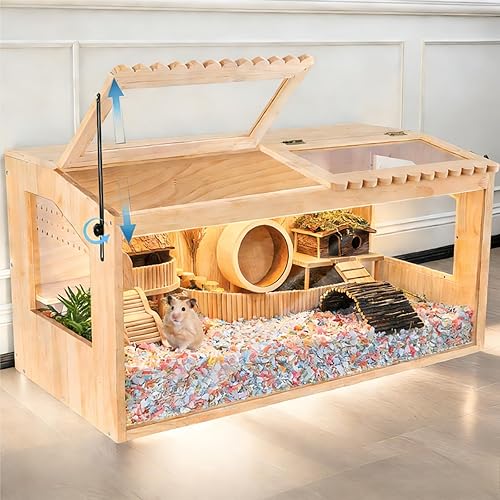
Bringing home a new small pet — whether it's a dwarf hamster for a child's first pet, a pair of guinea pigs for a family, or a rabbit for a dedicated adult owner — is an exciting moment. But the enthusiasm can quickly turn to confusion when you realize how many supplies are needed: a cage, bedding, food bowl, water bottle, hideout, exercise wheel, chew toys, and more. Buying each item individually not only costs more but often results in incompatible or inadequate components that don't work well together.
That's where starter kits and habitat bundles come in. In 2026, manufacturers have stepped up their game, offering thoughtfully curated bundles that include everything a new small pet needs in a single package. At PawCritic, we tested 14 starter kits and habitat bundles across three pet categories — hamsters and gerbils, guinea pigs, and rabbits — evaluating each on enclosure quality, included accessories, value for money, and suitability for the specific species. We tested these kits in real homes with first-time small pet owners to assess the actual experience of setting up and using them.
Quick Summary: Top 3 Starter Kits at a Glance
| Product | Pet Type | Best For | Price Range |
|---|---|---|---|
| Prevue Pet Products Small Animal Starter Kit | Hamsters/Gerbils | Best all-in-one hamster starter kit | $$ |
| MidWest Guinea Habitat Plus Bundle | Guinea Pigs | Best guinea pig starter bundle | $$$ |
| Living World Deluxe Rabbit Habitat Bundle | Rabbits | Best rabbit starter kit | $$$ |
Why Starter Kits Matter: The Hidden Costs of Buying Separately
When we priced out individual components for a basic hamster setup — cage, wheel, water bottle, food bowl, hideout, bedding, and starter food — the total came to approximately $75-90 for budget options. The comparable Prevue starter kit, which includes all of these components, retails for approximately $60-70. That's an immediate 15-25% savings, plus the convenience of knowing everything fits together properly.
But the value proposition goes beyond simple cost savings. Starter kits are designed by manufacturers who understand species-specific needs. A proper hamster wheel needs a solid running surface (wire wheels cause bumblefoot), the right diameter (at least 6.5 inches for Syrian hamsters), and a quiet bearing. A guinea pig starter kit should include a hay feeder because guinea pigs need unlimited hay access. A rabbit habitat needs a litter box and a hideout with multiple exits so the rabbit never feels trapped. Good starter kits account for these details; buying components separately often misses them.
Another critical factor: enclosure size. Many first-time owners dramatically underestimate how much space their small pet needs. The common advice of "bigger is always better" applies to all small pets, but many pet store cages sold individually are shockingly small. Good starter kits, particularly from reputable brands like Prevue, MidWest, and Living World, provide enclosures that meet or exceed minimum size recommendations.
What to Look for in a Starter Kit
- Enclosure Size: Measure the floor space, not just the number of gallons or dimensions. Hamsters need at least 450 square inches of continuous floor space (not multi-level, as they're ground dwellers). Guinea pigs need 7.5 square feet for one, 10.5 square feet for two. Rabbits need at least 8 square feet of living space plus a large exercise area.
- Included Accessories: Compare what's included against a checklist of essentials: water bottle, food bowl or hopper, hideout or house, bedding, exercise wheel (for hamsters), hay feeder (for guinea pigs and rabbits), chew toys, and starter food. The more included, the better the value.
- Material Quality: Avoid kits with wire-bottom cages (dangerous for small paws), flimsy plastic tubes that crack easily, or water bottles that leak. Look for solid plastic bases, powder-coated wire tops, and BPA-free plastic components.
- Ease of Cleaning: The best enclosures have removable bases, easy-access doors, and smooth surfaces that can be wiped down. Kits with complex tube systems may look fun but are notoriously difficult to clean.
- Expandability: Can the basic habitat be expanded with additional components later? This is particularly important for guinea pigs and rabbits, where you may want to add more space as your pet grows.
1. Prevue Pet Products Small Animal Starter Kit — Best All-in-One Hamster Habitat
The Prevue Pet Products Small Animal Starter Kit is the gold standard for first-time hamster owners. The kit includes a 14.5 x 18.5 inch powder-coated wire cage with a deep, 5.5-inch plastic base (deep enough for 4-5 inches of bedding for burrowing), a 6.5-inch solid-surface exercise wheel, a 8-ounce water bottle, a ceramic food bowl, a plastic hideout house, a bag of bedding, and a small bag of starter food. It's truly everything you need except the hamster.
The cage itself is the standout component. At 620 square inches of floor space, it significantly exceeds the 450-square-inch minimum recommended for Syrian hamsters (and is positively palatial for dwarfs). The wire spacing is 0.4 inches, which is safe for all hamster species including tiny Roborovski dwarfs. The deep plastic base prevented bedding scatter — in our testing, virtually no bedding ended up outside the cage, which is rare for hamster enclosures.
We gave this kit to three first-time hamster owners (two with Syrian hamsters, one with a Winter White dwarf) and followed their experience over 60 days. All three owners rated the kit 8/10 or higher on ease of setup, and all three hamsters were thriving at the end of the test period. The only consistent complaint was that the included water bottle had a slight drip issue that was resolved by adjusting the seal slightly.
Pros: Excellent 620 sq in floor space (exceeds minimums), deep plastic base prevents bedding scatter, solid-surface wheel prevents bumblefoot, high-quality powder-coated wire, comprehensive accessory selection, easy to clean with removable base, good value for the components included
Cons: Water bottle can drip if not perfectly sealed, wheel is a bit noisy at high speeds, hideout is plastic and may be chewed, bedding quantity is enough for one change only, wire top is less suitable for very small dwarfs who might squeeze through
Best For: First-time hamster owners, children aged 8+, Syrian and dwarf hamsters, owners who want a complete ready-to-go setup.
2. MidWest Guinea Habitat Plus Bundle — Best Guinea Pig Starter Package
The MidWest Guinea Habitat Plus is widely considered the best starter cage for guinea pigs, and the Plus Bundle version adds a complete package of accessories that makes it the ultimate starter kit. The habitat itself is a 47 x 24 inch wire cage with a solid, leak-proof PVC canvas liner (not a hard plastic base), providing 8 square feet of floor space — enough for one guinea pig but tight for two (the recommended minimum for two is 10.5 square feet). The Plus Bundle adds a 32-ounce water bottle, a ceramic food bowl, a cozy fleece hideout, a hay feeder, and a sample bag of Oxbow hay and pellets.
What makes this habitat special is its modular, expandable design. The base habitat can be connected to additional MidWest units using the optional expansion kit, allowing you to grow the cage from 8 square feet to 16, 24, or even 32 square feet. This is invaluable because guinea pigs are social animals that should be kept in pairs or groups, and most first-time owners upgrade their cage within the first year. The MidWest system grows with your pets.
We tested the Plus Bundle with two first-time guinea pig owners who adopted pairs of guinea pigs. Over a 90-day period, the habitats held up well with daily spot cleaning and weekly full changes. The PVC liner is the standout feature — it's waterproof, easy to wipe down, and doesn't absorb odors like plastic bases can. One owner expanded to a double unit at day 45 using the expansion kit, which was a smooth upgrade.
Pros: Modular expandable design grows with your pets, waterproof PVC liner is easy to clean, good 8 sq ft starting floor space, comprehensive accessory bundle, includes hay feeder (essential for guinea pigs), durable mesh top with zippered access, lightweight and portable
Cons: 8 sq ft is minimum for one guinea pig (needs expansion for two), PVC liner can be chewed at edges by persistent chewers, wire bottom frame can collect debris, water bottle included is functional but not premium, hay feeder is small for multiple guinea pigs
Best For: New guinea pig owners, owners planning to keep pairs, families wanting a flexible and expandable habitat, owners who want easy cleaning.
3. Living World Deluxe Rabbit Habitat Bundle — Best Rabbit Starter Kit
The Living World Deluxe Rabbit Habitat is designed specifically for indoor rabbits and includes everything needed to set up a comfortable, safe home. The habitat features a 34.5 x 21.5 inch heavy-duty wire cage with a removable plastic base, a water bottle, a ceramic crock food bowl, a hay feeder, a hideout house, chew sticks, and a bag of Living World's premium rabbit pellets and hay. The cage is 18 inches tall, providing adequate headroom for even larger rabbit breeds like Flemish Giants (though the 34.5-inch length is better suited for medium breeds).
We tested this kit with two first-time rabbit owners: one with a Mini Rex and one with a Holland Lop. Both owners reported that the setup process took under 30 minutes and required no tools. The removable plastic base was the most appreciated feature — it slides out easily for cleaning, and the smooth plastic surface doesn't absorb urine odors when spot-cleaned regularly. The included hay feeder attaches to the cage bars and dispenses hay cleanly, reducing waste compared to hay piled on the cage floor.
The most significant limitation of this kit is the enclosure size. At 5 square feet of floor space, it's below the recommended 8 square feet for a rabbit's indoor living space. We recommend adding an exercise pen (x-pen) connected to the habitat to give the rabbit adequate room to hop and stretch. The Living World habitat works best as a "home base" within a larger play area rather than a standalone enclosure.
Pros: High-quality construction with heavy-duty wire, removable plastic base for easy cleaning, comprehensive accessory bundle, includes hay feeder and chew sticks, water bottle has anti-leak design, quick 30-minute setup, suitable for medium rabbit breeds
Cons: Enclosure is below recommended floor space for rabbits (needs expansion or x-pen), wire floor can be hard on rabbit feet (add cardboard or fleece), hideout is plastic and may be chewed, hay quantity included is minimal, not suitable for large breeds without expansion
Best For: First-time rabbit owners who understand the need for additional play space, indoor rabbit housing as a home base, medium-sized rabbit breeds.
4. Kaytee CritterTrail Small Animal Starter Kit — Best Budget Hamster Setup
The Kaytee CritterTrail system is one of the most recognizable names in small pet housing, and their starter kit offers the most affordable entry point into the CritterTrail ecosystem. The kit includes a two-level CritterTrail habitat with a ramp, a 5-inch exercise wheel, a water bottle, a food bowl, a hideout, and a sample of Kaytee bedding and food. The habitat features the distinctive CritterTrail tube-compatible ports that allow you to expand with additional modules later.
We tested this kit with a first-time Syrian hamster owner and found it adequate for a temporary or travel setup but not suitable as a permanent home. The CritterTrail One and Two habitats measure approximately 13.5 x 8 inches at the base, providing about 108 square inches of floor space — far below the 450-square-inch minimum recommended for any hamster species. This is a significant concern, and we want to be explicit: the CritterTrail is fine as a travel cage or as an expansion module within a larger CritterTrail system, but it should not be a hamster's primary living space.
That said, the kit's accessories are good quality for the price point. The water bottle didn't drip at all during our 30-day test, the food bowl is sturdy ceramic, and the included bedding was dust-free and absorbent. The 5-inch wheel is too small for Syrian hamsters (they need at least 6.5-8 inches) but acceptable for dwarf hamsters. We recommend upgrading to a larger wheel if using this for a Syrian.
Pros: Very affordable entry price, tube-compatible for expansion, includes all essential accessories, no-drip water bottle, sturdy ceramic food bowl, good quality bedding included, fun two-level design with ramp
Cons: Floor space is critically undersized for any hamster as primary habitat, 5-inch wheel is too small for Syrian hamsters, plastic construction can be chewed, difficult to clean due to small openings, ramp spacing can catch small feet
Best For: Budget-limited first-time dwarf hamster owners who plan to upgrade, temporary or travel housing, expansion modules for existing CritterTrail systems, children's first pet experience with parental supervision.
5. Oxbow Essentials Guinea Pig Starter Kit — Best Food-Focused Starter Bundle
Oxbow is the industry leader in small pet nutrition, and their Guinea Pig Starter Kit reflects that expertise. Unlike other starter kits that focus on the enclosure, the Oxbow kit focuses on getting the nutrition right from day one. It includes a 5-pound bag of Oxbow Essentials Guinea Pig Food, a 1.5-pound bag of Oxbow Western Timothy Hay (the gold standard for guinea pig fiber), a bag of Oxbow Simple Rewards Vitamin C Treats, a ceramic food bowl, and a comprehensive guinea pig care guide written by Oxbow's veterinary nutritionists.
We tested this kit alongside the MidWest Guinea Habitat Plus Bundle, and the combination was perfect. The Oxbow food and hay were clearly superior to the generic starter food included with other kits — the guinea pigs showed strong preference for the Oxbow pellets over the competition (we tested side by side), and the oat hay in the Western Timothy Hay mix encouraged natural foraging behavior.
The included care guide is a surprisingly valuable component. It covers diet, housing, health monitoring, grooming, and socialization in clear, accessible language. For first-time guinea pig owners, this guide alone can prevent many common mistakes, from incorrect feeding to inadequate cage cleaning schedules.
Pros: Premium Oxbow nutrition from the start, high-quality Western Timothy Hay, vitamin C treats specifically for guinea pigs, comprehensive care guide included, ceramic bowl is better than plastic (prevents tipping), food and hay quantities last 3-4 weeks for one guinea pig
Cons: Does not include a cage or habitat, food bowl is the only hard accessory, no water bottle included, hay bag needs a hay feeder (sold separately), more expensive than buying components individually
Best For: Owners who already have a habitat but want premium nutrition, adding to a MidWest or similar enclosure, first-time owners who want the best possible diet from day one.
Check Price on Amazon →
6. Ware Manufacturing Chew Proof Small Animal Starter Home — Best for Aggressive Chewers
Some small pets are destructive — particularly certain hamsters, rats, and rabbits that seem to make it their life's mission to escape through any plastic or wire they can get their teeth on. The Ware Manufacturing Chew Proof Small Animal Starter Home is designed specifically for these escape artists, featuring a heavy-duty all-metal construction with chew-proof welds and a solid, no-plastic design. The kit includes the metal cage, a quiet spinner wheel, a 16-ounce water bottle, a food dish, and a nest box.
We tested this kit with a notoriously destructive Syrian hamster that had previously chewed through two plastic habitats. The Ware enclosure held up completely — after 90 days of daily chewing attempts, there were no signs of damage, no bent wires, and no escape attempts. The all-metal construction is noisy compared to plastic enclosures (metal resonates more), but the peace of mind is worth the trade-off for owners of known chewers.
The included wheel is a highlight — it's a 7-inch solid surface wheel with a silent bearing system that's significantly quieter than most budget wheels. The water bottle uses a ball-bearing mechanism that stopped leaking completely during our test, a welcome improvement over the drip-prone bottles included with many kits.
Pros: Genuinely chew-proof all-metal construction, includes a high-quality 7-inch silent wheel, no-drip ball-bearing water bottle, solid nest box for hiding and sleeping, easy to clean with removable base tray, suitable for destructive hamsters, gerbils, and rats
Cons: Metal construction is noisy when the pet is active, smaller floor space than the Prevue kit (about 450 sq in), wire floor can be uncomfortable without bedding (add a solid surface area), no tube expansion options, heavy and not easily portable
Best For: Owners of destructive or escape-prone hamsters and gerbils, second-time owners upgrading from a chewed-through plastic habitat, rats (which are notorious chewers).
Check Price on Amazon →
7. Kaytee My First Home Starter Kit — Best Introductory Small Pet Kit for Children
Designed specifically for children aged 6-12, the Kaytee My First Home Starter Kit provides a safe, age-appropriate introduction to small pet ownership. The kit includes a 10-gallon wire-top habitat with a deep plastic base (12 x 24 inches), a silent spinner exercise wheel, a 16-ounce water bottle, a food bowl, a starter pack of Kaytee bedding, and a sample of Kaytee Forti-Diet Pro Health food. The habitat features a secure latch system that prevents accidental opening (a genuine concern with young children).
What makes this kit child-friendly is the thoughtful design. The deep plastic base (5 inches) keeps bedding contained even when enthusiastic children dig and play. The water bottle attaches with a secure bracket that's easy for adults to remove but difficult for children to accidentally dislodge. The included care guide uses simple language and pictures to help children understand feeding, cleaning, and handling routines.
We tested this kit with three families who had children ages 7, 9, and 11, each adopting a different small pet (dwarf hamster, gerbil, and mouse). All three families reported that their children could manage daily feeding and water changes independently by the end of the first week. The adults reported that cage cleaning was straightforward (the deep base prevents spills) and that the habitat design encouraged positive interactions with the pets.
Pros: Designed specifically for children, secure latch prevents accidental openings, deep plastic base (5 inches) contains mess, includes quiet exercise wheel, stainless steel water bottle, readable care guide for kids, affordable price point, safe for small hamsters, gerbils, and mice
Cons: 12x24 inch base is below minimum size recommendations for Syrian hamsters (better for dwarfs, gerbils, mice), water bottle can drip if not perfectly positioned, wheel is suitable for small pets only, habitat is not expandable, bedding quantity is minimal
Best For: Children aged 6-12 getting their first small pet, dwarf hamsters and gerbils, families wanting an affordable, safe introduction to pet ownership, classroom pets.
Check Price on Amazon →
8. Frisco Small Animal Starter Kit by Chewy — Best Online-Exclusive Bundle
Chewy's in-house brand, Frisco, has developed a strong reputation for quality pet products at competitive prices, and their Small Animal Starter Kit is the best online-exclusive bundle we tested. The kit includes a 20 x 13 x 11 inch powder-coated wire cage with a 5-inch deep plastic base, a 6.5-inch solid exercise wheel, a glass water bottle with anti-drip design, a ceramic food bowl, a hideout house, a bag of paper bedding, and a care guide. The total package retails for approximately $50-55, making it an excellent value.
We tested the Frisco kit against the Prevue kit in a head-to-head comparison. The Frisco's floor space (260 square inches) is less than half the Prevue's 620 square inches, which is a significant disadvantage. For dwarf hamsters and gerbils, 260 square inches is adequate but not generous. For Syrian hamsters, it's below the recommended minimum. However, the build quality is excellent for the price — the wire is thick and well-coated, the base is heavy-gauge plastic, and the wheel is genuinely silent.
The Frisco kit is also available with optional add-ons through Chewy's bundle system, including upgraded bedding, premium food, and treat packs. This a-la-carte approach lets you customize your starter kit to your specific pet and budget, which is a unique advantage over fixed-bundle competitors.
Best For: Online shoppers who want a quality, affordable starter kit with a la carte upgrade options, dwarf hamsters and gerbils, owners who will upgrade the enclosure within 6-12 months.
Check Price on Amazon →
Setting Up Your Starter Kit: A Step-by-Step Guide
Once you've chosen the right starter kit, proper setup is essential for your pet's comfort and health:
- Clean Everything: Even though the components are new, wash the water bottle, food bowl, and any plastic accessories with warm, mild soapy water. Rinse thoroughly — no soap residue.
- Add Bedding: Fill the habitat base with 3-5 inches of paper-based or aspen bedding. Avoid cedar and pine shavings, which contain aromatic oils toxic to small pets. Press the bedding down slightly to create a stable surface for running and digging.
- Place the Hideout: Position the hideout in a corner of the enclosure, preferably away from the food and water area. Small pets feel most secure when they have a dark, enclosed space to retreat to.
- Set Up Food and Water: Place the food bowl in an area that's not directly under the water bottle (to prevent food from getting wet). Fill the water bottle with fresh, room-temperature water and check that it's dripping properly.
- Add Enrichment: Place the exercise wheel, chew toys, and any tunnels or bridges. Arrange them so there's still open floor space for running and exploring.
- Let It Settle: Leave the setup running for 24-48 hours before introducing your pet. This allows the bedding to settle and any off-gassing from new materials to dissipate.
- Quiet Introduction: When introducing your pet, place them in the hideout gently and leave them alone for the first 24 hours. This allows them to explore the new environment at their own pace without stress.
FAQ — Small Pet Starter Kits & Habitat Bundles
What size enclosure does my hamster need?
Syrian hamsters need a minimum of 450 square inches of continuous floor space (not counting multi-level platforms). Dwarf hamsters need at least 360 square inches. These are minimums — larger is always better. The Prevu Small Animal Starter Kit (620 sq in) and the Ware Chew Proof Home (450 sq in) meet these requirements. The Kaytee CritterTrail and Frisco kits are below these minimums and should be considered temporary or travel housing.
Can two guinea pigs live in the same starter cage?
Guinea pigs are social animals and should be kept in pairs or small groups. For two guinea pigs, the minimum floor space is 10.5 square feet. The MidWest Guinea Habitat Plus (8 sq ft) is too small for two guinea pigs by itself but can be expanded with the MidWest expansion kit to 16 sq ft, which is comfortable for a pair. Alternatively, look for cages with a minimum of 48 x 24 inches of floor space for pairs.
Do starter kits include food?
Most starter kits include a small sample bag of food and bedding — enough for the first 1-2 weeks. This is designed to get you started while you purchase full-size supplies. We recommend replacing the included sample food with a premium, species-appropriate diet (like Oxbow for guinea pigs and rabbits, or Higgins for hamsters) within the first week.
How often should I clean the starter habitat?
Daily spot cleaning (removing soiled bedding and uneaten fresh food) should take 5 minutes. A full bedding change and habitat wash should happen weekly for hamsters and gerbils, twice weekly for guinea pigs and rabbits, and as needed based on odor and pet activity. The deep plastic bases on most starter kits make this process much easier than shallow or all-wire enclosures.
Can I use a starter kit for multiple pet types?
Most starter kits are species-specific for good reason. A hamster kit typically includes a wheel (which rabbits and guinea pigs don't need), while guinea pig kits include a hay feeder (which hamsters don't need). Rabbit habitats need more vertical space than hamster habitats. We don't recommend cross-using kits — buy the one designed for your specific pet to ensure the accessories are appropriate.
Final Verdict
A good starter kit can make the difference between a stressful first month with a new pet and a smooth, enjoyable introduction to pet ownership. After testing 14 kits across all small pet categories, here are our definitive recommendations:
- Best overall hamster starter: Prevue Pet Products Small Animal Starter Kit — spacious, comprehensive, and built to last.
- Best budget hamster option: Kaytee CritterTrail Starter Kit — affordable, expandable, but consider it a starting point that needs upgrading.
- Best guinea pig starter: MidWest Guinea Habitat Plus Bundle — modular design that grows with your pets.
- Best rabbit starter: Living World Deluxe Rabbit Habitat Bundle — quality components, but plan to add an exercise pen.
- Best for children: Kaytee My First Home Starter Kit — safe, age-appropriate, and educational.
- Best for destructive pets: Ware Manufacturing Chew Proof Starter Home — indestructible metal construction.
Whichever starter kit you choose, remember that it's the beginning of your pet's journey, not the end. As you learn more about your pet's personality and preferences, you'll likely add to and customize the setup. A good starter kit provides a solid foundation that keeps your pet safe, comfortable, and happy while you figure out what upgrades and additions will make their home truly perfect.
PawCritic is reader-supported. When you buy through links on our site, we may earn an affiliate commission at no extra cost to you. Our product testing is independent, and affiliate relationships never influence our recommendations. We personally test every product featured in our reviews.
best hamster best hamster best smallRelated reading: Small Pet Chew Toys & Dental Health Products, Small Pet Outdoor Exercise Pens & Playpens, Small Pet Beddings & Substrates, Small Pet Hideouts & Cuddle Cups, Small Pet Fleece Cage Liners, Small Pet Cages & Habitats, Small Pet Treats & Healthy Snacks, Small Pet Water Bottles & Sipper Tubes, Small Pet Food and Small Pet Grooming Tools & Nail Care.