Best Rat Cages and Accessories: A Research-Based Buying Reference
Pet rats are intelligent, social animals with surprisingly specific housing needs, and the cage an owner chooses will shape nearly every aspect of their pets' daily lives. Because domesticated rats spend the overwhelming majority of their time in their enclosure, a rat cage is not simply a place to sleep — it functions as the animals' entire habitat, gym, foraging ground, and sleeping quarters at once. Rats need vertical space for climbing, solid flooring to protect their feet, good ventilation to protect their sensitive respiratory systems, and enough room to house multiple animals, because rats are highly social and should never be kept alone. Husbandry guidance compiled by the Merck Veterinary Manual's exotic and laboratory animal section stresses that environmental enrichment and adequate space are core welfare requirements for rats, not optional extras.
The best rat cages on the market share a set of recognizable traits: multiple levels, wide doors for easy cleaning, deep base pans to contain bedding and digging, and bar spacing narrow enough to prevent escapes. They also leave room for accessories such as hammocks, ropes, exercise wheels, and hiding spots that turn a bare enclosure into a genuinely enriching environment. This reference guide covers three linked product options — a premium multi-level cage, a mid-size value cage, and a small-animal exercise wheel — along with detailed guidance on sizing, safety, setup, and maintenance drawn from published husbandry standards and verified owner reports. PawCritic does not perform hands-on product testing; every claim below is attributed to manufacturer specifications, published care guidance, or aggregated owner feedback.
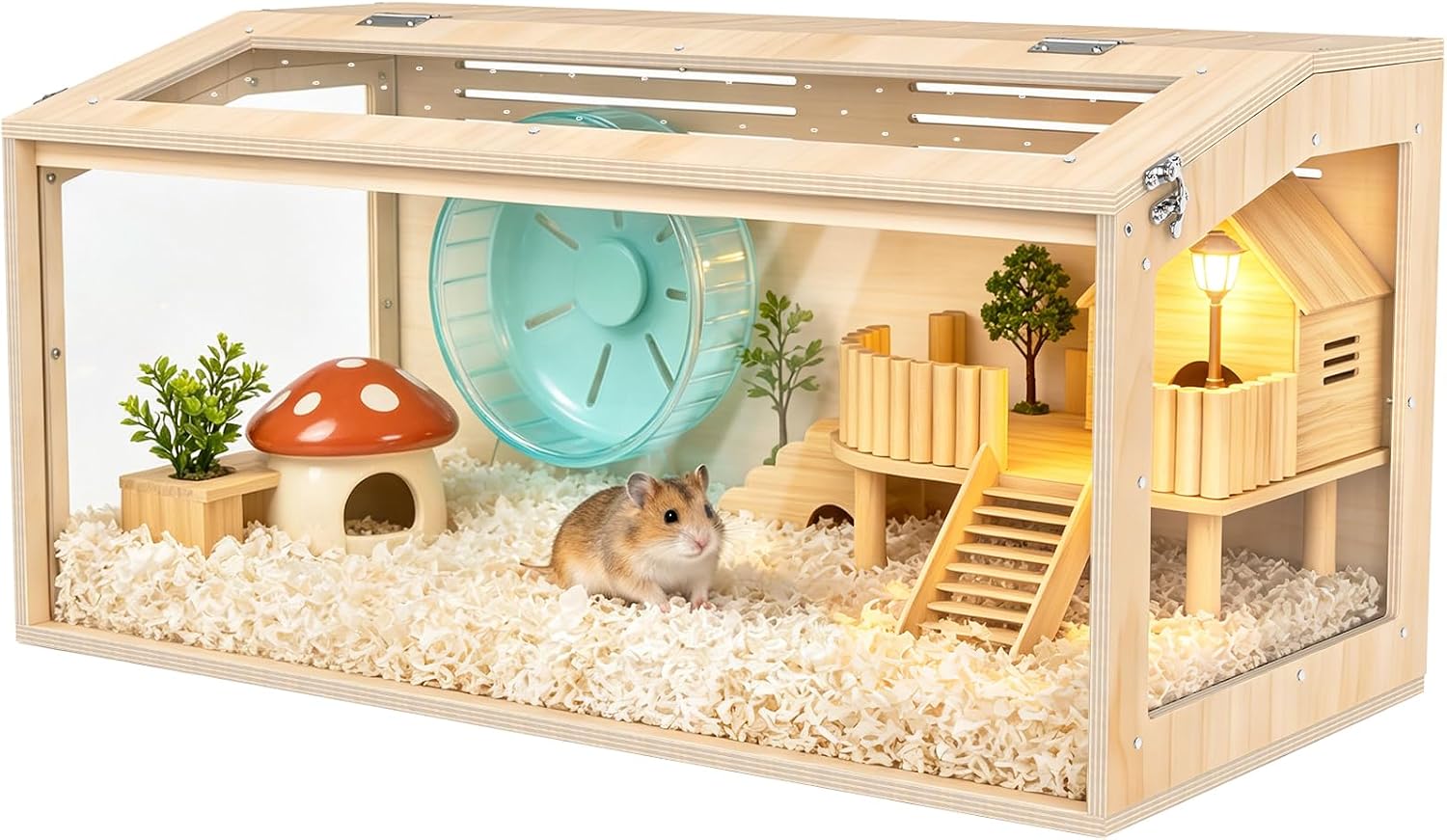
What to Look for in a Rat Cage
Size: Widely cited community and husbandry standards call for a minimum of roughly 2.5 cubic feet of usable space per rat, and more is always better. A cage of at least 24 inches by 18 inches by 24 inches is considered a reasonable floor for a bonded pair, though many experienced keepers consider that the bare minimum and recommend the largest footprint a room and budget can accommodate. Vertical volume counts as much as floor area because rats exploit three-dimensional space, climbing ramps, ropes, and ladders between levels. Under-sized cages are one of the most common mistakes new owners make, and cramped housing is repeatedly linked in owner communities to stress behaviors such as bar biting, aggression toward cagemates, and destructive chewing.
Bar spacing: No more than 1/2 inch for adult rats, and closer to 1/4 inch for babies and juveniles. Rats are accomplished contortionists and can squeeze through gaps that look impossible, particularly young females and adolescent rats of either sex. Escaped rats are at serious risk indoors from electrical cords, falls, other pets, and gaps in walls, so bar spacing is a genuine safety specification rather than a comfort detail. Owners report that cages with wider spacing can be modified by attaching hardware cloth or galvanized mesh with zip ties, but this adds work, cost, and potential chew hazards, so buying the correct spacing up front is usually the better path.
Ventilation: Wire or mesh sides are essential. Glass aquariums and plastic tubs with poor airflow trap ammonia from urine, and ammonia buildup is strongly associated with respiratory disease — the single most common health problem in pet rats. Mycoplasma-associated respiratory infections affect nearly all domestic rats, and constant exposure to concentrated ammonia irritates airways and worsens these chronic conditions. Veterinary resources such as the Association of Exotic Mammal Veterinarians recommend keeping exotic pets with experienced veterinarians who understand species-specific issues like this, and well-ventilated housing is the first line of prevention an owner controls.
Solid floors: At least some solid platforms are necessary in any rat cage. Prolonged standing and walking on bare wire mesh contributes to a condition commonly called bumblefoot — painful inflammatory foot-pad infections that can require veterinary treatment. Wire shelves can be retained for climbing structure, but owners should cover the surfaces the rats actually stand and sleep on with fleece liners, cardboard, or solid pan inserts. This is one of the cheapest and most impactful modifications an owner can make, and fleece shelf covers are inexpensive and machine washable.
Accessibility: Large doors or removable tops make weekly deep cleaning dramatically easier, and ease of cleaning matters more than it might seem. Cages that are awkward to access tend to get cleaned less often, and cleaning frequency directly affects ammonia levels and respiratory health. Full-width double doors that open across the entire front face of the cage allow an owner to reach every corner without contortion, rearrange enrichment, and catch a reluctant rat during health checks.
Vertical space and enrichment capacity: Rats are natural climbers, and multiple levels connected by ramps, ladders, or ropes keep them physically active and mentally engaged. A good cage provides numerous anchor points for hanging hammocks, space for a large wheel, and room for hideouts at multiple heights. Published enrichment guidance for rats consistently identifies climbing opportunities, foraging challenges, and nest-building materials as the pillars of good welfare in captivity.
Product Rundown: Linked Options at Three Price Points
The three products below were selected by comparing manufacturer specifications against the husbandry criteria above and weighing verified owner feedback from long-term keepers. Together they represent a premium path, a mid-range value path, and an enrichment accessory suited to either cage.
1. Critter Nation Rat Cage — Premium Multi-Level Option
The Critter Nation Rat Cage is widely regarded in the rat-keeping community as the gold standard enclosure for the species. According to the manufacturer's specifications, this single-unit cage provides roughly 23 cubic feet of living space across four levels connected by wide ramps, which comfortably exceeds the space guidelines discussed above for a pair or a small group. The design prioritizes both rat comfort and owner convenience, which is why it dominates recommendations in rat forums, breeder resources, and rescue adoption guides year after year.
The key specifications are consistent with good rat husbandry: 1/2-inch bar spacing that is safe for most adult rats, full-width double doors that swing fully open, a deep base pan of about 4 inches that contains bedding scatter and enthusiastic digging, and four wire shelves that provide the vertical territory rats thrive on. The powder-coated wire is reported by owners to resist corrosion and wipe down easily during cleaning, and the included casters allow the cage to be moved for vacuuming underneath — no small consideration given its substantial weight.
Owner reviews consistently highlight a few points worth knowing before buying. The full-width doors make cleaning, rearranging, and interacting with shy rats far easier than standard small doors, and the deep pan is repeatedly praised for containing mess. The wire shelves, as with most wire cages, are best covered with fleece liners to protect the rats' feet, so budget for liners or plan to cut fleece to size. Assembly is frequently described as time-consuming — commonly an hour or more with two people — and the cage is heavy and bulky, so its final location should be chosen before assembly. The trade-off is straightforward: a higher purchase price and a large footprint in exchange for a cage that most owners describe as a once-per-decade purchase.
| Reported Strengths | Reported Drawbacks |
|---|---|
| Spacious interior with four levels | Higher price point |
| Full-width double doors | Heavy and bulky |
| Deep base pan contains bedding | Wire shelves need fleece covers |
| Expandable with add-on units | Assembly takes time |
Best for: Owners who want the largest, most permanent housing solution and can accommodate the size and price. Check price on Amazon
2. Prevue Pet Products Rat Cage — Mid-Size Value Option
The Prevue Pet Products Rat Cage occupies the popular middle ground between starter cages and premium enclosures. The manufacturer lists approximately 18.5 cubic feet of space arranged over three levels with ramps, which suits a pair or a small group of rats and clears minimum space guidelines with room to spare. It is one of the most frequently recommended mid-range cages in owner communities, largely because it delivers the core rat-housing requirements without the Critter Nation's price or footprint.
Its most-cited safety specification is 3/8-inch bar spacing, which is narrower than the 1/2-inch adult maximum and therefore appropriate even for smaller adults and younger rats — a meaningful advantage for owners bringing home adolescents. The cage features a plastic base pan, two large front doors, and powder-coated wire with a non-toxic finish. Owner reviews describe the ramps as having textured, cross-hatch surfaces that give decent traction, though some owners add fleece ramp covers anyway, and assembly is generally reported as easier and faster than the premium option.
The honest trade-offs: owners note the base pan is shallower than ideal, meaning enthusiastic diggers can kick bedding over the edge, and the door openings could be wider for full access. The wire shelves, as with nearly all wire cages, should be covered with fleece or solid liners to guard against foot problems. For an owner with two or three rats who wants quality housing without premium pricing, this cage represents the value pick in this comparison. It pairs well with the wheel covered below for a complete setup.
| Reported Strengths | Reported Drawbacks |
|---|---|
| Strong value for the interior volume | Base pan could be deeper |
| 3/8-inch bar spacing suits young and small rats | Doors could be wider |
| Three levels of vertical space | Shelves need covering |
3. Prevue Small Animal Exercise Wheel — Enrichment Accessory
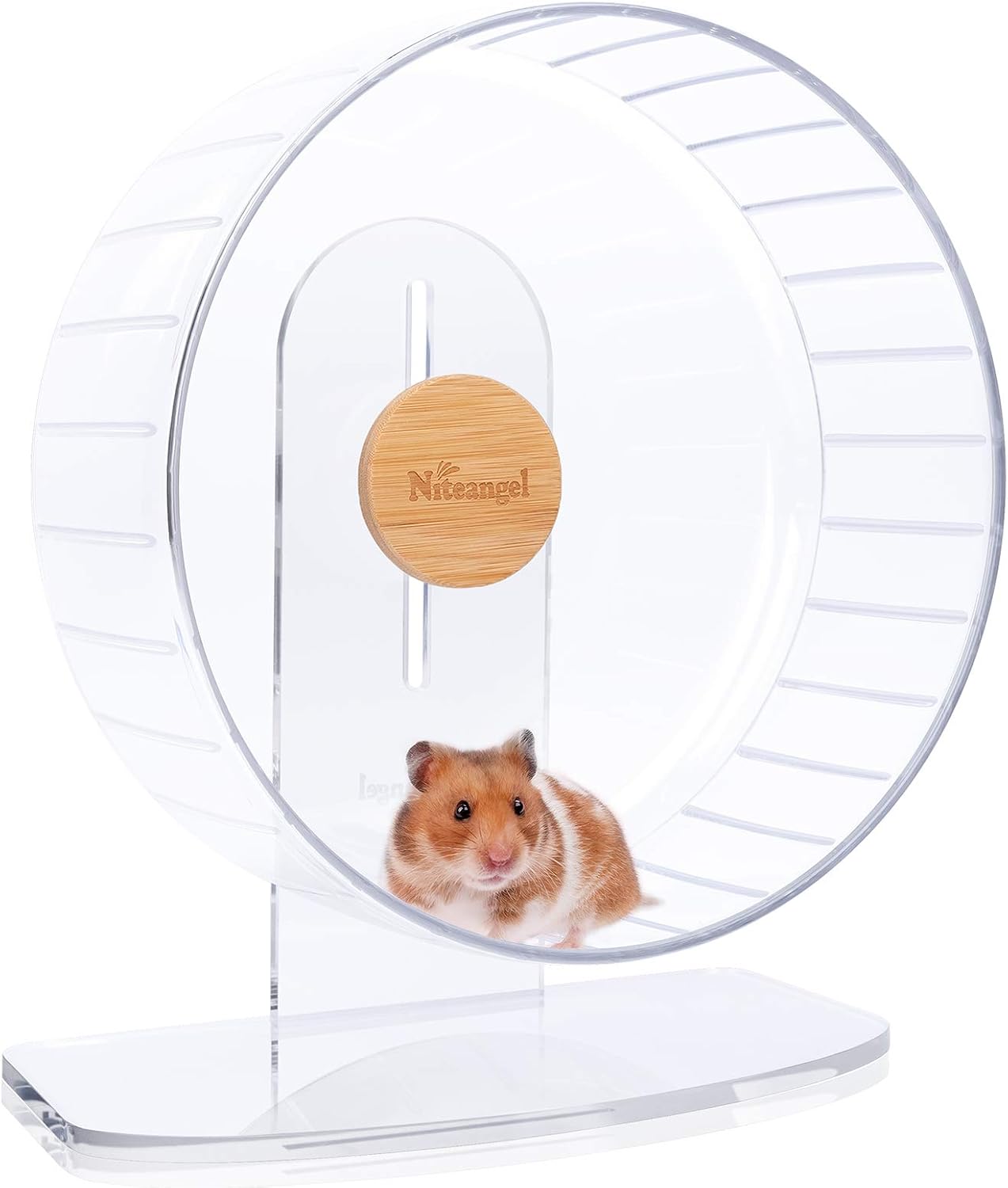
The Prevue small animal exercise wheel represents the exercise category of accessory that published rat-care guidance recommends for enrichment. A wheel is a genuinely valuable addition to a rat cage when it meets two criteria: a solid running surface and a sufficiently large diameter. Wire-surface wheels injure feet and tails, and small wheels force rats to arch their backs unnaturally while running, which can cause spinal stress over time. Look for a solid-surface wheel of roughly 12 inches or larger for adult rats.
Verified owner feedback on solid wheels of this type describes rats using them most reliably when introduced young, with some adults never taking to a wheel at all — so it should be viewed as an enrichment option rather than a requirement. Position it on a stable shelf or the cage floor where it cannot tip, and check the mounting hardware periodically, since rats investigate and chew everything in their environment. The main trade-off is cage real estate: a properly sized wheel consumes meaningful floor or shelf space in smaller enclosures, which is another reason the larger cages above are worth considering.
Essential Rat Cage Accessories
Accessories turn an adequate cage into a stimulating habitat, and the right selection addresses rats' core behavioral needs: nest building, climbing, chewing, foraging, and hiding. Hammocks are the signature rat accessory — most rats sleep communally in groups, and fleece hammocks satisfy both the nesting instinct and the social sleeping arrangement simultaneously. Choose machine-washable hammocks with metal attachment clips, and expect to replace them periodically, because chewing is normal and a torn hammock with loose threads can snag a foot. Solid shelf covers, usually fleece or purpose-made liners, address the bumblefoot risk discussed earlier and also absorb urine, simplifying daily spot cleaning.
Lava ledges — pumice stone shelves that mount to cage bars — serve a dual purpose as resting platforms and natural nail files, since rats' claws wear down slightly with each pass across the abrasive surface. Water bottles in the 16 to 32 ounce range suit a small group; check daily that the ball valve flows freely, as bedding dust commonly clogs spouts, and clean the bottle weekly with a bottle brush. Multiple hideouts placed at different levels reduce territorial squabbling in group-housed rats, and cardboard boxes, plastic igloos, and untreated wooden huts all work — cardboard has the added benefit of being a disposable chew toy. Because rats' teeth grow continuously, safe chew materials such as untreated hardwood, pumice, and hard plastic are welfare items, not luxuries. Finally, a shallow digging box filled with coconut fiber or fleece strips satisfies burrowing behavior, one of the most natural things a rat does. If you suspect your rat has chewed or ingested something potentially toxic, the ASPCA Animal Poison Control resource maintains guidance on toxic and safe materials for small pets.
Cage Setup: Step by Step
Begin with the flooring. Cover every wire shelf and ramp with fleece, liners, or cardboard before introducing rats, since this single step addresses the most common foot-injury risk in wire cages. Next, build the vertical structure: arrange shelves, hammocks, and ledges at staggered heights so that a less confident or older rat can descend safely, and position ramps so falls from the top level land on soft bedding or a hammock rather than a hard pan. Young, agile rats tolerate tall open layouts; elderly or overweight rats need graduated steps and fall-breakers, because a fall from the top of a tall cage can cause serious injury.
Distribute resources thoughtfully across levels. Placing food, water, and hideouts on different shelves forces light activity and mimics the patchy resource distribution rats encounter in the wild, while clustering everything in one spot encourages sedentary habits. Rotate toys, tunnels, and foraging setups regularly — published enrichment guidance emphasizes novelty, and an unchanged environment loses much of its enrichment value within days. Scatter-feeding dry food rather than bowl-feeding is a simple foraging enrichment most owners can adopt immediately.
Consider litter training. Rats can often be trained to use a corner pan filled with a substrate distinctly different from the cage bedding, which concentrates waste, reduces ammonia exposure, and cuts cleaning time. Place the pan in the corner the rats already favor for toileting and move stray droppings into it for the first week. Finally, location matters: keep the cage away from drafts, direct sunlight, radiators, and noisy appliances. Rats tolerate a comfortable indoor room-temperature range poorly at the extremes — sustained heat above roughly 80 degrees Fahrenheit poses real heatstroke risk, and drafts contribute to respiratory illness.
Bedding Choices and Safety
Safe bedding options include paper-based products, aspen shavings, and kiln-dried pine pellets, all of which control odor and absorb urine without releasing aromatic compounds. Avoid cedar shavings and untreated fresh pine, whose aromatic oils are associated with respiratory irritation in small rodents — a significant concern for a species already predisposed to chronic respiratory disease. Many owners of rats with respiratory sensitivity switch entirely to fleece liners over a thin absorbent layer, which eliminates dust altogether but demands a strict washing routine because fleece holds ammonia once saturated. Whichever route you choose, depth matters: a generous layer of absorbent bedding in the base pan allows natural digging and better odor control than a thin sprinkle.
Cleaning Schedule and Maintenance
A consistent cleaning routine is the backbone of respiratory health. Spot-clean daily by removing visible droppings, soiled bedding patches, and stale food. Perform a full bedding change every 5 to 7 days, and a deep clean — cage scrubbed with pet-safe disinfectant, accessories washed, hammocks laundered — every 2 to 4 weeks depending on group size. Rats mark their territory, and a fully sterilized cage sometimes triggers a burst of re-marking, so many experienced keepers replace a small amount of used bedding after deep cleans to preserve the familiar scent profile and reduce stress. Check hardware during every deep clean: loose shelf clips, chewed ramps, and protruding wire ends are all hazards that develop over months of use.
Frequently Asked Questions
How many rats should be kept together?
A minimum of two same-sex rats, and groups of three or four often work even better socially. A lone rat is a deprived rat, regardless of how much human attention it receives — social housing with conspecifics is a core welfare requirement, not a preference.
How often should the cage be cleaned?
Spot-clean daily, change bedding fully every 5 to 7 days, and deep clean the entire cage and accessories every 2 to 4 weeks. Larger cages with fleece systems can sometimes stretch intervals slightly, but ammonia management should always drive the schedule.
Can a glass aquarium be used as a rat cage?
No. Poor ventilation causes ammonia buildup, and ammonia exposure is a major driver of the respiratory infections that plague the species. Wire cages with solid-sided base pans provide the necessary airflow.
What bedding is safest?
Paper-based bedding, aspen shavings, or kiln-dried pine pellets. Avoid cedar and aromatic pine shavings entirely. Fleece liner systems over an absorbent layer are a dust-free alternative suited to rats with respiratory sensitivity, provided they are washed frequently.
Do rats need a wheel?
A large, solid-surface wheel of roughly 12 inches or more is a worthwhile enrichment, especially for young rats, but not every rat will use one. Never use wire-surface or undersized wheels, which cause foot, tail, and spinal injuries.
Is bar spacing really that important?
Yes. Juvenile rats and small adult females escape through 1/2-inch gaps with little difficulty. Escaped rats face genuine household dangers, and the stress of recapture is hard on both animal and owner. Match spacing to your smallest animal.
Common Mistakes to Avoid
New rat owners make a predictable set of errors. Housing a single rat is the most damaging, because it deprives a profoundly social animal of its primary source of companionship. Choosing an under-sized cage comes second — a cage that looks adequate in a store photo is often cramped in practice once levels, hides, and a wheel are installed. Leaving wire shelves uncovered, using cedar bedding, and skipping daily water checks round out the most frequent health-impacting errors. Overcrowding is the opposite mistake: space guidelines exist per rat, and adding a fourth rat to a cage sized for two creates stress and fighting. Finally, placing the cage in a drafty hallway, a sunny window nook, or beside a booming speaker undermines an otherwise good setup.
Final Verdict
For most committed owners, the Critter Nation Rat Cage represents the strongest long-term housing choice, with enough space and expansion capacity to serve a group of rats for years. Budget-conscious owners or those with tighter spaces are well served by the Prevue Pet Products Rat Cage, whose tighter bar spacing also makes it a strong choice for younger rats. Pairing either enclosure with a properly sized solid-surface exercise wheel completes a setup that meets the published welfare standards for this rewarding, demanding species. Whatever route you choose, prioritize ventilation, solid standing surfaces, generous space per rat, and social housing — those four factors matter more than any brand name.
Disclosure: This article contains affiliate links. As an Amazon Associate, PawCritic earns from qualifying purchases at no additional cost to you. Products are selected based on independent research into manufacturer specifications, published husbandry guidance, and verified owner reviews; no hands-on product testing is performed.