The Single Most Common Betta Question I Get
Somebody emails me about this every single week: Can I put other fish with my betta? And my honest answer is usually yes, but you're asking the wrong question first. The real question is whether your tank is big enough for tank mates at all. A betta alone can live decently in a planted 5 gallon. A betta with companions cannot. I've seen people drop a couple of neon tetras into a 3 gallon cube and wonder why the water turned toxic within a fortnight. It's not the tetras' fault and it's not the betta's fault. It's math. Waste load goes up, swimming space goes down, and stress does the rest.
So before we talk species, set the baseline: 10 gallons is my minimum for a betta with tank mates, and 15 to 20 gallons is where things get genuinely comfortable. Below 10 gallons, keep the betta solo and stop feeling guilty about it. Bettas don't get lonely. They're territorial ambush predators that in the wild hold small territories in rice paddies and shallow streams. Companions are for your enjoyment and for a richer-looking aquarium, and there's nothing wrong with that, but only if the setup supports it.
Understanding What a Betta Actually Is
Betta splendens was selectively bred for fighting, and even the sweetest-tempered pet store male carries that inheritance somewhere in his genes. What that means in a community tank is threefold. First, he will investigate anything new in his water with flared gills and a stiff posture. Second, he mistakes long, flowing fins and bright colors for rival males. Third, he hunts slow-moving, small creatures near the surface, especially anything shrimp-sized or fry-sized.
There's also huge individual variation. I've kept male bettas that ignored ember tetras completely, and I've kept one that stalked a snail for two weeks like it had a personal grudge. Female bettas, which some keepers house in groups called sororities, are a separate and much trickier topic I'll touch on briefly later. The point is that no compatibility list is a guarantee. You're stacking probabilities, and your job is to stack them in your favor with species choice, tank size, layout, and an escape plan.
The Rules That Matter More Than the Species List
Choose companions that avoid the betta's territory. Bettas live in the top third of the tank. Fish that occupy the middle and lower levels, like most tetras, rasboras, corydoras, and bottom-dwelling loaches, barely intersect with him. Fish that hang out at the surface, like hatchetfish or gouramis, are asking for confrontation.
Choose fish that are fast enough to dodge but not so fast and nippy that they turn your betta into a chew toy. This is the trap with tiger barbs and serpae tetras. They're mid-water, they're active, and they will shred a halfmoon betta's fins into streamers within days. Long-finned bettas swim like they're wearing a wedding dress. They cannot outrun a determined nipper.
Choose dull, small, peaceful schooling fish. Six ember tetras or chili rasboras are nearly invisible threats to a betta: no flowing fins, no bright blue or red dominance colors to trigger rivalry, too small to eat, too peaceful to fight. Compare that to a male guppy, which is basically a betta-shaped lure in neon colors. I made that mistake exactly once. The guppy's tail did not survive the introduction.
Tank Mates I Actually Recommend
Ember tetras top my list. They stay under an inch, school tightly in groups of eight or more, tolerate the 76 to 80 degree range bettas prefer, and their orange-red coloring rarely registers as a rival. Chili and harbinger rasboras are the nano-tank equivalents if you're working with a 10 gallon. Sterbai corydoras or pygmy corydoras work beautifully on the substrate, though sterbai are one of the few cory species that genuinely like betta-warm water at 78 to 82 degrees. Kuhli loaches are another bottom option: shy, eel-shaped, mostly active at night, and about as interested in your betta as a sock is.
Snails are close to a freebie. Nerite snails eat algae, can't reproduce in freshwater, and have shells a betta can't damage. Mystery snails work too, though they add real bioload for their size. Cherry shrimp are the borderline case. In a heavily planted tank with moss and hiding places, adult cherry shrimp often coexist fine, and some bettas ignore them forever. Others hunt them systematically. If you're emotionally attached to shrimp, don't gamble them on a betta's personality. If you're fine with the possibility of attrition, a big planted tank can sustain both. Just know that baby shrimp are betta snacks, period.
Tank Mates That End in Tears
Gouramis of any species are a hard no. They're close relatives of bettas, they occupy the same surface territory, they use the same labyrinth-gulp breathing at the top, and they will fight over the same bubble-nest real estate. Fancy male guppies, as mentioned, get mistaken for rival bettas because of their long colorful tails. Tiger barbs, serpae tetras, and most barb species are fin-nippers. Other male bettas should be obvious, but people still ask, so: never. Two males in one tank fight until one dies, and in a small tank the loser can't even escape.
Large aggressive fish like oscars and jack dempseys will simply eat a betta. Goldfish are wrong for the opposite reasons: they need cold water around 68 to 72 degrees while bettas need 76 to 82, and goldfish produce enormous waste. The temperature overlap zone, if you could call it that, makes both fish chronically stressed. According to the FDA's guidance on ornamental fish care, maintaining appropriate water temperature and chemistry for the specific species is fundamental to preventing stress-related disease, and stress is the doorway through which almost every common fish illness walks. Chronic cold stress in a betta means a suppressed immune system, and that's how you end up treating fin rot a month after the wrong purchase.
Female Betta Sororities: Advanced Keepers Only
Some experienced aquarists keep groups of five or more female bettas together in heavily planted 20-plus gallon tanks with lots of sight-line breaks. It can work. It also routinely collapses into serious aggression, sometimes after months of apparent peace. If you're new to fishkeeping, skip it. If you're determined, use a 20 gallon long minimum, five females from the same source introduced simultaneously, and enough plants, driftwood, and caves that any female can break line of sight from any other in two seconds flat. Have a divider or spare tank ready, because you will probably need it for at least one fish.
Setting Up the Introduction Right
Timing and layout do a lot of heavy lifting. Rearrange the decor before adding new fish. This sounds superstitious, but it works because it disrupts the betta's established territory map. Suddenly the whole tank is new territory instead of his territory, which levels the psychology a bit. Add the new fish as a group at night or with the lights dimmed, after the tank has been off-limits to feeding for a few hours so the betta isn't in full hunting mode.
Stock the tank with plants before you stock it with fish. Dense plant cover, floating plants, driftwood tangles, and broken sight lines give small fish escape routes and give the betta places to feel secure rather than exposed and defensive. A bare tank with a plastic castle and a plastic skeleton is the worst possible environment for a community attempt. Live plants also help consume nitrates, and according to the American Veterinary Medical Association's guidance on aquatic animal welfare, environmental complexity is a core component of wellbeing for captive fish, not a luxury. A planted tank isn't just prettier. It measurably reduces stress behaviors.
Watch the first 48 hours closely. Flaring and initial chasing are normal. Torn fins, relentless pursuit, or a fish pinned in a corner for hours are not. Have a backup plan: a breeding box, a divider, or ideally a cycled quarantine tank you can pull the new fish, or the betta, into. I keep a spare 10 gallon running at all times partly for this reason, and it has rescued more than one introduction gone sideways.
Water Parameters for a Mixed Tank
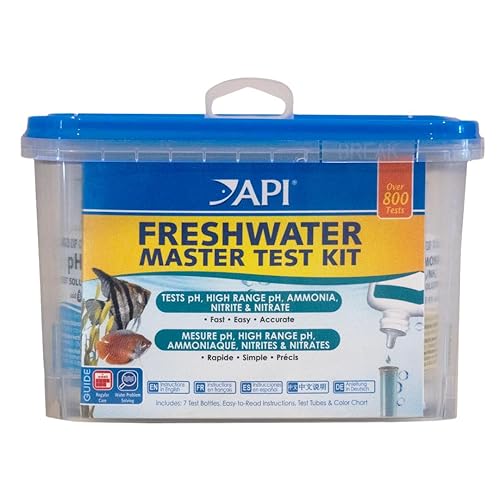
The sweet spot for most betta communities is 76 to 79 degrees, which overlaps nicely with ember tetras, rasboras, corydoras, and kuhli loaches. pH between 6.5 and 7.4 covers all of them. Keep ammonia and nitrite at zero and nitrates under 20 to 30 ppm with weekly water changes of 25 to 40 percent. Test your source water before it goes in the tank; a decent conditioner like API Stress Coat handles chlorine and chloramine, and the aloe component can help with minor fin abrasions during the acclimation period, but it's not a substitute for a cycled filter.
Feeding deserves a mention because it's where mixed tanks go quietly wrong. Bettas need protein-heavy food and they're slow, deliberate feeders who often miss fast-sinking food. I feed my betta communities in two passes: a small pinch of small pellets or flakes for the school at one end, then target-feed the betta at the other end with a dedicated betta pellet so he actually gets his share. Frozen bloodworms once or twice a week round things out. Overfeeding in community tanks is the number one cause of the cloudy-water, algae-blooming, nitrate-spiking spiral I hear about constantly, and the fix is always the same: less food, more frequent small water changes, better filtration.
Filtration and Flow
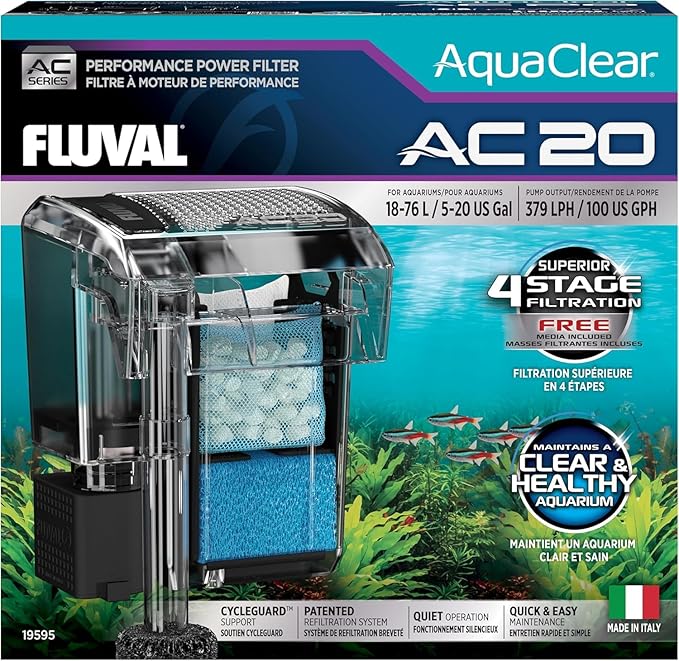
Bettas hate strong current. Their heavy fins make swimming against flow exhausting, and a betta pinned by a powerful filter outlet will become lethaimic and stressed. Aim for gentle turnover, around 4 to 6 times tank volume per hour for a betta community, and baffle the output with a sponge or positioned driftwood if needed. A sponge filter run on a small air pump is genuinely one of the best options here: nearly silent, gentle flow, excellent biological filtration, and the sponge surface doubles as a snack garden for shrimp. For a 15 or 20 gallon, a properly baffled hang-on-back filter or a small canister also works. Whatever you choose, the bacteria colonizing your filter media are what keep ammonia at zero, so never rinse media in tap water. Swish it in old tank water during changes instead.
Troubleshooting Common Problems
If the betta chases relentlessly for more than a day or two, remove the school, not the betta. Reintroduce after a week in a bigger, more heavily planted configuration, or accept the betta is a solo fish. Some are. If fins start looking ragged, separate first and diagnose second, because ragged fins mean either nipping or the onset of fin rot, and both get worse fast in dirty water. If the tank mates are hiding constantly and not eating, the layout lacks cover or the school is too small. A group of three tetras behaves completely differently from a group of ten; small groups get nervous, and nervous fish attract more attention from the betta.
Watch the betta himself too. A betta spending all day hiding behind the heater, refusing food, or clamping his fins is telling you something is wrong, and it isn't always the tank mates. Check temperature, test the water, and look for disease. Solving a stress problem almost always means solving a water problem first.
My Practical Recommendation
If you want the highest-probability betta community, here's the exact recipe I'd give a friend: a 15 or 20 gallon planted tank, cycled for at least a month, held at 78 degrees, with a gentle sponge filter and dense plant cover including something floating at the surface. Introduce eight ember tetras or chili rasboras first, let them settle for a week, rearrange the scape, then add the betta last, in the evening, after a day of rearranged territory. Feed in two passes. Test weekly. Keep a backup tank cycled.
That recipe has worked for me nearly every time, and the times it didn't, the failure was traceable to a fish with an unusually aggressive personality or a shortcut I took on the setup. Even then, the escape plan saved the day. Plan for success, but keep the net ready. And if your tank is under 10 gallons, enjoy your betta as the solitary, dramatically flaring little character he is. He's not lonely. He's the king of his castle, and some kings prefer to reign alone.
Related Reading
Want more on this topic? Check out our guides on best aquarium fish food tropical goldfish community, best aquarium chillers cooling systems, goldfish myths debunked common beliefs.