Most New Fish Die From a Tank That Looks Perfectly Fine
Beginners set up a gorgeous 20-gallon tank, fill it with dechlorinated water, let it run for 48 hours, and drop in six neon tetras. By day four, the water is slightly hazy. By day six, two tetras are dead. By day ten, the whole tank is a graveyard and the owner has no idea what went wrong. The filter is running. The heater is set to 78F. The tank looks clean. What could possibly be the problem?
The problem is that a brand-new filter is a plastic box with a sponge in it. It does not remove ammonia. It does not remove nitrite. It has zero capacity to process fish waste because the bacteria that do that job haven't moved in yet. Those bacteria take weeks to establish. During those weeks, every fish you put in the tank is swimming in its own urine, and ammonia burns gills, damages skin, and kills. This is new tank syndrome, and it is the single most common cause of death for beginner fish.
The fix is called fishless cycling, and it's the one thing I wish every new hobbyist understood before buying a single fish. You grow the bacteria first, then add livestock to a tank that's already biologically ready. It takes 4-6 weeks. It's boring. It's also the difference between a tank that thrives for years and one you tear down in frustration by Thanksgiving.
What Ammonia, Nitrite, and Nitrate Actually Do
Fish eat, they breathe, they poop. All of that produces ammonia (NH3/NH4+), which is highly toxic. In a cycled tank, a specific group of bacteria called Nitrosomonas converts ammonia into nitrite (NO2-). Nitrite is also highly toxic—it blocks oxygen transport in fish blood, essentially suffocating them from the inside. A second group, Nitrobacter and Nitrospira, converts nitrite into nitrate (NO3-), which is much less toxic and gets removed through water changes or absorbed by plants.
That three-step chain is the nitrogen cycle. In a mature tank, ammonia and nitrite read 0 ppm and nitrate climbs slowly between water changes. In a new tank, ammonia and nitrite spike because no bacteria exist to process them. Your job during fishless cycling is to feed the tank a pure ammonia source, wait for those two bacterial colonies to grow, and confirm they can process a heavy ammonia load in under 24 hours.
According to the ASPCA, ammonia toxicity is one of the leading causes of preventable fish death in home aquariums, and it's almost always tied to an uncycled or crashed biofilter. That matches the pattern seen in 20 years of keeping tanks. The fish don't die from bad luck. They die from chemistry nobody warned you about.
The Supplies You Actually Need
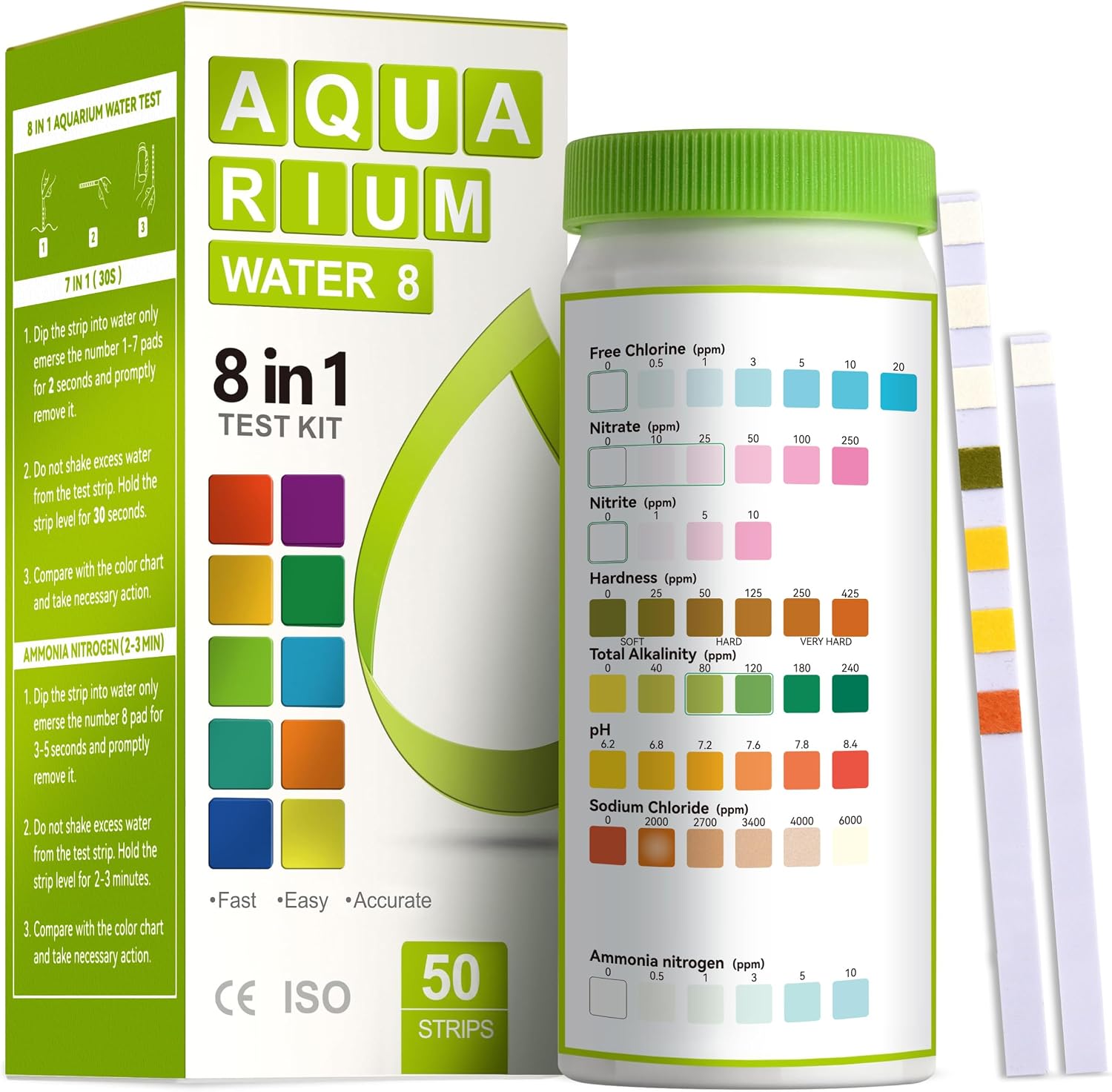
You need four things. A liquid test kit for ammonia, nitrite, and nitrate (strips are too imprecise—you need drops and a color chart). A bottle of pure ammonia with no surfactants, no dyes, no fragrance. A thermometer and a heater, because the bacteria you're growing multiply fastest at 78-82F. And a filter running with whatever media you plan to keep long-term.
For the ammonia source, plain household ammonia from the hardware store works if it's just ammonia and water. Shake the bottle—if it foams and the foam persists, it has surfactants and you can't use it. The safe alternative is a dedicated aquarium ammonium chloride product. Both approaches are used in fishless cycling. The dedicated product is more predictable, and it doesn't have you standing in the cleaning aisle reading ingredient labels like a detective.
You will also want a bottle of dechlorinator, because chlorine and chloramine kill the bacteria you're trying to grow. If you have chloramine in your tap water—and most US municipal supplies do—you need a conditioner that specifically neutralizes it. Check your water supplier's annual report; it's public and it tells you exactly what's in your tap.
If you want a reliable kit, the API Freshwater Master Test Kit is what most experienced hobbyists reach for. It's a common choice for cycling a tank because it gives you ammonia, nitrite, pH, and high-range pH in one box. Check the current price on Amazon.
Step 1: Set Up the Tank and Get the Water Right
Fill the tank with dechlorinated water at the temperature you'll run long-term. Install the filter and heater. Turn everything on. Let it run for 24 hours to stabilize temperature and off-gas any chlorine residual. If your tap water is very soft or very acidic, you may need to buffer it slightly—bacteria stall below pH 6.0. Most tap water sits between 7.0 and 8.0 and works fine out of the gate.
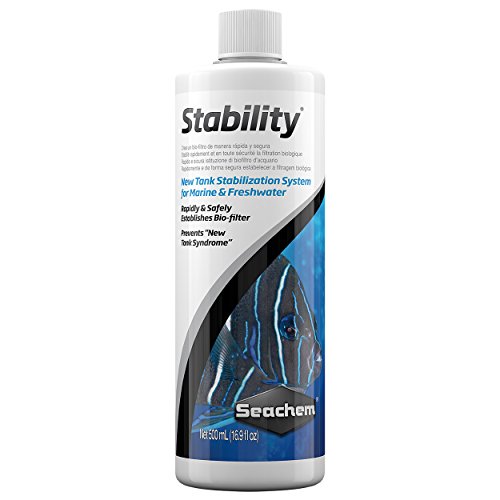
Do not add fish. Do not add fish food to rot. Do not add a 'bacteria starter' and assume you're done—those products can help, but they don't replace the ammonia-dosing process. Think of them as a head start, not a finish line.
Step 2: Dose Ammonia to 2-4 ppm
Add your ammonia source until the test kit reads between 2 and 4 ppm. That's your target. Higher than 5 ppm can stall the cycle, and lower than 1 ppm starves the bacteria. For most 10-20 gallon tanks, that's somewhere between 10 and 20 drops of a 10% ammonium chloride solution, but check your product's instructions because concentrations vary widely. Test an hour after dosing to confirm you hit the range.
Now wait. Test ammonia daily. For the first week or two, ammonia will stay high because nothing is consuming it yet. You're not doing anything wrong. The bacteria are colonizing your filter media, and they take time to reach a population large enough to make a dent.
Step 3: Watch Ammonia Drop and Nitrite Rise
Around day 7-14, ammonia starts falling. When it drops below 1 ppm, dose it back up to 2-4 ppm. You're feeding the colony so it keeps growing. Meanwhile, nitrite will start to appear—sometimes slowly, sometimes in a dramatic spike that reads off the chart. That nitrite spike is normal. It means the first bacterial group is working and the second group is still catching up.
Keep dosing ammonia whenever it falls below 1 ppm. Keep testing nitrite. The nitrite spike can last anywhere from one week to three weeks, and it's the phase where impatient hobbyists give up. Don't. A stalled-looking cycle is usually just a slow one.
According to research published in Applied and Environmental Microbiology, the Nitrospira bacteria responsible for converting nitrite grow significantly slower than ammonia-oxidizing bacteria, which is why the nitrite phase always lags behind. This isn't a sign of failure. It's the biology.
Step 4: Confirm the Cycle Is Done
The cycle is finished when a single dose of ammonia to 2-4 ppm is fully converted to nitrate within 24 hours, with ammonia and nitrite both reading 0 ppm. Test at hour 12 and hour 24. If ammonia is 0 and nitrite is 0 at both checks, you're cycled. Nitrate will be high—often 40-80 ppm or more—so do a large water change (50-70%) to bring it down before adding fish.
Some people do a 'ghost feeding' version of this using fish food instead of ammonia. It works, but it's messier, it produces unpredictable ammonia levels, and it clouds the water. The ammonia method is the better choice because the dose can be controlled precisely and what's happening can actually be measured.
What Can Go Wrong—and How to Fix It
A few things stall cycles, and knowing them saves weeks of frustration.
pH crash. The bacteria consume carbonate hardness as they work, and in soft water the pH can drop below 6.0, which stalls everything. Test pH weekly. If it falls, add a small amount of crushed coral in a media bag to the filter, or do a partial water change with buffered water.
Temperature too low. Below 72F, bacterial growth slows dramatically. Keep the tank at 78-82F during cycling, then adjust to your species' preferred range afterward.
Chlorine or chloramine. If you forget dechlorinator on a top-off, you can wipe out a chunk of your colony. Always condition new water before it touches the tank.
Overdosing ammonia. Above 5-6 ppm, ammonia actually inhibits the bacteria. If you overshoot, do a 50% water change and re-dose to 2-4 ppm.
Filter off for hours. The bacteria need oxygen and flow. If your filter dies and sits off for a day, you may lose part of the colony. Keep a spare powerhead or air pump on hand if you can.
How Long Does Fishless Cycling Really Take?
Four to six weeks is the honest answer for a cold-start tank with no established media. You can shorten it to two or three weeks by seeding with filter media from an established tank—squeeze a mature sponge into your new filter, or drop in a bag of ceramic media that's been running in a healthy tank for a month. That's the single biggest shortcut available, and it's free if you know another hobbyist.
Bottled bacteria products can shave a week or two off the timeline. They work best when paired with ammonia dosing, not as a replacement for it. Tanks can cycle in 12 days with a quality starter and seeded media. Tanks in cold rooms with soft water can take eight weeks. There's no universal number—your test kit tells you when you're done, not the calendar.
Adding Fish Without Crashing the Cycle
A cycled tank has a bacterial population sized to the ammonia load it's been fed. If you've been dosing to 2 ppm and you add 15 fish on day one, the ammonia produced will outpace the colony and you'll get a mini-spike. That's called a bioload shock, and it's the second most common beginner mistake after skipping the cycle entirely.
Stock slowly. Add a small group first—say, six small tetras in a 20-gallon—and wait two weeks before adding more. Test ammonia and nitrite every other day for the first month after adding fish. If either reads above 0.25 ppm, do a 30% water change and skip feeding for a day. That buys the bacteria time to catch up.
The AVMA notes that responsible aquarium keeping starts with understanding the nitrogen cycle before fish are introduced, and I'd go further: if you don't own a liquid ammonia test kit, you're not ready to keep fish. It's a $25 piece of equipment that prevents hundreds of dollars in livestock losses.
Why This Beats the Old 'Let It Run a Week' Advice
Pet store employees used to tell new hobbyists to set up the tank, run it for a week, and then add fish. That advice is biologically meaningless. Running a filter with no ammonia source doesn't grow anything, because there's nothing for the bacteria to eat. It just circulates water.
Fishless cycling gives the bacteria an actual food source—ammonia—so they colonize the filter media before any fish are at risk. When you finally add livestock, they swim into a tank that already has a functioning biofilter. No ammonia burns. No nitrite poisoning. No mysterious deaths in week two.
It's slower up front. It's dramatically faster to a stable, healthy tank. Adding fish to an uncycled tank is never worth the risk. The four to six weeks of waiting is the cheapest insurance in the hobby.
Your Practical Takeaway
Buy the liquid test kit before you buy the fish. Set the tank up, dose ammonia to 2-4 ppm, test daily, and don't add a single fish until a full ammonia dose clears to 0 ppm ammonia and 0 ppm nitrite within 24 hours. Do a big water change, then stock slowly. If you want a shortcut, get a bag of used filter media from a healthy tank. If you want a product that makes measuring easier, a reliable ammonia source and a liquid master test kit will carry you through the whole process. That's it. Four weeks of patience, and you skip the part where you kill your first batch of fish learning the hard way.
Related Reading
Want more on this topic? Check out our guides on best aquarium plant fertilizers, why is my fish tank cloudy causes fixes guide, best reef tank starter kits complete saltwater aquarium.