Your Cat Is Lying to You, and It's Not Malice
Last spring I spent two weeks convinced my 12-year-old tabby, Wallace, was just 'slowing down with age.' He slept more, jumped onto the couch less, and seemed a little grumpy when I picked him up. Classic senior cat stuff, I told myself. Then my vet felt his hips during a routine checkup and asked how long he'd been arthritic. Two years, possibly. I'd missed it entirely, and I write about cats for a living.
That's the brutal truth about feline pain: cats are evolutionary hardwired to hide it. A cat limping through the African savanna three thousand years ago was a cat that became lunch, so modern Fluffy still masks discomfort with a skill that would impress a poker champion. According to the American Animal Hospital Association (AAHA), chronic pain in cats is dramatically underdiagnosed, in part because owners simply don't recognize the signs until the problem is advanced. One frequently cited estimate from feline medicine researchers suggests that a majority of cats over age 12 have radiographic evidence of arthritis, yet only a small fraction of their owners report seeing lameness.
The good news? Once you know what to look for, the signs are there. This guide covers the 14 signals I now check for in every cat I foster, plus which ones mean 'call the vet today' versus 'book an appointment this week.'
Why Cats Hide Pain (and Why You Must Outsmart Them)
Cats are both predators and prey animals, and the prey side of that equation drives the masking behavior. Showing weakness invites attack, so a painful cat's strategy is to act normal: eat, groom, patrol, nap in the usual spots. The mask slips in small, easy-to-miss ways. Your job is to become a detective, not wait for a limp or a yowl. By the time a cat shows obvious pain, the underlying problem is usually well established.
Veterinary medicine has also historically undermanaged feline pain. Cats metabolize drugs differently than dogs, and safe options used to be limited, so some vets took a conservative approach. That's changed over the past decade, with newer medications like solensia (a monthly injection for arthritis pain) giving owners real options. There is no reason for a cat to just tough it out anymore.
The 14 Subtle Signs of Pain in Cats
1. Changes in Jumping Behavior
This is the number one arthritis clue I missed with Wallace. Watch how your cat gets onto a favorite perch. A cat with joint pain stops jumping directly and starts using intermediate stops: chair to table to counter, like a mountaineer taking switchbacks. Some cats stop going upstairs entirely. If your cat hesitates before a jump they used to make instantly, that hesitation is information.
2. Altered Grooming, Either Direction
Painful cats groom less, especially over the hurting area, so you'll see a greasy, matted, or dandruff-flecked patch over the lower back or hips. But some cats over-groom a painful spot, licking it bald. Both patterns matter. A bald belly can mean pain, allergies, or stress, and your vet can distinguish them. If your long-haired cat suddenly looks unkempt in one region only, don't blame laziness.
3. Posture That Just Looks Off
A comfortable cat at rest has a loose, curled, or loosely splayed posture. A painful cat often sits in a hunched 'loaf with a headache' position: back arched up, head lowered, elbows tucked, eyes half closed. Cats with abdominal pain may sit with a tense, crouched stance and refuse to fully settle. If your cat holds the same stiff position for hours, take a photo and compare it to older pictures. Owners frequently don't notice gradual change until they see it side by side.
4. Litter Box Changes That Aren't Behavioral
Everyone assumes litter box misses are spite or territory issues. Often they're pain. A cat with arthritis hurts when squatting deep in a high-sided box, so they go beside it. A cat with urinary tract pain may associate the box with the pain of straining and start choosing soft surfaces like laundry or bath mats. Cats with knee or hip pain may avoid a box that requires stairs or a jump. Before assuming a behavior problem, rule out pain, especially in cats over 8.
5. Decreased Appetite or Picky Eating
Dental pain is the classic hidden cause. A cat that drops kibble, chews on one side, tilts the head while eating, or suddenly prefers soft food may have resorptive lesions, which affect a large share of adult cats and are genuinely painful. Cats can't skip many meals safely, so a cat who hasn't eaten in 24 hours needs a same-day call, and a cat who hasn't eaten in 36 to 48 hours is at risk for hepatic lipidosis, a life-threatening liver problem. According to the ASPCA, loss of appetite lasting more than a day or two always warrants veterinary attention.
6. Irritability or Sudden Mood Swings
Pain shortens fuses. A cat who used to tolerate handling and now growls, swats, or squirms away when touched near a specific area is telling you something. Petting-induced aggression that starts suddenly in an adult cat is a pain flag until proven otherwise. Pay attention to location: if the reaction happens only when you touch the lower back, a hip, or the belly, mention exactly that to your vet.
7. Hiding More Than Usual
Cats retreat when they hurt. If your social cat has started spending all day under the bed or in a closet, that's a change worth investigating. We've covered hiding behavior in depth elsewhere, but the short version is: gradual new hiding plus any other sign on this list equals vet visit.
8. Vocalization Changes
More purring can actually mean pain, not contentment, because cats sometimes purr as a self-soothing mechanism. Excessive meowing, especially at odd times, can signal discomfort, particularly in cats with high blood pressure or hyperthyroidism. And a normally chatty cat going quiet matters too. Any shift in the vocal pattern deserves attention.
9. Sleeping More or in New Spots
Sleeping more is the most dismissed symptom in senior cats. Yes, cats sleep 12 to 16 hours a day normally, but a cat sleeping 20 hours who used to do 14 is different. Also note location changes: a cat who abandons a beloved high perch for the floor, or who stops sleeping with you because the jump onto the bed hurts, is adapting around pain.
10. Stiffness After Rest
Watch the first few steps after a long nap. Arthritic cats rise slowly, take a few stiff steps, and loosen up as they move. That 'warming up' pattern is the same one dogs show, but cats display it more subtly. Film it once or twice; a 10-second clip is incredibly useful to your vet.
11. Tail Position and Gait Details
A cat carrying the tail low or limp, dragging a hind foot slightly, or bunny-hopping the back legs when running (both hind legs move together) is showing orthopedic pain. bunny-hopping especially suggests hip problems. Also watch for a head bob while walking, which can point to lameness in a limb.
12. Facial Expression Changes
Veterinary researchers have developed grimace scales for cats, the way they have for rabbits and horses. Squinted eyes, flattened ears, a drooping mustache-line, and a tension above the nose all correlate with pain. It sounds woopy, but study the Feline Grimace Scale from the University of Montreal, which is publicly available, and you'll start reading your cat's face differently within a week.
13. Reluctance to Be Picked Up or Handled
If your cat used to melt into your arms and now goes rigid or squirms the moment their belly or chest is touched, don't write it off as 'she's not a cuddler anymore.' Abdominal pain from pancreatitis, bladder inflammation, or intestinal disease often shows up exactly this way. Wallace's grumpiness about being lifted was his hip pain, and I rationalized it for months.
14. Aggression Between Cats Who Used to Get Along
A painful cat may strike out at a housemate who bumps into them, or stop playing and grooming together. If a peaceful multi-cat home suddenly turns tense, especially involving a middle-aged or senior cat, ask the vet about pain before calling in a behaviorist.
The Two-Minute Home Pain Check I Do With Every Foster
Run your hands from head to tail-base with light pressure: ears, under the chin, along the back, over the hips, down each leg to the paw. Note flinching, skin twitching, vocalizing, or muscle tensing. Gently stroke the belly if your cat allows it. Never force this on a cat who resists hard, you'll get false readings from fear alone, and possibly some fresh scars. Do this weekly and you'll build a baseline, which is worth more than any checklist. A vet can't compare against normal if you can't describe what normal looks like.
Making a Painful Cat More Comfortable at Home
While you wait for the vet appointment (or alongside prescribed treatment), a few changes pay off fast. Raise food and water bowls a few inches so a stiff neck or elbows don't have to bend all the way to the floor. Add a step or ramp to the bed and couch. Swap high-sided litter boxes for low-entry versions and put one on every floor. Provide a warm sleeping spot, since warmth eases stiff joints; a heated bed is the single most appreciated purchase I've made for every senior foster. If you want a specific pick, I've had good results with the self-warming and heated cat beds we've used, and the low cost version works surprisingly well for cats who won't use an electric one.

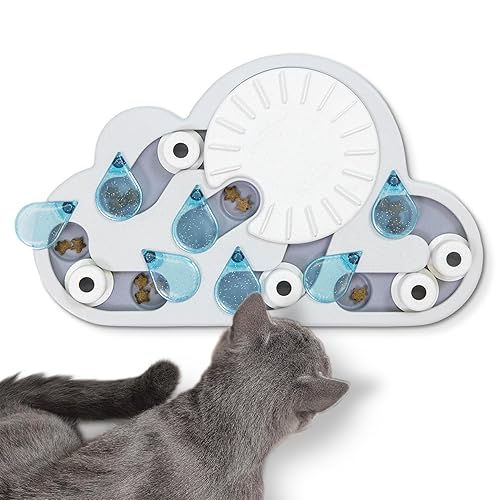
Grooming help matters too. Arthritic cats can't twist to reach their lower back and hindquarters, so a few minutes of gentle brushing there daily prevents painful mats. A good deshedding tool makes this quick, and I keep one in every foster room; something like this style of grooming brush handles the dense-coated cats who mat fastest. Keep nails trimmed as well, since long nails alter gait and make joint pain worse. Feline arthritis specialists also consistently recommend environmental enrichment that doesn't require jumping, like food puzzles at floor level and window perches reachable by ramp, because mental engagement genuinely affects how cats cope with chronic discomfort.
What NOT to Do
Never give a cat human pain medication. No ibuprofen, no acetaminophen, no aspirin unless a vet explicitly instructs you with a specific dose. Acetaminophen is deadlier to cats than almost any other common household drug, destroying red blood cells even at tiny doses, and ibuprofen can cause kidney failure and stomach ulcers. I've seen well-meaning owners kill a cat with half a Tylenol, and it's devastating every time. Also skip essential oils, CBD products marketed with wild claims, and random internet remedies. If someone on social media says their cat's arthritis was cured by a supplement, fine, but run it past your vet first, because interactions with real medications are a genuine risk.
Second warning: don't take no for an answer too quickly. If your vet examines your cat, finds nothing obvious, and sends you home, but your gut says something is wrong, ask about a trial of pain medication. Feline medicine increasingly uses analgesic trials as a diagnostic tool: if the cat improves on pain relief, pain was the problem, and you've confirmed it. X-rays don't always show everything either, especially soft tissue pain.
When to Go to the Emergency Vet Right Now
Some signs skip the appointment queue entirely. Go immediately, day or night, for: straining in the litter box with no urine produced, especially in male cats, which is a blocked bladder and a true emergency; open-mouth breathing or panting; crying out when touched; a distended, tense, or painful abdomen; refusal to eat for over 24 hours combined with lethargy; sudden inability to use the hind legs; or any major trauma like a fall from height, even if the cat seems fine afterward. Cats mask injury after falls frighteningly well, and internal bleeding doesn't show until it's dire. The 'seems fine' window after trauma is when owners get fooled most often.
For chronic, lower-grade signs like the subtle ones in this list, aim for a vet visit within a week, sooner if multiple signs stack up. Bring your photos and videos. I keep a note on my phone titled 'weird cat stuff' with dated clips, and vets have told me repeatedly that those clips change the diagnostic conversation.
Questions to Ask Your Vet
Walk in with specifics. Ask: could this be arthritis, and should we image the hips and spine? Is a pain medication trial appropriate? Would bloodwork catch thyroid, kidney, or blood pressure issues that cause restlessness or appetite changes? Are my cat's teeth checked under anesthesia, since awake exams miss most dental pain? And if arthritis is confirmed, ask about long-term options including the newer monthly injections, joint-support diets, and at-home modifications. Don't be shy about budget either; vets can tier a plan, and knowing your limits helps them sequence diagnostics sensibly. For cats who hate carriers and vet visits, a sturdy top-loading carrier makes exams dramatically less stressful, and I recommend something in the style of a top-entry hard-sided carrier for exactly this reason. A calmer cat gets a more thorough exam, and a more thorough exam finds pain.
The Takeaway I Wish I'd Had Two Years Ago
Your cat will not tell you they hurt. They'll sleep a little more, skip a jump, go gray around the edges of their personality so gradually that you call it aging. Aging is not a diagnosis, it's a risk factor. When a client tells me their cat is 'just getting old,' my first question now is: which specific thing changed, and when? If you can answer that, you're 80 percent of the way to helping them. Do the weekly hands-on check, keep your dated video clips, trust your gut over the mask, and never accept 'cats just sleep a lot' as an explanation for a change. Wallace is on a monthly injection now, sleeping on my knees again, and the two years I lost to my own inattention are exactly why I write guides like this one.
Related Reading
Want more on this topic? Check out our guides on best cat scratching posts top reviews ultimate buying guide, why does my cat do that behaviors answered, toxic plants for cats safety guide.