Toxic Plants for Cats: 20 Dangerous Houseplants and Safe Alternatives
Disclosure: PawCritic is reader-supported. A couple of links below are Amazon affiliate links, and we may earn a small commission if you purchase through them at no extra cost to you.
Veterinary toxicologists describe lily poisoning as one of the most heartbreaking and preventable emergencies in feline medicine. A cat that brushes against a bouquet, grooms pollen off its fur, or drinks from a vase can begin losing kidney function within hours, often before anyone notices anything wrong. The ASPCA Animal Poison Control Center fields thousands of calls every year about cats and plant ingestion, and lilies account for a large share of the fatal cases. The uncomfortable fact is that the most dangerous object in many cat homes is not under the sink. It is the plant on the windowsill.
This reference guide covers the plants that can genuinely kill, the ones that cause serious but usually non-fatal illness, the symptoms to watch for, what to do in the first minutes after ingestion, and which species can safely share a home with a cat. Every claim below traces to published veterinary guidance, botanical toxicity data, or verified owner reports.
Why Cats Chew Plants in the First Place
Understanding the behavior makes prevention easier. Cats nibble foliage for curiosity, boredom, texture, and occasionally genuine nutritional drive. Grass provides fiber and helps some cats regurgitate hairballs. The American Veterinary Medical Association describes plant chewing in cats as normal exploratory behavior, which is why the plant you choose matters more than any attempt to train the cat to leave it alone. You cannot train away instinct.
That is the core problem with toxic plants and cats: a cat does not know a lily is poison, and cats are hardwired to investigate novel textures with their mouths. Prevention has to happen at the plant level, not the cat level. A cat that has never touched a houseplant for years can decide one afternoon that a new arrangement looks interesting. The Cornell Feline Health Center notes that cats are masters at hiding illness, so by the time a plant-related problem becomes visible, the internal damage may already be significant.
The Killers: Plants That Can Be Fatal
These are the plants every cat owner should memorize. If a cat eats any of them, do not wait for symptoms. Call a veterinarian or the ASPCA Animal Poison Control Center at 888-426-4435 immediately. The ASPCA Animal Poison Control maintains the standard toxic-plant database used by veterinarians and owners alike.
Lilies (true lilies and day lilies). The undisputed number one killer. Every part of the plant is toxic, including petals, leaves, stem, pollen, and even the water in the vase. A cat that grooms a little pollen off its fur can develop kidney failure. Species in the Lilium and Hemerocallis genera, which include Easter lilies, tiger lilies, day lilies, Asiatic lilies, and stargazers, are all deadly. Peace lilies, confusingly, are a different plant with a different toxin. They cause mouth irritation but are not the kidney killer. More on that naming trap below.
Sago palm. This popular houseplant and its outdoor cycad relatives contain cycasin, a toxin that destroys the liver. The seeds are the most concentrated part, but all of it is dangerous. Symptoms start with vomiting and diarrhea, then progress to liver failure over days. Sago palm ingestion carries a high fatality rate even with aggressive treatment. If there is a cat or dog in the home, this plant does not belong there.
Yew. Mostly an outdoor landscaping plant, but it appears in holiday decorations and floral arrangements. All parts contain taxine alkaloids, which affect the heart. Ingestion can cause sudden cardiac arrest, sometimes with no warning signs at all.
Oleander. A common outdoor shrub in warm climates, occasionally brought inside. It contains cardiac glycosides, the same class of compound as digitalis. Chewing a single leaf can be fatal. Symptoms include vomiting, drooling, tremors, and heart arrhythmias.
Foxglove. Another cardiac glycoside plant. Gardeners grow it for its tall flower spikes, but every part is toxic to cats and to people. The mechanism matches oleander: heart disruption that can be fatal.
Cyclamen. The tubers are the most toxic part, but leaves and flowers also contain cyclamine. Ingestion causes vomiting, diarrhea, and in severe cases seizures and heart rhythm problems.
Kalanchoe. A succulent that has become trendy in houseplant circles. It contains bufadienolides, which affect the heart. Cats that chew it typically vomit; large amounts can cause cardiac issues.
The Sick-Makers: Plants That Cause Serious but Usually Non-Fatal Illness
These plants will not typically kill a healthy cat, but they can make one miserable, and some become dangerous in large amounts or for cats with existing health problems.
Peace lily, calla lily, and other aroids. Philodendron, pothos, monstera, and dieffenbachia belong to this group. They contain calcium oxalate crystals, microscopic needle-shaped structures that embed in the mouth and throat on contact. The result is immediate burning, drooling, pawing at the mouth, vomiting, and difficulty swallowing. It looks dramatic and feels awful, but it is rarely life-threatening unless swelling blocks the airway, which is uncommon in cats. The ASPCA lists these as toxic with oral irritation as the primary effect.
Dieffenbachia (dumb cane). Same calcium oxalate mechanism, but its crystals are larger and the swelling can be more severe. The outcome for cats is still usually mouth pain and drooling rather than organ failure.
Tulips and hyacinths. The bulbs are the toxic part, with the highest concentration of toxins, and cats sometimes dig them up if potted bulbs are kept indoors. Symptoms include vomiting, drooling, diarrhea, and in severe cases heart or breathing issues.
Aloe vera. The plant in everyone's kitchen. The gel inside the leaves is soothing for human burns, but the latex layer just under the skin contains saponins and anthraquinones that cause vomiting and diarrhea in cats. Not usually fatal, but miserable, and common because aloe is everywhere.
English ivy. Contains saponins and polyacetylene compounds. Chewing causes vomiting, abdominal pain, and drooling. Cats rarely eat enough to be in serious danger, but the plant is easy to replace with something safer.
Jade plant. A beloved easy-care succulent that causes vomiting, lethargy, and coordination problems in cats. The toxicity is poorly understood, and the ASPCA lists it as toxic with an unknown toxin. Some cats react much worse than others.
Eucalyptus. Popular for its scent and in dried arrangements. Essential oils in the leaves cause vomiting, drooling, and depression in cats. Cats are especially sensitive to essential oils in general because their livers lack the enzymes to break down many of them.
Lavender. Same essential-oil issue. Fresh lavender causes mild stomach upset; concentrated lavender oil is the bigger hazard. A cat rubbing against a lavender plant is usually fine. A cat that chews it will likely vomit.
Chrysanthemums, daisies, and other pyrethrin plants. These contain pyrethrins, natural insecticides. Cats are dramatically more sensitive to pyrethrins than dogs. The ASPCA lists mums as toxic to cats, causing vomiting, diarrhea, drooling, and in larger exposures, tremors.
Marijuana (cannabis). Worth listing because it is increasingly common in homes. Cats that ingest raw plant material or edibles can develop severe neurological signs, including wobbling, dilated pupils, drooling, and in bad cases seizures. Edibles are the real danger because chocolate, raisins, and xylitol in them compound the problem.
The Dangerous List at a Glance
| Plant | Severity | Main Effect |
|---|---|---|
| Lilies (Lilium, Hemerocallis) | Fatal | Acute kidney failure |
| Sago palm | Fatal | Liver failure |
| Yew | Fatal | Cardiac arrest |
| Oleander | Fatal | Cardiac glycoside poisoning |
| Foxglove | Fatal | Cardiac glycoside poisoning |
| Cyclamen | High | Vomiting, seizures, arrhythmias |
| Kalanchoe | Moderate-high | Vomiting, cardiac effects |
| Peace lily and aroids | Moderate | Oral irritation, drooling |
| Tulips and hyacinths (bulbs) | Moderate | Vomiting, drooling |
| Aloe vera | Moderate | Vomiting, diarrhea |
| English ivy | Moderate | Vomiting, abdominal pain |
| Jade plant | Moderate | Vomiting, lethargy |
| Eucalyptus | Moderate | Vomiting, drooling |
| Chrysanthemums | Moderate | Vomiting, tremors in large amounts |
Symptoms: What to Watch For
Cat poisoning symptoms are easy to miss because cats hide illness as a survival instinct. A sick cat's first move is to find a quiet corner and look normal. Watch for these signs, especially if any plant on the list is in the home:
- Vomiting or retching, the most common sign
- Drooling or foaming at the mouth, classic for calcium oxalate plants
- Pawing at the mouth or face
- Loss of appetite, especially for more than a day
- Lethargy, sleeping more than usual, hiding, or not greeting you
- Diarrhea
- Wobbling, stumbling, or dilated pupils, which are neurological signs
- Increased thirst and urination, a late and serious sign with lily toxicity
- Tremors or seizures, which are an emergency
Two points worth stating plainly. Cats hide pain, so any of these signs combined with a toxic plant in the house is a vet call, not a wait-and-see situation. With lilies specifically, symptoms can lag. A cat may look fine for 12 to 24 hours while the kidneys are already failing. By the time symptoms appear with lilies, precious treatment time has been lost. The Merck Veterinary Manual, which maintains a cat owner reference covering poisoning and toxic exposures, describes this delayed presentation as a defining feature of lily toxicosis.
What to Do If Your Cat Eats a Toxic Plant
Minutes matter. The following sequence reflects standard veterinary first-response guidance.
1. Remove the cat from the plant and remove plant material from the mouth carefully, so you do not get bitten. Check for leaf pieces between the teeth.
2. Identify the plant. If you are not sure what it is, take a photo or a cutting. Vets need to know the species to know the treatment. A description of a plant with white flowers does not help anyone.
3. Call your vet or an animal poison line immediately. ASPCA Animal Poison Control is 888-426-4435 and a consultation fee applies. Pet Poison Helpline is 855-764-7661. Have the cat's approximate weight, the plant name, and an estimate of how much was eaten. Do not induce vomiting unless a professional tells you to. With some toxins, including lilies, inducing vomiting at home wastes critical time, and with caustic plants it can cause more damage on the way back up.
4. Save a sample of the plant and any vomit. Vets can sometimes identify the toxin from it.
5. Get to the vet. For lilies, sago palm, oleander, and yew, this is non-negotiable and urgent. Treatment may include decontamination with induction of vomiting at the clinic, activated charcoal, IV fluids to protect the kidneys, and supportive care. For lily toxicity specifically, IV fluid therapy started within 18 hours of ingestion dramatically improves the odds.
One more point: if a cat ate part of a lily, the water in the vase is also toxic. Keep other pets away from it, and do not dump it where another animal can reach it.
The Peace Lily Confusion and Other Name Traps
This trips up more owners than almost anything else. Lily is a common name that covers wildly different plants with wildly different dangers. True lilies in the Lilium genus, including Easter, tiger, Asiatic, Oriental, and stargazer varieties, and day lilies in the Hemerocallis genus, cause kidney failure and are among the deadliest plants for cats. Peace lilies (Spathiphyllum) and calla lilies (Zantedeschia) are aroids. They cause mouth irritation from calcium oxalate crystals but not kidney failure.
So if someone says lilies are dangerous, they are right. If someone says peace lilies will kill your cat, they are conflating two different plants. The correct response to any lily in a cat home is to identify the exact species before deciding. The safe response is to assume the worst until you know.
The same trap applies to other common names: dumb cane for dieffenbachia, Swiss cheese plant for monstera, pothos for devil's ivy. Snake plant, or Sansevieria, also classified as Dracaena trifasciata, is not in the aroid group. It contains saponins and causes vomiting if chewed, but it is much lower risk than the oxalate plants. Common names are unreliable. If you are unsure about any plant, the ASPCA maintains a searchable database of toxic and non-toxic plants and it is worth bookmarking. The AAFCO standards cover animal feed and labeling rather than plants, but they illustrate the same principle: official definitions exist because informal ones cause confusion.
Safe Alternatives: Plants That Will Not Hurt Your Cat
You do not have to choose between a green home and a living cat. Plenty of houseplants are genuinely safe around cats. The ASPCA non-toxic list includes the following.
- Spider plant. Hardy, forgiving, and famously attractive to cats, which love the arching leaves. It is non-toxic, though some cats treat it like a salad bar and vomit from the sheer volume of plant material. Still, it is safe.
- Boston fern. Lush and cat-safe. It prefers humidity, so a bathroom spot works well.
- Parlor palm, areca palm, and other true palms. Safe and elegant. Be careful, because sago palm is not a true palm. Check the label.
- Calathea and maranta, the prayer plants. Stunning foliage, zero toxicity.
- African violets. Cheerful blooms, cat-safe.
- Orchids, especially Phalaenopsis. Non-toxic to cats per the ASPCA, though the flowers are tempting to bat around.
- Peperomia. Hundreds of varieties, all cat-safe, all easy to grow.
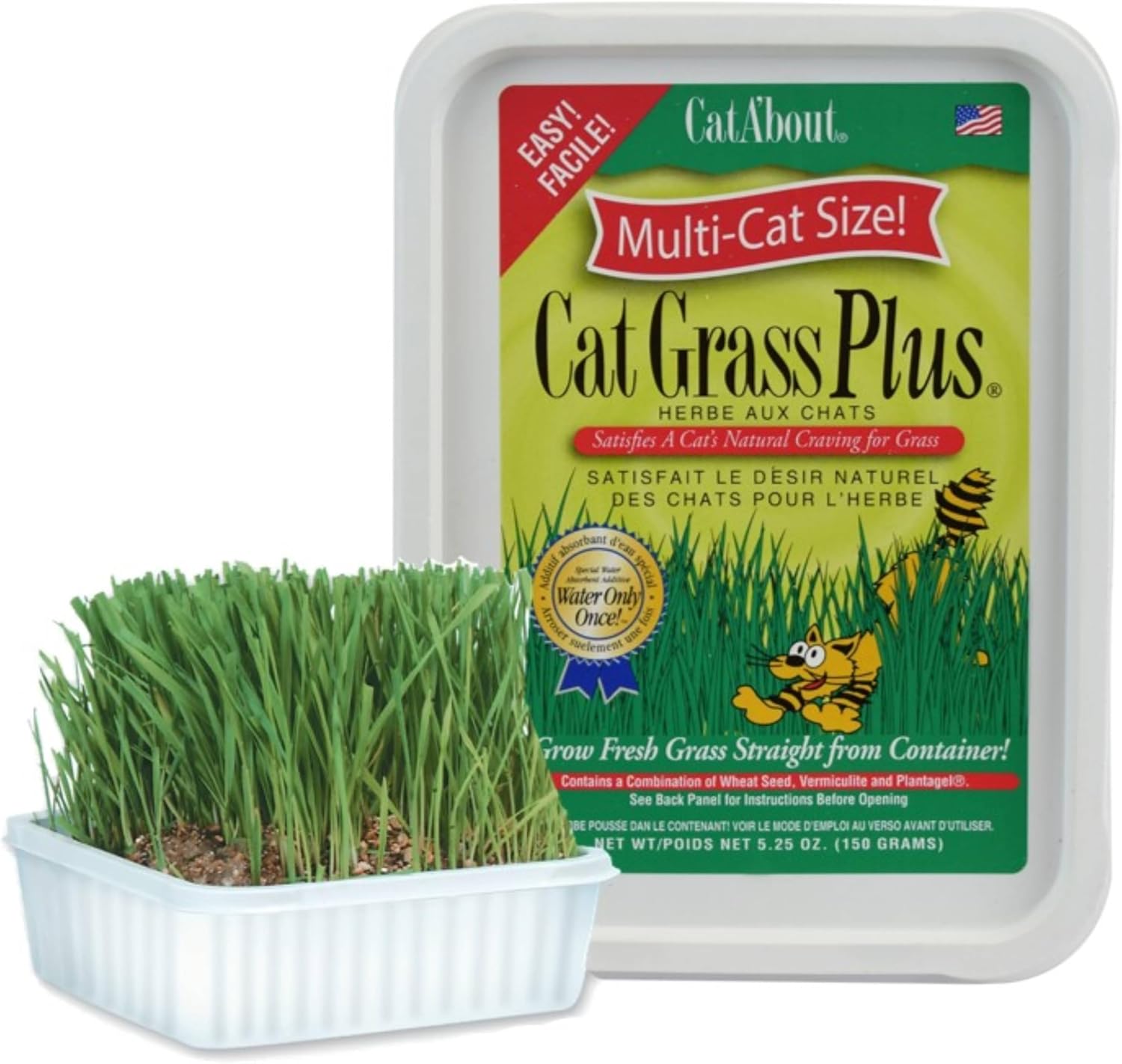
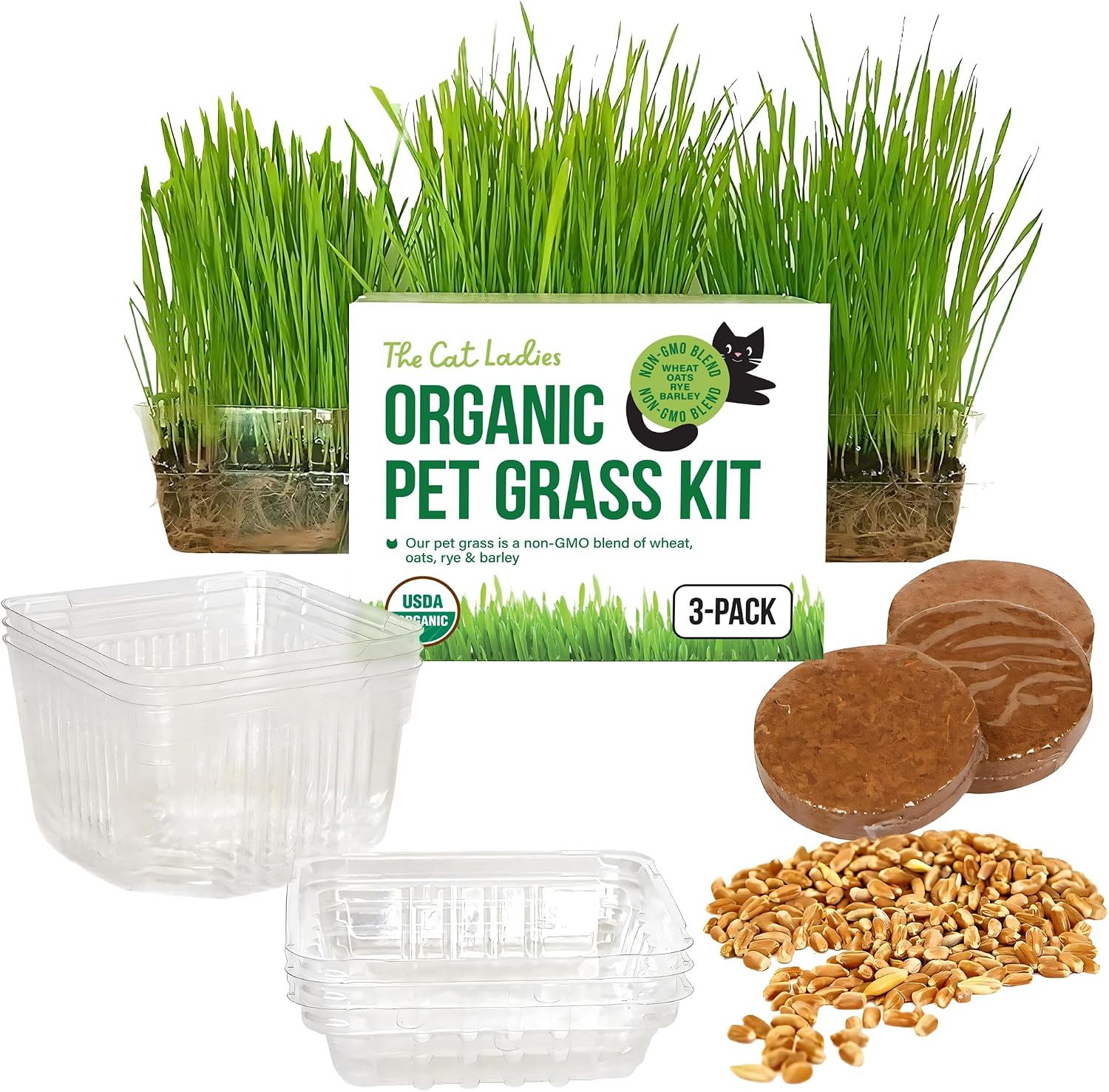
- Cat grass. The single best addition to a cat home. Grow a pot of wheatgrass or oat grass, and the cat gets a safe outlet for the chewing instinct. Most cats will pick the grass over other plants. It is cheap, grows in days, and it is exactly what the behavior is asking for.
A practical recommendation for every cat household: keep a cat grass kit growing somewhere the cat can reach, and let them have at it. The grass does not just protect your other plants. It gives the cat an acceptable target for a behavior they are going to perform anyway. If you want a concrete option to look at, you can check the current price on Amazon for a typical wheatgrass and oat grass kit. Any kit works, provided the seed is plain grass and not a treated ornamental variety.
How to Cat-Proof a Plant Collection Without Giving Up Plants
You do not have to surrender your jungle. The following playbook reflects standard veterinary and behavior guidance.
- Assume every new plant is toxic until you verify it. Look it up in the ASPCA database before it enters the house, not after.
- Treat the killers as banned. Lilies, sago palm, oleander, yew, and foxglove do not get mitigation, they get exclusion. There is no safe placement for a lily in a home with a cat. Even up high, cats climb, pollen travels, and vase water is toxic.
- Hang or improve the sick-makers. Aroids like pothos and philodendron are lower risk, and they can live in hanging baskets or on high shelves. Remember that cats are athletes. A determined cat will reach almost anything. Elevation reduces risk; it does not eliminate it.
- Use deterrents on the rest. Citrus peels, bitter apple spray, or aluminum foil around the pot base deter many cats. So does providing the cat grass alternative, which is the most effective deterrent of all.
- Reconsider cut flowers entirely. Bouquets are the number one way toxic plants enter cat homes, because nobody reads the florist's card for toxicity. Lilies, tulips, chrysanthemums, and eucalyptus are all common bouquet flowers. If flowers come into the house, check every stem.
- Be careful with gift plants. The poinsettia myth gets all the attention, but poinsettias are actually only mildly irritating. The real holiday dangers are the lilies in Easter arrangements and the yew in Christmas decor. Gift plants arrive unannounced and unchecked.
Indoor cats face a specific version of this problem because they cannot avoid what is in the home. Many owners assume that an indoor cat is automatically safer, and in terms of traffic and infectious disease that is true. The indoor environment still has to be made safe, and plant toxicity is a large part of that calculation.
When It Is Not the Plant: Other Plant-Adjacent Hazards
A few non-plant hazards hide in the plant corner of a home.
- Fertilizers and plant food. Most are mild irritants, but some contain iron or other minerals that can cause real problems in quantity. Store them out of reach.
- Pesticides and systemic insecticides. Plants treated with systemic insecticides are toxic to cats that chew them, including some plants marketed as safe. If you treat your plants with anything, keep treated plants away from cats.
- Pebbles and hydroton. Not toxic, but cats sometimes eat them, and they can cause intestinal blockages that need surgery. If a cat eats pebbles, see the vet.
- Vase water. Already covered with lilies, but worth repeating: any cut flower's water can concentrate toxins and fertilizers. Cats drink from vases. Do not let them.
What If You Cannot Identify the Plant?
If a cat ate an unknown plant and is showing symptoms, the plant ID matters less than the response: call the vet. Describe the plant as best you can, bring a sample if possible, and let the professionals decide. For an unknown plant with no symptoms, keep an eye on the cat and check the ASPCA database with a photo. Plant ID apps and the database together will usually get you an answer.
If a cat chews plants no matter what, consider the enrichment angle. Plant chewing is often boredom chewing. A puzzle feeder that makes a cat work for its food gives that mouth something more interesting to do, and a busy cat has less time for the monstera. You can view this option on Amazon as an example of the style of feeder that suits this purpose. The trade-off with puzzle feeders is that they require the owner to reload them regularly and to size the kibble correctly, and some cats lose interest if the puzzle is too hard at first.
Sizing, Placement, and the Mechanics of a Cat-Safe Plant Setup
Placement decisions should account for how cats actually move through a home. Cats jump onto windowsills, bookshelves, and the tops of cabinets. A hanging basket is only safe if the hook is rated for a cat's weight and the pot is far enough from a launch point. A shelf is only safe if there is no adjacent furniture that gives the cat a stepping stone. Owners frequently report that a plant was safe for years before a new piece of furniture created a route to it.
Pot size and weight matter as well. A heavy ceramic pot resists tipping when a cat lands on the rim, while a light plastic nursery pot will topple and spill soil, which cats may then dig in or eat. Soil itself is generally not toxic, but it can carry fertilizer residue, and clumping cat litter aside, a cat that eats a lot of soil can end up with gastrointestinal upset. If a plant must stay within reach, a wide, heavy base reduces the chance of a messy and potentially hazardous spill.
For the plants that stay, consider a physical barrier. A cloche, a glass cabinet, or a room the cat does not access will do more than any spray. Bitter apple products work on some cats and not others, and their effectiveness fades as the spray dries. Physical separation is the only method that does not depend on the cat's cooperation.
Maintenance Habits That Reduce Risk
Routine plant care creates predictable moments of risk. Repotting scatters soil and drops leaves on the floor, where a cat can find them before you sweep. Pruning produces clippings that look like toys. Deadheading flowers knocks pollen loose. A simple habit is to sweep or vacuum immediately after any plant work, and to bag clippings rather than leaving them in an open bin.
Watering is another exposure point. Cats drink from saucers and vases, and standing water can concentrate fertilizer salts. Empty saucers after watering rather than letting them sit. If you use systemic insecticide granules in the soil, keep that plant entirely out of reach for the full label interval, because the active ingredient moves through the plant and remains present in leaves and nectar.
Finally, review the collection seasonally. Holiday plants arrive in winter, garden starts come inside in spring, and gift plants appear without warning. A short check at each of those moments catches most new risks before a cat finds them first.
Common Mistakes Owners Make
The most common mistake is trusting a cat's history of indifference. Owners often say the cat has never touched a plant, and that is true until it is not. Boredom, a new arrangement, or a change in routine can turn a plant into a target overnight.
The second mistake is relying on common names. As covered above, lily means several different things, and the consequences differ enormously. The third is assuming that a small nibble is harmless. With lilies, even a tiny amount of pollen or vase water can be enough to cause kidney injury, and there is no safe threshold. The fourth is waiting for symptoms. With the most dangerous plants, symptoms are a late sign, not an early one.
The fifth mistake is assuming that a plant is safe because it is sold as a houseplant. Retailers sell many toxic species without warning labels. The sixth is forgetting that cats can reach the ceiling. High shelves and curtain rods are not barriers to a motivated cat. The seventh is treating a plant-related scare as resolved once the cat stops vomiting. Some toxins, including those in lilies and sago palm, cause delayed organ damage that only bloodwork can detect, which is why veterinary follow-up matters even when the cat seems to recover.
Species-Specific Notes for Multi-Pet Homes
Households with both cats and dogs face a wider risk map, because some plants that are dangerous to one species are less so to the other, and the reverse is also true. Sago palm is dangerous to both. Lilies are catastrophic for cats and less so for dogs. Pyrethrin plants affect cats more severely. A plant that is safe for a dog may still be a serious risk for a cat, so the strictest standard in the household should govern what comes through the door.
Small pets such as rabbits and birds add another layer, and a plant that is safe for a cat may not be safe for them. When in doubt, check each species against the ASPCA database separately rather than assuming that one clearance covers the whole household.
The Takeaway
Lilies and sago palm are the plants that kill cats, and they have no place in a cat home. No exceptions, no clever placement, no assumption that the cat never touches plants. Every other plant on the danger list is a risk to manage: identify it, improve it, deter it, and offer cat grass as the safe alternative. The ASPCA database is the reference to keep bookmarked, and the poison line numbers belong in your phone.
If you take one action after reading this, make it this: walk through the house and identify every plant. Look each one up. If any are lilies or sago palm, they go. If they are on the sick-maker list, they move. Then start a pot of cat grass, because a cat is going to chew something, and it might as well be the thing that is actually good for it.