Why Is My Hamster Sleeping So Much? Torpor, Hibernation, and When to Actually Panic
I once got a panicked phone call at 6 a.m. from a friend who was convinced her Syrian hamster had died overnight. She'd found him cold, stiff-ish, and unresponsive in his nest. She was already crying. Twenty minutes later, after we moved him onto a heating pad set to low and wrapped him in a fleece, he twitched, stirred, and slowly waddled out of what turned out to be a torpor episode brought on by a drafty window and a heater that had kicked off overnight. He lived another year and a half. That story ends well. Plenty of them don't, because owners either assume the worst and bury a hamster that was still alive, or assume the best and let a genuinely sick animal sleep itself into organ failure.
So let's clear something up right away: hamsters do not hibernate the way bears do, but they can enter a dangerous, half-shutdown state called torpor when their environment gets too cold. And separately, hamsters just sleep a ridiculous amount by human standards. Twelve to fourteen hours a day is completely normal for a healthy adult. The whole trick is telling the difference between a sleepy hamster, a cold hamster, and a sick hamster. This guide will walk you through all three, with actual numbers you can use tonight.
First, the Baseline: How Much Hamsters Actually Sleep
Hamsters are crepuscular to nocturnal, depending on the species. Syrians and most dwarf hamsters are most active between dusk and dawn, with a burst of activity right around the time you're eating dinner and another in the small hours. If your hamster sleeps from 7 a.m. until 6 p.m., that's not laziness. That's the schedule. My own rule after years of keeping and fostering hamsters is simple: I don't worry about sleep quantity. I worry about activity quality. A hamster that sleeps all day but runs its wheel hard at night, eats normally, and leaves a normal amount of poop is a healthy hamster.
What should concern you is a change in pattern. A hamster that used to wake at 8 p.m. and now barely stirs until midnight, or one that has stopped using its wheel entirely, is telling you something. Pattern shifts in hamsters usually point to one of four things: age, temperature, illness, or stress. Age we can't fix. The other three we can, and I'll cover each one.
The Temperature Problem: Torpor Is an Emergency, Not a Nap
Here's the number that matters most in this entire article: 60 degrees Fahrenheit, or about 15.5 degrees Celsius. When ambient temperature drops below that threshold, Syrian hamsters especially can slip into torpor. Torpor is a survival mechanism wild hamsters evolved to survive cold nights in semi-arid habitats, where food gets scarce and temperatures plummet. In the wild it's adaptive. In your living room it's a medical emergency, because a pet hamster in torpor hasn't prepared with fat stores and cached food the way a wild one would.
A hamster in torpor looks frightening. The body goes cold to the touch, particularly the limbs and ears. Breathing slows to the point where you may struggle to see the chest move at all. The hamster may feel stiff and respond weakly or not at all when handled. Whiskers barely twitch. If you look very closely at a torpid hamster, you'll sometimes see extremely shallow, spaced-out breaths, maybe one every few seconds. It's easy to mistake for death, and tragically, owners sometimes find a torpid hamster and assume the worst before checking carefully.
What triggers it? Room temperature dropping below about 60F is the big one, and it usually happens in three scenarios I see over and over: a cage against an exterior wall or under a window in winter, a power outage that kills the heat overnight, and outdoor enclosures or sheds in shoulder seasons. drafts matter more than people think. A room that reads 65F on the thermostat can have a cold pocket at floor level near a window that's well below that, and hamsters live at floor level.
What to Do If You Suspect Torpor
Act fast but gently. Rough handling of a torpid hamster can cause injury, and rapidly overheating one can send the body into shock. Here's the warming protocol I recommend, and it's the same one exotics vets generally suggest:
First, confirm life. Hold the hamster near your ear or watch the chest for a full sixty seconds. Torpid breathing is slow but present. Second, wrap the hamster in a small fleece or hand towel and hold it against your body, or place it on a heating pad set to low with a towel barrier between the pad and the hamster. Never use a high setting and never put a torpid hamster directly on heat. The goal is gradual warming over thirty to sixty minutes. Third, offer warmth from your hands and a quiet, dim room. Loud noise and bright light stress a hamster that's coming out of torpor.
As the hamster warms, you'll typically see shivering or trembling, then twitching paws, then full waking over thirty minutes to a couple of hours. Once awake and moving, offer high-energy food immediately. A bit of scrambled egg, a small piece of plain cooked chicken, a dab of peanut butter without xylitol, or a few sunflower seeds. Torpor burns through energy reserves, and refeeding matters. Then get the room warm and keep it warm, because a hamster that has entered torpor once will be prone to slipping back if the temperature drops again that same night. And honestly, if this happens, call an exotics vet anyway. Torpor episodes can mask underlying illness, and a vet check is cheap insurance.
The Difference Between Torpor and a Sick, Lethargic Hamster
Here's where people get tripped up. A hamster that's lethargic from illness is usually warm, not cold. Illness lethargy looks like this: the hamster is awake but barely moves, walks with a hunched posture, keeps its eyes half closed, has a ruffled or wet-looking coat, and shows little interest in food even when you offer a favorite treat directly. Sick hamsters often also stop grooming, so the coat gets progressively duller and messier over a few days. According to the RSPCA, one of the clearest welfare red flags in small pets is a sudden reduction in grooming combined with reduced activity, and that pairing warrants a vet visit rather than watchful waiting.
Wet tail in particular deserves mention because it kills fast. If your hamster is lethargic, not eating, and has a wet or dirty rear end and diarrhea, that's an emergency, full stop. Syrian hamsters under twelve weeks are especially vulnerable, and wet tail can go from first symptom to fatal within 48 hours. There is no home remedy for wet tail. Go to a vet.
Torpor, by contrast, presents as cold and unresponsive, almost like the lights are on but nobody's home. Illness presents as warm, awake-ish, and miserable. If you touch your hamster's body and it feels cold from the ears down, think temperature first. If it feels normal-warm and it's just acting miserable, think illness first.
Keeping the Cage in the Safe Zone Year-Round
The safe temperature band for hamsters is roughly 65 to 75 degrees Fahrenheit, or about 18 to 24 degrees Celsius. I aim for the middle of that range, around 70F, and I keep the cage away from windows, exterior walls, AC vents, and radiators. A cheap digital thermometer with a probe placed at cage level costs a few dollars and does more for hamster health than almost any gadget on the market. Put the probe where the hamster actually sleeps, not where you think the room temperature is, because nests and hideouts create their own microclimates.
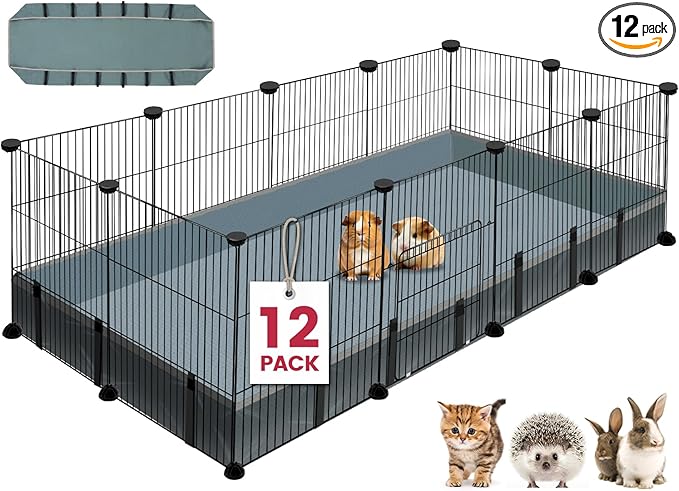
In winter, if your heating is unreliable, there are good options. Deep bedding is the first one, and it's free in the sense that you should already be doing it. Hamsters are burrowers, and a bedding depth of 6 to 10 inches lets them build insulated tunnels that hold warmth far better than a thin layer ever could. Paper-based bedding like Small Pet Select's unbleached paper bedding holds its structure well for burrowing, and I've used it through several winters without a single torpor scare. Add a generous handful of torn plain toilet paper or nest fluff, but never the cotton-fluff nesting material sold in pet stores, which tangles around limbs and can cause serious injury. According to the ASPCA, appropriate bedding depth and safe nesting material are core habitat requirements for hamsters, not optional upgrades.
You can also add an insulated hideout. Ceramic hides stay cool in summer and moderately warm in winter, but for real cold, a wooden hideout with a deep bedding floor gives better insulation. Some owners use a small pet-safe heated pad on the side of the cage rather than underneath, so the hamster can move away if it gets too warm. Never heat the whole cage floor, because hamsters need a temperature gradient to self-regulate, the same way reptiles do.
One more winter hazard I have to mention because I've seen it go wrong twice: fireplaces and space heaters. Owners move the cage closer to a heat source to keep the hamster warm, then overshoot. Overheating above about 78 to 80F causes its own crisis, especially for dwarf species, and direct radiant heat can dehydrate a hamster quickly. Warm the room, not the cage.
Age, Exercise, and Other Reasons Sleep Patterns Shift
Honestly, most of the 'my hamster sleeps too much' emails I get turn out to be aging. Hamsters live only 18 to 30 months depending on species, with Syrians averaging around the two-year mark. A hamster past 18 months naturally slows down. Wheel sessions shorten. Wake-up times drift later. Naps get longer. This is normal geriatric change, not illness, as long as the hamster still eats, drinks, and stays interested in treats. I tell owners of senior hamsters to shift their expectations: instead of nightly marathon wheel sessions, you might get a calm stroll, a snack, and back to bed. That's a fine senior life.
Stress is another sleep-pattern disruptor. A new cage, a new pet in the house, construction noise, or even a change in household schedule can push a hamster to sleep more and be active less, since activity feels riskier. If nothing else in this article matches your situation, ask what changed in the last two weeks. Hamsters are creatures of routine, and they respond to disruption exactly the way you'd expect a tiny anxious roommate to.
Light also matters more than people realize. Hamsters read seasonal cues from daylight length. A hamster kept in a dim room with short winter-like light exposure may slow its activity simply because its body thinks it's midwinter. You don't need a special lamp, but keeping the room on a consistent day-night light cycle with normal daytime brightness helps keep the internal clock steady. Just never point a bright bulb directly at the cage, and never put the cage in a window where sun can bake it.
Gear That Helps You Catch Problems Early
After the scare with my friend's Syrian, I stopped relying on the wall thermostat for anything. Cage-level monitoring is the single highest-value habit in hamster keeping. A combo unit like the digital thermometer and hygrometer I keep in each of my setups gives me a live read on temperature and humidity where it actually counts, at bedding level. Humidity matters too: ideally between 40 and 60 percent. Too dry and some hamsters get itchy skin; too damp and you're growing mold in the substrate.
A reliable wheel tells you things as well. A hamster that suddenly stops running usually deserves a closer look, and a silent spinner-style wheel makes it easy to hear whether your hamster ran last night or didn't. Silent wheels are also kinder to your sleep, which matters because a well-rested owner notices subtle changes. Size the wheel correctly while you're at it: at least 8 to 10 inches for Syrians, around 6 to 8 inches for dwarfs, or you'll get back arching and abandoned wheel time that looks like lethargy but is actually discomfort.

And if you live somewhere with real winters or your heat is at all unreliable, keep a small ceramic heat emitter setup or pet-safe heating pad on hand before you need it. The small-animal safe heating products in the microscope range are cheap compared to an emergency vet visit, and having one ready beats improvising at 3 a.m. with a hair dryer, which I have unfortunately witnessed and do not recommend.
The Quick-Reference Checklist
When someone texts me about a sleeping hamster, I run them through this exact sequence. Check the room temperature at cage level first. Below 60F plus a cold, unresponsive hamster means torpor until proven otherwise, so start gradual warming now. Second, check body warmth and posture. A warm hamster that's hunched, dull-coated, and refusing treats is a sick hamster, and a wet rear end means go to the vet immediately. Third, check the food bowl and water bottle. Is food disappearing? Is the water level dropping? A hamster that eats and drinks normally overnight is very unlikely to be in crisis. Fourth, look at the poop. Reduced or absent droppings, especially in combination with a swollen belly, can signal GI trouble, and in hamsters that deteriorates fast. Fifth, consider age and recent changes. An 18-month-plus hamster slowing down gradually is probably just getting old.
The Practical Takeaway
Buy the thermometer tonight, put the probe at cage level, and know the 60-degree number by heart. That one habit prevents the majority of torpor tragedies I've encountered. Know that 12 to 14 hours of daytime sleep is normal and that a hamster's real health report card gets written at night, in food eaten, water drunk, wheel miles, and droppings left behind. And if you ever find a cold, barely breathing hamster, warm it gradually, offer food once it wakes, and get it to an exotics vet for a checkup. The hamster my friend nearly mourned lived to a respectable old age, and the only thing that saved him was someone knowing the difference between sleep, torpor, and goodbye. Now you know too.
Related Reading
Want more on this topic? Check out our guides on best small pet chew toys enrichment rabbits guinea, rabbit myths debunked common beliefs, best hamster tunnel tube systems cage expansions.