Aquarium Salt: The Most Misunderstood Tool in Freshwater Fishkeeping
Picture half a box of table salt going into a 20-gallon community tank because a pet store employee said it would 'perk up' the tetras. By morning, the clown loaches are floating sideways, the Amazon swords have melted to brown mush, and the water looks like skim milk. The tetras survive. Everything else doesn't.
That story sums up aquarium salt perfectly. It's one of the oldest tools in the hobby, it genuinely works for a handful of specific problems, and it gets misused more than any other additive on the shelf. Walk into any fish store and you'll see it stacked next to the water conditioners. Walk into any forum and you'll find a hundred arguments about whether it belongs in a freshwater tank at all.
Here's the position this guide takes: salt is a medicine, not a supplement. Treat it like you'd treat antibiotics. Right problem, right dose, right duration. Wrong problem, you've just poisoned your tank.
What Aquarium Salt Actually Is (And Isn't)
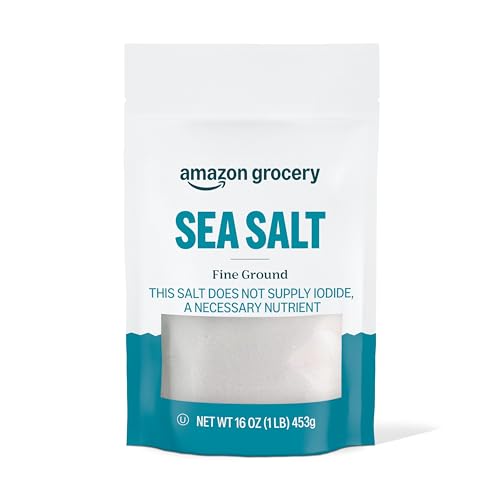
Aquarium salt is sodium chloride. That's it. No iodine, no anti-caking agents, no trace minerals. Table salt has iodine and often dextrose or calcium silicate to keep it from clumping. Rock salt has whatever industrial junk came along for the ride. Neither belongs in your tank.
What people confuse it with:
Marine salt mix is a completely different product. It contains sodium chloride plus magnesium, calcium, potassium, carbonate, sulfate, and about 70 other elements in specific ratios. It's designed to recreate seawater at 1.023-1.026 specific gravity. Aquarium salt is just NaCl dissolved in freshwater. If you add marine mix to a freshwater tank, you've created a brackish mess that kills almost everything.
Epsom salt is magnesium sulfate. It gets used for bloating and constipation in fish. Different chemical, different purpose. Don't swap them.
API Aquarium Salt and similar products are pure NaCl with no additives. That's what you want. One 16-ounce box treats about 40 gallons at the standard 1 tablespoon per 5 gallons dose.
What Salt Actually Does to Fish and Water
To understand salt, you have to understand osmoregulation. Freshwater fish constantly absorb water through their gills and skin because their internal salt concentration is higher than the surrounding water. Their kidneys work overtime pumping out the excess. They also actively pull sodium and chloride from the water through specialized gill cells.
When you add salt to the water, you change that gradient. The fish doesn't have to work as hard to maintain its internal balance. That's the entire mechanism behind 'salt reduces stress.' It's not magic. It's basic physiology.
Salt also does three other things:
It kills some external parasites. Ich (Ichthyophthirius multifiliis), velvet (Oodinium), and a few external protozoans are sensitive to changes in osmotic pressure. The free-swimming stages of ich can't survive in water with elevated salinity. That's why the classic ich treatment is heat plus salt.
It supports nitrite recovery. Nitrite poisoning blocks oxygen transport in fish blood. Chloride ions compete with nitrite at the gill uptake sites, so adding salt (which contains chloride) can reduce nitrite toxicity while your biofilter catches up. This is a real, well-documented effect and one of the best uses of salt.
It can suppress fungal and bacterial issues. Mildly. Salt doesn't replace actual medication for bacterial infections. It's a supportive measure, not a cure.
What salt does NOT do: cure fin rot, treat internal parasites, fix ammonia, boost immunity, 'condition' water, or replace water changes. If someone tells you salt is a general tonic, they're repeating hobby folklore from the 1980s.
Which Fish Can Handle Salt and Which Can't
This is where most disasters happen. Not all freshwater fish tolerate salt equally.
Scaleless fish are the big problem. Loaches, catfish, corydoras, plecos, knifefish, and eels have reduced tolerance for salt because they lack the scales that provide some barrier protection. A dose that's fine for a goldfish can strip the slime coat off a clown loach and leave it vulnerable to infection. This goes wrong more times than anyone can count. If your tank has corydoras in it, think twice before salting.
Live plants also suffer. Most aquatic plants evolved in very low-salinity water. A 1 tablespoon per 5 gallons dose will melt vals, swords, crypts, and floaters within a week. Some plants like java fern and anubias tolerate it better. If you have a planted tank, salt and you are not friends.
Snails and shrimp die fast. Invertebrates are extremely sensitive to salinity changes. Nerite snails, amano shrimp, cherry shrimp, mystery snails: all of them will suffer or die at therapeutic salt doses. If you keep a cleanup crew, you can't salt the tank without removing them first.
Fish that tolerate salt well: livebearers (guppies, mollies, platies, swordtails), goldfish, koi, bettas (short-term only), most tetras at low doses, and rainbowfish. Mollies in particular actually seem to benefit from a little salt in the water; they're found in brackish environments in the wild.
Fish that don't: everything I listed above. Also scaleless oddballs like elephant noses and black ghost knifefish.
The Ich Treatment Protocol That Actually Works
Ich is the number one reason people reach for salt. It's also the situation where salt works best. Here's the protocol supported by published guidance, refined over years of quarantine tanks and rescues.
Step 1: Raise the temperature. Slowly bring the tank to 86°F (30°C). Do it over 24 hours, not instantly. The heat speeds up the ich life cycle so the free-swimming tomites are exposed to the salt and can't reproduce. According to the University of Florida IFAS Extension, ich cannot complete its life cycle at sustained temperatures above 86°F.
Step 2: Add salt at 1 tablespoon per 5 gallons. Dissolve it in a cup of tank water first. Never dump crystals directly into the tank; they'll burn any fish that swims through them before they dissolve. Add it slowly over a few hours.
Step 3: Maintain the dose for 10-14 days. Every time you do a water change, replace the salt you removed. If you change 25% of the water, add back 25% of the salt dose.
Step 4: Watch your fish. If any fish starts gasping, hanging at the surface, or losing color, do an immediate 50% water change without replacing the salt. That's a sign the dose is too high for that particular fish.
Step 5: Don't stop early. Ich has a life cycle of about 7 days at tropical temperatures. If you stop treatment on day 5 because the spots are gone, the tomites still in the substrate will reinfect the tank. Keep going for the full 14 days.
If you have scaleless fish, plants, or inverts, you can't do this in the main tank. Move the affected fish to a bare quarantine tank and treat there. Yes, it's a hassle. Yes, it's the right call.
Salt as a Nitrite Emergency Measure
This is the one use of salt that I think every freshwater keeper should know. If you have a nitrite spike (from a crashed cycle, overfeeding, or a new tank that isn't fully cycled), salt can buy you time.
The dose is 1 tablespoon per 5 gallons, or about 0.1% salinity. That's enough chloride to compete with nitrite at the gills without stressing most fish. Combined with daily 50% water changes and a bacterial starter, this can save a tank that would otherwise lose fish overnight.
Once nitrites read zero for three consecutive days, do water changes to dilute the salt out over a week or two. Don't leave it in permanently.
When Salt Is the Wrong Answer
Salt gets used for all of these. It doesn't work for any of them.
Fin rot. Fin rot is bacterial. Salt doesn't kill the bacteria. Use an actual antibiotic like kanamycin or erythromycin, or if it's mild, focus on pristine water quality and it'll often clear on its own.
Ammonia spikes. Salt does nothing for ammonia. It also does nothing for chlorine or chloramine. Water changes and a working biofilter are the only fixes.
Dropsy. Dropsy is a symptom, not a disease. It usually means organ failure. Salt might reduce the fluid buildup temporarily, but the underlying cause is almost always fatal. Epsom salt is the more common treatment for the swelling, and even that is mostly palliative.
Velvet, sometimes. Velvet responds to salt, but it's often misdiagnosed. Confirm with a flashlight before treating; velvet looks like gold dust on the fish under direct light.
As a daily additive. This is the worst misuse. Some old-school keepers add a pinch of salt with every water change as a 'tonic.' There's no evidence this helps anything, and it does slowly stress scaleless fish and plants. Skip it.
How Much Salt, Exactly
The standard dose is 1 tablespoon per 5 gallons of actual water volume. Not tank volume. If you have a 20-gallon tank with 15 gallons of water, you use 3 tablespoons. Substrate, decorations, and the gap at the top don't count.
Some protocols go higher. Ich treatment at 86°F often uses 1 tablespoon per 5 gallons. More aggressive treatments for stubborn parasites go to 1 tablespoon per 2 gallons, but I don't recommend that for anything with scales, let alone without. At higher doses you're playing with fire.
Dissolve salt in a cup of tank water before adding. Add it over the course of a few hours, not all at once. Fish handle gradual salinity changes much better than sudden ones.
For measurement, a kitchen tablespoon is close enough. You don't need a lab scale. But be consistent; using a heaping tablespoon one time and a level one the next gives you inconsistent doses.
If you want to buy aquarium salt rather than use pure NaCl from the grocery store, that's fine. It's cheap. One 16-ounce box of aquarium salt costs less than a fast-food lunch and treats hundreds of gallons. The convenience is worth it because you know it's pure. If you want a link: check the current price on Amazon. That's the exact product commonly kept on hand for aquarium use. For a slightly larger box that lasts even longer, view it on Amazon is the same thing in a bigger size.
The Most Common Mistakes
Using table salt. Iodine and anti-caking agents are not fish-safe. Fish can lose their slime coat within hours of a table salt dose. Don't do it.
Not accounting for water changes. If you dose once and then do a 50% water change without replacing the salt, you've halved your dose. The ich treatment fails and the owner blames the salt. Track your doses.
Salting a planted tank. The plants melt. Always. If you have a planted tank and need to treat a fish with salt, move the fish out.
Salting with inverts. Snails and shrimp die. There's no way around this. If you have a cleanup crew, they need to be removed before treatment.
Leaving salt in permanently. Salt accumulates. If evaporation is topped off with tap water and water changes are never performed, salinity creeps up. Tanks have been tested where the owner swore they only added a little salt, and the salinity was 0.4%, four times the therapeutic dose. That's slow-motion fish torture.
Using salt for every new fish. Some keepers salt every quarantine tank as a default. That's not necessary. Salt is for specific problems. A clean, cycled, well-oxygenated quarantine tank with good filtration does more for new fish than salt ever will.
Salt and the Nitrogen Cycle
A question that comes up constantly: does salt kill your beneficial bacteria? At therapeutic doses (1 tablespoon per 5 gallons), no. Nitrosomonas and Nitrospira bacteria tolerate that salinity fine. At very high doses (0.3% and above), you start to see some suppression, but that's above the range anyone should be using in a freshwater tank.
Still, don't dose salt into a tank that's mid-cycle. The bacteria are already stressed from ammonia spikes, and you're adding another variable. Wait until the cycle is stable, or use a separate treatment tank.
Brackish Tanks Are a Different Story
If you're keeping brackish fish (mollies, bumblebee gobies, figure-8 puffers, archerfish, scats), then yes, salt is a permanent part of your setup. But 'brackish' means a specific gravity between 1.005 and 1.015, and you get there with marine salt mix, not aquarium salt. Aquarium salt alone can't recreate brackish water chemistry because it's missing the mineral content.
This is a common confusion. If you want to keep brackish fish, buy marine salt mix and a hydrometer or refractometer. Aquarium salt is not a substitute.
What About Salt Dips?
A salt dip is a short bath in a high-concentration salt solution, usually 2-3 tablespoons per gallon for 5-10 minutes. The idea is to knock off external parasites fast without treating the whole tank.
I don't recommend salt dips for beginners. They're stressful on the fish, easy to get wrong, and offer only marginal benefit compared to treating the main tank or quarantine tank. If you have an experienced hand and a fish with a confirmed external parasite that isn't responding to other treatments, a dip is an option. Otherwise, skip it.
If you do try one, watch the fish constantly. If it rolls over, gasps at the surface, or stops moving normally, pull it out immediately and return it to fresh tank water. Don't leave it in 'just a little longer' to make sure the parasites are dead.
Our Bottom Line on Salt
Aquarium salt is a tool. It works for ich, it works as a nitrite buffer, and it can reduce stress during transport or acclimation. It doesn't work for bacteria, internal parasites, water quality problems, or general wellness. If your fish is sick, diagnose before you dose. If you're not sure what's wrong, do a water change first and figure out the actual problem.
Keep a box in your fish room. Learn the dose. Learn the fish that can't take it. And never, ever treat a tank without knowing what you're treating. That's the difference between a fishkeeper and someone who owns a fish tank.
One last thing: if you use salt, write it down. The date, the dose, the reason. When the treatment fails or succeeds, you'll want to know what you did. A small notebook kept with the aquarium supplies works well for exactly this. Sounds old-fashioned. It's saved more fish than any product on the shelf.
Related Reading
Want more on this topic? Check out our guides on best fish tanks beginners, best aquarium auto top off ato systems hands, best aquarium chillers cooling systems.