A Fish Floating Upside Down Is Not Always Dying — But It's Never Fine
A goldfish floating nose-down at the top of a tank like a sunk ship looks dead. Then it wiggled, righted itself for two seconds, ate a flake, and tipped over again. That's swim bladder disorder in a nutshell: the fish is alive, often still eating, and physically cannot stay upright. It's one of the most alarming things a fish can do while also being one of the most treatable — sometimes within 48 hours, sometimes never. The difference comes down to figuring out why the swim bladder is failing, and most people skip that step entirely.
Here's the short version of what's going on. A swim bladder is a gas-filled organ that fish inflate and deflate to control buoyancy — basically an internal flotation tank. When it's working, the fish hangs level in the water with zero effort. When it's compressed, infected, inflamed, or overstuffed, the fish loses that control. It sinks, floats, tilts, spirals, or flips completely upside down. Fancy goldfish, bettas, and round-bodied fish suffer from this constantly. Slim, torpedo-shaped fish like danios and tetras almost never do. That shape difference matters, and I'll explain why.
First, Rule Out the Things People Mistake For Swim Bladder Problems
Before you blame the swim bladder, watch the fish for five minutes. A fish that's genuinely dead floats limp, doesn't respond to food, and shows no fin movement. A fish with swim bladder trouble fights to stay level, corrects itself repeatedly, and usually still has an appetite. A fish that's being bullied may hover in a corner at a weird angle to hide — that's behavioral, not medical. And a fish spinning in circles or flashing against gravel may have parasites, which is a different problem with a different treatment.
There's also the death rattle some fish show in their final hours: labored gill movement, no feeding response, and a slow drift. If your fish isn't eating and hasn't eaten in several days, you may be looking at organ failure rather than a buoyancy issue, and no peas or Epsom salt baths will fix that. Be honest with yourself about which situation you're in.
Cause #1: Overfeeding and Constipation (The Most Common, The Most Fixable)
In round-bodied fish — fancy goldfish especially — the stomach, intestines, and swim bladder are packed into a compressed body cavity. When the gut fills with food or backs up with constipation, it physically presses against the swim bladder. The fish floats tail-up, nose-down, or completely sideways within hours of a big meal. A ryukin goldfish can go from perfectly normal to listing like a sailboat after one enthusiastic feeding of floating pellets. That's not coincidence; it's plumbing.
The fix is unglamorous and it works surprisingly often. Fast the fish for 48 to 72 hours. Yes, really — a healthy adult fish can comfortably go three days without food, and fasting lets the gut empty and releases pressure on the bladder. After the fast, feed a shelled, thawed, cut-up green pea. I know the pea trick sounds like fish-keeping folklore, but there's real logic behind it: the fiber gets things moving again. Skip the floating pellets afterward. Floating foods cause fish to gulp air at the surface, and gulped air is a direct route to buoyancy trouble. Switch to sinking pellets or pre-soaked flakes.
Cause #2: Gulping Air at the Surface
Fish that eat exclusively from the surface swallow air along with their food. That trapped air sits in the gut and pushes on the swim bladder from below, and in fancy goldfish the effect can be dramatic. Some fish also gulp air when oxygen is low — if your fish is at the surface gasping in the morning and floating sideways by afternoon, poor aeration might be the actual root cause. Check that your filter output is agitating the surface and that you haven't overstocked the tank. The gasping-fish article covers low oxygen in depth, but the short version: warm water holds less oxygen, so a tank running at 82°F in summer is a gasping tank waiting to happen.
Cause #3: Bacterial Infection of the Swim Bladder
This is the scary one. Bacteria — often Aeromonas or related opportunists — can infect the swim bladder directly, usually after water quality has been poor for a while. The tell is progression: constipation-induced floatiness comes on fast after feeding and often resolves with a fast, while an infection creeps in over days, gets steadily worse, and comes with other symptoms. Look for clamped fins, red streaks or inflammation along the belly, lethargy, loss of appetite, or a swollen, pineconed appearance of the scales (that last one is dropsy, and it's dire).
Infection requires actual treatment, not peas. Broad-spectrum antibiotics designed for fish, used in a quarantine tank, give the best odds. According to the American Veterinary Medical Association (AVMA), aquatic animal medicine is a recognized specialty and an aquatic veterinarian can prescribe proper diagnostics and treatment for persistent swim bladder cases — if your fish is valuable to you or the problem has dragged past a week, finding an aquatic vet is genuinely worth the search. Most people never consider it and instead cycle through home remedies while the infection advances.
Cause #4: Water Quality and Ammonia
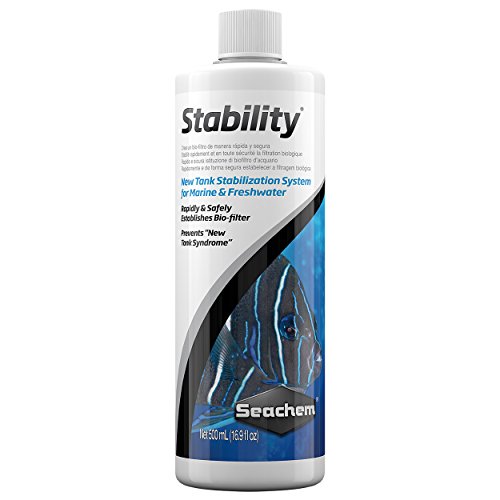
Ammonia and nitrite poisoning irritate and damage tissue throughout the fish, including the membranes involved in gas exchange in the swim bladder. Chronic low-grade ammonia exposure is one of the most underdiagnosed causes of persistent buoyancy trouble. People change the food, try peas, add salt — and never test the water. Test it. Ammonia and nitrite should read zero, full stop, and nitrate should sit under roughly 40 ppm in a typical freshwater tank. If your ammonia reads anything above zero, that's your answer, and the fix is water changes plus finding out why your biological filtration is failing (usually an uncycled tank, an over-cleaned filter, or too many fish). A liquid test kit belongs on the shelf next to every tank for exactly this reason — you can see one example here, and a liquid kit is widely considered non-negotiable over the strip kind.
Do a 40 to 50 percent water change tonight if you suspect water quality, matched for temperature and treated with dechlorinator. Chlorine from an untreated top-off will damage the gills and make every other problem on this list worse.
Cause #5: Physical Deformity and Genetics
Here's the uncomfortable truth about fancy goldfish: we bred them into balloons for our own amusement, and their swim bladders are frequently malformed from birth. Some pearl scales, ranchus, and bubble eyes simply have a misshapen bladder that fails gradually over their first year or two. There's no cure for genetics. These fish can sometimes live reasonably normal lives with management — sinking food, cooler water, excellent filtration, no dried-food bloat — but a fish whose issue is structural will never be a normal swimmer, and no amount of peas changes that. If you're shopping for fancy goldfish, pick individuals that swim level at the store. A juvenile that already tilts slightly will not grow out of it.
Cause #6: Injury, Temperature Shock, and Eggs
Rapid temperature swings stress the swim bladder's gas regulation. Never add a fish to water that differs more than a couple of degrees from its bag or previous tank. Physical injury — from a jump, a filter intake, or an aggressive tankmate — can bruise the bladder area. And female livebearers and goldfish full of eggs sometimes float heavy or tilted until they release or reabsorb them. That one resolves on its own, though badly egg-bound females can need help.
The Treatment Plan, Step by Step
Do these in order. Don't improvise.
Step 1 — Test the water immediately. Ammonia, nitrite, nitrate, temperature. Fix anything out of range with partial water changes before touching anything else. According to the FDA, which regulates feed and drug products for aquaculture, maintaining proper water quality is foundational to fish health — more fish die of bad water than of every disease combined, and swim bladder issues are no exception.
Step 2 — Fast the fish for 48 to 72 hours. Remove leftover food so it isn't snacking on crumbs. This alone fixes a large share of cases in goldfish and bettas.
Step 3 — Offer a pea. Thawed, shelled, cut into pieces smaller than the fish's eye. Feed one small piece, once. If it passes normally, resume small feedings of sinking food the next day.
Step 4 — Raise or stabilize the temperature. For tropical fish, holding a steady 78 to 80°F supports the immune system. For goldfish, avoid temperatures above 74°F long-term but eliminate any rapid swings.
Step 5 — Consider an Epsom salt bath for suspected constipation or fluid retention. One tablespoon of plain, unscented Epsom salt per gallon of tank water, or a short 15-minute dip at twice that concentration in a separate container. Epsom salt acts as a muscle relaxant and mild laxative for fish. Never use aquarium salt (sodium chloride) for this — the two are not interchangeable and sodium chloride will make fluid-retention problems worse.
Step 6 — Move to a hospital tank and treat with antibiotics if symptoms have worsened over several days or appeared alongside lethargy and redness. A shallow hospital tank — water just deep enough to cover the fish comfortably — also spares a struggling fish the exhaustion of fighting to reach the surface or the bottom. Keep filtration gentle and water pristine.
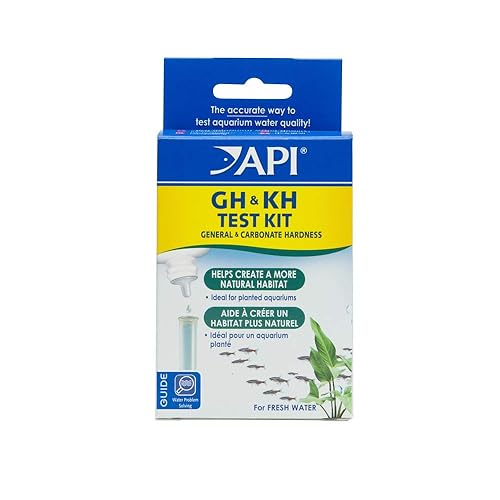
Step 7 — Keep the biological filter healthy. Every big water change and hospital-tank shuffle risks disrupting your beneficial bacteria. Dosing with live bacteria during and after treatment helps the tank rebound — a bacterial starter like the one here is useful whenever a filter has been torn down or a hospital tank has been set up, and it can help prevent ammonia spikes.
What Doesn't Work (Stop Doing These)
Sticking a needle into the fish to deflate the swim bladder. I understand the desperation — you can find videos of it online — but this is a procedure for an experienced aquatic vet, with sedation, and doing it yourself with a sewing needle usually ends in infection or a punctured organ. Similarly, peas are not a cure for infection, salt is not a cure for everything, and leaving the fish upright in a net is just stress on top of injury. Feeding more food 'to keep its strength up' during a fast is actively counterproductive.
Prognosis: When to Keep Fighting and When to Stop
Floatiness that appeared within a day of feeding, in a fish that's still eating and active? Good odds — most of these resolve within a week with a fast and diet changes. A fish that's been progressively worsening for two weeks, stopped eating, shows pineconed scales or a bloated belly with redness? The realistic odds are poor, and I say that as someone who has euthanized fish I couldn't save. Prolonged suffering in a fish that can no longer eat or swim is not a kind outcome, and humane euthanasia via clove oil overdose is the standard method. Talk to an aquatic vet if you're unsure — the AVMA maintains guidance on humane fish euthanasia and finding aquatic medicine practitioners, and consulting one is cheaper than most people expect.
Preventing the Next Episode
Feed less than you think you should — what a fish finishes in 30 seconds, twice a day, is plenty. Use sinking or pre-soaked foods for goldfish and bettas. Keep water tested and changed on schedule. Quarantine every new fish for four to six weeks so infections don't hit your display tank. Keep the temperature stable. Buy fish with sound bodies in the first place. Every one of those habits reduces swim bladder problems more than any bottle on a store shelf, and none of them costs much.
The practical takeaway: if your fish flips upside down tonight, don't panic and don't dump medications in the tank. Test the water, fast the fish, and watch for three days. You'll resolve the majority of cases right there — and you'll know by the end of the week whether you're dealing with something a vet actually needs to see.
Related Reading
Want more on this topic? Check out our guides on best aquarium dosing pumps automation systems hands free, aquarium gravel vs sand substrate comparison, best aquarium salt mix marine additives.