Aquarium Backgrounds: A Practical Buying Guide for Stunning Visual Effects
An aquarium background is one of the least expensive changes you can make to a tank, yet it often produces the most dramatic visual improvement. A well-chosen background hides cords, filters, hoses, and painted walls behind the glass, deepens the sense of perspective inside the aquarium, and can even influence fish behavior. Many fish species are calmer when they cannot see movement on all sides, and a solid backdrop gives shy fish a visual boundary that reduces stress-related hiding and darting. This guide walks through the main types of backgrounds, the materials and specifications that matter, how to size and install one correctly, and the mistakes aquarists most often make.
Because backgrounds sit on the outside or inside of a tank holding living animals, safety and water chemistry matter as much as looks. General husbandry guidance for ornamental fish, such as the material covered by the Merck Veterinary Manual's section on exotic and laboratory animals, consistently emphasizes that anything placed in or on an aquarium should be non-toxic, stable, and easy to clean. That principle applies directly to background selection: the wrong adhesive, a printed film with water-soluble inks, or a painted surface that has not fully cured can all cause problems that are far more expensive than the background itself.
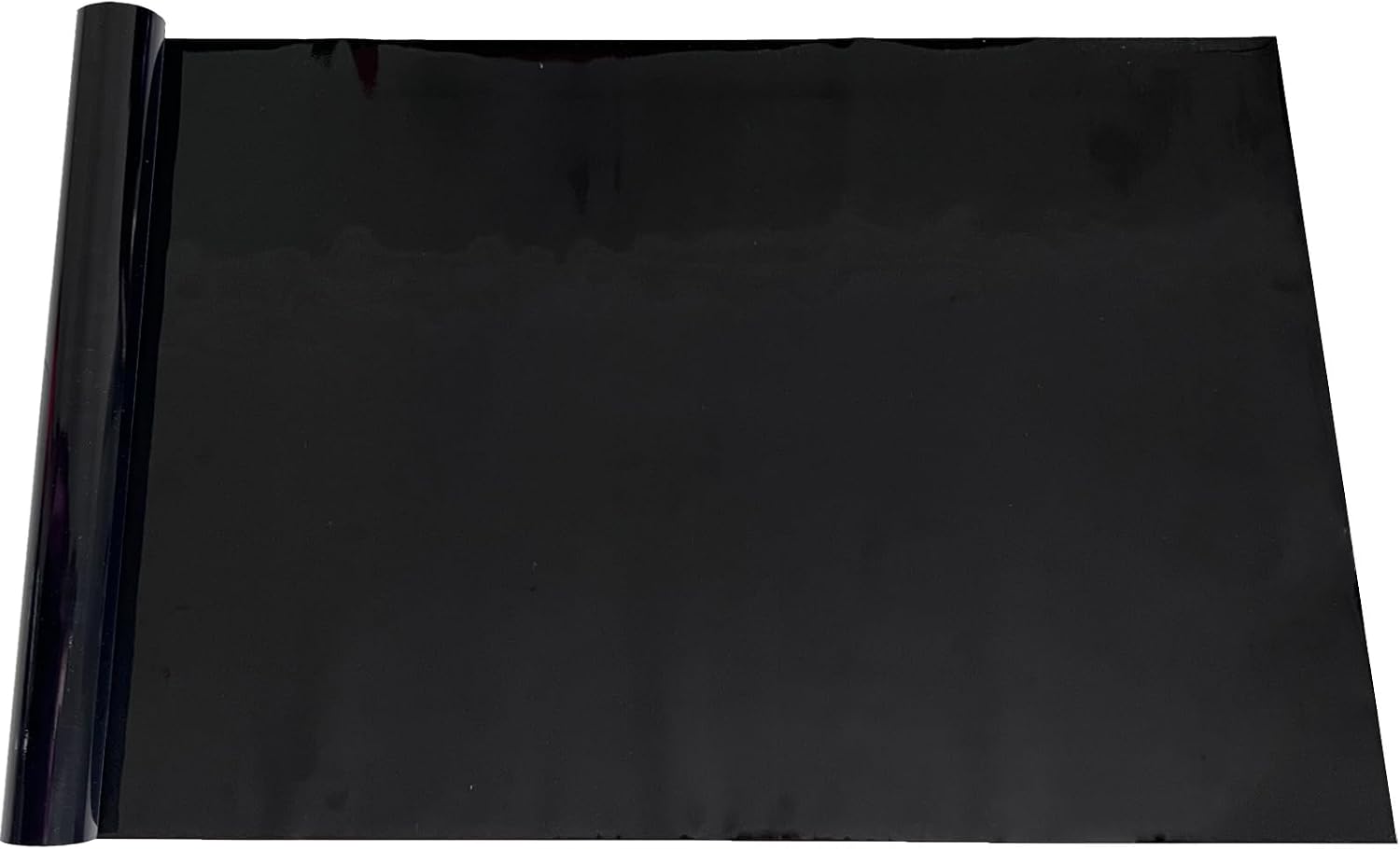
aquarium backgrounds stunning visual effects
Why a Background Changes the Look of a Tank So Dramatically
The reason backgrounds have such an outsized visual effect comes down to contrast and depth. When you look through an aquarium with no background, your eye registers the room behind the tank: wall color, furniture, shadows, and moving people. Plants and fish compete with all of that visual noise. A dark or patterned background absorbs that noise, so the greens of plants appear more saturated, the colors of fish appear brighter, and the composition of the aquascape reads as a contained scene rather than a slice of water floating in a room.
Photographers and aquascapers exploit the same principle with different background tones. A matte black background produces the strongest contrast and makes red plants and colorful fish pop, but it can make a lightly planted tank feel empty. A deep blue background mimics open water and suits Rift Lake cichlid setups with rockwork. Printed photographic backgrounds with gradients, plant silhouettes, or rock textures can add perceived depth to a sparse tank, though the effect depends heavily on print quality and viewing distance. In a densely planted tank, a plain dark background is usually the better choice because the plants themselves provide the visual interest.
The Main Types of Aquarium Backgrounds
Adhesive Film Sheets
Film backgrounds are thin, flexible sheets, usually black, blue, or printed with a photographic image, that attach to the exterior of the glass either with static cling, a light adhesive, or a gel applied between the film and the glass. Exterior mounting is the safest option from a water-quality standpoint because nothing touches the water. The trade-off is appearance from angles: viewed from the side, a film background has no thickness, so the tank loses the illusion of depth that a three-dimensional background provides. Film is inexpensive, easy to replace, and available in sizes large enough for big tanks, which makes it the default choice for most hobbyists.
One long-standing installation trick worth knowing: spraying a film of soapy water between the glass and a static-cling or self-adhesive background lets you slide the sheet into position and squeeze out bubbles and wrinkles with a credit card before it sets. Skipping this step is the single most common reason a film background ends up looking blotchy, with silvered air pockets that spoil the printed image. Trim the film a few millimeters larger than the glass pane and cut the excess with a sharp blade after positioning.
Rigid Foam and Textured 3D Backgrounds
Three-dimensional backgrounds, typically made from molded foam, polyresin, or cork, install inside the tank and rise off the glass with sculpted rock, root, or plant textures. Because they occupy real volume, they create genuine depth and shadow, and they can conceal equipment such as intake pipes, heaters, and filter returns within sculpted channels. The trade-offs are cost, permanent commitment, and displacement of water volume, which matters in smaller tanks where every liter counts. Rigid backgrounds are usually custom-cut to tank dimensions and are difficult to remove once substrate and hardscape are placed against them, so they suit aquarists who plan a scape as a long-term project rather than a frequently rearranged display.
Painted Backgrounds
Painting the outside of the rear pane is the cheapest option of all and produces a perfectly flat, seamless backdrop. Standard practice is to use a spray paint or brush-on paint formulated to bond to glass, apply several thin coats, and allow a full cure before repositioning the tank. The critical safety point is that the paint must be on the exterior surface only, and the tank should be dry during application. Painted backgrounds are permanent and look flat, but for utility tanks, quarantine systems, and breeding racks they are hard to beat. Some aquarists paint the bottom pane as well to reduce reflected light in planted tanks.
Suspended or Clip-On Fabric and Canvas Backdrops
For temporary displays, photographed tank contests, or rentals where you cannot attach anything permanently, fabric or canvas backdrops clipped behind the tank offer a zero-commitment option. They are prone to wrinkling and sagging if humidity gets behind them, and they do not conform to the glass, so the result looks less integrated than film. Their niche is flexibility rather than polish.
A Concrete Example to Look At
Rather than a long list of near-identical products, it is more useful to look at one well-regarded example in the category and understand what it does and does not offer. One widely available option, offered in a solid color suitable for most standard tanks, serves as a good illustration: check the current price on Amazon. Per the manufacturer's listing, it is sized as a sheet you cut to fit, which is the standard format for film backgrounds and means a single purchase can cover anything from a small nano tank to a large display if you plan the cuts.
Owner feedback on cut-to-fit sheet backgrounds in this category tends to cluster around a few consistent points. Positive reviews emphasize the immediate improvement in tank appearance and the low cost relative to the visual payoff. Critical reviews most often mention sizing surprises, sheets arriving rolled rather than flat, and difficulty eliminating bubbles during installation without the wet-application method described earlier. Reading the most recent verified reviews before purchasing is worthwhile, since print quality and material thickness can change between production runs.
For aquarists comparing against alternatives, the honest summary is this: a cut-to-fit film sheet is the right choice when you want a low-cost, reversible improvement and are willing to spend twenty careful minutes on installation. A sculpted 3D background is the right choice when you want genuine depth and integrated equipment concealment and accept a higher price and a permanent layout. Paint is the right choice when cost is the overriding factor and appearance from side angles does not matter. If you want to see the pricing and current specifications of the film-style example mentioned above, you can view this option on Amazon.
Sizing: The Specification That Causes the Most Problems
Background sizing is measured in two dimensions, height and length, and both must clear the actual glass dimensions of your tank, not the nominal tank size. Nominal sizing is notoriously loose: a tank sold as a 40 gallon breeder, a 40 gallon long, and a standard 40 gallon all have different footprints, so a background listed as fitting a 40 gallon tank may fit none of them exactly. Measure the outer height of the rear pane from the bottom edge of the frame to the top trim, and the outer length between the side trims. Because most film backgrounds are cut rather than exact-fit, buy a sheet at least a few centimeters larger than your measurements in both dimensions and trim down.
Taller sheets are often cut down for standard tanks, and many aquarists deliberately buy oversized sheets to get two tanks out of one purchase. The one measurement you cannot fudge is height: a sheet that is too short leaves an unsightly strip of exposed glass at the top of the tank, which draws the eye exactly where you do not want it. If your tank is rimless, measure the full pane height and decide whether you want the background to stop at the waterline or run to the top edge.
Material and Safety Considerations
For exterior-mounted film, the main safety question is the attachment method. Static-cling films use no adhesive at all and are the most reversible; peel-and-stick films use a light adhesive that holds well but can leave residue; and double-sided tape or gel adhesives vary in how cleanly they release. Whatever the method, nothing should be applied to the interior surface of a stocked tank, and any gel or soap solution used during wet installation should be applied sparingly and kept away from tank edges where it could drip toward the water.
For interior-mounted 3D backgrounds, material safety becomes a genuine water-quality issue. Aquaculture and fish-health resources such as the guidance collected by UF/IFAS Extension's EDIS database stress that materials contacting culture water must not leach compounds that affect fish health or water chemistry. Reputable backgrounds intended for submerged use are made from inert foams and resins and are sold explicitly as aquarium-safe; craft foams, construction insulation, and unknown resins are not equivalent and should never be submerged without a proven inert coating. If a product listing does not clearly state it is designed for underwater use, treat it as exterior-only.
Installation Methods Compared
Exterior film installation has three common approaches, each with trade-offs. Taping the sheet to the rear frame with clear or colored tape is fastest and fully reversible, but tape edges collect dust and can lift in humid rooms. Static cling without any liquid works on very clean glass but tends to show silvering, the reflective air gap between film and glass that makes the background look patchy from the front. Wet application with a soapy water film gives the best optical result because the water layer eliminates the air gap while you position the sheet, and it is the method recommended by most manufacturers of photographic backgrounds. The improvement is striking: a wet-applied background looks like it is printed on the glass, while a dry-applied one often looks like plastic sheeting taped to a box.
Interior 3D backgrounds are usually installed on an empty, dry tank before any substrate goes in. Manufacturers typically recommend silicone aquarium sealant at designated bonding points, allowed to cure fully before filling, because uncured sealant off-gasses compounds that are harmful to fish. Plan the placement of filter intakes, heater cables, and airline routes before bonding anything, because retrofits afterward mean draining and dismantling the scape.
Lighting Interaction and Visual Effects
A background does not work in isolation; it interacts with your lighting. Strong point-source lighting, such as a single high-output LED bar, casts sharp shadows against a 3D background, which can look dramatic or busy depending on the texture. Diffused lighting softens those shadows. With film backgrounds, the color temperature of your lights shifts the perceived background color slightly: a black background under warm white light reads as very dark gray, while under cool white or actinic supplementation it reads as true black. Aquarists chasing the deepest black sometimes add a second layer of film, though a single well-applied sheet is usually sufficient.
Reflected light from the substrate is another factor. Light bouncing off white sand passes through the water column and hits the background, washing out its lower portion. Dark substrates preserve background saturation but reduce the sense of brightness in the tank. There is no universally correct combination, only the one that suits the species you keep and the mood you want the display to project.
Species-Specific Considerations
Fish behavior responds to backgrounds more than many aquarists expect. Open-water schooling species such as tetras, rainbowfish, and danios often school more tightly and display better color against a solid dark background, likely because the reduced visual clutter mimics the security of deeper water. Bottom-dwellers and cave spawners benefit from 3D backgrounds with overhangs and crevices, though you must verify that any cavity is large enough that a fish cannot wedge itself in and become stuck. Shrimp keepers generally prefer smooth film backgrounds or carefully sanded 3D textures, because rough foam surfaces can trap food and make cleaning difficult in a shrimp tank where every crumb matters for water quality.
For tanks housing territorial cichlids, remember that a background defines the back boundary of the tank. A solid background can help two visually separated territories feel more defensible at the ends of the tank, but a 3D background that creates a single large central feature may become the focus of endless territorial disputes. Match the background structure to the social dynamics of the species you actually keep, not just to aesthetics.
Maintenance and Longevity
Exterior film backgrounds need almost no maintenance beyond occasional dusting of the rear pane exterior and checking that edges have not lifted. Algae on the inside of the rear glass is normal and, against a dark background, is barely visible unless it grows thick or green spot algae forms; a monthly pass with an algae scraper or magnetic cleaner during water changes is enough to keep the rear pane presentable. This is an underrated advantage of backgrounds: they hide the algae you have not scraped yet, buying you scheduling flexibility without visual shame.
Interior 3D backgrounds collect detritus in their textures and require more attention. During deep cleaning, use a soft brush to work trapped waste out of crevices so it can be siphoned, and inspect bonded seams annually for gaps where food could accumulate unseen. Never scrub textured resins with aggressive pads, since scratched surfaces become rougher and trap more debris over time. Following the manufacturer's specific care instructions, which are tailored to the material, preserves both the appearance and any warranty coverage.
Common Mistakes to Avoid
The mistakes that recur in aquarist forums and review comments are consistent enough to list. First, buying based on nominal tank size instead of measured glass dimensions, which produces sheets that are too short or too narrow. Second, dry-applying adhesive film and living with permanent bubbles instead of taking twenty minutes for wet application. Third, mounting photographic backgrounds with the printed side facing the glass on products where the ink is not designed for exterior exposure, causing fading. Fourth, submerging materials never intended for underwater use. Fifth, installing a 3D background in a tank that is already stocked and scaped, turning a simple project into a full teardown. Sixth, forgetting to plan cable routes before bonding anything to the rear pane. Each of these is avoidable with a tape measure and a plan made before purchase.
aquarium backgrounds stunning visual effects
Frequently Asked Questions
Do backgrounds stress fish or help them?
For most community species, a background reduces stress. Fish with unobstructed views in all directions remain more vigilant, and solid rear boundaries give shy species a direction in which nothing can approach them. The exception is highly reactive species that startle at their own reflection; in those cases, a matte background applied directly to the glass usually reduces reflection compared with an air-gapped film.
How much should I expect to spend?
Film backgrounds typically cost between ten and thirty dollars depending on size and print complexity, with plain solid colors at the low end and large photographic sheets at the high end. Rigid 3D backgrounds range from around forty dollars for small tanks to well over a hundred for large custom-cut pieces. Paint is the budget option, costing roughly the price of a can of glass-bonding spray paint plus masking tape.
Can I add a background to an established tank without draining it?
Yes, if you choose an exterior-mounted film. Installation on the outside of the rear pane requires nothing more than access behind the tank and a dry exterior surface. Interior 3D backgrounds, by contrast, realistically require an empty tank, so plan them at setup time or during a planned rescape.
Black or blue: which looks better?
Black produces maximum contrast and suits planted tanks and colorful fish; blue suits rocky Rift Lake setups and mimics open water. There is no wrong answer, and because film is cheap and reversible, many aquarists try both before settling. What most experienced keepers advise against is light gray or white backgrounds, which reduce contrast, make equipment silhouettes more visible, and show algae on the rear pane clearly.
How do I remove bubbles from a film background after installation?
Small bubbles can sometimes be pushed out with a squeegee or card toward the nearest edge if the film was applied wet. Large trapped bubbles in dry-applied adhesive film are difficult to fix without peeling back the sheet, which risks stretching it. If the result bothers you, film is inexpensive enough that redoing the installation with the wet method is usually the better use of an afternoon than fighting trapped air.
Are printed photographic backgrounds tacky?
They can be, particularly low-resolution prints of plants or rockwork viewed up close. Higher-quality prints with subtle gradients read as believable depth at normal viewing distance. The safest choice for a display tank in a living space is a solid color; photographic prints tend to work best on sparsely stocked tanks where they supply visual interest the hardscape does not.
If you would like a low-cost, cut-to-fit option to compare against DIY alternatives, you can check the current price on Amazon and review the exact sheet dimensions and recent owner feedback on the product page before deciding.
The Bottom Line
An aquarium background is a small purchase with a large visual return, and the decision comes down to three questions. Do you want reversibility or permanence? Film is reversible, paint and bonded 3D backgrounds are not. Do you want flat color or sculpted depth? Flat suits planted tanks, sculpted suits rock scapes and equipment concealment. And does anything you plan to install contact the water? If yes, verify the material is explicitly rated for submerged aquarium use; if no, any non-toxic film or paint applied to the exterior is fair game. Measure the glass, apply carefully, and the payoff is a tank that reads as a finished scene rather than a glass box against a wall. When you are ready to compare a concrete cut-to-fit option against these criteria, view this option on Amazon.
Disclosure: This article contains affiliate links. If you make a purchase through these links, we may earn a commission at no extra cost to you. Thank you for supporting PawCritic!