Bird Baths: A Practical Guide to Fresh Water for Your Feathered Companion
Wild birds bathe in puddles, dew-soaked leaves, and shallow streams whenever the opportunity arises, and pet birds carry exactly the same instincts. Regular access to fresh water for bathing is one of the most basic and most overlooked parts of companion bird care. Bathing keeps feathers in working condition, softens the sheath of pin feathers during molt, helps control dander and dust, and gives many birds a genuinely enjoyable form of enrichment. The Association of Avian Veterinarians includes bathing and hygiene among its routine husbandry guidance for bird owners, and most avian vets encourage some form of bathing several times a week for common companion species (AAV bird owner resources).
This guide explains what actually matters when choosing and using a bird bath: the different styles available, sizing by species, materials and safety considerations, water temperature and cleanliness, how to introduce a bath to a hesitant bird, and the maintenance routine that keeps a bath from becoming a health hazard rather than a health benefit. Because PawCritic does not run hands-on product evaluations, everything here draws on published avian husbandry guidance, manufacturer specifications, and verified owner reports rather than laboratory or bench findings.
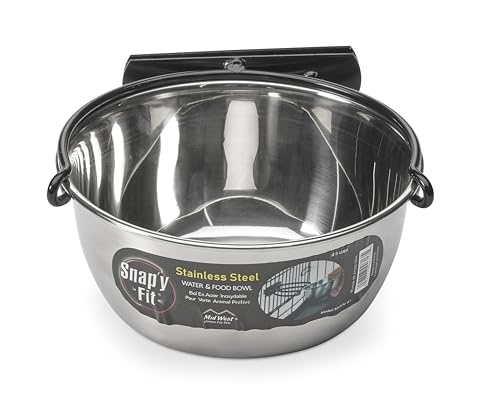
A heavy stainless steel dish mounted inside the cage, the simplest dish-style bath for small and medium birds.
Why Bathing Matters So Much for Pet Birds
A bird's feathers are not static; they are constantly exposed to dust, dander, food residue, and environmental debris. Water helps the bird preen effectively, realigning barbules and distributing the natural oils from the preen gland across the vane of each feather. During molt, when new pin feathers emerge encased in a keratin sheath, moisture softens that sheath and makes the process more comfortable. The Merck Veterinary Manual's exotic animal husbandry sections cover the basics of avian husbandry, including hygiene and environmental conditions that support feather health (Merck Veterinary Manual, exotic and laboratory animals).
Bathing also serves a behavioral purpose. Many parrots, finches, canaries, and budgerigars will splash, flap, and dunk with obvious enthusiasm, and this activity is a form of enrichment in its own right. Birds that never bathe may resort to alternative behaviors to clean themselves, such as rubbing against perches or food dishes, and some may show increased feather-destructive behavior when basic hygiene needs go unmet. Providing a bath is cheap insurance against a category of problems that are far harder to fix than to prevent.
The Main Types of Bird Baths
Shallow Dish Baths
The simplest option is a shallow, wide dish placed on the cage floor or on top of the cage during supervised out-of-cage time. This works for nearly every species because the bird controls the depth by how far it steps in. Look for dishes with a gently sloped or textured bottom so wet feet keep their grip, and a heavy enough base that a flapping bird cannot flip it. The main trade-off is mess: an enthusiastic bather can sling water a surprising distance, so placement on an easy-clean surface matters.
Cage-Mounted Bath Boxes
These attach to the outside of the cage, usually through the door opening, and contain the splash better than an open dish. Because the bird enters from inside the cage, they are convenient for birds that are not tame or that bathe unsupervised. The trade-off is fit: door dimensions vary enormously between cage models, so measure the door opening and check the manufacturer's listed mounting dimensions before ordering. A poorly fitting bath box can leave gaps a bird can wedge a wing or head into.
Bird Shower Perches
For parrots that enjoy showers with their people, a suction-cup or bolt-on shower perch lets the bird join you in mild, room-temperature spray from above rather than a direct jet. Showering mimics rainfall, which many rainforest species respond to instinctively. The obvious limitation is that it only works for birds comfortable being handled and transported to the bathroom, and the perch must be rated for the bird's weight. Check the manufacturer's stated weight limit; a perch sold for budgies is not appropriate for an African grey.
Misting and Spray Bottles
A clean plant mister filled with lukewarm water, set to a fine mist and aimed above the bird so the spray falls like rain, is the classic fallback. It requires no equipment beyond the bottle, and it is often the easiest method for birds that fear standing water. Never aim a hard jet directly at the bird, and never use a bottle that has previously contained cleaning chemicals, no matter how well rinsed you believe it to be. Residue from household cleaners can be toxic, and the ASPCA's animal poison control resources are the reference to consult if a bird is exposed to any questionable substance (ASPCA Animal Poison Control).
Heated Baths for Outdoor and Aviary Birds
If you keep birds in an outdoor aviary, or you want to support wild visitors in a garden setting, a heated or insulated bath prevents freezing in winter. Heated models draw a small continuous current, so check the wattage, cord rating, and whether the element is fully sealed and listed for outdoor use. For indoor pet birds, heated baths are unnecessary and add risk without benefit; room-temperature water is the appropriate choice.
Sizing: Getting the Depth and Width Right
Depth is the single most important dimension on any bird bath, and the rule is consistent across published guidance: shallow water only, generally one to two inches for small and medium birds, and no deeper than the bird's legs so it can stand comfortably with its head well above the surface. Deep water is a drowning hazard, particularly for small species, clumsy fledglings, or birds with clipped wings that cannot lift off from water. A wide bathing area is safer than a narrow one because it lets the bird spread and flap its wings without striking the sides.
Match the bath to the species. Budgerigars, finches, and canaries do well with small dish baths or attachable bath boxes with an inch of water. Cockatiels and lovebirds like a slightly wider dish where they can flap fully. Medium parrots such as conures and caiques are famous for enthusiastic bathing and appreciate both a dish and misting. Large parrots, including Amazons, African greys, and macaws, generally prefer showers or large, heavy dishes, and they need a bath sturdy enough not to slide or tip under an active two-pound bird. The manufacturer's species or size recommendation on the product page is worth reading, but treat it as a starting point and cross-check the actual dimensions against your bird.
Materials and Safety Considerations
Stainless steel and heavy ceramic are the gold standard for dish-style baths: both are non-porous, dishwasher-safe, stable, and easy to disinfect. Food-grade stainless steel in particular will not hold bacteria the way scratched plastic can. Rigid, food-safe plastic is acceptable and standard for cage-mounted bath boxes because it is light and cheap, but plastic scratches over time, and scratches harbor organisms. Inspect plastic baths regularly and replace them when the surface becomes visibly worn or crazed.
Avoid galvanized metal, which can leach zinc if a bird chews it, and zinc and lead are well-documented causes of heavy metal poisoning in parrots. Skip anything with painted or coated decorative surfaces inside the water area, since coatings can flake and be swallowed. Check edges and seams for sharp flash lines from molding, and make sure any mounting hardware sits outside the cage or is designed so the bird cannot reach and ingest small parts. If a product smells strongly of chemicals out of the packaging, wash it thoroughly and let it air out before first use; if the smell persists, do not use it.
Water Quality, Temperature, and Frequency
Use fresh, clean water at roughly room temperature. Many birds prefer tepid or slightly cool water, and some owners report their birds bathe more readily when the water feels like a warm rain; lukewarm is the safe default. Hot water can shock or scald, and cold water straight from a refrigerated source is unkind to small bodies. Change the water before every bathing session, and remove bath water promptly afterward, because standing water in a cage collects droppings, feathers, and food debris and becomes a bacterial soup within hours.
Frequency depends on the bird and the season. Most healthy companion birds benefit from bathing opportunities several times a week, and daily is fine for birds that enjoy it, especially during molt or in dry winter air. Some birds, particularly from arid-origin species, bathe less eagerly and may prefer misting to dish bathing. Watch your individual bird rather than enforcing a schedule. If bathing coincides with evening, allow enough time for feathers to dry before the temperature drops at night; wet birds going into a cold, dark room can chill. Never use a blow dryer, as most birds find the noise frightening and heated air with PTFE-coated elements poses a separate risk if overheated.
Placement and Containing the Inevitable Mess
Splash is a feature of a happy bathing bird, so plan for it. Place floor-level dishes away from food stations and sleeping perches so the surroundings stay dry. Cage-mounted boxes leak less than open dishes but still drip, and a towel or tray beneath the cage saves the floor. For out-of-cage dish bathing on a table or play stand, a rimmed baking sheet under the bath catches most of the water. Avoid placing the bath directly under a heat lamp or in a draft, either of which turns a pleasant bath into a temperature stressor. Bathing is best offered during the warmer part of the day for the same reason.
Introducing a Reluctant Bather
Not every bird takes to water immediately, and forcing the issue teaches avoidance. Introduce the bath empty first so the bird can inspect it as a new object. Add half an inch of water and let the bird approach on its own terms; curiosity often does the rest. Some birds respond to demonstration, such as trickling water from your fingers or letting a tame bird watch a favored person splash lightly. Others convert from misting first and accept dish bathing only later. Persistent refusal across months is worth mentioning to an avian veterinarian, since a bird that never grooms or preens can be signaling underlying illness, and the AAV's owner resources cover when husbandry changes warrant professional advice (AAV bird owner resources).
Cleaning and Maintenance Routine
A bird bath needs the same hygiene discipline as food and water dishes. Rinse and refill with fresh water before each use, and dump used water immediately after the session. Wash the bath at least every few uses with hot water and a mild, bird-safe dish soap, rinsing thoroughly so no residue remains. For a deeper clean, veterinary disinfectants labeled safe around birds can be used according to their directions, but never use bleach-heavy household cleaners, ammonia products, or anything with strong fumes around a bird's airway, which is uniquely sensitive. Dry the bath fully before storing it. Inspect the bath weekly for cracks, sharp edges, loose hardware, and worn plastic, and replace anything degraded rather than attempting repairs with glues or tapes that a bird can chew.
Two Concrete Examples Worth a Look
Because this is a buying guide rather than a ranked roundup, what follows are two widely available products that illustrate the categories above. One concrete option in the cage-mounted and dish-style category is this model, which you can view this option on Amazon. Verified owner reports commonly mention easy cleaning and good splash containment for small-to-medium birds, which is exactly what you want from this category. The trade-off reported by owners is size: it suits budgies through cockatiel-sized birds well, but larger parrots will outgrow it, so check the listed dimensions against your species before buying.
If the mounted style does not fit your cage door, the same shallow-dish concept in a heavy ceramic or stainless bowl from any kitchen or pet supply aisle performs the same job for a few dollars, which is worth remembering before spending more than the problem requires. You can also check the current price on the first example's listing on the first example to compare against local alternatives before committing.
What Has Changed in the Bird Bath Category for 2026
Specification transparency has improved across the category. More manufacturers now publish interior dimensions, mounting fit ranges, and species or weight charts directly on their listings instead of burying them in photographs, which makes comparative shopping meaningfully faster than it was. The verification burden has not disappeared, though. Listing photos still compress depth and exaggerate apparent width, so the written specification remains the only number worth trusting, and measuring the actual bath on arrival against the chart is a five-minute check that catches most listing errors before they become drowning hazards.
The dish category has shifted noticeably toward stainless steel. Scratched plastic has taken on a reputation problem in birdkeeping circles, and the concern is legitimate: scratches and crazing harbor organisms that survive casual washing, and a dish bath is used wet and warm, which is the friendly environment for them. Stainless bowls that were priced as premium items now sit close to heavy ceramic and food-safe plastic at most retailers, they survive dishwasher cycles indefinitely, and they do not chip in a way that creates sharp edges inside the cage. The practical consequence is that there is little reason left to accept a scratched plastic dish as a long-term bath.
Timed misting units built for indoor birdkeeping have also appeared in meaningful numbers. Compact misters that run short cycles on a schedule can serve parrots whose people are out during the day, and they work well for birds that have already accepted mist but whose owners forget the routine. Two cautions carry over from the hard-water lessons reptile keepers learned first: mineral-heavy tap water leaves a fine residue on bars, toys, and feathers, so distilled or filtered water is the better feed for any automated mister, and no automation replaces watching whether the bird actually uses the mist or merely tolerates it.
Heated indoor winters have become part of the conversation as more keepers run forced-air heating through colder months. Dry indoor air is a real driver of bathing interest, and many birds that ignore a dish in summer bathe eagerly several times a week in a heated home in February. The adjustment is practical rather than medical: offer water more often during heating season, keep offering it early enough in the day for full drying before nighttime temperature drops, and expect your bird's preferences to shift with the seasons rather than assuming one fixed routine fits the whole year.
Common Mistakes to Avoid
- Deep water. Anything beyond an inch or two for small birds is a drowning risk. Shallow is always safer.
- Leaving bath water in the cage. Soiled standing water grows bacteria fast and gets fouled with droppings within hours.
- Adding soaps, oils, or shampoos. Plain water is correct for routine bathing. Commercial sprays are unnecessary for healthy birds unless an avian vet recommends otherwise.
- Bathing late at night. Wet feathers plus falling nighttime temperature is a recipe for a chilled bird.
- Forcing a frightened bird into water. Introduction takes patience, and coercion sets back trust.
- Ignoring the bath's own hygiene. A dirty bath transfers more problems to the feathers than it removes.
- Wrong materials. Galvanized metals, painted interiors, and scratched, worn plastic all carry avoidable risks.
Frequently Asked Questions
How often should a pet bird bathe?
Most healthy companion birds do well with bathing opportunities several times a week, and daily access is fine for eager bathers, especially during molt or in heated, dry indoor air. Species and individual preference vary widely, so let the bird's enthusiasm guide frequency rather than a fixed schedule.
What temperature should the water be?
Lukewarm, around room temperature, is the safe default. Avoid hot water, which can scald, and icy water, which chills small bodies quickly. If the water feels comfortable on your inner wrist, it is in the right range.
Can I use a spray bottle instead of a bath?
Yes, and for some birds it is the preferred method. Use a clean mister that has never held anything but water, set it to a fine mist, and spray above the bird so the mist falls like rain. Never spray directly at the face, and never use the bottle as a punishment tool, which teaches the bird to fear both the bottle and you.
My bird refuses to bathe. Is that a problem?
Not immediately. Some birds take weeks or months to accept a new bathing setup, and arid-origin species can be naturally less interested. Try different methods, times of day, and water depths. A bird that also stops preening, looks fluffed, or loses feather condition should see an avian veterinarian, since poor grooming can signal illness.
Should I dry my bird after bathing?
No, let the bird air-dry naturally in a warm, draft-free spot, preening as it dries, which is part of the benefit. Toweling a wet bird is stressful and unnecessary, and blow dryers are both frightening and, with some heating elements, potentially hazardous. Offer baths early enough in the day for full drying before nightfall.
Are heated bird baths ever appropriate for pet birds?
Indoors, no; room-temperature water is correct. Heated baths matter for outdoor aviaries and garden baths for wild birds in freezing climates, and even then the unit must be rated and listed for outdoor use with a sealed, chew-proof element and protected cabling.
When should a bath be replaced?
Replace the bath when plastic becomes scratched or cloudy, when seams or edges develop sharp spots, when mounting hardware no longer holds firmly, or when cracks appear anywhere in the water-holding area. Degraded surfaces cannot be cleaned effectively and pose mechanical risks, and an inexpensive replacement is cheaper than a veterinary visit.
Final Thoughts
A bird bath is one of the least expensive and highest-value items you can provide for a companion bird, and the essentials are simple: shallow fresh water, a stable and safe container of the right size for the species, prompt water changes, and a patient introduction. Whether you choose a heavy ceramic dish, a cage-mounted box, a shower perch, or a simple mister depends on your bird's size, tameness, and personality rather than on price. Check dimensions and materials against the criteria above before buying, read what verified owners of your species report, and bring persistent bathing or feather problems to an avian veterinarian. Fresh water, offered well and often, is a small daily habit with a long-term payoff in feather condition, hygiene, and quality of life.
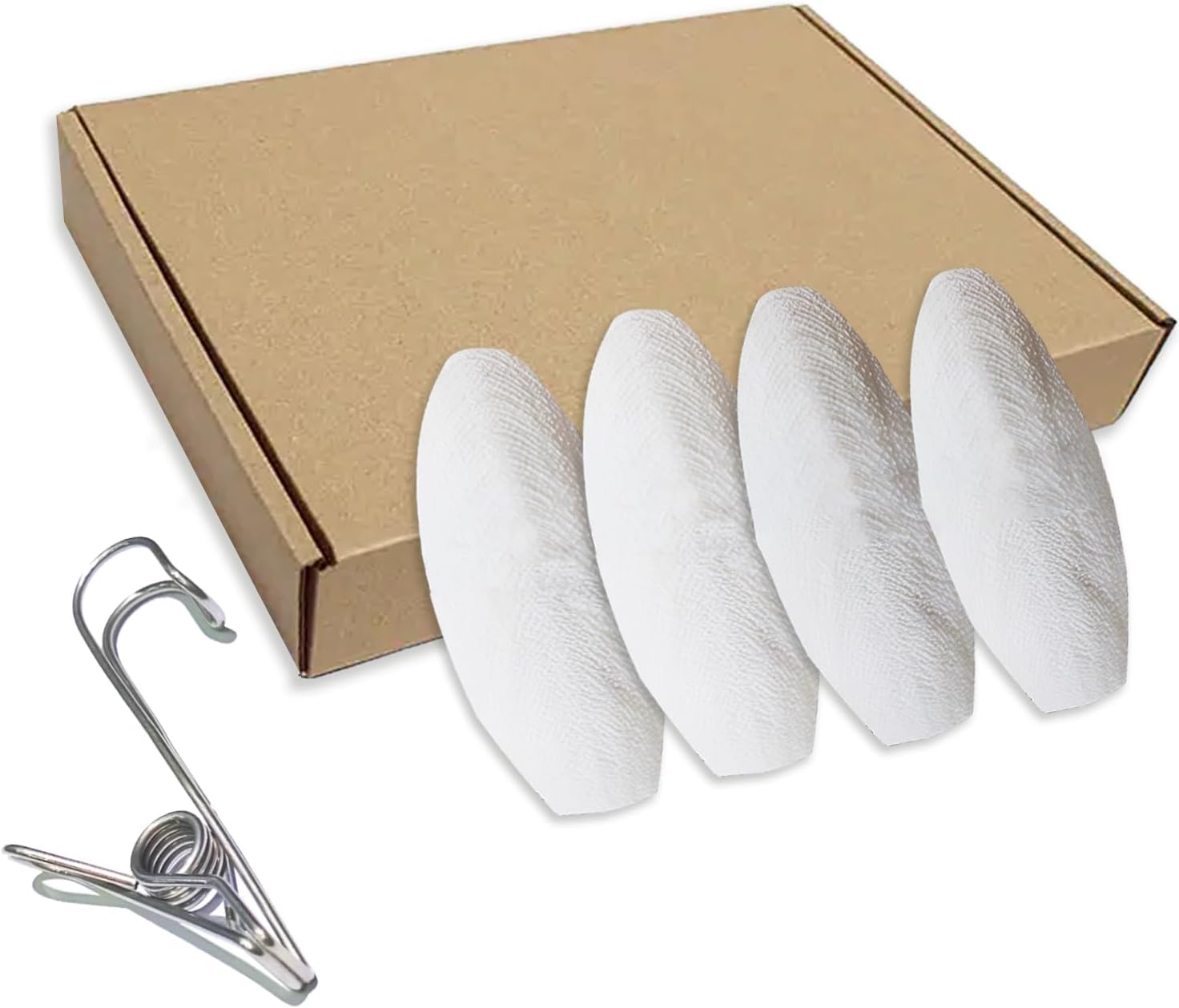
Cuttlebone mounted on cage bars, a staple supplement that pairs with a regular bathing routine.
Disclosure: This article contains affiliate links. If you make a purchase through these links, we may earn a commission at no extra cost to you. This helps support PawCritic and allows us to continue providing free, unbiased pet product reviews. Thank you for your support!
Related Reading
bird bathing accessories, misters and showers, parrot shower perches, and household dangers for pet birds.