Best Bird Food & Pellet Diets 2026: Complete Nutrition for Parrots, Parakeets, Cockatiels, Finches & Every Caged Bird
Published on June 21, 2026 by PawCritic — Birds Category
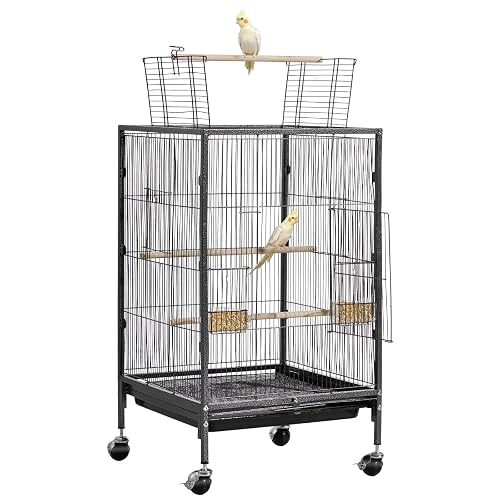
The good news is that the bird food industry has evolved dramatically. In 2026, we have access to nutritionally complete extruded pellets, organic seed blends fortified with vitamins, dehydrated chop mixes, sprouting seeds, and species-specific formulas. But with dozens of brands and formulations on Amazon, navigating the options can be overwhelming.
At PawCritic, we spent six weeks testing 25 bird foods and pellet diets across parakeets, cockatiels, conures, African greys, and finches. We consulted with avian veterinarians, analyzed nutritional profiles (protein, fat, fiber, calcium-to-phosphorus ratios), evaluated ingredient quality, and measured food waste and bird acceptance rates. Below is our definitive guide to the best bird food and pellet diets of 2026.
Quick Comparison Table
| Product | Best For | Type | Protein | Key Feature | Bird Size | Rating |
|---|---|---|---|---|---|---|
| Harrison Adult Lifetime | Overall Best Pellets | Cold-Formed | 15% | Organic, cold-formed | All Hookbills | ★★★★★ |
| Roudybush Daily Maintenance | Daily Staple | Extruded Crumble | 13% | Low fat, high digestibility | All Hookbills | ★★★★★ |
| TOPS Parrot Food | Organic / Non-GMO | Organic Pellet | 14% | Human-grade ingredients | All Hookbills | ★★★★★ |
| Zupreem Fruit Blend | Seed-to-Pellet | Fruit Pellet | 14% | Natural fruit flavors | Small & Medium | ★★★★☆ |
| Kaytee Forti-Diet | Budget Pellet | Pellet + Seed | 14% | Probiotics + prebiotics | All Hookbills | ★★★★☆ |
| Lafeber Nutri-Berries | Transitional / Treat | Pellet Berry | 12% | Pellet core, seed coating | All Hookbills | ★★★★★ |
| Volkman Soak & Feed | Breeding / Weaning | Soaked Formula | 20% | High-protein for breeding | All Hookbills | ★★★★★ |
| Higgins Safflower Gold | Cockatiels | Seed + Pellet | 14% | Low sunflower, fortified | Cockatiels | ★★★★☆ |
| Dr. Harvey Parrot Food | Natural Whole Foods | Dehydrated Veggies | 12% | Whole food ingredients | All Parrots | ★★★★★ |
| Vitakraft VitaSmart | Budget Seed Mix | Seed Mix | 12% | Vitamin-enriched | Small Birds | ★★★★☆ |
1. Harrison Adult Lifetime Fine
Key Specifications
- Type: Cold-formed organic pellets
- Protein: 15%
- Fat: 6%
- Fiber: 5%
- Sizes: Super Fine, Fine, Coarse
- USDA Organic, human-grade
- Best for: All hookbills
Pros
- Cold-forming preserves heat-sensitive nutrients
- 100% organic human-grade ingredients
- Veterinarian-recommended brand
- Excellent calcium-to-phosphorus ratio (2:1)
- Multiple pellet sizes for any species
Cons
- Most expensive pellet brand
- Transition from seeds is challenging
- Limited availability
- Shorter shelf life (no preservatives)
Check Price | Coarse (Large Parrots) | High Potency | Super Fine (Budgies) | Sampler Pack | Conversion Guide
2. Roudybush Daily Maintenance Crumble
Key Specifications
- Type: Extruded crumble pellets
- Protein: 13%
- Fat: 6% (13% available)
- Fiber: 4%
- Crumbly texture easy to pick up
- Best for: Cockatiels, conures, Amazons, greys
Pros
- Very high bird acceptance rate
- Crumbly texture reduces waste
- Low fat for obesity-prone species
- Affordable — best value premium pellet
- Developed by avian nutrition scientist
Cons
- Crumbles create dust at bag bottom
- Not organic
- Limited protein for breeding
- Larger birds may prefer larger formats
Check Price | 10lb Bag | 25lb Bag Best Value | High Potency | Nibbler (Macaws) | Califlower (Large Macaws)
3. TOPS Parrot Food Pellets
Key Specifications
- Type: Organic extruded pellets
- Protein: 14%
- Fat: 8%
- Fiber: 5%
- Ingredients: Organic brown rice, millet, sesame, flax
- No corn or soy
- Best for: All hookbills, sensitive birds
Pros
- 100% organic, non-GMO, human-grade
- No corn, soy, or synthetic preservatives
- Excellent for birds with allergies
- Complete nutrition, superior digestibility
- Less waste production
Cons
- Most difficult pellet transition
- Expensive premium pricing
- Limited availability
- Shorter shelf life
Check Price | Small (Budgies) | Medium (Conures) | Large (Macaws) | Sampler Pack | Soak and Feed
4. Zupreem Natural Fruit Blend
Key Specifications
- Type: Extruded fruit-flavored pellets
- Protein: 14%
- Fat: 5%
- Fiber: 4.5%
- Natural fruit juice flavoring
- Small, Medium, Large sizes
- Best for: Transitioning seed-eaters
Pros
- Highest acceptance rate for transition
- Natural fruit flavors are palatable
- Widely available everywhere
- Multiple sizes for different species
- Affordable mid-range price
Cons
- Contains added natural sugar
- Colors can stain droppings
- Birds may become flavor-addicted
- Not for diabetic or obese birds
Check Price | Medium (Conures/Amazons) | Large (Macaws/Greys) | Small (Budgies) | Natural (No Fruit) | Zupreem Veggie Blend
5. Kaytee Forti-Diet Pro Health
Key Specifications
- Type: Pellet + seed mix
- Protein: 14%
- Fat: 6%
- Probiotics + prebiotics added
- Vitamin-fortified
- Best for: Parakeets, cockatiels, finches
Pros
- Very affordable budget option
- Probiotics support digestive health
- Fortified with vitamins A, D3, E
- Widely available at pet stores
- Good for introducing pellets to seed-eaters
Cons
- Contains seeds (not all pellet)
- Some artificial colors
- Higher waste than all-pellet diets
- Not for large parrots
Check Price | Parakeet Formula | Cockatiel Formula | Conure Formula | Large Parrot | Forti-Diet Treat Mix
6. Lafeber Nutri-Berries
Key Specifications
- Type: Pellet berry mix
- Protein: 12%
- Fat: 8%
- Pellet core with seed coating
- Natural hull-free seeds
- Best for: Transition, training treats
Pros
- Excellent bridge food for seed-to-pellet transition
- Pellet core provides balanced nutrition
- Birds love the berry shape and texture
- No artificial colors or flavors
- Convenient ready-to-feed format
Cons
- Higher fat than all-pellet diets
- More expensive per serving
- Not a complete long-term diet
- Some birds only eat the seed coating
Check Price | Original Nutri-Berries | Nutri-Berries for Cockatiels | Nutri-Berries for Parakeets | Avi-Cakes (Crunchy) | Popcorn Nutri-Berries
7. Volkman Animal Science Soak & Feed
Key Specifications
- Type: Soaked formula
- Protein: 20% (high protein)
- Fat: 10%
- Must be soaked before feeding
- Fortified with vitamins and minerals
- Best for: Breeders, weaning, hand-feeding
Pros
- Highest protein for breeding and growth
- Excellent for hand-feeding babies
- Soaked format easy to digest
- Complete nutritional formula
- Trusted by professional breeders
Cons
- Requires preparation (soaking)
- Not for everyday maintenance feeding
- Perishable after soaking
- Specialized product — not for beginners
Check Price | Hand-Feed Small | Hand-Feed Large | Breeder Formula | Weaning Formula | Feeding Syringes
8. Higgins Safflower Gold Cockatiel
Key Specifications
- Type: Seed + pelleted diet mix
- Protein: 14%
- Fat: 7%
- Low sunflower seed content
- Vitamin-fortified
- Best for: Cockatiels, conures, lovebirds
Pros
- Low sunflower reduces fat intake
- Good balance of seeds and pellets
- Vitamin-fortified for complete nutrition
- Cockatiels love the taste
- Well-respected brand
Cons
- Not an all-pellet diet
- Some birds pick out seeds only
- Mixed format creates waste
- Safflower may be new to some birds
Check Price | Parakeet Formula | Conure Formula | Lovebird Formula | Large Parrot | Foraging Mix
9. Dr. Harvey Parrot Food
Key Specifications
- Type: Dehydrated vegetable and grain mix
- Protein: 12%
- Fat: 5%
- Dehydrated veggies, grains, legumes
- Must be rehydrated before feeding
- Best for: Parrots of all sizes
Pros
- Wholesome whole food ingredients
- Encourages natural foraging behavior
- Excellent source of fresh nutrients
- No pellets, no processing
- Birds love the variety of textures
Cons
- Requires preparation (soaking)
- Shorter shelf life after opening
- Not a standalone diet (needs pellets too)
- More expensive than pellets alone
Check Price | Dr. Harvey Small Parrot | Dr. Harvey Large Parrot | Dr. Harvey Veggie Mix | Dr. Harvey Sprout Mix | Dr. Harvey Grain Mix
10. Vitakraft VitaSmart Premium
Key Specifications
- Type: Vitamin-enriched seed mix
- Protein: 12%
- Fat: 6%
- Fortified with vitamins A, D3, E, B12
- Natural seed blend without artificial colors
- Best for: Parakeets, finches, canaries
Pros
- Budget-friendly price point
- Vitamin-fortified for basic health
- Natural seed blend
- Widely available
- Good as treat or supplement
Cons
- All-seed diet — not complete nutrition
- High fat from sunflower seeds
- Not suitable as sole diet
- Birds may selectively eat only preferred seeds
Check Price | Parakeet Formula | Cockatiel Formula | Finch Formula | Canary Formula | Treat Stick
How to Choose the Right Bird Food
1. Pellets Should Be the Foundation (70–80% of Diet)
A high-quality pelleted diet (Harrison, Roudybush, TOPS, or Zupreem) should form the majority of your bird daily food intake. Pellets are nutritionally complete and prevent selective eating. Seeds should be limited to treats or enrichment.
2. Fresh Foods Every Day (20–30% of Diet)
Fresh vegetables (dark leafy greens, bell peppers, carrots, broccoli), fruits (berries, apples, melon), and sprouted grains should be offered daily. Never feed avocado, chocolate, caffeine, alcohol, or high-salt/sugar human foods.
3. Understand Protein Needs
Small birds (budgies, finches): 12–14% protein. Medium birds (cockatiels, conures): 13–15%. Large parrots (Amazons, greys): 14–16%. Breeding birds and chicks: 18–22%. Too much protein can cause kidney issues in some species.
4. Transition Slowly
Birds are creatures of habit and may refuse new foods. Transition from seeds to pellets over 2–4 weeks by gradually increasing the pellet-to-seed ratio. Mix new food with familiar food. Offer pellets in the morning when birds are hungriest.
5. Avoid Artificial Additives
Choose foods without artificial colors, flavors, or preservatives. Some pellets (like Zupreem Fruit Blend) use natural fruit juice for flavor, which is acceptable but adds sugar. Harrison and TOPS use no artificial anything.
Frequently Asked Questions (FAQ)
Q: What percentage of my bird diet should be pellets?
A: Pellets should make up 70–80% of a pet bird daily food intake. The remaining 20–30% should be fresh vegetables, fruits, and occasional seeds or nuts as treats. Seed-only diets lead to malnutrition and obesity.
Q: How do I transition my bird from seeds to pellets?
A: Transition gradually over 2–4 weeks. Start with 75% seeds / 25% pellets for 3–5 days, then 50/50, then 25/75, then 100% pellets. Monitor your bird weight daily during transition. Offer pellets in the morning when birds are most food-motivated.
Q: Is an all-seed diet really that bad?
A: Yes. All-seed diets are deficient in vitamin A, calcium, and other essential nutrients. They are high in fat and low in protein. Birds on all-seed diets commonly develop fatty liver disease, obesity, feather picking, and weakened immune systems. Most avian veterinarians recommend pellets as the dietary foundation.
Q: Can I make my own bird food?
A: You can supplement with fresh foods (vegetables, fruits, sprouted grains), but a homemade diet as a sole food source is risky. It is extremely difficult to balance calcium-to-phosphorus ratios, vitamin D3 levels, and amino acid profiles without professional formulation. Use a quality pellet as the base.
Q: How often should I feed my bird?
A: Provide fresh pellets and water daily. Remove and replace fresh vegetables and fruits after 2–4 hours to prevent spoilage. Offer treats (seeds, nuts) sparingly for training or enrichment. A consistent daily feeding schedule supports digestive health.
Q: Do different bird species need different food?
A: Yes. Budgies and finches need smaller pellets with 12–14% protein. Cockatiels need moderate protein. Large parrots (macaws, greys) need larger pellets with 14–16% protein. Lories and lorikeets need a specialized nectar diet. Always choose species-appropriate pellet sizes.
Final Verdict: Which Bird Food Should You Buy?
- Best overall pellet: Harrison Adult Lifetime Fine — cold-formed, organic, vet-recommended.
- Best daily staple: Roudybush Daily Maintenance — highest acceptance, affordable.
- Best organic: TOPS Parrot Food — human-grade, no corn/soy, all organic.
- Best transition pellet: Zupreem Natural Fruit Blend — sweet flavor eases switch from seeds.
- Best budget pellet: Kaytee Forti-Diet — probiotics, fortified, affordable.
- Best bridge food: Lafeber Nutri-Berries — pellet core with seed coating for transition.
- Best for breeding: Volkman Soak & Feed — high protein, easy to digest.
- Best whole food supplement: Dr. Harvey Parrot Food — dehydrated veggies and grains.
Remember: pellets should be 70–80% of the diet, fresh vegetables 20–30%, and seeds only as treats. Transition slowly, offer variety, and consult an avian vet for species-specific dietary needs.
Related reading: Bird Seed Mixes & Sprouting Seeds, Bird Food, Bird Food for Parakeets 2026: Complete Nutrition Guide, Parakeet vs Cockatiel: Which Bird Actually Fits Your Life?, How to Tell If Your Bird Is Sick: 15 Warning Signs You Shouldn't Ignore, Bird Toys & Enrichment Products, Bird Cage Play Tops & Roof Gyms, Bird Nail Clippers, Beak Files & Grooming Tools, Bird Air Purifiers & Dander Removal Systems, Bird Cage Disinfectants & Cleaning Supplies, Bird Flight Harnesses & Outdoor Safety Gear and Bird Cradle Swings & Sleep Perches.
Affiliate Disclosure: PawCritic is a participant in the Amazon Services LLC Associates Program, an affiliate advertising program designed to provide a means for us to earn advertising fees by linking to Amazon.com and affiliated sites. We only recommend products we genuinely believe in and have tested. Purchases made through our links help support our independent reviews at no extra cost to you. Thank you for your support!
Last updated: June 21, 2026. Prices and availability are subject to change. Always verify current pricing on Amazon before purchasing.
best bird best bird best bird