Best Bird Health and Wellness Supplies 2026: First Aid, Vitamins, Grooming Tools and Preventative Care for Parrots and Pet Birds
Published on June 24, 2026 by PawCritic — Birds Category
Birds are masters of disguising illness. In the wild, showing weakness means being targeted by predators, so pet parrots, parakeets, cockatiels and finches hide symptoms until they are dangerously ill. By the time a bird visibly appears sick — fluffed feathers, sitting at the bottom of the cage, decreased vocalization — the situation is often critical. Preventative health care and early detection are therefore the backbone of responsible bird keeping, and the Association of Avian Veterinarians recommends annual wellness exams as a baseline for every pet bird.
This guide covers the supplies that support that routine: a stocked first aid kit, avian-specific vitamin and probiotic supplements, grooming tools for continuously growing beaks and nails, mite and feather-care products, and the monitoring equipment that lets an owner detect weight loss before it becomes visible. Three products are linked below as representative options in the first aid, refill and emergency-reference categories; the rest of the article explains what to look for so any owner can evaluate whatever brand is on the shelf.
Quick Comparison Table
| Product Category | Best For | Type | Key Feature | Suitable Species |
|---|---|---|---|---|
| Avian first aid kit | Emergency preparedness | First aid kit | Styptic powder, wound care, electrolytes | All pet birds |
| Refill supplies (syringes and gauze) | Restocking a kit | Consumables | Small-gauge syringes and sterile gauze | All pet birds |
| Emergency care reference book | Learning what to do first | Printed guide | Step-by-step emergency protocols | All pet birds |
| Multi-vitamin powder | Daily supplementation | Vitamin powder | Avian-balanced A, B, D3, E, K | All pet birds |
| Nail trimmer | Nail grooming | Guillotine clipper | Stop guard and replaceable blade | Budgies to macaws |
| Mite and lice spray | External parasite treatment | Ready-to-use spray | Pyrethrin-based formula | Cage birds, adults only |
| Clip-on bird bath | Hygiene and skin health | Bird bath | Anti-splash rim, cage-mount | Small to medium birds |
| Beak conditioning perch | Beak and nail wear | Perch | Abrasive mineral surface | Parrots, cockatiels |
| Digital avian scale | Weight monitoring | Scale with perch | 0.1 g resolution | All pet birds |
| Probiotic powder | Digestive support | Probiotic and prebiotic | Lactobacillus and Bifidobacterium | All pet birds |
| Feather conditioning spray | Molting and dry skin | Leave-in mist | Aloe and vitamin E | All pet birds |
1. Avian First Aid Kit
What Matters in the Specs
- Contents: styptic powder, wound spray, bandage material, syringes, electrolyte powder and a care card in a zippered case
- Typical shelf life: about two years from manufacture for the powder components
- Case: zippered, labeled, portable
- Best for: baseline emergency preparedness for any pet bird household
Strengths
- Styptic powder stops bleeding from a broken blood feather, which is the single most common bird emergency an owner will face
- A zippered case keeps supplies together and identifiable under stress
- Electrolyte powder addresses dehydration while a bird is being transported to a vet
- The included reference card shortens the gap between noticing a problem and acting on it
Limitations
- No antibiotics or prescription items are included, and none should be expected
- Supplied syringes may be too large for budgie-sized birds, so a 1 ml syringe is worth adding separately
- Generic care guides tend to be written for the broadest audience rather than species by species
- Assembling the same contents individually is often cheaper, though it takes more effort
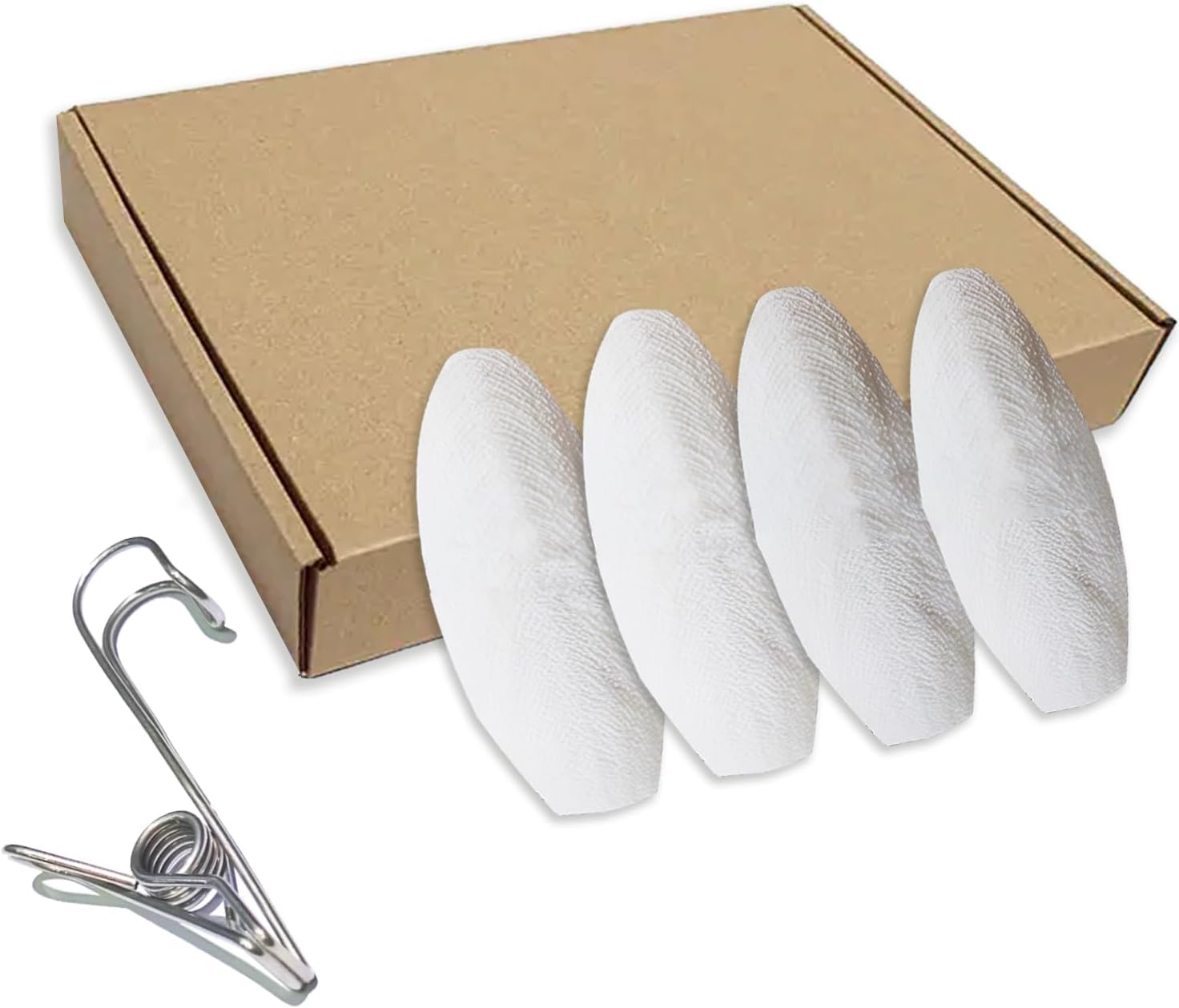
This kit suits the owner who wants a complete, organized starting point rather than a shopping project, and the trade-off is a higher price than buying the same items separately. The linked refill option covers the two items that get used up fastest — small-gauge syringes and sterile gauze — while the emergency reference book is the better choice for a household that wants written protocols on hand for bleeding, burns, toxin exposure and egg binding. The Merck Veterinary Manual section on exotic and laboratory animals is a useful free cross-reference for understanding what those protocols are addressing.
Check Price | Refill Pack (Syringes and Gauze) | Styptic Powder Refill | Emergency Care Guide Book
2. Avian Multi-Vitamin Powder
What Matters in the Specs
- Type: powdered multi-vitamin for mixing into water or soft food
- Vitamins: A, B-complex, C, D3, E and K plus trace minerals
- Typical dosage: one included scoop per 250 ml of drinking water
- Packaging: resealable jar, commonly 100 g
- Best for: molting birds, breeding pairs, birds recovering from illness, and birds on mostly seed-based diets
Strengths
- Formulas built for birds use vitamin D3 levels calibrated for avian calcium metabolism rather than mammal requirements
- Powder dissolves cleanly in water when mixed as directed
- Supports feather development during molt and bone health year-round
- Unopened jars typically keep for around three years
Limitations
- Mixed water must be replaced within about 24 hours because vitamins degrade once dissolved
- Some birds reject water that tastes different, which can reduce intake
- Over-supplementation is a real risk when a bird already eats a fortified pellet diet, and fat-soluble vitamins accumulate
- A supplement never substitutes for a balanced diet
This category suits owners of birds on seed-heavy diets or going through a demanding molt, and the trade-off is that supplementation requires daily mixing discipline and a clear picture of what the bird already eats. Anyone feeding a complete pellet diet should confirm with an avian veterinarian before adding a vitamin powder, because doubling up on vitamin A and D3 is easier than most owners expect. A dedicated small dropper bottle for mixing and a written regimen chart make the routine easier to keep consistent.
3. Bird Nail Trimmer
What Matters in the Specs
- Type: guillotine-style clipper with stainless steel blade
- Handle: rubberized grip for control on small subjects
- Safety: built-in stop guard to limit how much nail enters the blade
- Sizes: small for budgies and parakeets, medium for cockatiels and conures, large for African greys and macaws
- Best for: at-home nail maintenance when a bird's nails are not wearing down naturally
Strengths
- A sharp blade makes a clean cut rather than splintering the nail
- The stop guard reduces the chance of cutting into the quick
- Replaceable blades extend the life of the tool
- Low cost compared with repeat grooming appointments
Limitations
- Guillotine clippers crush rather than slice once the blade dulls, which is uncomfortable for the bird
- The guard is a guide, not a guarantee, and dark nails hide the quick entirely
- Too large for finch-sized birds
- Blade replacement needs a small screwdriver and a steady hand
This is the right tool for an owner who has been shown the technique once by a veterinarian or experienced groomer and wants to maintain nails between appointments. The trade-off is that trimming is a two-person job for most birds, and having styptic powder within reach is not optional. For dark-nailed birds or any bird with an overgrown, curling nail, professional trimming is the safer route until the nail is back to a normal length.
4. Bird Mite and Lice Spray
What Matters in the Specs
- Active ingredient: pyrethrin, commonly around 0.05 percent in ready-to-use formulas
- Format: ready-to-use spray, typically 8 oz
- Application: directed onto the bird and into the cage environment as labeled
- Not for: chicks under about six weeks old
- Best for: confirmed external parasite problems, not routine use
Strengths
- Pyrethrin kills mites on contact and breaks down faster in the environment than many older chemical treatments
- An 8 oz bottle covers dozens of applications
- Scent is mild compared with many veterinary alternatives
- Can be used as part of a cage-wide treatment plan when the label allows
Limitations
- Active infestations usually need repeat weekly application to catch newly hatched mites
- Does nothing for internal parasites, which require veterinary diagnosis and prescription treatment
- Sensitive birds can still react, and any respiratory signs after application warrant a vet call
- Not appropriate for very young chicks
This category is for owners dealing with a diagnosed external parasite issue, ideally after veterinary confirmation, and the trade-off is that treating the bird without treating the cage and perches simply reinfests it. Mites and lice are far less common in well-kept indoor birds than owners assume, so a bird that is scratching constantly should be seen by a veterinarian before any spray is used. Disposable gloves and a stiff cleaning brush belong in the same shopping list.
5. Clip-On Bird Bath
What Matters in the Specs
- Material: clear plastic
- Mounting: clips onto cage bars, usually horizontal bars only
- Capacity: around 8 oz for the standard size
- Design: anti-splash rim
- Best for: small to medium birds from budgies through conures
Strengths
- Encourages natural bathing behavior, which supports skin and feather condition
- Mounts on the cage wall so it takes up no floor space
- Clear plastic makes it easy to see when the water needs changing
- Removes quickly for cleaning and refilling
Limitations
- Too small for African greys and macaws, which need a larger basin or a shower perch
- Plastic clouds over time with hard water and repeated washing
- Clips can slip on round-bar cages
- Some birds simply refuse clip-on baths and prefer a shallow dish on the cage floor
This suits owners of small birds who want to make bathing available daily without adding clutter, and the trade-off is that water in a cage-mounted bath needs changing at least once a day, sometimes twice in warm weather. A bird-safe cleaning spray and a soft brush make the routine quick, and a light misting with a conditioning spray after bathing helps birds that are molting.
6. Beak Conditioning Perch
What Matters in the Specs
- Material: natural pumice or a pumice-cement blend
- Shape: cylindrical, commonly 6 inches long
- Diameter: about 3/4 inch for small birds, 1 inch for medium and large
- Mounting: quick-link or hanger
- Best for: supplemental beak and nail wear, plus foot exercise
Strengths
- The abrasive surface files beaks and nails gradually during normal use
- Helps prevent overgrowth between professional trims
- Varying perch diameter exercises the feet and supports joint health
- Typically lasts six to twelve months before the surface smooths out
Limitations
- Must be replaced once the texture wears smooth, because a polished perch does nothing
- Porous material cannot be fully disinfected, so it should be discarded after any infectious illness in the cage
- Some birds refuse abrasive perches entirely
- Should never be the only perch available, since constant pressure on the same foot points causes sores
This is a useful addition for birds whose beaks or nails grow faster than natural wear can manage, and the trade-off is that it works slowly and cannot replace veterinary trimming for a beak that has already overgrown or become asymmetric. Position it near a food bowl, where the bird will stand on it regularly, and pair it with at least one smooth wood perch of a different diameter.
7. Digital Avian Scale with Perch
What Matters in the Specs
- Capacity and resolution: 500 g at 0.1 g, or 2000 g at 1 g
- Platform: removable perch top
- Features: tare and hold functions, backlit LCD
- Power: usually AAA batteries, often not included
- Best for: weekly weight monitoring and confirming medication doses
Strengths
- 0.1 g resolution detects small weight changes in small birds, which is often the earliest measurable sign of illness
- The hold function captures a stable reading while the bird moves
- Tare lets an owner weigh a bird inside a familiar carrier
- The perch top keeps birds calmer than a flat kitchen scale platform
Limitations
- Many birds are wary of the scale at first and need gradual introduction with treats
- The included perch may be too small for a macaw
- Costs more than a general kitchen scale, though the resolution is the reason
- Readings are only meaningful if weight is recorded at the same time of day, ideally before the first meal
A scale is the single most useful monitoring tool a bird owner can own, because a bird that has lost ten percent of its body weight is a bird that needs a veterinarian, even if it still looks normal. The trade-off is that the habit only pays off with consistency: weigh weekly, log the number, and treat any steady downward trend as a reason to call the vet rather than wait for visible symptoms.
8. Avian Probiotic Powder
What Matters in the Specs
- Type: powdered probiotic with a prebiotic component
- Organisms: Lactobacillus and Bifidobacterium, often around 2 billion CFU per gram
- Prebiotic: fructooligosaccharides
- Dosage: commonly about 1/4 teaspoon per cup of food daily
- Best for: digestive support after antibiotics, during stress, and during diet transitions
Strengths
- Formulated for avian digestive systems rather than borrowed from mammal products
- Combining a probiotic with a prebiotic supports the beneficial bacteria already present
- Powder mixes easily into soft foods such as cooked vegetables or moistened pellets
- Most formulas are shelf-stable at room temperature
Limitations
- Some birds detect the taste and reject treated food, so a small test portion is worth trying first
- Should not be given at the same time as oral antibiotics, which will kill the supplemented bacteria
- Powder clumps in humid conditions and loses potency
- Small jars are expensive relative to the amount of active ingredient
Probiotics are most useful around specific events — a course of antibiotics, a move to a new home, a diet change, or a stressful molt — rather than as a permanent daily additive. The trade-off is that a probiotic cannot fix a digestive problem caused by an underlying infection, so persistent loose droppings need veterinary diagnosis rather than more supplement.
9. Feather Conditioning Spray
What Matters in the Specs
- Type: leave-in mist
- Ingredients: aloe vera, vitamin E, sometimes jojoba oil
- Volume: commonly 8 oz
- Application: light mist two to three times per week
- Best for: dry skin, molting support and reducing feather dust
Strengths
- Aloe soothes irritated skin during heavy molts
- Vitamin E supports healthy feather growth
- Helps settle loose feather dust, which matters in households with respiratory sensitivities
- Most birds tolerate a fine mist well when introduced gradually
Limitations
- Not a substitute for actual bathing, which is how birds properly maintain their plumage
- Overuse leaves residue that dulls feathers
- Should not be applied to open wounds or irritated skin
- Nervous birds may dislike misting and do better with a shallow bath dish instead
This category suits owners of birds in a heavy molt or in dry winter air, and the trade-off is that it is a comfort product rather than a treatment. A plain misting bottle of warm water does much of the same work at no cost, so a conditioning spray is best reserved for birds that genuinely show dry, flaky skin.
How to Build a Bird Health and Wellness Routine
Daily Checks (Five Minutes)
Observe droppings for changes in color, consistency or volume, since droppings are one of the most reliable early indicators of a bird's health. Listen for changes in vocalization. Check for fluffed feathers, discharge from the nares or eyes, or labored breathing. A healthy bird is alert, active and vocal, and any bird sitting fluffed at the bottom of the cage should be treated as an emergency.
Weekly Grooming and Weighing
Weigh the bird at the same time each week, ideally in the morning before feeding, and record the number. Inspect nails; they should not curl past the toe pad. Check the beak for overgrowth, cracks or asymmetry. Replace bath water daily, and mist birds that are molting two to three times per week.
Monthly Deep Clean
Remove all cage accessories and wash them with hot water and a bird-safe disinfectant. Replace cage liners, scrub perches with a stiff brush, and inspect toys for loose threads or broken parts that could entangle toes or be swallowed. Soak food and water bowls in diluted bird-safe cleaner, then rinse thoroughly before refilling.
Seasonal Considerations
During molt, usually in spring and fall, birds benefit from higher protein intake and more frequent misting. In winter, dry indoor air can cause flaky skin and static, so monitoring humidity helps. During breeding season, calcium and vitamin E needs rise. In summer, fresh water must always be available and birds should never be left in direct sun without shade.
Stocking the First Aid Kit
Every bird household should have styptic powder for broken blood feathers, rolled gauze, medical tape, a 1 ml syringe, electrolyte powder, an emergency heat source, and the phone number of an avian veterinarian. Store everything in one labeled, sealed container in a location every household member knows.
Common Mistakes Bird Owners Make
The most frequent error is waiting for obvious symptoms. Because birds mask illness, a bird that looks slightly off has often been unwell for days. Weekly weighing catches that window earlier than observation alone.
Second is using products formulated for other animals. Dog and cat flea treatments, human vitamins and human medications can be toxic to birds, and the ASPCA Animal Poison Control center maintains guidance on common household toxins that affect pets. Third is relying on a seed-only diet and treating supplements as a fix; a supplement cannot compensate for a diet that is fundamentally unbalanced.
Fourth is trimming nails or beaks without training. A nail cut into the quick is painful and bleeds heavily, and a beak should generally be shaped by a veterinarian rather than clipped at home. Fifth is skipping quarantine for a new bird, which risks introducing disease to an existing flock.
Frequently Asked Questions
How often should a bird see a veterinarian?
Annual wellness exams are the standard recommendation for pet birds. Birds over five years old generally benefit from twice-yearly checkups with blood work, new birds should be seen within 48 hours of coming home, and any bird showing symptoms should be seen immediately rather than monitored at home.
Can human vitamins be given to birds?
No. Birds have different nutritional requirements, and human formulations can contain mineral levels, especially iron, that are harmful to birds. Only avian-specific supplements should be used, and a veterinarian should confirm whether supplementation is needed at all.
How are bird nails trimmed safely?
Use sharp, bird-specific clippers. In light-colored nails the quick is visible as a dark line, and the cut should be made well below it. Dark nails should only have the very tip removed. Styptic powder should be within reach, and for a first attempt it is worth having a veterinarian or experienced groomer demonstrate the technique.
What belongs in a bird first aid kit?
Styptic powder, sterile gauze pads, medical tape, 1 ml and 3 ml syringes, an electrolyte powder, a small heat source, small scissors, tweezers, gloves and an avian veterinarian emergency contact card, all stored in a sealed, labeled container.
Do pellet-fed birds need supplements?
Complete pellet diets are formulated to be nutritionally adequate on their own. Supplementation is generally targeted at specific periods such as breeding, molting, illness recovery or major environmental change, and should be discussed with a veterinarian first. The ASPCA pet care library is a reasonable starting point for general husbandry questions between vet visits.
How can an owner tell if a bird is sick?
Early signs include reduced vocalization, sitting at the bottom of the cage, persistently fluffed feathers, changes in dropping color or consistency, weight loss detected by weekly weighing, increased sleep, discharge from the nares or eyes, and changes in eating or drinking. Any of these warrants a call to an avian veterinarian.
Final Verdict
- Best starting point for emergencies: a complete avian first aid kit, ideally paired with a refill pack of syringes and gauze and a printed emergency reference.
- Best daily supplement: an avian multi-vitamin powder, used only when the diet genuinely leaves a gap.
- Best grooming tool: a sharp guillotine-style nail trimmer with a stop guard, in the correct size for the bird.
- Best parasite product: a pyrethrin-based mite and lice spray, used only after veterinary confirmation.
- Best beak and nail wear: a mineral conditioning perch, used alongside smooth wood perches.
- Best monitoring tool: a digital scale with 0.1 g resolution and a perch top.
- Best hygiene accessory: a clip-on bird bath, refilled daily.
The most important health tool remains careful daily observation, backed by a weekly weight log, a stocked first aid kit and a relationship with an avian veterinarian established before an emergency. Supplies support that routine; they do not replace it.
Affiliate Disclosure: PawCritic is a participant in the Amazon Services LLC Associates Program, an affiliate advertising program designed to provide a means for sites to earn advertising fees by linking to Amazon.com and affiliated sites. Purchases made through these links help support independent research at no extra cost to the reader.
Last updated: June 24, 2026. Prices and availability are subject to change. Always verify current pricing on Amazon before purchasing.