Bird Grooming Supplies: A Buying Guide to Beak, Nail, and Feather Care for Companion Parrots
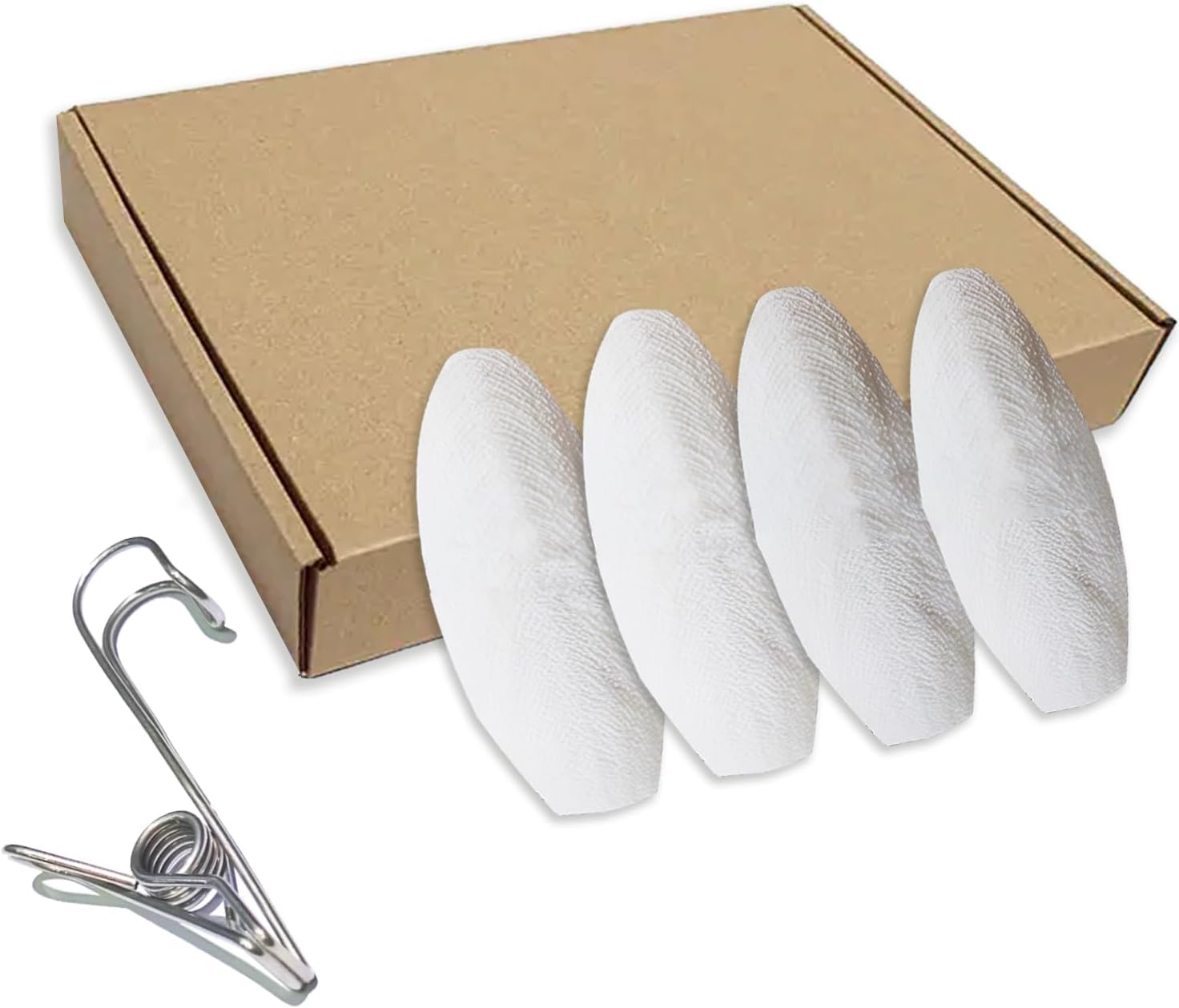
bird grooming supplies
Source: AAV: The AAV recommends annual wellness examinations for all companion birds, including fecal parasitology and blood work, as many avian diseases can progress without obvious clinical signs until advanced stages.
Grooming is one of the most misunderstood parts of companion parrot care. In the wild, parrots spend hours each day preening, chewing bark, climbing rough branches, and foraging on abrasive surfaces, and all of that activity naturally keeps beaks and nails worn to functional lengths. A bird sitting in a cage with smooth dowel perches and soft food does not get that same wear, which is why so many companion birds develop overgrown nails, flaking beaks, and dull plumage. This guide explains what actually matters when choosing grooming supplies for beaks, nails, and feathers, what avian veterinarians recommend, and where a couple of concrete product examples fit into a sensible routine.
One important framing note before the specifics: PawCritic does not perform hands-on product testing. Everything below is drawn from manufacturer specifications, published avian veterinary guidance, and verified owner reports. Where a claim cannot be attributed to one of those sources, we say so plainly rather than dressing it up as a test result.
Why Grooming Matters More Than Most Owners Realize
An overgrown beak is not a cosmetic issue. The beak is a living structure with a blood supply and nerve endings, and when it grows past its normal shape, a bird can struggle to hull seeds, crack pellets, preen properly, or manipulate toys. According to the Merck Veterinary Manual's exotic animal references, beak overgrowth in companion parrots is frequently linked to nutritional deficiencies, liver disease, or lack of abrasive chewing opportunities, which means a visibly abnormal beak is often a symptom rather than the root problem. That is why avian vets repeatedly stress that a severely overgrown or misaligned beak should be evaluated by a professional rather than filed down at home.
Nails follow similar logic. Wild-caught wear patterns come from rough bark and stone; cage birds get smooth wood and plastic. Overgrown nails curl, snag on fabric and cage wire, and can tear painfully if a startled bird yanks a trapped foot free. Feather condition, meanwhile, is one of the most useful daily health indicators an owner has. Stained feathers around the vent, ragged barbs, persistent pinfeathers, or a bird that stops preening altogether are all signals worth discussing with an avian veterinarian. The Association of Avian Veterinarians' owner resources emphasize regular observation and annual wellness exams precisely because birds mask illness until disease is advanced.
Grooming sessions, done calmly and consistently, double as hands-on health checks. Handling a bird regularly enough to look at feet, beak, and feathers means you are far more likely to notice mites, lesions, pressure sores on the feet, or unusual feather damage early, when treatment is simplest.
Beak Care: What to Look For and What to Skip
Passive beak maintenance comes first
The safest beak care strategy is to give the bird the means to maintain its own beak. In practice this means chewing opportunities: natural wood toys, cuttlebone, mineral blocks, and abrasive perch or pumice surfaces. Published guidance from avian veterinarians consistently favors this approach because it carries essentially no risk of cutting into sensitive tissue. When shopping for abrasive accessories, look for natural mineral materials rather than dyed or scented composites, check that any dye used is labeled bird-safe, and inspect the mounting hardware so nothing sharp or zinc-plated is within reach. Zinc and lead hardware on cheap cage accessories is a documented toxicity risk, and the ASPCA Animal Poison Control maintains resources on household hazards relevant to caged birds.
A concrete example of the abrasive-accessory category is available here: view this option on Amazon. Manufacturer specifications describe it as a mineral-based grooming surface that attaches to cage bars, letting the bird rub and condition its own beak during normal perching and play. Owner reports describe an acclimation period: some birds ignore a new abrasive surface for days or weeks before investigating it, so patience matters more than the specific product. The honest limitation is that no passive accessory will correct a severely overgrown beak; that job belongs to an avian veterinarian with proper tools, because the quick inside the beak can bleed badly if cut.
Nutritional support for beak structure
Because beak tissue grows continuously from a protein and mineral base, keratin quality reflects diet. Calcium, vitamin A, and adequate protein are the commonly cited factors in strong, evenly worn beaks. Cuttlebone and mineral blocks remain the standard cage-side supplements; powdered coral calcium products mixed into soft food are another well-established option, and avian vets have long recommended calcium supplementation for birds on seed-heavy diets. Whatever supplement you choose, verify the ingredient list is free of added sugar and artificial coloring, store it dry, and expect weeks of consistent use before any effect is visible. No supplement replaces a veterinary workup for a bird with a visibly deformed or rapidly overgrowing beak.
Manual beak trimming: mostly a job for professionals
Beak clippers and files exist, and experienced bird keepers do use them for tiny touch-ups on flaking tips. But the consensus in published avian guidance is unambiguous: the beak contains a living core, and an overzealous trim can cause pain, bleeding, and lasting deformity. Scissor-type trimmers with a safety stop, like the example linked below, are marketed for both nails and minor beak smoothing, but if your bird's beak has changed shape, grown quickly, or shows uneven wear, book a vet appointment instead of reaching for clippers. The right home tool for beak care is almost always a chew toy, not a blade.
Nail Care: Choosing Clippers and Using Them Safely
Clipper styles and their trade-offs
Bird nail clippers come in three broad styles. Guillotine-style trimmers have a hole the nail passes through and a blade that cuts across it; they offer predictable depth control, which is why they are often recommended for first-time groomers, though the plastic guides on budget models can crack under heavy use. Scissor-style trimmers with curved blades follow the nail's natural curve and tend to produce cleaner cuts on medium nails, which is why many owners of Cockatiels, Conures, and similarly sized parrots prefer them. Human nail clippers are generally discouraged for birds because the flat blade angle can crush or splinter a round bird nail rather than shearing it cleanly.
A stainless steel scissor-style clipper marketed for both nails and minor beak touch-ups is one concrete option worth examining. Manufacturer specifications list a safety stop to limit cut depth, a non-slip grip, and stainless construction, and verified owner reports describe it as suitable for small to medium parrots with the usual caveat that very thick Macaw-grade nails exceed its comfort zone. The trade-off with any clipper of this style is skill: the first few trims go better with a second person, good light, and a firm but gentle towel wrap.
Files, perches, and passive wear
Extra-fine grit files are useful finishing tools after a clip, smoothing edges so nails do not snag on sweaters and cage covers. Sand and pumice perches provide continuous passive filing, but published owner guidance comes with two consistent warnings: abrasive perches should never be the highest perch in the cage, because birds roost on the topmost spot for long stretches and constant abrasion can cause foot sores, and birds with arthritis or sensitive feet may need abrasive perches removed entirely. Rotating one abrasive perch among several natural wood perches of varying diameter is the arrangement most often recommended, since varied diameters also exercise the foot muscles and reduce pressure-point problems.
The quick, styptic powder, and emergency basics
Bird nails contain a quick, the blood vessel and nerve running through the nail core. In light-nailed species like Cockatiels it is visible as a pink line; in dark-nailed species like many African Greys, owners are advised to trim only small amounts at a time and keep styptic powder within reach. If you do cut the quick, dip or press the nail into styptic powder and hold steady pressure for ten to fifteen seconds. Cornstarch is a commonly cited fallback, though dedicated styptic products are more reliable. Bleeding that does not stop within a few minutes warrants a veterinary call. Pale nails, repeated bleeding, or nails that seem to grow abnormally fast can indicate underlying disease and deserve a professional look.
Feather Care: Bathing Beats Products
The single most effective feather care tool is plain water. Bathing, whether by shallow dish, shower perch, or fine mist from a spray bottle, conditions feathers, softens the sheaths around new pinfeathers, and reduces dander. The ASPCA pet care library and avian veterinary resources both describe regular bathing as standard husbandry for most parrot species; frequency depends on the species, with many rainforest-origin birds enjoying several baths a week and some arid-region species tolerating less. Use lukewarm water, bathe early in the day so feathers dry before nightfall, never use a hair dryer with hot settings, and skip any added soaps or shampoos, which strip the natural oils birds distribute during preening.
Commercial feather sprays occupy a modest niche alongside bathing. Water-based sprays with mild conditioners can help smooth feather barbs between baths, according to manufacturer descriptions, and some owners use light mists as part of a desensitization routine. The honest limitations: a spray is not a substitute for bathing, scented formulas can bother sensitive birds or their owners' respiratory systems, and over-saturation defeats the purpose. Read ingredient lists, avoid aerosol propellants, and introduce any spray gradually.
Species and Size Considerations
Sizing is where most grooming supply purchases go wrong. A Budgie's nails are thin enough that a small scissor clipper handles them in one clean cut; a Macaw's nails are closer in diameter to a cable tie and demand heavy-duty trimmers or, realistically, a professional. Beak-related chewing needs scale similarly: a Cockatiel is satisfied with softwood and cuttlebone, while a large parrot destroys those in days and needs dense hardwoods to get meaningful beak wear. Foot sensitivity also varies; heavy-bodied birds such as Amazons and Greys are more prone to bumblefoot and pressure sores, making abrasive perch strategy more consequential for them than for a light Finch. When in doubt about species-specific needs, an avian vet can tell you in one visit what your particular bird's wear pattern requires.
Maintenance of Your Grooming Kit
Grooming tools themselves need care. Clipper blades should be wiped with alcohol after each use, both to prevent disease transmission between birds and to remove nail debris that accelerates corrosion. Blades dull over a few years of regular use; a dull blade crushes rather than cuts, so replace or sharpen clippers when cuts stop being clean on the first squeeze. Abrasive perches and mineral stones accumulate droppings and food debris and should be scrubbed with bird-safe disinfectant monthly and replaced when the surface wears smooth or the hardware rusts. Powder supplements absorb moisture and clump, losing potency, so store them sealed and dry and note the purchase date. Harnesses, if you use one for outdoor conditioning, should be inspected before every outing for chewed straps or weakened stitching.
Common Mistakes to Avoid
- Trimming nails too short to make trims less frequent. Over-trimming hits the quick, hurts the bird, and can create lasting resistance to handling. Small, frequent trims are safer and less stressful.
- Filing a severely overgrown beak at home. Abnormal beak growth is frequently a medical sign. Correcting it at home risks injury and masks the underlying cause.
- Filling the cage with sand perches. One abrasive perch among varied natural-wood perches is the recommended arrangement; all-abrasive setups cause foot problems.
- Using scented sprays, soaps, or human products on feathers. Plain water and species-appropriate conditioning are what published guidance supports.
- Grooming a stressed bird. A bird that is panting, biting, or flailing is not in a state to be trimmed. Stop, resume another day, and consider towel-training between sessions.
- Skippping the vet. Grooming tools maintain condition; they do not diagnose disease. Annual avian exams catch what grooming cannot.
A Focused Look at the Two Product Examples below
Because this guide is built around verified sources rather than a lab, it highlights only two concrete products, both shown above. The first is the stainless steel scissor-type nail and beak clipper described in the nail care section. It suits owners of small to medium parrots who want one tool for nail trims and the occasional light beak touch-up, with a safety stop that genuinely helps nervous beginners. Its trade-off is capacity and skill: thick large-parrot nails exceed its design range, and like every clipper, it rewards practice and punishes haste. If that matches your situation, check the current price on Amazon.
bird grooming supplies
The second is the mineral-based abrasive grooming surface described in the beak section. It suits birds that already chew and perch actively and whose owners want to reduce the frequency of manual beak and nail interventions, and it is one of the lowest-risk categories of grooming product because the bird controls the pressure. Its trade-off is patience: owner reports consistently describe an introduction period, and a bird with an established neglect of chewing surfaces may simply ignore it, in which case rotating in fresh natural-wood chew toys is the better first move. To compare sizes and current pricing, view this option on Amazon.
Frequently Asked Questions
How often do companion parrots need nail trims?
Typical guidance lands between four and eight weeks, but the honest answer is that it depends on perch variety, flight time, and individual growth rate. The practical check is weekly: if nails click on hard surfaces or snag fabric, it is time. Flighted birds that climb and forage actively often need fewer trims.
Can human nail clippers be used on birds?
They are generally discouraged. The blade geometry is designed for flat human nails and can splinter round bird nails. Bird-specific scissor or guillotine trimmers, or a fine file for smoothing, are the recommended alternatives.
How can an owner tell a beak is overgrown?
Look for curvature beyond the normal hook shape, flaking ridges, asymmetry between upper and lower mandible, or changes in eating and preening behavior. Any of these warrants an avian veterinary visit rather than home correction, since overgrowth is often secondary to nutritional or liver issues.
What should be done if a nail bleeds during a trim?
Press the nail into styptic powder and hold for ten to fifteen seconds. Most bleeding stops quickly. Persistent bleeding, or a bird that seems dull or off afterward, calls for a veterinary consultation.
Do sand perches harm birds?
They are neither universally safe nor universally harmful. Used as a single perch among varied natural perches, positioned away from the top roosting spot, they are widely used without problems. Birds with foot sensitivities or arthritis may do better without them entirely.
Wrapping Up: Build the Routine Before Buying the Tools
The core of bird grooming is not a shopping list; it is a routine of observation, bathing, chewing opportunities, and carefully judged trims. Published veterinary guidance points toward varied natural perches, regular plain-water baths, abundant safe chew materials, and annual professional exams as the foundation, with tools like the clipper and mineral surface highlighted above serving as supporting pieces rather than substitutes for good husbandry. Start small: one good clipper, one abrasive perch, styptic powder in the first-aid kit, and a relationship with an avian vet. Add tools as your bird's actual needs reveal themselves, and treat every grooming session as a chance to notice something early. That habit, more than any single product, is what keeps a companion parrot's beak, nails, and feathers in good condition for the long term.
PawCritic is a participant in the Amazon Services LLC Associates Program, an affiliate advertising program designed to provide a means for sites to earn advertising fees by advertising and linking to Amazon.com. The editorial team independently selects products featured on this site. As an affiliate, we may earn a commission on qualifying purchases made through the links above at no additional cost to you. This helps support our mission to provide honest, in-depth pet product guidance.