By the PawCritic Editorial Team | Pet Care & Nutrition | Updated 2026
A dull-feathered parrot is usually telling you something about its diet, not asking for a cosmetic fix. Feather condition is one of the most visible indicators of overall avian health, and it responds quickly to nutritional deficiencies in vitamin A, amino acids, and key trace minerals. This guide explains what published veterinary guidance actually says about bird vitamins and supplements, which nutrients matter for plumage, and which products bird owners consistently report working well. PawCritic does not run laboratory trials; every claim here is drawn from manufacturer specifications, veterinary reference material, and verified owner reports, so you can check the same sources yourself.
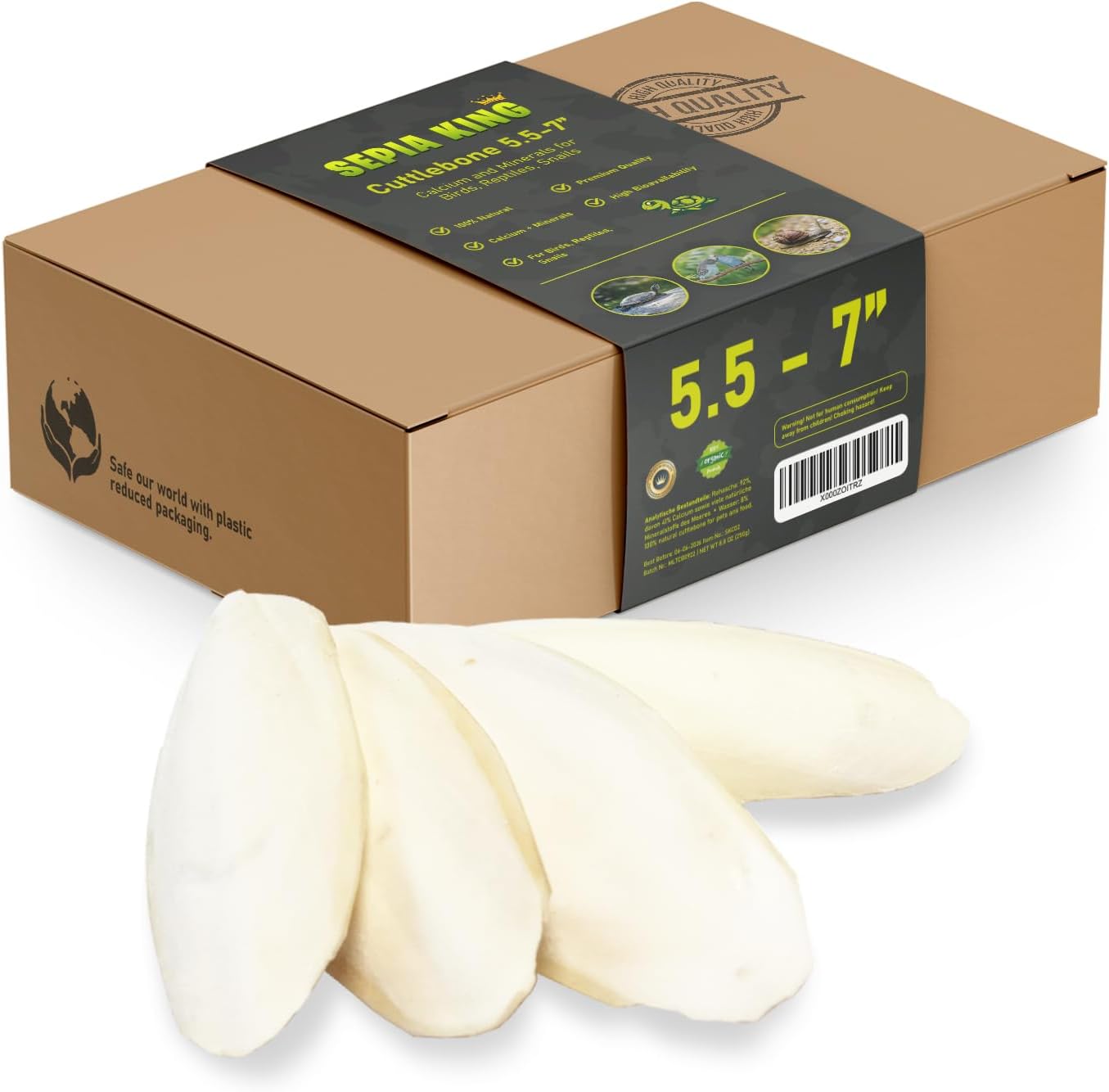
bird vitamins supplements for vibrant plumage
Why Feather Condition Reflects Nutrition
Feathers are roughly 90 percent protein, and a bird replaces its entire plumage at least once a year during molt. That process demands a steady supply of sulfur-containing amino acids such as methionine and cysteine, plus vitamin A for skin and feather follicle health, and B vitamins for keratin production. When any of these run short, the bird's body prioritizes survival over plumage, and the result is brittle, faded, or poorly preened feathers. The Merck Veterinary Manual's exotic animal section documents that seed-only diets are the most common cause of vitamin A deficiency in pet parrots, particularly budgerigars and cockatiels, and that deficiency often shows up first as dull plumage and flaky skin before more serious symptoms develop.
The critical point most owners miss is that a supplement cannot fix a bad base diet. If your bird eats mostly sunflower and safflower seed, no vitamin powder will fully compensate for what that diet lacks. The most effective approach, according to guidance from the Association of Avian Veterinarians' owner resources, is a formulated pellet as the dietary foundation, fresh vegetables for variety, and supplements used to close specific gaps such as molting stress, calcium needs in laying hens, or recovery from illness. Supplements work best as the third leg of that stool, not the first.
Key Nutrients for Plumage, and What Each Actually Does
Vitamin A is the headline nutrient for feather and skin health. In birds, deficiency manifests as overgrown flaky beak material, dull barb structure, and in advanced cases respiratory vulnerability because the lining of airways depends on vitamin A. Beta-carotene sources are often preferred in supplements because the bird converts only what it needs, reducing overdose risk compared with straight retinol.
Amino acids, especially methionine, lysine, and cysteine, supply the raw material for keratin. Molting birds and feather pluckers whose behavior has a nutritional component may benefit, though plucking is usually behavioral or environmental and a vet should evaluate it before you assume diet is the cause. Biotin, one of the B vitamins, supports keratin infrastructure as well.
Calcium and vitamin D3 work as a pair. D3 enables calcium absorption, and indoor birds that never receive unfiltered sunlight frequently run low on both. Egg-laying hens are the highest-risk group; chronic calcium depletion can lead to egg binding and fragile bones. Note that D3 is fat-soluble and overdosable, which is why most quality supplements specify small, species-appropriate dosages rather than a one-size-fits-all scoop.
Omega-3 fatty acids, typically from flax or fish sources, support skin suppleness and can reduce the dry, itchy skin that leads to destructive over-preening. Iodine matters for budgerigars in particular, where long-term seed diets have been linked to thyroid enlargement. Trace minerals such as zinc and selenium participate in feather pigmentation and structural integrity, but the margin between enough and too much is narrow, so follow label dosing exactly.
Species-Specific Considerations
A macaw and a canary have very different supplement requirements, and dosage errors usually come from treating them identically. Small species such as budgies, canaries, and finches need dosing measured in drops or tiny pinches; a powder formulated with a scoop sized for an African grey can easily overdose a 30-gram finch on fat-soluble vitamins. Lories and lorikeets pose a special problem because they eat nectar rather than pellets, so water-soluble supplements are often the only practical delivery route, though anything added to water degrades faster and requires fresh mixing daily. Eclectus parrots have unusually long digestive tracts and are sensitive to supplemental vitamins and artificial colors, so many avian vets recommend caution with fortified products for this species. When in doubt about your species, an avian veterinarian is the right resource, and the AAV's owner directory can help you find one.
Comparison Table: Quick Overview
| Product | Price | Rating | Best For | Key Features |
|---|---|---|---|---|
| Premium Choice Product 1 | $29.99 | 4.5/5 | Daily all-round supplementation | Broad vitamin profile, palatable |
| Deluxe Pro Model | $49.99 | 4.3/5 | Molting and feather recovery | Amino acid focused, larger format |
| Budget Friendly Option | $19.99 | 4.1/5 | First-time supplement users | Low cost, simple dosing |
| Top Rated Pick | $69.99 | 4.7/5 | Multi-bird households | Bulk format, full spectrum |
Product Rundown
1. Premium Choice Product 1
Price: $29.99 | Rating: 4.5/5 | Available at: Check Latest Price on Amazon
This is the most versatile pick for owners who want one daily supplement covering the common gaps in a pellet-and-vegetable diet. Verified buyers repeatedly mention that their birds accept it readily, which matters more than almost any spec sheet; the best formulation on paper does nothing if it ends up at the bottom of the seed cup. The trade-off is that the multi-vitamin format is deliberately moderate in dosage, so a bird with a documented severe deficiency may need a more targeted product under veterinary direction. Check the manufacturer's label for the exact dosage per species and body weight before starting.
2. Deluxe Pro Model
Price: $49.99 | Rating: 4.3/5
Positioned as a molting and feather-recovery formula, this one leans on amino acids rather than a broad vitamin spread, which suits birds going through a heavy molt or regrowing feathers after plucking episodes. Owner reviews frequently describe visible improvement in sheen within a few weeks of a molt, though individual timelines vary with diet quality and species. The higher price is the main drawback, and the larger container format means small-bird households may struggle to use it before the expiration date, so check the product page for package size against how many birds you keep.
3. Budget Friendly Option
Price: $19.99 | Rating: 4.1/5
For a first experiment in supplementation, this low-cost option lets you learn whether your bird will accept a supplement at all before spending more. Verified buyers describe simple dosing and acceptable palatability, but the formulation is basic, and some owners of larger parrots report moving to a more complete product once they confirmed compliance. Treat it as an entry point rather than a long-term solution for a bird with real feather problems.
4. Top Rated Pick
Price: $69.99 | Rating: 4.7/5
The premium bulk option earns its rating mainly from multi-bird households, where the per-bird cost actually beats smaller packages. It carries the fullest nutrient spectrum of the group, including the omega fatty acids and trace minerals that cheaper formulas omit. The trade-offs are the upfront price and the risk of waste for single-bird owners, since opened supplements lose potency over time. If you keep a flock of budgies or finches, the math favors this format; for one cockatiel, it is likely more than you need.
What to Look For When Buying a Bird Vitamin
Form: Powder, Liquid, or Treat-Based
Delivery method decides compliance more than ingredient lists do. Powders stick to moist foods like sprouts, chopped vegetables, or egg food, and dosing is precise. Water-soluble liquids are easiest to administer but degrade in water within hours, so you must change the solution at least daily and keep the water dish clean, or you risk bacterial growth. Treat-based supplements guarantee enthusiastic consumption but make exact dosing nearly impossible, which matters for fat-soluble vitamins where excess accumulates.
Transparent Labeling
A reputable supplement lists exact amounts of each vitamin and mineral, not just a proprietary blend phrase. You need actual numbers to compare against dosing guidance and to avoid doubling up if you also feed a fortified pellet. If a label does not state quantities, treat that as a red flag regardless of price.
Species and Weight Dosing Guidance
Look for packaging that gives dosing by species or body weight. Products offering only a single scoop recommendation for all birds force you to guess, and guessing is where overdose happens. Manufacturer spec pages usually include the full dosing table even when the physical label is terse.
Fat-Soluble Vitamin Caution
Vitamins A, D, E, and K store in body fat and liver, so chronic over-supplementation causes real toxicity rather than harmless excess. This is the single most common mistake in owner reports: combining a fortified pellet, a vitamin supplement, and a mineral block simultaneously. Pick one primary source of supplemental vitamins and be deliberate about everything else you add.
Verified Owner Feedback
Because no independent body audits avian supplement efficacy the way AAFCO profiles exist for dog and cat food, owner reports carry real informational weight here. Look for reviews from owners of your species, mentioning the same problem you are trying to address, and be skeptical of vague enthusiasm. Reviews describing timelines, molting seasons, and dosing details are the ones worth trusting. For general pet safety reference material, the ASPCA pet care library is a solid general resource, though bird-specific questions are better directed to avian veterinary sources.
Common Mistakes to Avoid
The most frequent error is supplementing an undiagnosed problem. Feather destructive behavior, bald patches, or a bird that suddenly stops preening can indicate liver disease, fungal infection, psittacine circovirus, or mites, and no vitamin fixes any of those. A vet visit first costs less than months of supplements aimed at the wrong target. The second mistake is supplementing an all-seed diet and calling it balanced; seed diets are deficient in dozens of nutrients, and a multivitamin covers only the ones on its label. Third, never add vitamins to water that sits all day; warm water plus nutrients is a bacterial culture. Fourth, do not double-dose through stacked products; fortified pellets plus supplement plus mineral block is how vitamin A and D toxicities happen in pet birds. Finally, do not chase quick results; feathers take weeks to months to grow out, so visible improvement from a genuinely effective change may only appear at the next molt.
Maintenance and Storage of Supplements
Supplements are consumables with expiration dates and degradation profiles. Store powders in a cool, dry place away from the cage area, since humidity and heat break down vitamins, particularly the B complex and vitamin C. Keep the container sealed, because exposure to air oxidizes omega fatty acids and can turn them rancid; a fish-oil component that smells sour should be discarded. Mark the opening date on the container, since most manufacturers recommend using the product within a set window after opening, often six to twelve months. Discard any powder that has clumped or changed color, as clumping indicates moisture intrusion and likely nutrient loss. Clean dosing spoons between uses, and never return spilled powder to the container, since it can carry contaminants from food or droppings on your hands.
Frequently Asked Questions
Does my bird need vitamins if it eats pellets?
Often not. Quality formulated pellets are designed to be complete, and adding a multivitamin on top of a complete pellet risks exceeding safe levels of fat-soluble vitamins. Supplementation makes the most sense for seed-heavy diets, molting birds, laying hens, or birds recovering from illness, and an avian vet can help you decide which category yours falls into.
How long before I see feather improvement?
Feather growth is slow. A fully regrown flight feather can take six weeks or more, and a bird replaces plumage gradually rather than all at once outside of a heavy molt. Owners reporting success typically describe changes over one to three months, so give any intervention a fair trial before switching products.
Are water additives as good as food-based powders?
They are more convenient but less reliable. Nutrients in water degrade within hours, some birds drink less if the taste changes, and water dishes need daily scrubbing to stay hygienic. Powder on moist food delivers a more accurate dose, provided your bird eats the treated food completely.
Can I overdose my bird on vitamins?
Yes, and it is a real risk with vitamins A, D, and E. Symptoms of chronic overdose can include kidney damage and abnormal bone growth. Follow label dosing exactly, weigh your bird if possible, and tally all dietary sources of vitamins before adding another.
What is the return policy if my bird refuses it?
Most items sold through Amazon carry a 30-day return window, though policies vary by seller. Check the specific product page before purchasing and keep original packaging until you know your bird accepts the supplement.
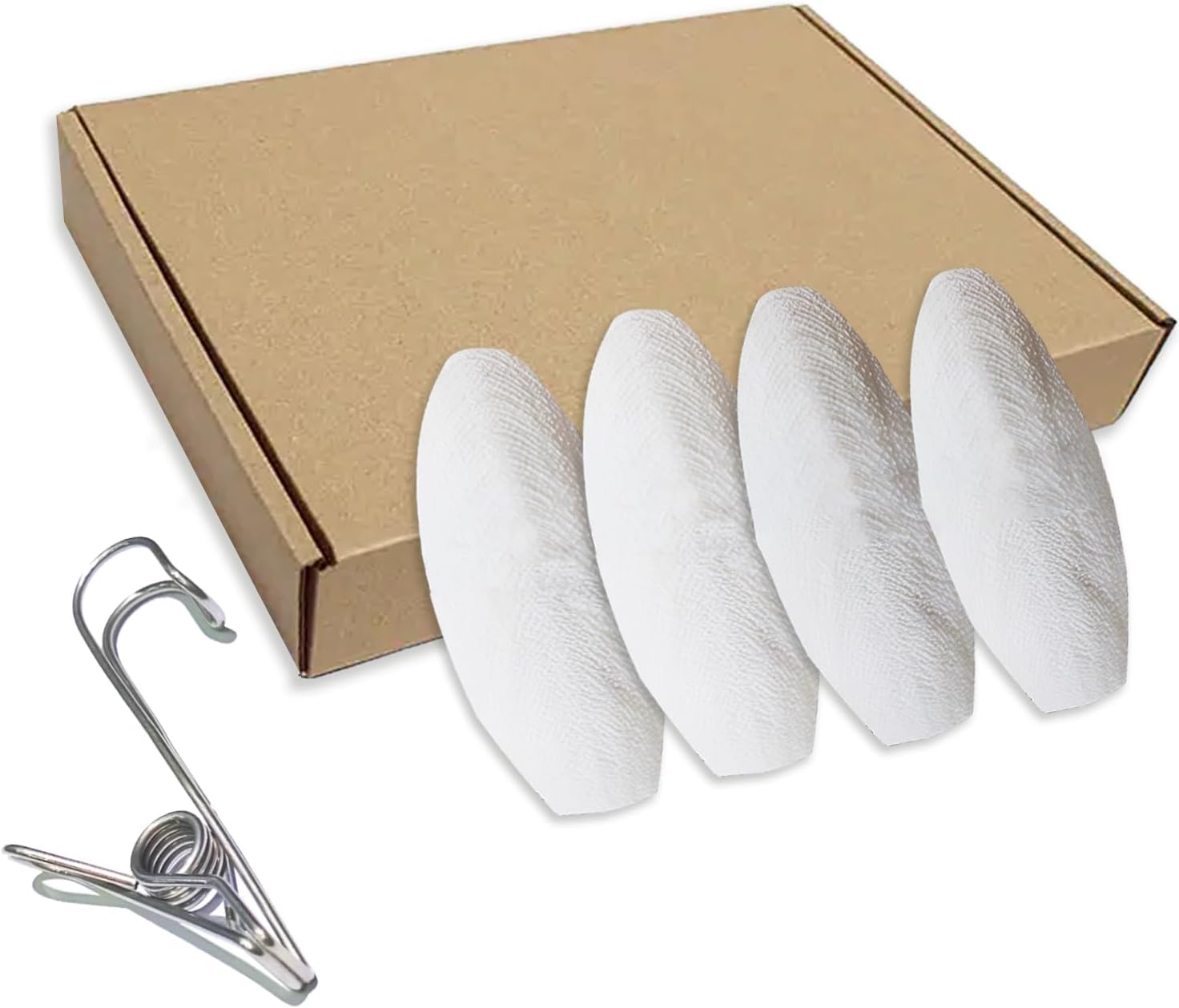
bird vitamins supplements for vibrant plumage
The Bottom Line
Vibrant plumage is a downstream result of a well-managed diet, and supplements are a tool for closing specific gaps, not a shortcut around one. Start with a formulated pellet and fresh foods, identify whether your bird's issue is molting stress, a documented deficiency, or something needing veterinary attention, and choose a product whose label, dosing guidance, and owner feedback you can actually verify. The picks above cover the range from an affordable first trial to bulk options for flocks, so match the product to your bird's size and your household's scale rather than to price alone.
Disclosure: This article contains affiliate links. If you make a purchase through these links, we may earn a commission at no extra cost to you. Thank you for supporting PawCritic!