Kitten Food: A Research-Based Buying Guide for Growing Cats
Bringing a kitten into your home is one of the most joyful experiences a cat owner can have, but with that joy comes serious responsibility. Kittens grow at an astonishing rate during their first year, roughly doubling their birth weight in the first two weeks and reaching near-adult size by around ten to twelve months. To support this development, they need a diet specifically formulated for their life stage. Not just any cat food will do, and understanding why is the first step toward feeding a kitten well.
The single most reliable indicator of a suitable kitten food is a nutritional adequacy statement on the label declaring that the formula is complete and balanced for growth, or for all life stages, according to the standards established by the AAFCO pet food standards. This single line of text matters more than marketing claims, packaging photography, or price tier. A food carrying the growth statement has been formulated, and in many cases validated through feeding trials, to meet the elevated requirements of a kitten rather than an adult cat. When in doubt, check for that statement before anything else on the bag.
cat food for kittens essential nutrition for growing cats
Why Kitten Food Is Different from Adult Cat Food
Kittens are not simply small cats; they are in a completely different physiological life stage. Their bodies demand higher levels of protein, fat, calories, and specific vitamins and minerals to support rapid muscle growth, bone development, and brain maturation. Adult cat food generally does not deliver enough of these critical nutrients to keep pace with growth, which is why veterinary nutrition guidance consistently recommends a dedicated kitten formula for the first year of life. The Cornell Feline Health Center and the Merck Veterinary Manual's cat owner reference both publish detailed guidance on feline nutrition across life stages, and both underscore that growth is the most nutritionally demanding period in a cat's life.
Several characteristics distinguish kitten formulas from adult ones. Understanding each of these helps you evaluate labels on your own rather than relying on brand reputation alone.
- Higher calorie density: Kittens burn energy faster than adults relative to their size. Kitten foods typically contain more calories per unit weight than adult formulas, allowing small stomachs to take in enough energy at each meal.
- Elevated protein: Growth requires substantially more protein than maintenance. Kitten formulas generally provide higher protein levels on a dry matter basis to support lean muscle development.
- DHA enrichment: Docosahexaenoic acid, an omega-3 fatty acid found in fish oil and other marine ingredients, plays a documented role in brain and vision development. Reputable kitten formulas include it deliberately.
- Calcium and phosphorus balance: Proper ratios of these minerals support healthy bone and tooth formation. An imbalance during growth can have skeletal consequences that persist into adulthood.
- Smaller kibble size: Kitten kibble is shaped and sized for tiny mouths and developing teeth, which matters for both eating comfort and palatability.
Most veterinarians recommend feeding a complete kitten formula until at least twelve months of age, though large-breed kittens such as Maine Coons may benefit from continuing until eighteen months or so, because their growth plates close later than those of smaller breeds. Your own veterinarian is the right person to make that call for your specific kitten, since breed, size, and body condition all factor into the decision.
How to Read a Kitten Food Label
Learning to read a pet food label is the most durable skill a cat owner can develop, because it transfers to every food purchase you will ever make. Start with the nutritional adequacy statement described above. Next, look at the ingredient list, which is ordered by weight before cooking. A named animal protein such as chicken, turkey, or fish appearing first is a good sign, though ingredient lists alone cannot tell you whether a diet is complete, since the vitamin and mineral premix does the heavy lifting on completeness. The guaranteed analysis, which lists minimum protein and fat and maximum fiber and moisture, gives you a rough comparison point between dry foods, though wet and dry foods cannot be compared directly without converting to a dry matter basis.
Pay attention to the feeding chart as well, but treat it as a starting point rather than a rule. Manufacturers calculate feeding guidelines from average caloric needs, and individual kittens vary considerably based on activity level, metabolism, and whether they are in a growth spurt. A kitten that feels bony along the spine and ribs generally needs more food rather than different food, while a kitten accumulating excess cover needs portion control, and a veterinarian can confirm which situation applies at any routine visit.
Wet Food, Dry Food, or Both
Both formats have real advantages, and most veterinary nutritionists favor a combination. Wet food provides significant moisture, which supports urinary tract health, and its aroma and texture make it highly palatable to most kittens, particularly very young ones transitioning from nursing. Dry food is more convenient, costs less per calorie, stores easily, and can be used in puzzle feeders that add mental enrichment. Kittens raised on both formats from an early age also tend to be more flexible eaters as adults, which can be practically useful if a medical diet change is ever needed later in life. Whatever mix you choose, fresh water should always be available.
A practical approach used by many owners and often suggested by vets is to offer wet food at scheduled meals and leave a measured portion of dry food for grazing between meals, adjusting the dry portion downward if the kitten's body condition trends upward. The key is that total daily calories, not the format, determine whether weight gain stays on track.
A Concrete Example to Compare Against
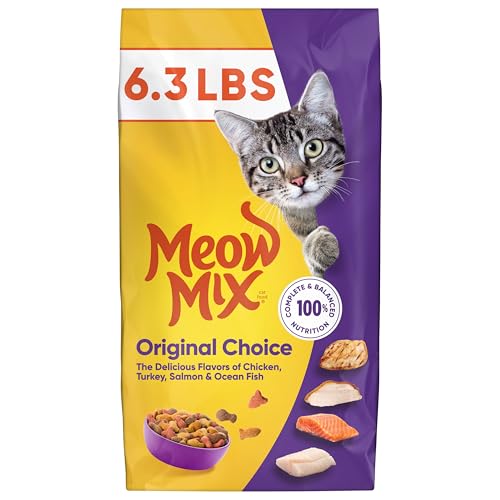
Rather than a ranked list, it helps to look at one widely available kitten formula and evaluate it using the criteria above. As a single worked example, you can check the current price on Amazon and review the label for yourself. When you open the listing, look for the AAFCO growth statement, scan the first several ingredients for named animal proteins, check the guaranteed analysis for protein and fat levels appropriate to growth, and note whether DHA from fish oil appears in the ingredient list. This same checklist applies to every other kitten food on the shelf, from budget store brands to premium boutique formulas.
Using a consistent evaluation framework protects you from the two most common marketing traps in the kitten food aisle. The first is paying a premium for packaging and storytelling rather than nutritional content; if a growth-stage adequacy statement is present, a mid-priced food can be fully adequate. The second is assuming that a higher price guarantees suitability; an expensive formula without the growth statement is still the wrong choice for a kitten. The label, not the price, carries the information that matters.
Feeding Schedule by Age
Feeding on a schedule rather than free-choice makes it easier to monitor intake and catch appetite changes early. Young kittens have tiny stomachs and enormous energy demands relative to their size, so they need frequent small meals. A general timeline drawn from published veterinary guidance looks like this:
- Birth to about four weeks: Mother's milk, or a proper kitten milk replacer if the kitten is orphaned. Never substitute cow's milk, which does not match the nutritional profile kittens need and commonly causes digestive upset.
- Four weeks to about two months: Begin introducing wet kitten food, initially softened with warm water or milk replacer into a gruel, offered four or more times daily alongside continued nursing where possible.
- Two to six months: Dry and wet kitten food, three to four meals per day, as milk feeding is fully phased out.
- Six to twelve months: Gradually reduce to two or three meals daily while monitoring body condition as growth slows.
By twelve months, most cats can transition to an adult formula and two meals per day. Large-breed kittens are again the exception, often benefiting from a kitten diet for several additional months. Your veterinarian can tell you at any visit whether your kitten's weight is tracking where it should.
How to Transition to a New Food
cat food for kittens essential nutrition for growing cats
Never switch a kitten's food abruptly. A sudden change can cause digestive upset, loose stools, and food refusal. A gradual transition over about a week gives the gut microbiome time to adjust. A commonly recommended schedule is 75 percent old food with 25 percent new food for the first two days, a 50/50 mix for days three and four, 25 percent old with 75 percent new for days five and six, and 100 percent new food on day seven. Monitor stool quality throughout; loose stools or vomiting are signals to slow the transition and hold at the current ratio for a few more days. If digestive problems persist beyond a few days or the kitten refuses to eat, contact your veterinarian. In kittens, appetite loss deserves prompt attention because their energy reserves are small.
Nutrients That Matter Most During Growth
Beyond protein and calories, several specific nutrients deserve attention during the first year. Taurine is essential for cats of all ages and is required in kitten foods at adequate levels for heart and vision development; because cats cannot synthesize enough of it themselves, a deficiency causes serious and irreversible damage, which is why complete commercial diets are fortified with it. DHA, as discussed, supports neurological and retinal development, and published research has documented measurable cognitive benefits in kittens receiving adequate DHA. Arachidonic acid, another fatty acid cats cannot synthesize sufficiently, must come from the diet, typically from animal fats. Calcium and phosphorus must be present in appropriate ratio, and energy density must be high enough that a kitten can meet caloric needs within a reasonable food volume. All of these requirements are covered when a food carries the AAFCO growth statement, which is one more reason that statement is the first thing to check.
Common Feeding Mistakes to Avoid
Several recurring mistakes show up in owner reports and veterinary guidance alike. Free-feeding large quantities of dry food from kittenhood onward is one of the most common contributors to early overweight, which carries lifelong metabolic consequences. Feeding dog food, table scraps as a substantial portion of the diet, or homemade diets not formulated by a veterinary nutritionist are others, since each risks nutritional gaps that are most damaging during growth. Supplementing calcium on top of a complete diet is a classic error, particularly tempting to owners of large-breed kittens; excess calcium during growth can actually harm skeletal development rather than help it, and a complete kitten formula already contains the correct amount. Finally, switching foods repeatedly in response to temporary fussiness can create a picky eater; a patient, gradual approach serves most kittens better.
Signs a Diet Is Working
You do not need instruments to judge whether a kitten's diet suits them. Steady weight gain along the expected growth curve, consistent energy levels appropriate to age, a glossy coat, firm and formed stools, and a body condition where ribs are palpable but not visible are the everyday markers owners can track. The ASPCA Animal Poison Control resource is also worth bookmarking for the inverse situation: knowing which household foods and plants are toxic to cats, since kittens explore with their mouths and prevention matters more than any diet can compensate for.
Where to Look
When you are ready to compare options in person, the same evaluation framework applies whether you are shopping at a pet store, a grocery aisle, or online. You can also view this option on Amazon as one readily available example to measure other formulas against. Compare the adequacy statement, the protein and fat levels, the presence of DHA, and the kibble or pate texture appropriate to your kitten's age, and then let price and convenience break ties among foods that are already nutritionally qualified. To check the current price on Amazon for this example option, follow the link above; pricing and availability for kitten foods change often, so verifying the current listing is always worthwhile before committing to a large bag.
Frequently Asked Questions
When should I switch from kitten food to adult cat food?
Most kittens transition to adult food at twelve months of age. Large-breed kittens such as Maine Coons may need to stay on kitten food until around eighteen months because their growth period is extended. Your veterinarian can give personalized guidance based on breed, size, and body condition.
Can I feed my kitten adult cat food in an emergency?
A single meal of adult cat food in a genuine emergency is unlikely to cause harm. However, adult formulas lack the elevated protein, fat, and DHA levels kittens need, so it should not become a habit. Obtain a proper growth-formula food as soon as possible.
How much should I feed my kitten?
Start with the feeding guidelines on the packaging, then adjust using body condition as your guide: you should be able to feel but not see the ribs. Kittens of the same age can have very different caloric needs based on activity and metabolism, and your veterinarian can help fine-tune portions.
Why is DHA important for kittens?
DHA is an omega-3 fatty acid central to development of the brain, nervous system, and vision. Kittens receiving adequate DHA during the growth window show documented improvements in cognitive and visual development, which is why reputable growth formulas include it.
My kitten is a picky eater. What should I do?
Try warming food slightly to body temperature to enhance aroma, mixing wet and dry formats, or adding a little warm water to dry food to soften the texture. If a kitten consistently refuses food for more than 24 hours, consult a veterinarian promptly, since appetite loss in kittens can signal illness.
Are grain-free diets safe for kittens?
Grain-free diets can be nutritionally complete and safe when they carry the AAFCO growth statement. Grain-free does not automatically mean healthier; the overall nutrient profile is what matters. True grain allergies are uncommon in cats, so choosing grain-free should be based on a diagnosed need or informed preference, not marketing.
Final Thoughts
The first year of a kitten's life is the most critical period for physical and neurological development, and the food chosen during this window shapes health for years afterward. Rather than chasing brand rankings, use the tools below: the AAFCO growth statement, the guaranteed analysis, named animal proteins, DHA content, appropriate portioning, and regular veterinary weight checks. Any food that meets those standards, whether budget or premium, wet or dry, is capable of supporting healthy growth. Monitor your kitten's body condition, energy, coat, and stool, keep fresh water available, and work with your veterinarian to adjust as your kitten grows from a tiny, clumsy newcomer into a strong adult cat.
PawCritic is reader-supported. When you purchase products through links on this site, we may earn an affiliate commission at no extra cost to you. This does not affect editorial content, which is based on published guidance, manufacturer specifications, and verified owner reports rather than hands-on product testing. Questions about affiliate relationships can be directed to contact@pawcritic.com.