Why Your Choice of Cat Litter Matters More Than You Think
Choosing a cat litter is one of those small decisions that quietly shapes daily life in a cat household. Your cat will visit the litter box anywhere from two to five times a day, and every one of those visits involves digging, burying, tracking, and odor. The wrong litter can lead to a cat who avoids the box entirely, and inappropriate elimination is one of the most common reasons cats are surrendered to shelters or returned to breeders. Litter choice also affects your own quality of life: how much dust you breathe when scooping, how often you haul heavy containers home, how much ends up scattered across the floor, and how noticeable the box is to visitors.
Unlike many pet products, litter is a consumable, which means the purchase repeats monthly or more often. A litter that seems cheap per container can be expensive per week if it clumps poorly and forces frequent full changes, while a premium clumping litter that lets you remove waste completely can stretch a single container further. Price per pound matters far less than price per month of actual use, and that figure depends on the number of cats, the number of boxes, scooping habits, and how well the formula holds together when saturated.
There is also a behavioral dimension that first-time cat owners often underestimate. Cats develop strong preferences about substrate texture, particle size, and scent, and they express those preferences by simply refusing to use a box they dislike. Veterinary behavior resources, including the Cornell Feline Health Center, consistently list litter substrate aversion among the leading causes of house-soiling, alongside box location and cleanliness. That is why this guide focuses on the practical factors you can evaluate before you buy rather than claiming any single formula is universally best.
The Main Litter Materials and Their Real Trade-offs
Clumping Clay
Clumping clay, usually sodium bentonite, is the market default for a reason: it forms tight, scoopable balls around liquid waste, which lets you remove urine rather than diluting it into the remaining litter. This is the single biggest driver of long-term odor control, because ammonia forms when urea sits and breaks down in the box. The trade-offs are real, though. Clay is heavy to carry, generates fine dust when poured and scooped, and is environmentally costly to mine and ship. Dust levels vary meaningfully between brands, and if anyone in the household has asthma or allergies, low-dust formulations are worth the premium.
Non-Clumping Clay
Non-clumping clay absorbs liquid but does not form scooped balls, so urine remains in the box until the full change. This makes it cheaper upfront but harder to keep truly fresh, since you cannot selectively remove the soiled portion. It can work acceptably for a single fastidious owner who changes the entire box frequently, but in multi-cat homes it tends to lose the odor battle within days. Published guidance from animal welfare organizations, including the ASPCA, emphasizes that box cleanliness matters more than any additive, and clumping litter simply makes cleanliness easier to achieve.
Silica Gel Crystals
Crystal litters are made of porous silica dioxide beads that absorb urine and allow it to dehydrate, which traps odor molecules inside the crystal structure. They are extremely lightweight, produce almost no dust, and many owners report a single fill lasting two to three weeks with daily solid-waste scooping. The downsides are texture and acceptance: some cats dislike the feel of large, hard beads underfoot, especially kittens, senior cats with arthritic paws, or recently declawed cats. Crystals also do not clump, so liquid waste stays in the box until saturation, and oversaturation produces a sudden strong ammonia release.
Plant-Based Options: Pine, Walnut, Wheat, Corn, and Tofu
Plant litters have improved dramatically in recent years, and this is the fastest-moving category in the market. Walnut-shell and tofu-based formulas now clump far better than they did a few years ago, and prices have fallen accordingly. They are lighter than clay, biodegradable, often flushable in small quantities where local rules permit, and produce little to no dust. Pine pellets are inexpensive and control ammonia surprisingly well through natural phenols, but they do not clump, and the pellet texture is a dealbreaker for some cats. Corn and wheat litters clump well but carry a small documented risk of aflatoxin contamination in poor storage conditions, which matters if you buy in bulk.
Recycled Paper
Paper litter, usually in pellet or granule form, is soft, virtually dust-free, and often recommended post-surgery or for cats with paw injuries. It is the least offensive option for human allergies, but it controls odor weakly and needs frequent complete changes. It is best treated as a temporary or specialized solution rather than a permanent everyday litter for a healthy adult cat.
Key Factors to Evaluate Before You Buy
Odor Control Mechanism
Understand how a litter actually fights odor rather than trusting marketing language. There are three honest mechanisms: physical removal of waste through clumping, absorption and trapping through silica or activated carbon, and masking through added fragrance. Masking is the weakest approach and the most likely to cause problems, because cats have a far more sensitive sense of smell than humans, and heavily perfumed litters are a recognized trigger for litter box avoidance. Activated charcoal and baking soda additives neutralize odor compounds rather than covering them, which is why they appear in most premium multi-cat formulas.
Dust Level
Dust is not just a housekeeping nuisance. Fine clay dust is a respiratory irritant for both cats and people, and cats dig vigorously at litter several times daily with their noses inches from the source. If your cat sneezes near the box, if you see a visible plume when pouring, or if a household member has reactive airways, prioritize formulations labeled low-dust or dust-free and pour slowly close to the box surface. Verified owner reviews consistently flag dust as the most common complaint about otherwise well-performing budget clay litters.
Tracking
Tracking refers to litter grains carried out of the box on paws. Heavier, larger-grain litters track less; fine, lightweight litters and crystals track more. Tracking is manageable with a good mat and a box with high sides or a top entry, but if you have light-colored carpet, factor it into your decision. Lightweight formulas trade exactly this property for carryability, so there is no free lunch here.
Clump Strength
A clump that crumbles when scooped releases the urine it had trapped back into the box, defeating the entire purpose of clumping litter. Clump strength depends on clay quality and depth of litter: a shallow box under two inches deep lets urine hit the bottom and stick, forming a hard-to-remove cement layer. Most manufacturers recommend maintaining two to three inches of depth, which is a spec worth actually following rather than eyeballing.
Multi-Cat Households
More cats means more urine volume, faster ammonia buildup, and territorial stress around box access. The general veterinary guideline is one box per cat plus one extra, distributed rather than lined up side by side. In practice, multi-cat homes benefit from stronger clumping and carbon-added formulas, and from accepting that litter consumption will simply be higher than the package's optimistic estimates. Multi-cat labeled litters are typically just heavier-duty versions of the base formula with more odor-fighting additive.
Two Concrete Examples Worth a Look
A Proven Clumping Multi-Cat Formula
One option that repeatedly comes up in owner discussions and remains a dependable default is a multi-cat clumping formula with strong clump formation and carbon-based odor control. Formulas in this class suit households with two or more cats, owners who scoop daily, and anyone whose primary complaint is ammonia rather than tracking. The honest trade-off is weight and moderate dust during pouring, which is inherent to bentonite clay; if carrying heavy containers is a problem, a lightweight alternative may serve you better despite its higher tracking. You can check the current price on Amazon to compare the exact formula, scent variants, and container sizes available.
A Low-Dust Option for Sensitive Cats and Humans
For cats with respiratory sensitivity, post-surgical paws, or households where asthma makes clay dust a genuine health issue, a low-dust unscented clumping litter is the safer direction. These formulas prioritize fine screening during manufacturing to remove the smallest particles, which reduces the plume when pouring and the ambient dust when your cat digs. The trade-off is usually a modest price premium over standard clay and occasionally slightly softer clumps, since some low-dust processing affects particle binding. Verified owner reviews for this class of litter consistently note that dust reduction is real and noticeable, while a minority of reviewers report weaker odor control than heavier-duty multi-cat formulas, which matches expectations for an unscented product. If this fits your situation, you can view this option on Amazon and compare it against what is currently stocked locally.
Switching Between Litters Safely
Whatever you choose, never switch litters abruptly. Cats notice substrate changes immediately, and a sudden swap is a classic trigger for refusing the box. The standard recommendation from veterinary resources such as the Merck Veterinary Manual's cat owner reference is to introduce new litter gradually over a week or more, blending increasing proportions of the new formula into the old. If your cat rejects the mixture, step back rather than persisting, because forcing the issue teaches the cat that the box itself is unpleasant. Keeping a second box with the old litter during transition gives your cat a vote in the decision, and that vote is final.
Safety Considerations Specific to Litter
A few safety points apply across all litter types. Clumping clay and silica crystals should never be used with young kittens under roughly four months, because kittens may sample litter orally and a clumping agent can cause gastrointestinal blockage. The same caution applies to dogs who raid litter boxes, a surprisingly common and genuinely dangerous habit, since sodium bentonite swells when wet. Pregnant owners should have someone else scoop, or wear gloves and wash thoroughly, because of the risk of toxoplasmosis from cat feces. Sodium bentonite dust is also worth avoiding inhaling for people with compromised lungs. None of these are reasons to avoid the products outright; they are reasons to match the product to the household.
Flushability claims deserve skepticism even when printed on the packaging. Older plumbing, septic systems, and many municipal rules make flushing cat waste inadvisable, and there is also an environmental argument that cat feces should not enter waterways at all. The safest default is to bag solid waste and clumps and place them in household trash, and to verify local guidance before relying on any flushable claim.
Maintenance: The Part That Outweighs Litter Choice
No formula compensates for a neglected box. The consensus across veterinary and welfare sources is straightforward: scoop at least once daily, and do a complete litter change and wash of the box itself roughly every two to four weeks for clumping litter, more often for non-clumping. Washing should use mild soap and warm water; avoid ammonia-based cleaners, which smell like urine to a cat, and avoid strong pine or citrus cleaners, which many cats find repellent. Plastic boxes absorb odors over time, so plan to replace the box entirely every year or so, or sooner if scratches in the plastic retain smell even after washing.
Depth and quantity matter as much as schedule. Maintain the manufacturer-recommended two to three inches, replenish what you scoop out rather than letting depth gradually decline, and store spare litter in a sealed container in a dry location, since plant-based litters in particular can spoil or grow mold when exposed to humidity. Keep the box in a quiet, low-traffic location with an escape route, away from noisy appliances, and never place food and water bowls beside it.
Common Mistakes to Avoid
- Choosing a heavily scented litter to solve an odor problem instead of scooping more often; perfume treats the symptom and often creates a new problem.
- Using a covered box without compensating with extra cleaning; covers trap odor inside, and many cats dislike the confinement.
- Keeping fewer boxes than cats, or clustering several boxes in one spot so they function socially as a single territory.
- Switching litter brands abruptly when a sale ends, then wondering why the cat started using the bath mat.
- Lining the box with plastic liners that cats shred within days, turning a convenience feature into a hygiene problem.
- Buying the largest container of an untried formula to save money, then being stuck with thirty pounds of litter your cat refuses.
A Quick Note on Litter Boxes and Deodorizers
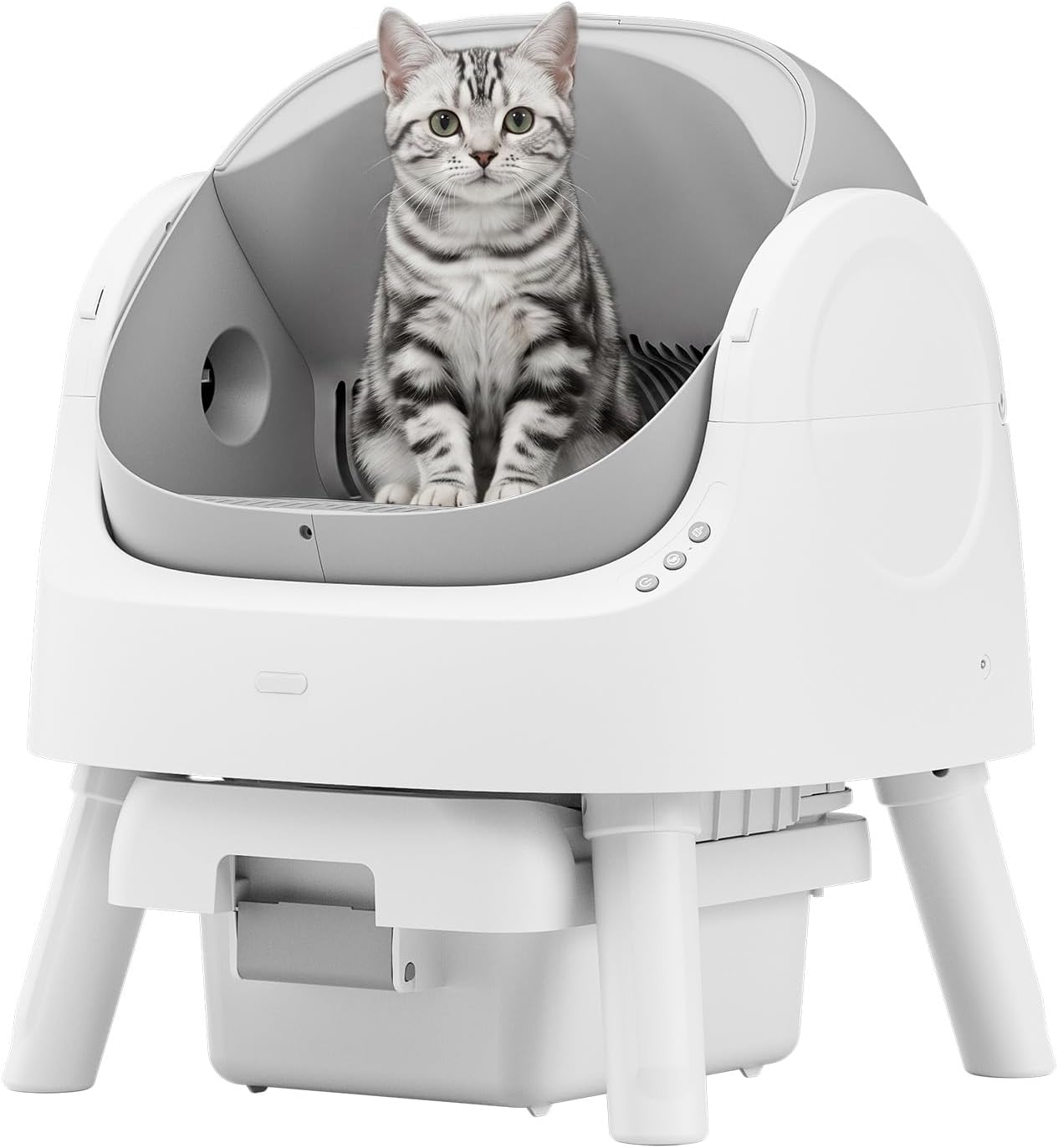
Litter and box design work together. A high-sided or top-entry box dramatically reduces tracking with fine litters, a larger box suits larger cats and multi-cat homes, and adding a quality mat at the exit catches most of what escapes. If odor remains your main battle even with daily scooping and a good clumping litter, box enzymes and deodorizing additives are the next lever to pull, not stronger fragrance. You can compare the clumping multi-cat example discussed above at any time by following the link to check the current price on Amazon, and again for the low-dust alternative you can view this option on Amazon to see current sizing and pricing before committing to a full container.
Frequently Asked Questions
How often should I change cat litter?
Scoop solids and clumps daily at minimum. For clumping litter, empty and wash the box every two to four weeks depending on cat count and box size. Non-clumping litters need full changes roughly weekly. Cats are fastidious about cleanliness, and a dirty box is the most common preventable cause of house-soiling.
Clumping or non-clumping?
For most owners, clumping is the practical choice because it allows selective removal of urine and keeps the box fresher between full changes. Non-clumping suits budget-focused single-cat households willing to change the whole box frequently, and some post-surgical or paper-based situations.
Is scented litter bad?
It is not universally bad, but it is a common trigger for litter box avoidance because cats read fragrance far more intensely than humans. If odor control is the goal, better clumping, activated carbon, and more frequent scooping all outperform added perfume.
Can kittens use clumping litter?
Wait until roughly four months of age. Young kittens may ingest litter while exploring, and clumping agents can cause intestinal blockages. Use a paper-based or non-clumping product during the early weeks.
How much litter should I put in the box?
Two to three inches for most adult cats, following the specific manufacturer guidance on the packaging. Too little causes urine to reach the bottom and cement; too much invites enthusiastic digging and spillage.
As an Amazon Associate, PawCritic earns from qualifying purchases. This does not affect our recommendations.