Senior Cat Care Supplies: A Buying Guide to Comfort, Mobility and Wellness for Aging Felines
Published on June 30, 2026 by PawCritic — Cats Category

Cats age quietly. Where a dog may limp visibly or slow down in ways an owner notices within days, a cat will often mask joint pain, dental discomfort, and even significant organ disease until the problem is advanced. Feline medicine has a name for this tendency: cats are masters of concealment, and it is one reason geriatric veterinary guidelines emphasize proactive screening rather than waiting for obvious symptoms. Most veterinarians classify cats as mature at 7 to 10 years, senior at 11 to 14, and geriatric at 15 and older, and the Merck Veterinary Manual's owner reference material describes degenerative joint disease, chronic kidney disease, dental disease, hyperthyroidism, and cognitive dysfunction as the conditions most likely to shape an older cat's daily life.
The purpose of this guide is to walk through the supply categories that genuinely change daily life for an aging cat: bedding and warmth, mobility aids such as ramps and low-entry litter boxes, elevated feeding, hydration, supplements, and stress management. Because PawCritic does not run hands-on product trials, every claim here is attributed to published veterinary guidance, manufacturer specifications, or aggregated owner reports, and where evidence is thin or contested, that limitation is stated plainly. One concrete product example is linked so you can compare specifications yourself, but the emphasis is on teaching you what to look for rather than telling you what to buy.
Why Senior Cats Need Different Equipment
The single most under-diagnosed condition in older cats is osteoarthritis. Post-mortem studies cited in veterinary literature have found radiographic evidence of degenerative joint disease in a large share of cats over 12 years of age, yet only a fraction of those cats had ever received a pain diagnosis. The signs are subtle: hesitating before a jump that used to be effortless, choosing the floor instead of the sofa, sleeping more, grooming less thoroughly along the back and hips, or becoming irritable when touched near a sore joint. None of these look like limping, which is why the litter box, the food bowl, and the bed are often the first places an owner can see the problem.
The second driver is kidney health. Chronic kidney disease is among the leading causes of illness and death in senior cats, and published guidance from institutions such as the Cornell Feline Health Center stresses early detection through regular blood work and urinalysis alongside strategies to increase water intake. Hydration equipment, wet-food feeding, and litter boxes that let you observe urine volume all matter more for a 14-year-old cat than for a 3-year-old one.
The third driver is cognition and sensory decline. Feline cognitive dysfunction, described in veterinary references as producing disorientation, altered sleep-wake cycles, excessive vocalization at night, and house-soiling, becomes more common after age 15. Cats may also lose some vision and hearing, which changes how they navigate furniture, litter box placement, and new objects in the home. Equipment choices should account for all three of these trends at once.
Heated and Orthopedic Bedding
Warmth is one of the most widely recommended non-pharmaceutical comfort measures for arthritic cats, and it costs almost nothing to provide if you choose the right bed. Published veterinary advice on managing chronic pain in cats consistently lists soft, warm, well-cushioned resting places among the basic environmental modifications, alongside weight management and low-impact access to resources. An orthopedic bed addresses two needs at once: a thick foam base distributes the cat's weight and reduces pressure on bony joints such as elbows and hips, while a low entry rim means the cat does not have to step over a raised wall to settle down.
If you consider an electrically heated bed, look for three safety features in the manufacturer's specifications. First, thermostatic control: the surface should be regulated to roughly a cat's own body temperature range, around 100 to 103 degrees Fahrenheit, rather than heating continuously like a human heating pad. Veterinary safety guidance is unambiguous that human heating pads are inappropriate for pets because they can reach burn-inducing temperatures under a sleeping animal. Second, look for listing with a recognized electrical safety organization and an internal shut-off system that powers the heater only when pressure or weight is detected. Third, check that the cover is removable and machine washable, since older cats groom less effectively and bedding hygiene directly affects skin health.
Self-warming beds are the passive alternative. These use a metallized reflective layer, essentially the same principle as an emergency blanket, sewn between fabric layers. The layer reflects the cat's own radiant body heat back toward the body, adding noticeable warmth without cords or electricity. Owner reviews commonly describe arthritic seniors choosing these beds over conventional fleece ones, though the warmth is modest compared with a powered bed and depends entirely on the cat's own body heat. The trade-offs are straightforward: self-warming beds are cheap, safe, and machine washable, but they cannot help a cat in a genuinely cold room the way a thermostatically controlled heated bed can. Some cats also dislike the faint crinkling sound of the reflective layer, a complaint that appears regularly in verified owner feedback.
As a concrete example of what a well-specified heated orthopedic bed looks like, you can check the current price on Amazon and compare its listed thermostat range, foam thickness, and washable cover against the criteria above. Whatever bed you choose, size it so the cat can curl tightly in cold weather but is not forced to: a bed that is too large lets heat escape around the cat, while one that is too small is uncomfortable for a stiff-jointed animal to position itself in.
Joint Supplements: What the Evidence Says
Joint supplements containing glucosamine, chondroitin sulfate, and related compounds occupy an awkward evidentiary middle ground. They are among the most-purchased senior cat products in the United States, and several formulations from veterinary pharmaceutical manufacturers have been studied in controlled canine and feline trials. Avocado-soybean unsaponifiables, often abbreviated ASU, combined with glucosamine and chondroitin, is one of the more studied combinations, and some veterinary studies report improvements in mobility scores. Independent reviews, however, caution that the overall quality of evidence for oral joint supplements in cats is moderate and that responses vary between individuals. The honest framing is this: these products appear safe, are widely recommended by veterinarians as part of a multimodal pain plan, and may help some cats noticeably while doing little for others.
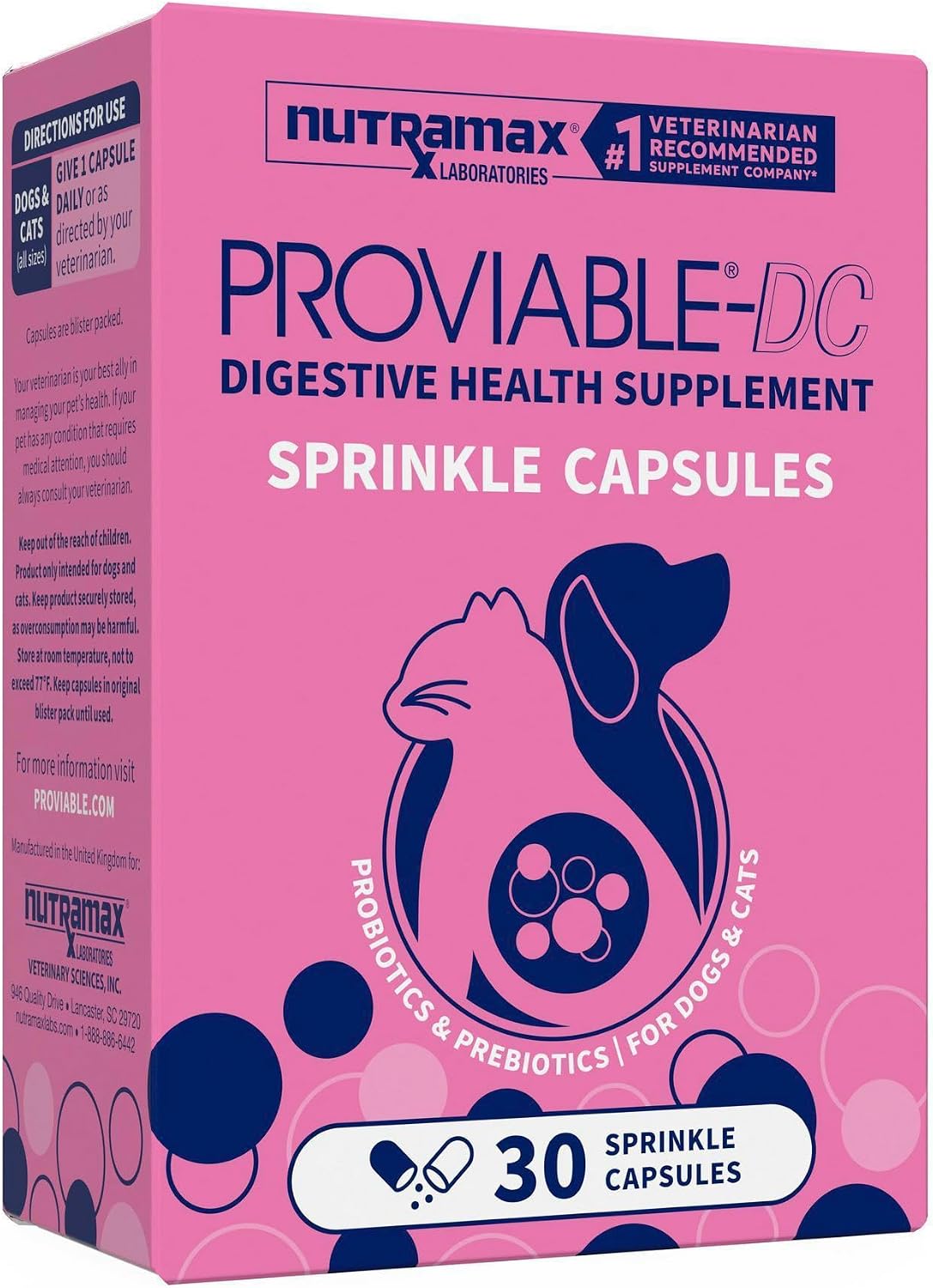
If you decide to use a joint supplement, the practical buying criteria are as follows. Choose a product from a manufacturer that follows good manufacturing practices and publishes per-dose ingredient amounts rather than a proprietary blend, because dosing consistency matters for a daily long-term product. Sprinkle capsules that open into wet food are generally easier for seniors than tablets, since dental disease affects most cats over age 10 and hard pills can be painful or impossible to chew. Finally, give any supplement six to eight weeks before judging it, because cartilage-targeting compounds act slowly; owner reports that mention improvement almost always describe changes appearing over weeks, not days.
Discuss supplementation with your veterinarian before starting, particularly if your cat has kidney disease, since some formulations contain minerals or flavoring agents that need to be matched to the cat's overall diet. A supplement is an adjunct to, never a substitute for, a veterinary pain-management plan, which may include prescription options that genuinely change an arthritic cat's mobility. You can view this option on Amazon to see how a typical veterinary-brand joint supplement lists its per-capsule glucosamine, chondroitin, and ASU content, and use that label as a benchmark when comparing alternatives.
Low-Entry Litter Boxes
If a senior cat begins eliminating outside the box, the assumption should be pain or difficulty, not spite. Veterinary behavior resources consistently list medical causes first when sorting house-soiling in older cats, and one of the most common mechanical barriers is simply the entry wall. A standard litter box rim sits 6 to 8 inches above the floor; for a cat with arthritic hips or a stiff spine, stepping over that wall repeatedly every day is genuinely uncomfortable, and many cats begin choosing softer, lower alternatives such as a bath mat instead.
Low-entry boxes solve this with a front wall cut down to roughly 4 inches while keeping the rear walls high, typically 8 to 10 inches, to contain litter scatter and urine spray. This asymmetric profile is the key specification to look for, because a box that is uniformly shallow trades one problem for another. Other practical criteria include a footprint large enough for the cat to turn around in comfortably, at least one and a half times the cat's body length from nose to base of tail as a common rule of thumb; a plastic formulation the manufacturer describes as odor-resistant, since scratched, porous plastic absorbs urine odor over time; and compatibility with your chosen litter. Manufacturer specifications for these products are easy to verify on the product page before purchase.
Placement matters as much as the box itself. Published guidance for senior cats recommends one box per cat plus one, distributed so that a cat never has to climb stairs to reach one, and keeping boxes away from noisy appliances that can startle a hearing- or vision-impaired cat. Roll-style self-cleaning boxes, which sift clumps when tipped onto their side without any motor or electronics, are an option for owners with limited mobility, but verify the entry height in the specifications, since some models sit slightly higher than a dedicated low-entry box, and note that they perform best with clumping clay litter.
Mobility Aids: Ramps, Steps, and Environmental Layout
Territory matters enormously to cats, and one of the quiet tragedies of feline aging is the retreat from favorite perches when jumping becomes painful. Ramps and pet steps restore access to beds, sofas, and window perches, and owner reports frequently describe withdrawn seniors becoming more engaged once they can reclaim a sunny windowsill. The relevant specifications when comparing ramps are the incline angle, the tread surface, the weight rating, and stability under a moving animal. A gentle slope, in the neighborhood of one unit of rise for every two units of ramp length, is comfortable for a cat with moderate arthritis; steeper carpeted stairs may suit a mildly affected cat but frustrate a severely affected one. Non-slip textured tread is essential, since a cat that slips once may refuse the ramp permanently.
Before buying anything, consider free or cheap environmental changes that accomplish the same goal. Arranging furniture as stepping stones, an ottoman beside the sofa, a chair beside the bed, breaks one impossible jump into two easy ones. Moving a litter box and water station to the floor the cat spends most time on removes stair negotiation entirely. Ramps are the right purchase when furniture cannot be rearranged or when the height gap is too large for intermediate steps. Introduce any new aid gradually with treats and praise; owner reports suggest most senior cats adopt a well-placed ramp within days, but a minority need a week or more of encouragement.
Elevated Feeding Stations
Raising food and water bowls 4 to 6 inches off the floor reduces the degree of neck flexion a cat needs while eating, which is recommended comfort practice for cats with cervical arthritis or other mobility limitations. It is also relevant for cats with certain digestive and esophageal conditions, though you should follow your own veterinarian's specific advice for any diagnosed condition. Elevated feeders are sold as fixed-height bamboo or wooden platforms, adjustable-height stands, and simple tilted stands; the fixed platforms are the most stable and the least prone to tipping, while adjustable models let you fine-tune height as a cat's condition changes.
Bowl material deserves more attention than most buyers give it. Ceramic bowls with a lead-free glaze are non-porous, resist bacterial biofilm, and are heavy enough not to slide; the trade-off is chipping if dropped. Stainless steel is similarly hygienic and unbreakable, though light single-wall bowls can skid, so look for a silicone rim or a stand that holds the bowl firmly. Plastic bowls develop micro-scratches that harbor bacteria and are implicated in feline chin acne, and most published care guidance suggests avoiding them for cats with any skin sensitivity. Shallow, wide bowls reduce whisker contact with the sides, and whisker discomfort is a plausible contributor to food refusal in older cats.
Hydration: Fountains and Wet Food
Encouraging water intake is arguably the highest-value intervention available to a senior cat owner, given the role of chronic kidney disease in feline mortality. Cats evolved as desert hunters with a weak thirst drive, and a dry-food-only diet delivers substantially less water than a prey-based or canned diet would. The practical playbook from veterinary nutrition sources is straightforward: feed wet food as a significant portion of the diet, place multiple water stations away from food (cats in studies often prefer water some distance from their meals), and consider a fountain, since many cats are drawn to moving water.
When comparing fountains, prioritize material and filtration over gimmicks. Stainless steel or ceramic bowls are preferable to plastic for the same bacterial and scratch reasons as food bowls. Look for activated-carbon filtration to remove chlorine taste, a pump rated for quiet operation, since noise deters skittish seniors, and easy disassembly for cleaning, because a fountain that is hard to clean gets cleaned rarely and a dirty fountain is worse than a clean bowl. Manufacturer specifications for capacity, pump noise, and filter replacement intervals are published on most product pages. Budget for filter replacements as an ongoing cost. One honest limitation: no fountain can force a cat to drink, and individual cats vary widely; if your senior cat's water consumption changes noticeably in either direction, that is a signal to call the veterinarian, since increases in thirst and urination are classic signs of kidney disease, diabetes, and hyperthyroidism.
Nutrition for Seniors
There is no single correct senior diet, and the label senior itself is not a regulated nutritional claim with a fixed definition in the United States. What matters is matching the diet to the cat's diagnosed needs: reduced phosphorus for kidney disease, controlled iodine for hyperthyroidism, calorie-adjusted portions for weight changes in either direction, and soft textures or small kibble for dental disease. To evaluate any food, check that its label carries an AAFCO statement of nutritional adequacy for adult maintenance or all life stages, which indicates the food is formulated to established nutrient profiles or has passed feeding trials. Therapeutic kidney or thyroid diets, by contrast, are prescribed by veterinarians and sit outside ordinary retail claims. The common mistake to avoid is switching foods abruptly, since older cats often have entrenched preferences and sudden dietary change can trigger refusal or gastrointestinal upset; transition gradually over a week or more.
Stress and Cognitive Support
Pheromone diffusers are the most widely used non-drug intervention for feline stress, and they work by releasing a synthetic analog of the facial pheromone cats deposit when they rub their cheeks on familiar objects, signaling a marked, safe territory. Controlled studies and published clinical reports describe reductions in urine marking and tension-related behaviors in some settings, though as with any environmental intervention, individual response varies and an underlying medical cause must be ruled out first, especially for house-soiling in an older cat. A diffuser covers a single defined area, commonly around 600 to 700 square feet per the manufacturers' specifications, so a multi-floor home may need more than one unit, and refills are a recurring monthly expense. For cognitive dysfunction specifically, the interventions with the best support are environmental: consistent daily routines, easily reachable resources, moderate novel enrichment such as food puzzles adapted to the cat's remaining abilities, and night lighting for cats with vision loss. Any suspicion of cognitive decline warrants a veterinary visit, because several medical conditions mimic its signs.
Safety, Maintenance, and Common Mistakes
A few cross-cutting habits protect both the cat and your investment. Wash bedding weekly in hot water without strongly scented detergent, since older skin is more fragile and scent sensitivity can put a cat off a bed entirely. Inspect electrical cords on heated products regularly for chewing damage, and route them so they cannot be chewed; any cat that chews cords should not have access to a powered bed. Before adding any supplement, treat, or cleaning product, cross-check ingredients against a toxicity database such as the one maintained by ASPCA Animal Poison Control, which maintains lists of substances hazardous to pets. Many essential-oil-based cleaners and diffusers, for example, are dangerous to cats.
The most common mistakes senior cat owners make are these: assuming a cat that stops jumping is just getting old rather than being in pain, when sudden loss of jumping ability can indicate acute illness; punishing house-soiling instead of investigating it medically; buying one litter box and placing it in a far corner that requires stairs; relying on a dry-only diet in a cat at risk for kidney disease; and treating supplements as a substitute for veterinary pain management, which has genuinely effective prescription options. None of these are corrected by buying more products; they are corrected by pairing better equipment with better observation.
Where One Purchase Makes the Biggest Difference
If you can only address one category this month, most feline-focused veterinary guidance points the same way: mobility and warmth first, hydration second. A warm orthopedic bed, a low-entry litter box, and step access to a favorite perch address the daily friction of arthritis, which is the condition most likely to be silently degrading your cat's quality of life. Hydration upgrades and supplements can follow. As a starting point for comparing heated orthopedic bedding, you can check the current price on Amazon and measure its specifications against the checklist in the bedding section, or view this option on Amazon alongside whatever alternatives you are considering before deciding.
Frequently Asked Questions
At what age is a cat senior? Most veterinarians use mature for 7 to 10 years, senior for 11 to 14, and geriatric for 15 and older, but individual variation is large and senior wellness screening is generally recommended from around age 10.
Are heated beds safe? Models with thermostatic control, weight-activated heating, and recognized electrical safety listing are designed for continuous pet use; human heating pads are not. Surface temperatures should stay near the cat's own body temperature range.
How do I know if my cat is in pain? Watch for reduced activity, reluctance to jump, hiding, changed grooming, irritability when touched, appetite change, and altered litter box habits. Any of these justify a veterinary visit.
Do joint supplements work? Evidence for cats is moderate; some individuals improve measurably and others do not. They are considered safe adjuncts within a veterinary pain plan rather than standalone treatments.
What litter suits seniors best? Low-dust, unscented, fine-textured clumping litter is the general recommendation, since dust and fragrance can bother older respiratory systems and sore paws prefer soft textures.
Affiliate Disclosure: PawCritic is a participant in the Amazon Services LLC Associates Program, an affiliate advertising program designed to provide a means for us to earn advertising fees by linking to Amazon.com and affiliated sites. Purchases made through our links help support our research at no extra cost to you.
Last updated: June 30, 2026. Prices and availability are subject to change. Always verify current pricing and specifications on Amazon before purchasing, and consult your veterinarian before starting any supplement or making changes to a senior cat's care plan.