Screen Cages for Happy Chameleons: A Practical Buying Guide
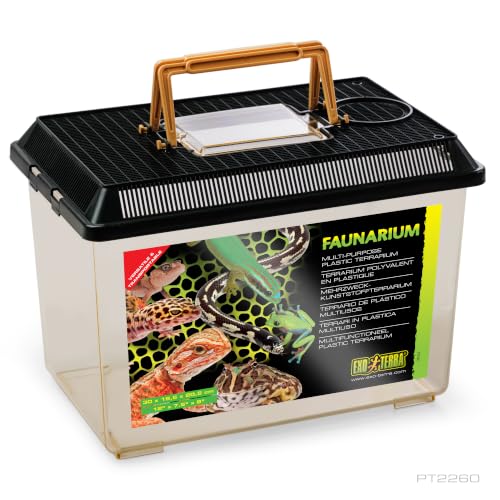
Chameleons are one of the few commonly kept reptiles that genuinely do better in screen cages than in glass terrariums. Originating from forest canopies in Africa and Madagascar, they depend on constant airflow, moderate ambient humidity, and a strong vertical temperature gradient — three things a solid-walled enclosure struggles to provide. This guide explains what published husbandry guidance says about enclosure selection, what specifications actually matter, and what trade-offs you accept with different cage styles. Rather than a ranked list, it is a focused buying guide: one concrete example is linked so you can see what a well-specified aluminum screen cage looks like on the market, and the rest of the article equips you to judge any cage against your chameleon's needs.
For species-level veterinary background, the Association of Reptilian and Amphibian Veterinarians resource library is a good starting point, and the Merck Veterinary Manual's exotic animals section covers chameleon husbandry requirements in clinical detail.
Why Screen Cages Specifically
Chameleons are uniquely sensitive to stagnant air. In glass or acrylic enclosures, warm humid air sits still, and still air is the primary driver of bacterial and fungal growth on the skin and in the upper respiratory tract. Published husbandry guidance consistently recommends full-side ventilation for most common species — veiled chameleons, panther chameleons, and Jackson's chameleons included. Mesh screening on all four sides plus the top allows a slow, constant exchange of air that keeps humidity from saturating the environment while still permitting frequent misting.
Screen also matters for lighting. UVB output degrades with distance and with any obstruction, and fine glass or plastic panels filter out a meaningful share of usable UVB even when marketed as transparent. A screen top lets you mount a UVB fixture directly above the cage with only the mesh between the lamp and the animal, which is exactly how manufacturers of UVB bulbs design their basking-distance guidelines. The mesh does block some output, so you typically position the fixture a few inches closer than you would in an open setup, but the loss is predictable in a way that plastic-panel filtration is not.
The trade-off is real, however. Screen cages hold heat and humidity poorly compared with glass, which matters if you live in a cold or very dry climate. They require more frequent misting, more powerful heating elements positioned carefully outside the mesh, and a room that stays within a reasonable ambient temperature band year-round. If your room regularly drops below about 60 degrees Fahrenheit in winter, you will need a controlled supplemental heat source, and some keepers in that situation build a hybrid enclosure — screen sides with partially enclosed lower sections. For most homes, though, screen wins on health outcomes.
Sizing: The Most Common Mistake
Chameleons are arboreal, which means vertical height counts for more than floor area. A frequently repeated guideline for adult veiled and panther chameleons is a minimum of 24 inches wide by 24 inches deep by 48 inches tall. Smaller cages cause two documented problems: stress from inability to establish a proper thermal gradient, and territorial pacing along the glass or mesh. A cage that is too short forces the animal to choose between its preferred basking spot and its preferred cool retreat, and over time that compromise suppresses feeding and immune function.
Hatchlings and juveniles are a special case. A tiny baby chameleon in a 4-foot-tall cage can struggle to find food, and many experienced keepers raise them in smaller 16-by-16-by-30-inch screen cages for the first few months, then upgrade. If you buy one cage and want it to last, buy the adult size and furnish it densely with plants and branches so a young animal can navigate it safely — the visual complexity helps more than the dimensions hurt, provided feeders are offered in a confined dish or cup the animal can find.
Also measure your room, not just the animal. A 24-by-24-inch footprint plus clearance for a dome lamp and UVB fixture above the mesh means you need roughly 6 feet of vertical clearance and a stable stand rated for a wet enclosure. Cage stands sold separately are often specific to the cage brand, so check compatibility before assuming any stand will do.
Materials and Construction Details
The two materials that dominate the screen cage market are aluminum framing with PVC-coated steel mesh, and various budget combinations using lighter-gauge metals or nylon mesh. Aluminum frame construction resists corrosion from daily misting, which matters more than most buyers expect: a cage misted twice daily in hard-water areas will show mineral deposits and eventual corrosion at joints within a year or two if the frame is untreated steel. PVC-coated mesh is gentler on chameleon feet, which grip the screen constantly; bare galvanized mesh can abrade the specialized scales on their feet over time.
Check how the panels are joined. Better cages use corner braces and machine screws rather than snap-fit plastic connectors, because snap-fit joints loosen with the constant slight flex a tall screen cage experiences, especially once loaded with vines, plants, and a drip system. Look for a floor that can be removed for cleaning or, at minimum, a removable substrate tray. Large front doors that open fully — ideally with both a main door and a smaller accessory door for feeding — reduce the number of times you have to reach over a stressed animal.
The mesh gauge itself matters for two species-specific reasons. First, feeder insects: small fruit flies and first-instar crickets escape through coarse mesh, so breeders raising hatchlings often prefer finer screen. Second, UVB transmission, which is slightly better through larger apertures. Standard PVC-coated screen around 1.5-millimeter aperture is the common compromise and works well for juveniles and adults of the popular species.
One Concrete Example Worth Examining
As a reference point for how the specifications above translate into a real product, you can check the current price on Amazon for an example of the screen terrarium category. Looking at the listing with the checklist from the previous section in hand is a useful exercise: confirm the exact dimensions on the product page, verify the mesh material description, and read the verified owner reviews for reports on assembly difficulty, door alignment, and how the cage has held up after months of misting. Owner reports on screen cages tend to cluster around a few consistent themes — how square the frame sits after assembly, whether the doors latch securely, and whether the floor panel drains — and those themes are more informative than any marketing copy.
This is not a claim that any single product is the universal best choice. Cage sizing depends on your species and its age, your climate, and your furniture layout, and a cage that suits a juvenile panther chameleon in a humid coastal apartment may be wrong for an adult veiled chameleon in a dry, heated house. Treat any product page as a data source and match it against the husbandry guidance cited above.
Setting Up the Interior
A screen cage is only as good as its furnishings. Chameleons need horizontal and diagonal branches at several heights to thermoregulate — vertical vines alone do not let a chameleon adjust its exposure to the basking lamp the way a network of horizontal perches does. Published guidance typically suggests at least two perch diameters, one roughly the width of the animal's body when gripped and one thicker for relaxed resting. Live plants such as pothos, schefflera, and hibiscus serve double duty as cover and as drinking surfaces, since chameleons do not reliably recognize standing water and drink droplets from leaves after misting.
Arrange the interior so the basking zone near the top reaches the species-appropriate temperature — roughly 85 to 95 degrees Fahrenheit for veiled and panther chameleons, cooler for Jackson's — while the lower third of the cage sits in the low 70s. That spread is only achievable in a tall cage with the heat source above the mesh. Position a reliable digital thermometer probe at the basking perch level and another near the floor; do not guess, because both chronic overheating and chronic underheating present with vague symptoms such as lethargy and poor appetite that owners often misattribute to other causes.
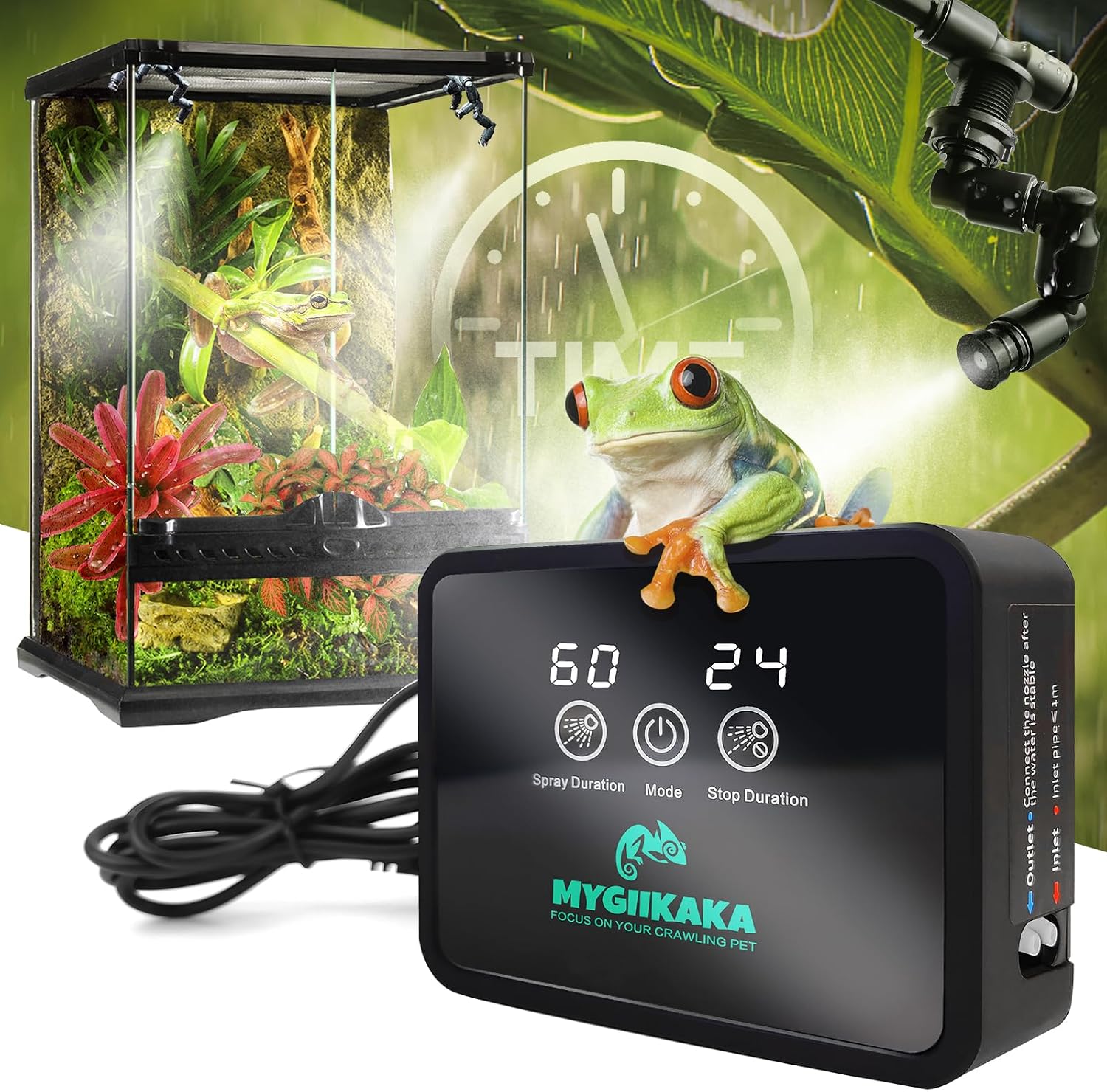
Drainage deserves early planning. Daily misting produces runoff, and screen cages typically have a mesh or PVC floor that passes water through to whatever is underneath. A substrate tray, a drainage layer, or a livestock-grade tub beneath the cage all work; what does not work is a bare floor, which will damage furniture and raise ambient mold risk. If you plan an automatic misting system, plan its reservoir and tubing routing at setup time rather than retrofitting.
Placement, Safety, and Household Hazards
Where the cage sits affects the animal as much as what is in it. Keep screen cages out of direct sunlight passing through windows: a mesh cage in summer sun can overheat quickly, and chameleons cannot cool themselves effectively once ambient temperature exceeds their tolerance. Avoid high-traffic hallways and rooms with loud televisions; chameleons are visually oriented ambush hunters that stress easily in the presence of constant movement and noise. A quiet room with a stable daytime temperature and a consistent day-night light cycle is ideal.
Household toxicity is a documented risk for reptiles kept in living spaces. If your chameleon free-roams on a supervised plant or during cleaning, be aware that many common houseplants and cleaning residues are hazardous; the ASPCA Animal Poison Control center maintains reference material on toxic plants, and reptile-safety practice extends the same caution to aerosol sprays, scented candles, and non-stick cookware fumes, all of which can irritate a chameleon's respiratory tract through open mesh. Never clean the cage with bleach solutions that have not been fully rinsed and dried, and quarantine any new live plants by rinsing roots and repotting in organic soil free of systemic pesticides.
Escape prevention is the other safety axis. Chameleons are deliberate escape artists that learn door routines. Check that door latches actually hold under a pushed branch, and that any gap at the frame corners is smaller than the animal's head. A lost chameleon in a dry house dehydrates within a day or two, so a secure cage is a genuine welfare issue, not an inconvenience.
Maintenance and Long-Term Care of the Cage Itself
Maintaining a screen cage is mostly about managing moisture and mineral buildup. Wipe the mesh periodically with a damp cloth to remove dust and hard-water spots, which left alone will eventually clog the screen apertures and reduce airflow and UVB transmission. Deep clean every few months by relocating the animal to a temporary enclosure, removing furnishings, and washing the frame with a reptile-safe disinfectant followed by thorough rinsing and complete drying. Never use phenol-based or pine-scented cleaners; veterinary guidance on reptile disinfection favors dilute chlorhexidine or specifically labeled reptile products.
Inspect the frame hardware twice a year. Screws loosen, corner braces corrode in hard-water areas, and mesh can pull away from its channel at stress points near the doors. These are repairable if caught early — most manufacturers sell replacement panels — but a mesh gap discovered after an escape is an expensive lesson. Check the floor tray and drainage path at the same time, since standing water in a tray breeds bacteria and mosquitoes in warm months.
Budget for consumables beyond the cage. UVB bulbs need replacement on the manufacturer's stated schedule — usually every 6 to 12 months — because output drops below useful levels before the visible light does. Misting nozzles clog, drip systems need cleaning, and live plants occasionally fail and need replacing. The cage is the largest single purchase in a chameleon setup but far from the last.
What Has Changed in the Screen Cage Market for 2026
Extruded aluminum framing has reached price points that used to be reserved for steel-frame budget cages. The visible result on the market is that mid-range cages now ship with machine-screwed corner braces and properly channeled mesh rather than the snap-fit plastic connectors that loosened within a year or two of daily misting. The check at purchase time has not changed, but the price at which it passes has: still confirm that joints are screwed rather than snapped, that the frame is aluminum rather than coated steel, and that the mesh sits in a channel rather than being stapled to the frame edge.
Mesh aperture labeling has become more common and more honest. The standard compromise around 1.5 millimeters remains the right default for juveniles and adults of the popular species, but finer-mesh options are now marketed specifically for feeder retention, which is genuinely useful for keepers raising hatchlings on fruit flies and first-instar crickets. The trade-off to remember is UVB transmission: finer mesh blocks slightly more usable output, so a finer-screen cage needs the UVB fixture positioned a little closer, verified with a meter or the manufacturer's distance guidance rather than eyeballed.
Integrated drainage has moved from accessory to expectation. More cages now include a molded floor tray or a sloped drain base designed to route misting runoff into a removable collection bin, which spares keepers the improvised tub-under-the-cage arrangement that worked but looked terrible and bred mosquitoes in warm months. Automatic misting integration has followed the same path, with several manufacturers adding pre-drilled nozzle ports and routing channels so tubing no longer has to cross the door opening.
Two cautions have aged well. The used market for tall screen cages is active, and corrosion at the lower joints is the single most common defect on secondhand units, usually from years of hard-water misting, so inspect the bottom third of any used cage before buying. And replacement part availability has become the best durability signal a listing offers: a manufacturer that stocks spare mesh panels, door latches, and floor trays is telling you the cage is expected to stay in service long enough to need them, which is a more honest warranty than any printed promise.
Common Mistakes New Chameleon Keepers Make
The first and most consequential mistake is buying a glass terrarium because it looks better in the living room. Respiratory infections linked to stagnant humid air are among the most common medical complaints in captive chameleons, and enclosure airflow is usually the root cause. The second is undersizing: a 6-month-old chameleon looks tiny in an adult cage, and buyers rationalize a smaller purchase, then face a costly upgrade within a season. The third is placing the cage on the floor, where temperatures are coldest and household traffic is most stressful; elevation to at least table height matches the canopy instincts of an arboreal lizard.
Feeder escape through coarse mesh, unhinged doors propped with whatever is handy, and heat lamps clamped directly onto screen rather than hung above it are all recurring failures reported in owner communities. A lamp resting on mesh can melt the PVC coating or, worse, ignite dry leaf litter. Use a proper lamp stand or a fixture designed to sit above the enclosure. Finally, many new keepers skip the drainage plan entirely and discover the problem as water damage. Every one of these mistakes is cheap to avoid at purchase time and expensive to fix afterward.
Frequently Asked Questions
How big should a chameleon cage be?
For an adult veiled or panther chameleon, aim for at least 24 by 24 by 48 inches, with height prioritized over footprint. Jackson's chameleons and smaller species can do well in slightly smaller enclosures, roughly 18 by 18 by 36 inches as a floor. Hatchlings are an exception and are often raised in smaller screen cages so they can locate food easily, then moved to the adult enclosure within a few months.
Can I keep two chameleons in one cage?
No. Chameleons are solitary and highly territorial, and even two females housed together will display chronic stress that suppresses appetite and immune function. Co-habitation attempts frequently end with bite injuries. Each animal needs its own enclosure with visual separation from the other.
How do I clean a screen cage without damaging the mesh?
Use a soft cloth or brush with warm water and a reptile-safe disinfectant, working gently so you do not stretch the mesh or dislodge it from its channel. Avoid abrasive scrubbers and pressure washing. Rinse thoroughly and let the cage dry completely before returning the animal, since residual disinfectant fumes irritate chameleon respiratory tracts.
Do screen cages work in dry climates?
They can, with adjustments. In dry climates you will mist more often or run an automatic misting system, and you may need to partially cover one or two sides with a plastic panel to slow moisture loss — never fully enclose the cage, since airflow remains non-negotiable. Monitor ambient humidity with a hygrometer placed mid-cage rather than guessing.
How long does a good screen cage last?
With proper care, an aluminum-frame screen cage commonly lasts many years; owner reports frequently describe cages in service for a decade with occasional panel or door-latch replacement. Cheap cages with untreated steel frames or snap-together plastic corners often show corrosion and joint failure within one to two years of daily misting, which is the main reason the budget end of the market is a false economy for this category.
What to Check Before You Buy
Run any candidate cage through a short checklist. Confirm the dimensions from the manufacturer's published specifications, not the listing title. Confirm the frame material and mesh type from the product description. Read the most recent verified reviews specifically for reports on assembly, door security, and long-term corrosion. Verify whether a stand and substrate tray are included or sold separately, since those additions can shift total cost meaningfully. Check the return policy on the retailer page before ordering, and keep the packaging until the cage is assembled and you are confident the doors and panels sit square.
If you want to compare a real listing against this checklist, you can open the example linked earlier and read through its specifications and owner reviews with the criteria above in mind. The goal is not to buy the most expensive cage but to buy the cage whose dimensions, airflow, and construction match the animal you actually keep.
A Note on Species Differences
Veiled chameleons are the most forgiving starter species, tolerate the widest temperature band, and grow large enough that a full-size adult cage is mandatory. Panther chameleons have similar housing requirements but need slightly higher ambient humidity and benefit from denser planting. Jackson's chameleons prefer cooler conditions — basking spots in the low 80s rather than the 90s — and are more sensitive to summer heat, which can influence cage placement away from warm walls and windows. If you keep a less common species, consult species-specific guidance through the ARAV resources linked above or an exotic-animal veterinarian before finalizing your enclosure, since a cage that is perfect for a veiled chameleon may be too warm for a montane species.
Wrapping Up
A screen cage is the single most consequential purchase in chameleon keeping, because it sets the boundaries of airflow, temperature gradient, humidity behavior, and lighting delivery for everything else in the setup. Buy for the adult size of the animal, favor aluminum framing and PVC-coated mesh, plan drainage and lamp mounting before assembly, and verify dimensions and construction from manufacturer specifications and verified owner reports rather than marketing claims. Done correctly, the cage outlives the consumables many times over and gives an arboreal lizard the vertical, ventilated world it evolved for. For further reading on veterinary husbandry standards, the ARAV and Merck Veterinary Manual links above are the references keepers return to most.
Disclosure: This article contains affiliate links. If you make a purchase through these links, we may earn a commission at no extra cost to you. This helps support PawCritic and allows us to continue providing free, unbiased pet product reviews. Thank you for your support!
Related Reading
automatic reptile misting systems, reptile thermostats and temperature control, and reptile substrate and terrarium bedding.