Chinchilla Dust Baths: A Complete Buying Guide to Grooming Essentials
A dust bath is not an optional luxury for a chinchilla — it is a physiological necessity. Chinchillas evolved in the arid slopes of the Andes, where their extremely dense fur (often cited as one of the densest coats of any land mammal, with dozens of hairs growing from a single follicle) stays healthy through volcanic dust and fine sand rather than water. Water bathing is genuinely dangerous for this species: a wet chinchilla can take many hours to dry, and prolonged dampness near the skin invites fungal growth and chilling. Dust bathing performs the grooming role that water does for most other mammals, wicking away oils, moisture, and loose debris from the coat. This guide explains what matters when choosing dust and a bath container, how the process works, and what veterinary guidance says about frequency, duration, and safety. Because PawCritic does not perform hands-on product testing, every recommendation here is grounded in published husbandry guidance, manufacturer specifications, and verified owner reports rather than lab measurements.
chinchilla dust bath grooming essentials
Why Dust Bathing Matters More Than Most Owners Realize
New chinchilla owners are frequently surprised by how central dust bathing is to their pet's welfare. The behavior is not merely cosmetic. In the wild and in captivity alike, chinchillas that are denied regular access to dust develop greasy, matted fur, and the trapped moisture and oils can contribute to skin problems over time. The act of bathing also appears to be strongly self-rewarding: most chinchillas will flip, roll, and spin enthusiastically in a dust bath, and many keepers report it doubles as exercise and enrichment. According to the Merck Veterinary Manual's exotic and laboratory animal husbandry chapters, chinchillas should be provided dust baths on a regular schedule, typically several times per week for around ten to fifteen minutes per session, with the bath removed afterward. Leaving a permanent dust bath in the cage is a common mistake that leads to over-bathing, eye and respiratory irritation from airborne particles, and a bath container that doubles as a litter box.
The timing detail matters more than it sounds. A dust bath left in the cage all day becomes a toilet, and soiled dust reintroduces bacteria and ammonia to the very fur the bath was meant to clean. A fixed session — bath goes in, chinchilla rolls, bath comes out after ten to twenty minutes — keeps the dust clean, limits particulate exposure, and turns the bath into a predictable enrichment event. Owners in humid climates should lean toward shorter and more frequent sessions, because humidity causes dust to clump and lose its absorbing capacity quickly. In dry climates, the same batch of dust may stay effective for several sessions before it needs replacing.
Dust Versus Sand: The Single Most Important Choice
Not everything sold as a bathing medium for small pets is appropriate for chinchillas, and the distinction is genuinely consequential. Genuine chinchilla dust is a fine, pumice-based powder — often sourced from volcanic ash or processed pumice — milled to a particle size fine enough to penetrate the dense undercoat and absorb sebum. Play sand from a hardware store, by contrast, is far too coarse and gritty to work through the fur, and it is frequently dyed or treated with chemicals you would never want near an animal that grooms by rolling in it. Similarly, calcium-based sands marketed for birds or reptiles, and scented or colored bathing products of any kind, should be avoided. If a product lists fragrance, dye, or chemical additives on the label, it is disqualifying.
The trade-off within legitimate products is between fine dust and slightly coarser volcanic sand blends. Ultra-fine pumice dust does the best job on the coat but produces noticeable airborne particulate, which matters if a household member has asthma or if the cage sits in a small, poorly ventilated room. Coarser chinchilla sand or chinchilla bath sand generates less dust in the air but may not clean a very oily coat as thoroughly. Many experienced keepers compromise by using a fine pumice dust in a covered bath house, which contains most of the airborne cloud, and running an air purifier nearby during and after sessions. Whatever you buy, verify on the manufacturer's label that the product is specifically labeled for chinchillas and lists pumice or volcanic ash as the primary ingredient.
Choosing a Bath House or Container
The container is where most buying mistakes happen, and the fix is usually understanding size and material trade-offs rather than spending more money. A chinchilla needs enough room to flip completely over — a full somersault is the signature bathing motion — so a usable bath house offers roughly interior dimensions of at least 12 by 10 inches with several inches of headroom for an adult animal. Taller enclosed houses contain flying dust far better than open tubs, which is the main reason enclosed plastic or ceramic bath houses are popular. The classic budget approach is a large glass fish bowl or a deep glass baking dish; glass is chew-proof, easy to wash, transparent enough to watch the show, and heavy enough not to tip. Plastic enclosed houses are lighter and cheaper but chinchillas are prolific chewers, and a determined animal can gnaw plastic edges over time, so plastic should be inspected regularly for damage.
Ceramic and heavy stoneware bath houses solve the chewing problem entirely and resist tipping, at the cost of weight and price. Wooden bath houses are generally a poor choice as a permanent fixture because dust works into the grain, urine soaks in, and wood cannot be sanitized properly — wood is better reserved for chew items than for bathing equipment. Whatever the material, look for a wide, stable base and an entry opening large enough that the animal does not have to squeeze, and check verified owner reviews for two specific complaints: containers that tip when a chinchilla pushes off the wall mid-roll, and lids or doors that trap dust in a way that makes refilling messy.
A Concrete Example to Look At
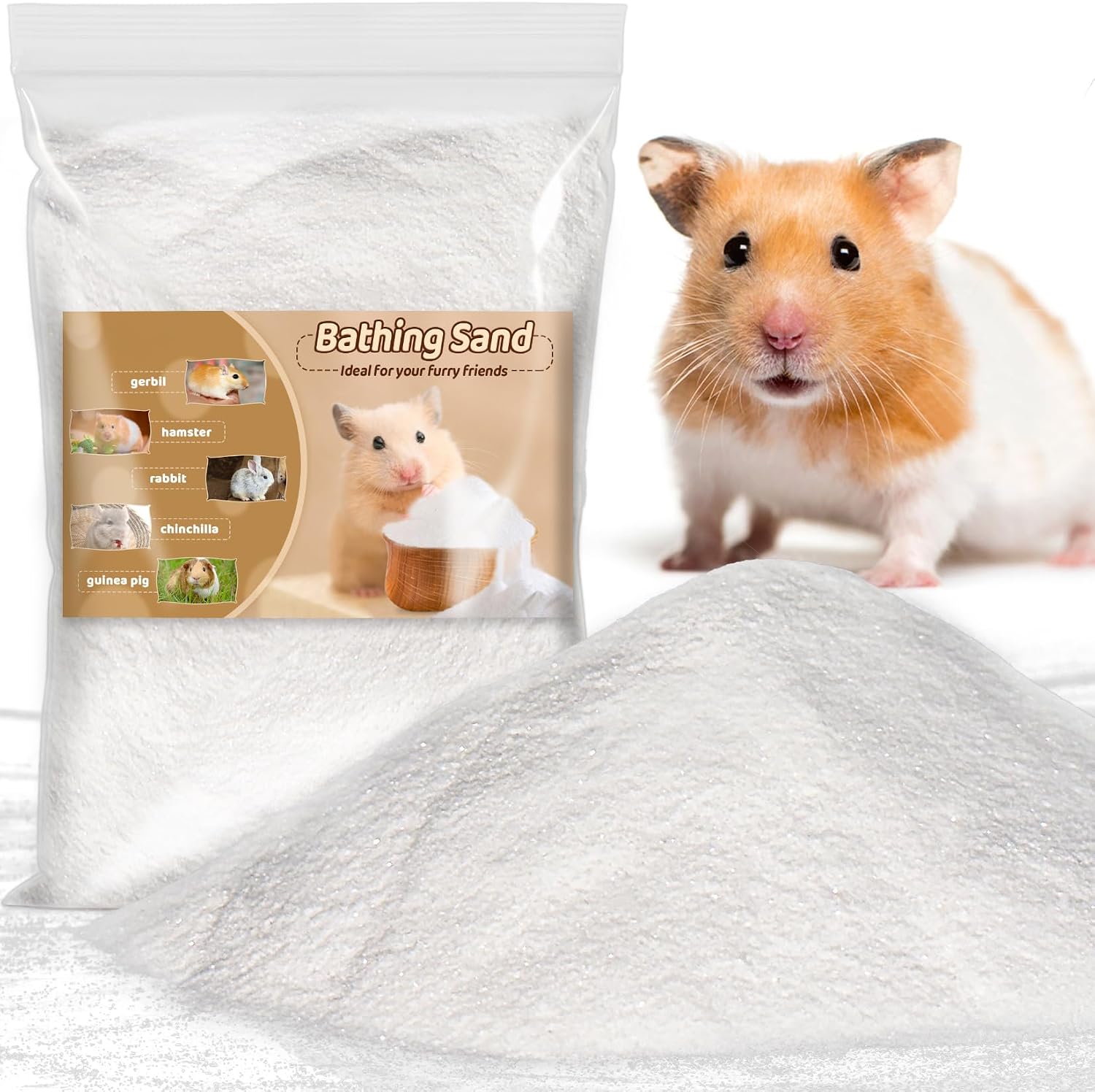
Because the marketplace is dominated by a handful of recurring formats — fine pumice dust, enclosed plastic houses, and ceramic houses — it helps to look at one actual listing to see how these characteristics appear in a real product description. One widely stocked option that combines a dust bathing setup for small pets is available on Amazon, where you can inspect the listed ingredients, dimensions, and verified buyer photos before deciding: check the current price on Amazon. When you open the page, do the things this guide recommends regardless of brand: confirm the bathing medium is pumice or volcanic ash with no fragrance or dye, confirm the container's interior dimensions exceed the minimum flip room for your animal, and read the most recent verified reviews for reports of tipping, chewing damage, or dust that arrives clumped from humidity in storage. A listing that answers all four questions cleanly is doing what a chinchilla dust bath product should do.
Safety Considerations the Listings Won't Emphasize
Safety in dust bathing is mostly about exposure control and observation. Respiratory and eye irritation are the documented risks of over-bathing or of using overly dusty products in unventilated rooms, which is why the published guidance on session length — around ten to fifteen minutes, several times weekly — exists. If your chinchilla's eyes seem watery or it sneezes after sessions, shorten the duration, switch to a slightly coarser blend, or move the bath to a better-ventilated spot. Never bathe a chinchilla in water unless a veterinarian explicitly instructs you to for a medical reason, and never use medicated or flea powders in place of dust. If your animal develops bald patches, persistent scratching, or flaking skin, that is a veterinary issue, not a grooming-schedule issue; the Association of Exotic Mammal Veterinarians maintains a directory of veterinarians experienced with chinchillas and other exotic species, and skin conditions in this species are worth an exotic-animal professional rather than a general practice guess.
Two further cautions come up repeatedly in owner communities. First, discard any dust that has been urinated in or that smells of ammonia — sifting visible droppings out is fine, but contaminated dust should be replaced, not salvaged. Second, keep the dust supply itself stored in a sealed container in a dry location, because pumice dust absorbs ambient moisture and clumps, which ruins its absorbing performance in the bath. Buying dust in very large bulk quantities is a false economy in humid climates for exactly this reason.
Common Mistakes and How to Avoid Them
The first mistake is the permanent bath house, already covered above: it produces over-bathing, soiled dust, and irritated eyes. The second is the wrong medium — play sand, corn cob bedding, or scented small-animal powders — which either fails to clean the coat or introduces irritants. The third is using too little dust; the bath needs a depth of one to two inches so the chinchilla can actually roll and throw dust through the coat rather than sliding around on a thin sprinkle. The fourth is ignoring humidity: in summer or in damp homes, increase frequency and shorten sessions rather than leaving one long bath. The fifth is housing two chinchillas with one bath simultaneously — squabbles over the bath are common, and separate sessions or two containers are the usual fix. The sixth is giving a bath to a wet or damp chinchilla or immediately after water-based cleaning, which cakes dust into the fur. Each of these is easy to avoid once the underlying logic of the bath — dry, fine, brief, and clean — is understood.
Costs, Replacement Schedules, and Value
Budgeting for dust bathing is straightforward. Bathing dust is a consumable: a typical chinchilla goes through roughly a pound of dust every few weeks to a couple of months depending on session frequency, discard habits, and climate. Containers last years if chosen well — glass and ceramic essentially indefinitely, plastic until chewing or cracking ends its life. When comparing prices, compare cost per pound or kilogram of dust rather than per package, and treat the container as a one-time purchase where spending more on ceramic or heavy glass genuinely buys durability. Cheap containers that tip create a mess and can startle or injure an animal mid-roll, which is a poor saving. If you want to see how a combined dust-and-house listing is priced relative to buying components separately, view this option on Amazon and price the same components a la carte before committing.
Maintenance and Cleaning
A dust bath setup is low-maintenance but not zero-maintenance. Between sessions, sift droppings and debris out of the dust with a fine mesh strainer kept for this purpose only, and perform a sniff test for ammonia. Replace the dust entirely every one to three weeks depending on use, or immediately if it is soiled. Wash the container weekly with hot water and a mild, pet-safe soap — no bleach residue, no fragranced cleaners — and dry it completely before refilling, since residual moisture clumps the fresh dust. Plastic containers with chew marks should be retired once damage creates sharp edges or cracks that trap grime. Keeping a dedicated scoop and strainer with the dust supply makes the routine quick enough that it actually gets followed, which is the difference between a grooming ritual that works and one that quietly lapses.
Frequently Asked Questions
How often should a chinchilla take a dust bath?
Published husbandry guidance generally recommends two to four sessions per week, each lasting roughly ten to fifteen minutes, with the bath removed after the session. In humid environments, shorter and slightly more frequent sessions work better; in dry climates, fewer sessions may suffice. Daily access is generally considered excessive and risks eye and respiratory irritation.
Can I leave the dust bath in the cage all the time?
No. A permanent bath becomes a latrine, the soiled dust reintroduces bacteria to the coat, and continuous rolling in fine particulate can irritate eyes and airways. Treat the bath as a supervised, time-limited enrichment event.
Is chinchilla dust safe for other pets or children in the room?
The dust is a fine pumice particulate, so households with asthma sufferers may notice irritation during sessions. Using an enclosed bath house, bathing in a ventilated area, and running an air purifier nearby reduces airborne dust substantially. General pet-safety questions about products and household substances are well covered by the ASPCA pet care library, which includes the Animal Poison Control resources.
My chinchilla won't use the dust bath. What should I do?
Try a deeper layer of dust, a more enclosed container, or a different session time — many chinchillas prefer bathing in the evening since they are crepuscular. Very young or newly adopted animals may take a couple of weeks to adopt the behavior. If a previously enthusiastic bather stops bathing entirely, consult an exotic-animal veterinarian, since lethargy and coat neglect can signal illness.
Can I reuse dust between sessions?
Yes, provided it is sifted, dry, and odor-free. Discard dust that has been urinated in, smells of ammonia, or has clumped, and replace the full supply every one to three weeks of regular use.
What about shipping and returns?
Products sold through Amazon typically carry a 30-day return window, though policies vary by seller and manufacturer. Check the return terms on the listing before purchasing, and keep original packaging until you are confident the setup suits your animal.
chinchilla dust bath grooming essentials
The Short Version
Buy fine pumice-based dust labeled for chinchillas with no additives, put one to two inches of it in a stable, chew-resistant container large enough for a full flip, offer it two to four times a week for ten to fifteen minutes, and remove it afterward. Glass and ceramic containers last longest; enclosed houses control dust clouds; scented products, play sand, and permanent baths are the recurring mistakes. If you want to compare a concrete listing against these criteria, check the current price on Amazon and apply the checklist above, or view this option on Amazon alongside component-by-component alternatives before deciding. A correct dust bath routine costs little, lasts years, and addresses one of the few genuinely non-negotiable grooming needs of this species.
Disclosure: This article contains affiliate links. If you make a purchase through these links, we may earn a commission at no extra cost to you. Thank you for supporting PawCritic!