Rat Cages and Social Spaces: A Practical Buying Guide for Pet Rat Owners
Pet rats are among the most social of all small animals kept in homes, and the cage you choose shapes nearly every part of their daily life. Unlike solitary hamsters or territorially aggressive gerbils, fancy rats are colonial animals that live in structured groups in the wild and genuinely suffer when isolated. Veterinary guidance on rodents, including the material collected by the Merck Veterinary Manual's exotic and laboratory animals section, consistently emphasizes that housing for rats must account for social structure, climbing behavior, and the animals' strong drive to explore. A well-chosen cage is not just a container; it is the architectural foundation of your rats' physical and psychological health.
This guide walks through what actually matters when selecting a rat cage in 2026: enclosure size, bar spacing, materials, ventilation, floor design, and the social furnishings that turn a box of wire into a habitat. Because cages are a category with hundreds of options, PawCritic does not test products hands-on. Instead, this article draws on published veterinary guidance, manufacturer specifications, and aggregated verified owner reports to help you evaluate any cage you are considering, including the single example model we reference below as a concrete starting point.
Why Social Housing Changes Everything About Cage Selection
The first and most important principle: rats should almost never be housed alone. The Association of Exotic Mammal Veterinarians and other exotic-animal welfare bodies stress that rats are highly social mammals whose behavioral wellbeing depends on companionship of their own kind. A lone rat kept in even a spacious cage will frequently develop stereotypic behaviors, chronic barbering of its own fur, lethargy, or unexplained aggression toward handlers. This means your cage purchase is really a purchase for at least two animals, usually same-sex pairs or small neutered mixed groups, and every sizing decision downstream should assume a multi-rat household.
Group housing raises the bar for space in a way that single-pet guidelines underestimate. Two rats sharing a small cage compete for the best hammock, the warmest corner, and the highest platform, and subordinate animals can end up effectively cornered. In practice, verified owner communities consistently report that cages which seemed adequate for a pair feel cramped once you add hammocks, ropes, a wheel, a hideout, a dig box, and a food area. Experienced keepers describe a useful heuristic: whatever floor area the manufacturer claims suits two rats, treat it as the floor area for the cage's accessories, and let the rats live in the vertical space above it.
Social behavior also influences cage geometry. Rats establish loose hierarchies, and a cage with multiple visual barriers, separate sleeping shelters, and more than one route between levels lets lower-ranking animals avoid constant confrontation. A tall, open cage with a single ladder forces every interaction; a cage with ramps, ropes, and staggered platforms lets each animal choose proximity or distance. When comparing cages, look at the interior photos in owner reviews rather than the manufacturer's line drawing, because real setups reveal how much usable volume survives once furnished.
Minimum Size and the Vertical Dimension
Published welfare guidance for pet rats generally points toward a multi-level enclosure rather than a long aquarium-style tub. Rats are enthusiastic climbers, and height matters nearly as much as footprint. A commonly cited floor guideline among rat-focused welfare organizations is at least two square feet of floor space per rat, with a cage height that allows full climbing, but most experienced keepers and rescue organizations treat those figures as bare minimums and recommend substantially more. The practical takeaway: for a pair of adult male rats, which are larger and lazier than females, aim for something in the range of a tall, multi-level cage with roughly 30 inches by 18 inches of footprint or more; for active female pairs or trios, prioritize height and platform count.
Vertical space is only valuable if it is usable. A six-foot-tall cage with two shelves delivers less enrichment than a four-foot cage with five staggered levels, ropes, and hammocks at varied heights. When you read a product listing, check how many full and half levels are included, whether the shelving is repositionable, and how the ramps attach. Manufacturer specifications will state interior height between platforms; owner reviews will tell you whether an adult rat can comfortably turn around on each shelf or whether the levels are decorative afterthoughts. Deep base trays, typically four to eight inches, are also worth prioritizing because they hold substrate for digging and burrowing, a natural behavior that flat trays eliminate.
Aquariums and plastic tub-style habitats deserve a specific warning. Glass enclosures restrict airflow, and ammonia from urine accumulates quickly in stagnant air, which is a documented respiratory irritant for rats, a species already prone to respiratory disease. Wire cages with open sides provide the ventilation rats need. The trade-off of wire is draft exposure, so place the cage away from windows, exterior doors, and air-conditioning vents rather than choosing a sealed enclosure.
Bar Spacing: The Specification That Determines Escape
Bar spacing is the single most consequential number on a rat cage spec sheet. Adult female rats and especially juvenile rats can slip through surprisingly narrow gaps. The widely accepted standard among rat keepers and small-animal veterinarians is bar spacing of half an inch or less for adult rats, and closer to a quarter to three-eighths of an inch if you plan to house babies or very small females. Cages marketed for ferrets, chinchillas, or rabbits commonly use one-inch or wider spacing, which is an invitation for a rat to escape or, worse, to get halfway through and become stuck.
Check the listed spacing on the product page before anything else, and treat unlisted spacing as a red flag. Verified owner reviews frequently mention whether kittens or small females escaped a given model, which is information no manufacturer listing will volunteer. Also look at the wire orientation: horizontal bars on the side walls allow climbing, which adds exercise and enrichment, while purely vertical bars can leave agile young rats struggling. Horizontal wire does carry a small trade-off, since it can rub fur thin on heavy males that lean against the walls, but most owners find the climbing benefit outweighs this cosmetic issue.
Materials and Construction Quality
Rats chew, and any cage must be built from materials that tolerate constant gnawing without exposing fasteners or plastic edges. Powder-coated steel wire over a metal or heavy-duty plastic base is the standard construction for good reason: the coating prevents rust, resists urine damage, and can be wiped clean. Cheaper cages often use thin plastic trays that develop chewed corners within months; owner reviews are full of reports of base trays destroyed by determined rats, and replacement trays are not always available. Metal pans, while noisier and colder underfoot, tend to outlast plastic.
Examine the door design in product photos. Large front doors that open the full height of the cage make cleaning, furniture rearranging, and catching a reluctant rat far easier than small access hatches. Some cages also offer top-opening panels, which many rats prefer for step-up handling. Door latches should be positive-locking metal or sturdy spring clips; simple friction-fit doors are a common escape route according to owner reports. Pay attention to how shelves attach as well: bolt-through fittings with smooth interior surfaces are safer than exposed wing nuts or plastic clips that rats can dislodge and swallow pieces of.
Avoid galvanized wire that is not powder coated. Bare galvanizing absorbs urine over time, develops a persistent odor that no amount of cleaning removes, and eventually corrodes. Stainless steel components and coated wire cost more but represent the difference between a cage lasting two years and lasting ten.
Flooring, Substrate, and Foot Health
Wire shelf and wire ramp surfaces are a long-standing welfare concern. Rats spending most of their time on narrow wire can develop a condition called bumblefoot, a painful inflammation of the hocks formally known as pododermatitis. The standard mitigation described in exotic-pet veterinary literature is to cover wire surfaces with solid shelf liners, fleece, cardboard, or ceramic tiles, leaving some mesh for ventilation and grip. When comparing cages, check whether full levels are solid plastic or wire, and factor in the cost and laundering effort of fleece liners for any wire surfaces. Full solid floors, by contrast, are easy to wipe but can trap moisture under substrate if the pan is shallow, so depth matters here too.
Substrate choice interacts with cage design. A deep base filled with paper-based bedding supports burrowing and absorbs urine well; fleece-lined solid pans are cheaper per month once you own the liners but require frequent washing to stay hygienic. Cedar and pine shavings containing aromatic oils are widely discouraged for rats because of respiratory risk; if you have any doubt about what is safe to put inside a cage, the ASPCA Animal Poison Control resource is a sensible place to check before introducing unfamiliar materials, cleaners, or plants near your pets' enclosure.
Turning a Cage Into a Social Space
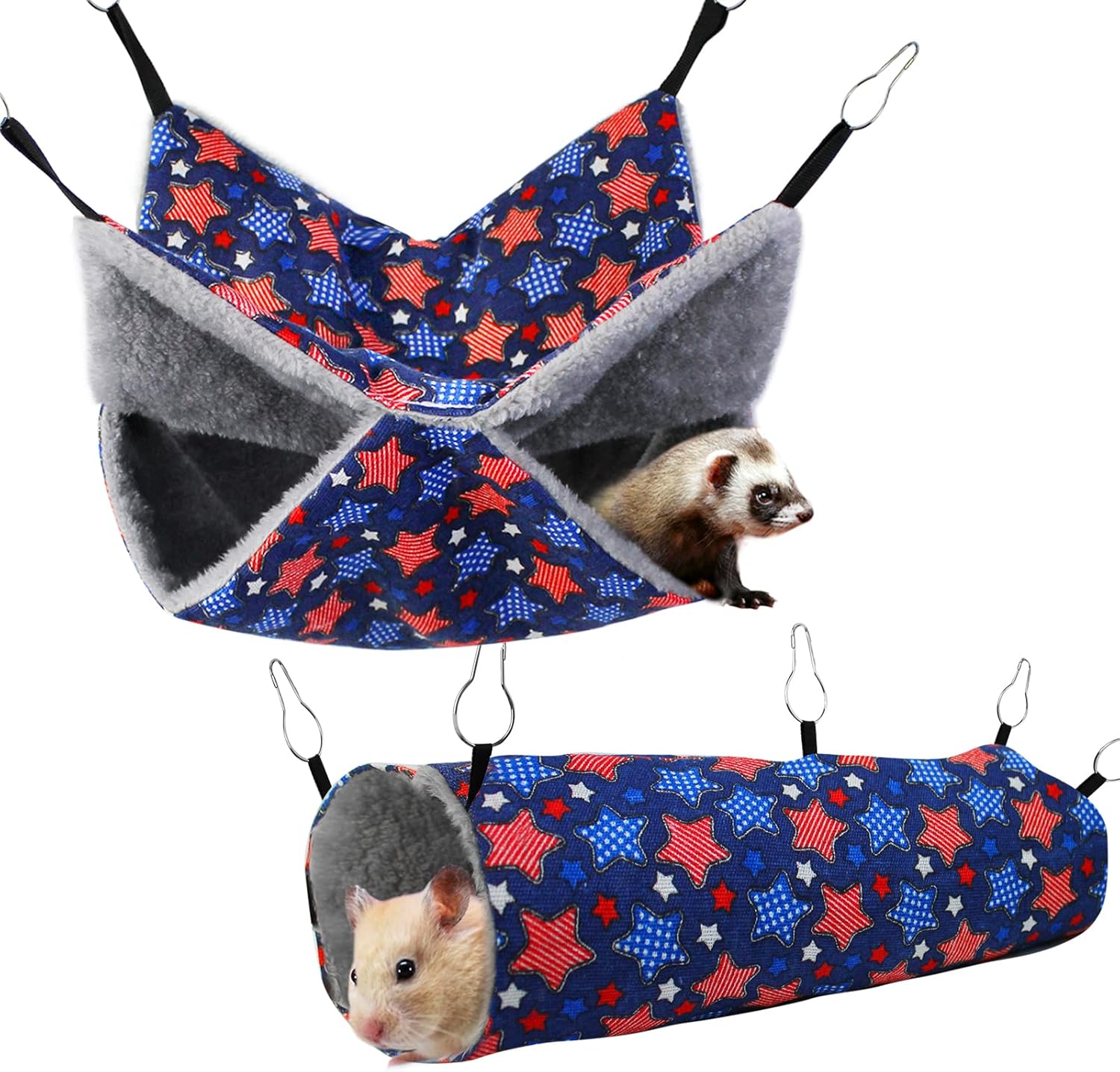
The cage is the frame; the social environment is what fills it. Rats in furnished cages show more natural behavior, better muscle tone, and less feather-barbering-equivalent fur chewing than rats in empty multi-level enclosures. Budget for furnishing as seriously as for the cage itself. Hammocks are the classic rat furniture, and most rats will pile into them as a group, which itself is social enrichment. Fabric tunnels serve the same purpose with more structure; a cage-mounted ferret and rat hammock tunnel gives a subordinate rat an enclosed retreat without cluttering the floor the group runs across. Fabric hammocks need weekly washing and eventual replacement as they are chewed; parrot-cage style woven seagrass or willow items provide chewable variety but shed debris.
Consider the social geography of your additions. Provide at least one more enclosed shelter than you have rats, so no animal is forced to share a hideout when it wants solitude. Multiple water sources, ideally glass bottles with stainless steel sipper tubes mounted at different heights, prevent a dominant rat from controlling the only drinking station. An appropriately sized exercise wheel, generally described as at least 12 inches in diameter for adult rats to prevent tail and spine curvature, suits females far more than sedate males. Chew items such as untreated hardwood blocks belong in every cage since rat incisors grow continuously and need wearing; avoid plastic chew toys that splinter into ingestible fragments.
Rearranging the furniture periodically is free enrichment. Verified owners consistently report that even swapping hammock positions monthly prompts renewed exploration. The cage's open floor plan should leave clear running lanes, because rats play chase games with each other and a cluttered ground level suppresses that behavior.
A Concrete Example to Compare Against
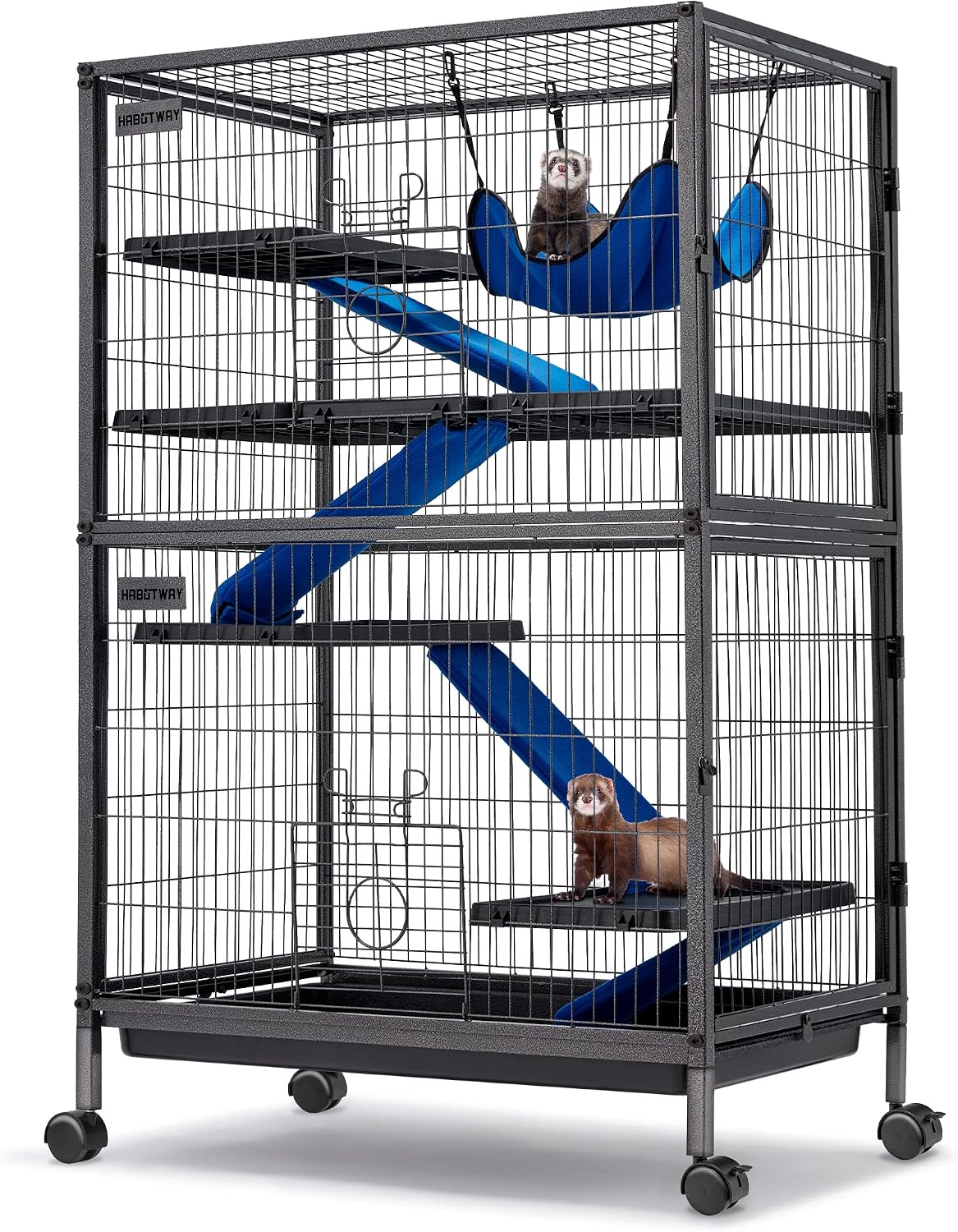
Because this guide focuses on the category rather than a ranked list, one example helps anchor the specifications discussed above. One mid-range multi-level wire cage currently listed on Amazon, which you can inspect directly if you check the current price on Amazon, illustrates the general format buyers encounter: coated wire construction, a deep base pan, and multiple levels connected by ramps. Verified purchaser reports on listings like this one are worth reading closely for exactly the traits discussed earlier, namely real-world bar spacing for small females, whether the included ramps are wire or solid, and how the base tray holds up to chewing over months of ownership.
The honest trade-off with mid-priced cages in this format is usually shelving and doors: the included levels are often wire rather than solid, meaning you should plan on liners or cardboard coverage, and door openings can be narrower than ideal for rearranging hammocks with a sleeping rat aboard. Against that, coated wire with open sides provides the ventilation rats require, and modular shelves let you tailor the vertical layout to your group's climbing ability. Whether a specific model suits you depends on your rats' size and age; if you are bringing home juveniles, verify the bar spacing figure on the listing against the half-inch standard before ordering, or open the listing and compare its specification table dimension by dimension.
Cleaning and Maintenance Requirements
Cage maintenance is a weekly reality, and design choices determine whether it takes twenty minutes or an hour. Cages with removable base pans that slide out without disassembling the wire structure are dramatically easier to service than models where the pan is bolted in. Full-height front doors allow you to lift out soiled hammocks and wipe shelves in place. Check whether shelves and ramps are removable for scrubbing; fixed wire shelting accumulates grime at the attachment points that is genuinely difficult to reach.
For cleaning products, plain warm water and mild unscented dish soap handle most surfaces, with a dilute vinegar solution useful for mineral deposits on bottles and urine scale on pans. Avoid phenol-based cleaners and strong disinfectants unless fully rinsed and dried, since residues and fumes aggravate rat airways. Establish a rhythm of daily spot cleaning of the toilet corner, since rats tend to designate one area, weekly full substrate changes and hammock laundering, and monthly deep cleaning of the wire frame. Owners who skip the weekly cycle typically report odor problems within days, which is the ammonia buildup described earlier making itself known rather than any defect in the cage.
Inspection belongs in the same routine. Check for chewed shelf edges, loose bolts, stretched springs on door latches, and rust spots at weld points where urine collects. A cage that fails structurally should be replaced rather than patched with tape or zip ties in reachable areas, because rats will find and chew any repair material within reach.
Common Mistakes Buyers Make
The most frequent mistake, reported repeatedly in rat-owner communities and rescue intake notes, is buying a cage sized for hamsters. Small plastic habitats marketed for rodents are entirely unsuitable for rats: too small, too poorly ventilated, and quickly chewed through. The second most common mistake is ignoring bar spacing and discovering that a young female spends her nights exploring the bedroom. Third is choosing a cage for its appearance rather than its door layout and cleaning access, which leads to skipped cleanings and degraded hygiene over time.
Other recurring errors include housing a single rat to make things simpler, which contradicts the social needs described throughout this guide; placing the cage in a busy hallway or a silent unused room, when rats do best in a moderate-traffic area where they can observe household life; and furnishing with cedar shavings or scented bedding marketed for other species. Finally, many buyers forget to budget for accessories. A cage purchased bare stays bare for months unless hammocks, hides, and chew items are part of the original plan.
Frequently Asked Questions
How large should a rat cage be for two rats?
Treat published minimums of around two square feet of floor space per rat as an absolute floor, not a target. A tall multi-level cage with a footprint of roughly 30 by 18 inches or larger suits most pairs, with more space needed for groups of three or more or for large adult males. Height and platform count matter as much as raw floor area because of climbing behavior.
What bar spacing is safe?
Half an inch or less for adult rats, and closer to a quarter inch for babies and small females. Ferret and rabbit cages with wider spacing are not appropriate no matter how attractive their size is.
Are plastic cages ever acceptable?
Plastic-base cages with full wire tops are common and workable, but fully plastic habitats are generally unsuitable due to ventilation and chewing. Even with hybrid cages, verify the tray thickness in reviews, since base chewing is the most common durability complaint.
How many rats should live together?
Same-sex pairs are the standard minimum, and groups of three to five often work well with adequate space and multiple resources. Introductions of new rats should be done gradually on neutral territory, a process described in small-mammal veterinary and welfare guidance.
How much should I expect to spend?
Basic acceptable wire cages start around 50 to 80 dollars, while large quality cages commonly run 100 to 250 dollars, with premium modular systems above that. Budget an additional 30 to 60 dollars for hammocks, hides, a wheel, and initial substrate, since the empty cage provides little enrichment.
What Changed in the Rat Cage Market for 2026
Three shifts in the current cage market matter for anyone shopping this year. First, manufacturers have started publishing bar-spacing figures directly on listings rather than leaving buyers to measure from photos, a change that followed years of pressure from rat-focused rescue communities. Half-inch spacing is now the printed norm on cages marketed for small animals, and several 2026 models aimed at rats and chinchillas print quarter-inch figures for their optional divider panels. Where a listing still omits the number, treat that as the red flag it always was.
Second, solid flooring has moved downmarket. Bare wire shelves, the main cause of hock sores described earlier, were standard on every mid-priced cage a couple of years ago. Current mid-range models increasingly ship with plastic-coated or solid shelf inserts, and several brands sell retrofit solid shelves for their older frames. If you are comparing a 2026 release against a warehouse-clearance model from 2024, check the shelf construction before the price, because covering wire levels with fleece is a recurring cost and chore that solid shelves eliminate.
Third, base trays got deeper. Six-inch-deep pans, once found only on premium European-style cages, now appear on widely stocked models, which makes burrowing substrate practical without buying a separate digging box. The trade-off to watch: deeper pans add weight, so check that the stand or caster wheels are rated for the loaded weight if you plan to move the cage for cleaning.
Pricing has also settled into clearer tiers. Widely stocked tall cages with coated wire and deep pans cluster between roughly 120 and 220 dollars in 2026, with modular professional systems above that and thin-tray budget models still occupying the 60-to-90-dollar band. The secondhand market remains worth checking for rats specifically, but inspect any used cage for urine-scaled galvanized wire, chewed tray corners, and rust at weld points before committing, because those three defects account for nearly every used-cage regret reported by owners.
Final Thoughts
Choosing a rat cage comes down to a short checklist applied honestly: enough interior volume for your group, bar spacing matched to your smallest animal, coated wire construction with a deep durable base, doors that make cleaning tolerable, and a layout you can furnish into genuine social space with hammocks, hides, and climbing routes. Those requirements come from veterinary welfare guidance and the accumulated experience of long-term owners rather than from any laboratory benchmark, which also means you can verify all of them yourself on any product page. If you want a starting point for comparison, you can open any candidate listing and measure it against the standards above before deciding. Whatever you buy, remember that the cage is half the equation; a thoughtfully furnished, regularly cleaned, socially populated enclosure is what keeps rats healthy and engaging companions.
Disclosure: This article contains affiliate links. If you make a purchase through these links, we may earn a commission at no extra cost to you. Thank you for supporting PawCritic!
Related Reading
Keep planning with our guides on rat cage accessories, small pet bedding and substrate picks, and quiet exercise wheels for small pets.