Why a Travel Crate Matters for Your Dog
Traveling with a dog involves more than opening the back door and hoping for the best. An unrestrained dog in a moving vehicle can be thrown forward in a sudden stop, can distract the driver, and can bolt through an open door at a rest area. A properly sized travel crate addresses all three problems at once, and in some states and countries it is a legal requirement rather than a personal preference.
Two developments shape how buyers should approach this category in 2026. Crash testing has moved from a niche marketing claim to a published-data standard, with a small number of manufacturers releasing collision results for their rotomolded and reinforced models. Separately, the CDC dog import rules updated in 2024 remain in force, tightening documentation and health requirements for dogs entering the United States. Anyone planning international travel should verify current paperwork requirements well before booking, because the crate is only one part of the compliance picture.
For most households the practical rule is simpler than any of that: measure the dog twice, then buy up a size. Crates are sized so a dog can stand without crouching, turn around without scraping the walls, and lie down fully extended. Owners routinely underestimate, and the resulting crate is one the dog resists entering. The American Kennel Club guidance on crate sizing follows the same stand, turn, lie-down standard, and it is the single most useful measurement rule in this category.
What a Travel Crate Actually Does
- Crash protection: A secured crate limits how far a dog moves in a collision and prevents the dog from becoming a projectile.
- Legal compliance: Required for most airline cargo travel and for entry into many countries.
- Familiar territory: A crate the dog already sleeps in at home becomes a portable den on the road, which reduces stress in unfamiliar places.
- Hotel and rental rules: Many properties require dogs to be crated when the owner is out of the room.
- Containment at stops: A crated dog cannot slip out of a car door while luggage is being loaded.
Types of Travel Crates and What Each One Is Good For
dog crates travel
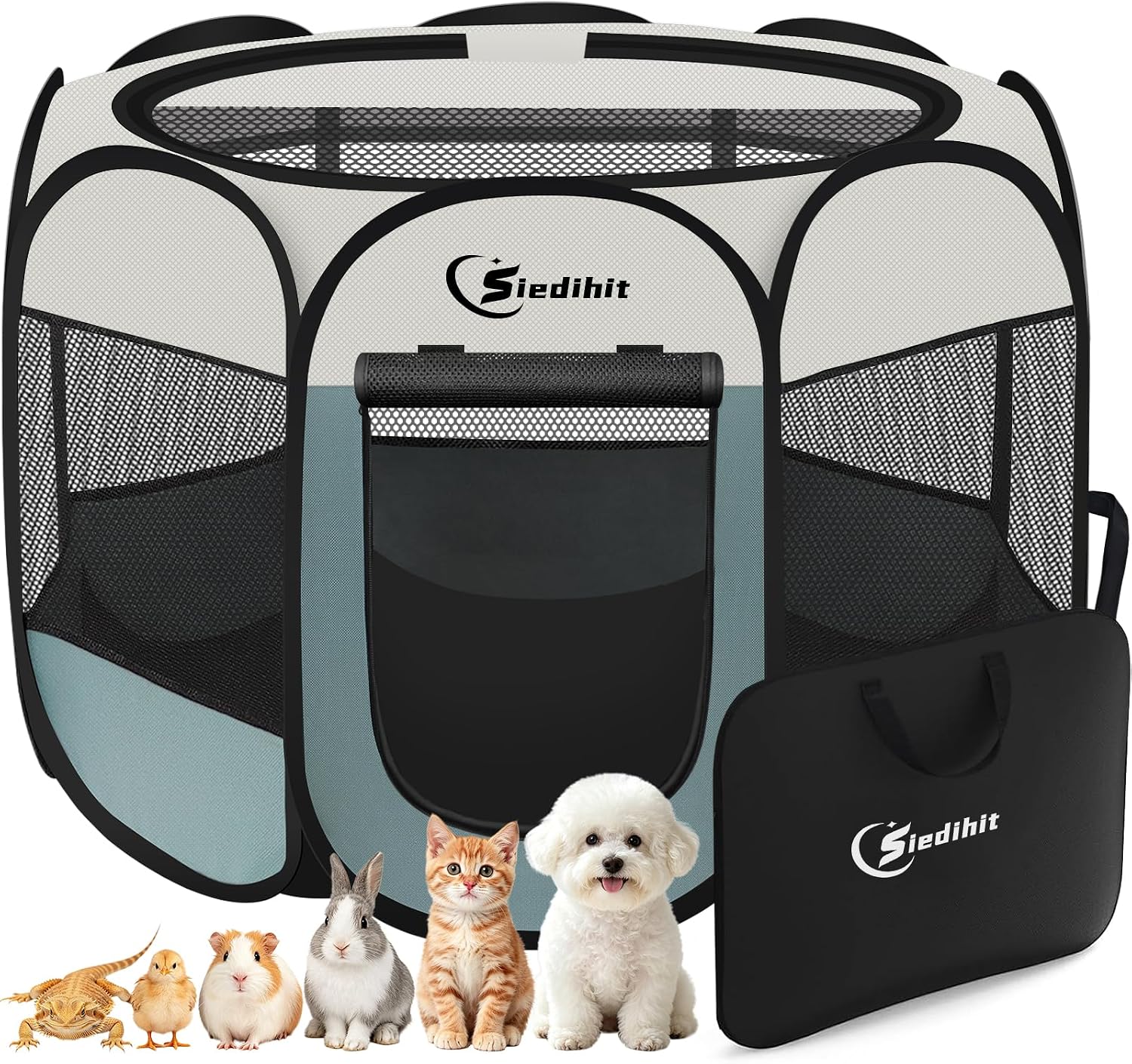
Soft-Sided Carriers
Soft carriers are built around a lightweight frame with mesh panels and fabric walls. They suit small dogs, generally under about 20 pounds, and work best for in-cabin flights and short car trips where the carrier can be seat-belted or placed on a passenger's lap. The trade-off is structural: fabric and mesh absorb almost no impact energy, so a soft carrier is a containment and comfort tool rather than a crash-protection device. Look for a carrier with a rigid bottom panel, because a sagging floor makes the dog sit in a hammock rather than stand on a flat surface.
Hard-Sided Plastic Crates
Hard-sided plastic kennels are the standard for airline cargo travel because most carriers require them, and because they hold up to handling by baggage crews. They are molded from high-density polyethylene with metal door hardware and ventilation openings on multiple sides. Sizing is stricter than for home crates, since airlines measure the kennel against published maximum dimensions and the dog must have room to stand and turn inside. The limitation is crash performance: a standard plastic kennel is designed for containment and airflow, not for absorbing collision forces, and most manufacturers do not publish impact data.
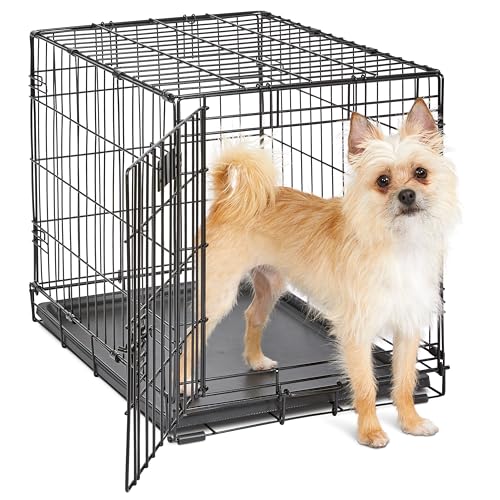
Wire Crates
Wire crates offer the best airflow and visibility of any option, which matters for dogs that run hot or become anxious when they cannot see out. They fold flat, which makes them convenient for hotel stays and multi-stop road trips. The honest limitation is that a wire crate is not airline approved for cargo, and the wire panels can deform in a collision, so a wire crate should never be treated as a crash-rated product. It is a containment and familiar-den solution, not a safety cage.
Impact-Resistant Rotomolded Crates
Rotomolded crates are molded as a single thick shell rather than assembled from panels, and a subset of them have been crash tested with published results. They are the choice for dogs that ride daily, for escape artists, and for working dogs. The trade-offs are real: these crates are heavy, often 30 pounds or more before the dog goes in, they cost several times what a wire crate costs, and they take up significant cargo space. They also do not fold, so storage between trips is a genuine consideration.
Travel Crate Options Worth Knowing
The four options below represent distinct categories rather than a ranked best-of list. Each one solves a different problem, and the right pick depends on whether the priority is airline acceptance, daily crash protection, storage footprint, or budget.
Petmate Sky Kennel
This is the hard-sided plastic category, and it is the shape most airlines expect for cargo travel. It is IATA-style in construction with ventilation on multiple sides and a secure latch, and it comes in sizes that cover small dogs through large breeds. The trade-off is the one common to all standard plastic kennels: it is built for containment and airflow, not for absorbing crash forces, so owners who drive daily with a dog should understand they are buying airline compliance rather than collision protection. Verify the specific carrier's current size and labeling rules before flying, because those requirements change.
Diggs Revol Dog Crate
This entry represents the premium wire-and-polymer hybrid category: a wire body on a molded base that collapses for storage. It is not airline approved for cargo, but it is well suited to car travel and hotel stays where a familiar, well-ventilated den matters more than impact rating. The trade-off is that folding mechanisms add weight and cost compared with a basic wire crate, and the wire panels still deform under serious impact, so it belongs in the containment category rather than the crash-rated one.
Gunner G1 Intermediate
This is the rotomolded, crash-tested category, and it is the option that publishes collision data rather than simply claiming durability. Double-walled construction and a single molded shell make it extremely difficult for a determined dog to escape, which is why it shows up with working dogs and police K9 units. The trade-offs are weight and price: these crates are heavy enough that lifting one into a truck bed is a two-person job for many owners, and the cost is several times a wire crate. They also do not fold, so storage space is a real constraint.
AmazonBasics Two-Door Metal Crate
This is the value wire-crate category, with front and side doors and a folding frame. It works well for road trips and hotel stays where the goal is a familiar, ventilated den that travels easily. The trade-offs are the standard wire-crate limitations: it is not airline approved for cargo, it offers no meaningful crash protection, and the wire can bend under heavy load. For a dog that mostly rides in a secured cargo area and sleeps in the same crate at the destination, it covers the basics at a low cost.
How to Choose the Right Size
dog crates travel
Sizing is where most travel-crate purchases go wrong, and the error almost always runs in the same direction: too small. Measure the dog in three dimensions while standing on a hard floor.
- Length: tip of the nose to the base of the tail, measured in a straight line with the dog standing naturally.
- Height: floor to the top of the head, or to the highest point of the ears if the dog holds them erect.
- Width: the widest point, which for most dogs is the shoulders rather than the hips.
Then add roughly two to four inches to each measurement for the interior crate dimensions. The test is behavioral as much as numerical: the dog should be able to stand without the head touching the ceiling, turn around without the shoulders dragging, and lie flat on one side with the legs extended. A crate that passes all three is correctly sized even if it looks generous.
Two sizing mistakes are common enough to call out. The first is buying a crate sized for a puppy, which becomes unusable within months; buy for the expected adult size and block off the excess space with a divider panel in the meantime. The second is assuming a dog will grow into an oversized crate. A crate that is too large removes the den feeling that makes crates work, and for puppies it can encourage elimination in one corner.
Airline Requirements in Plain Terms
Airline rules are set carrier by carrier, so the only reliable approach is to check the specific airline's published pet policy before buying anything. A few patterns hold across most carriers.
- Checked pets generally require a hard-sided kennel that meets the carrier's published dimensions.
- In-cabin pets must fit in a soft carrier sized to the under-seat space, and the carrier counts as the passenger's carry-on allowance on most airlines.
- Kennels for checked pets typically need attached food and water dishes that can be refilled from outside.
- Many carriers require LIVE ANIMAL labeling and a current health certificate from a veterinarian.
- Some airlines restrict or suspend cargo pet transport during extreme heat or cold, so travel dates may need flexibility.
For international travel, the crate is only one requirement among several. The CDC rules updated in 2024 remain in force and affect dogs entering the United States, including documentation and health requirements that vary by where the dog is arriving from. The AVMA pet owner resources are a reasonable starting point for understanding what a veterinarian will need to certify before travel, and a veterinarian should be involved early rather than the week before departure.
Car Travel Safety: What Actually Reduces Risk
In a collision, an unrestrained dog becomes a projectile, and the forces involved are larger than most owners intuit. Securing the crate is therefore as important as choosing it.
- Secure the crate with a seat belt routed through the crate frame or with cargo straps anchored to the vehicle's tie-down points. An unsecured crate slides and tips.
- Never place a crate in the front passenger seat. A deploying airbag can injure or kill a dog in a carrier.
- Position the crate so it is not against a seat back that could fold forward onto it in a crash.
- Plan a break every two to three hours for water, elimination, and a stretch. Dogs thermoregulate poorly in parked vehicles, and a car interior can reach dangerous temperatures within minutes even on mild days.
- Never leave a dog unattended in a parked car in warm weather. The Merck Veterinary Manual dog owner reference covers heat-related illness and its rapid progression, which is worth reading before a summer road trip.
- Bring a familiar blanket or a worn t-shirt from home. Scent is one of the most reliable stress reducers for dogs in unfamiliar environments.
What to Look For in Materials and Hardware
Beyond category, a few construction details separate crates that last from crates that fail early.
Door hardware. A single latch is the most common failure point on budget crates. Look for a door with at least two locking points and a latch that cannot be nudged open by a paw. A dog that has learned to pop a latch will do it again, and the fix is hardware, not training.
Ventilation. Airflow should come from at least three sides, not just the door. A crate with ventilation only at the front traps heat, which matters most for brachycephalic breeds such as bulldogs, pugs, and boxers that already struggle to breathe efficiently.
Wall thickness and material. Rotomolded polyethylene is thickest and most impact resistant. Injection-molded plastic is thinner and lighter. Wire is the least protective. Fabric offers essentially no impact protection. The material should match the job: a crate for daily highway commuting has different requirements than one used twice a year for a hotel stay.
Interior surfaces. Seams, exposed screws, and sharp edges inside the crate cause abrasions on long trips. Run a hand along the interior before committing.
Weight and handles. A crate that is too heavy to lift is a crate that gets left in the garage. Check the shipping weight, not just the interior dimensions, and consider whether one person needs to move it alone.
Maintenance and Cleaning
Travel crates collect hair, dirt, drool, and occasionally accidents, and how easily a crate cleans determines whether it gets used. Rotomolded crates wipe down with a damp cloth and mild soap because they have no seams to trap debris. Plastic kennels separate into top and bottom halves, which makes a full wash practical. Wire crates need the tray pulled and scrubbed, and the wire itself should be wiped because urine residue corrodes powder coating over time. Soft carriers are the hardest to clean; many have a removable, machine-washable pad but a spot-clean-only shell.
A few habits extend the life of any crate. Dry the crate fully before storage, because trapped moisture in a folded wire crate rusts the frame. Store rotomolded and plastic crates out of direct sun, since UV exposure makes polyethylene brittle over years. Check latches and hinges before every trip, and replace any hardware that has developed play.
Common Mistakes to Avoid
- Buying for the puppy, not the adult. A crate sized for a ten-pound puppy will be useless at fifty pounds. Buy for the adult size and use a divider.
- Assuming any plastic kennel is airline approved. Approval depends on the specific carrier's rules, and some airlines have stricter dimensions or hardware requirements than the kennel's marketing implies.
- Treating a wire crate as crash protection. Wire crates contain a dog; they do not protect one in a collision.
- Skipping the securing step. An unsecured crate is nearly as dangerous as an unrestrained dog, because the crate itself becomes the projectile.
- Leaving the crate in the car between trips. A crate stored in a hot vehicle can warp plastic and degrade fabric.
- Ignoring the dog's acclimation. A crate the dog has never entered is a stressful place on travel day. Feed meals in the crate at home for a week or two before the trip.
If a dog shows signs of severe distress in a crate, including excessive drooling, vomiting, or self-injury, the issue is a veterinary or behavioral one rather than a product one. The ASPCA Animal Poison Control is the resource to keep on hand for travel emergencies involving ingestion of unfamiliar plants or substances at rest stops, and a veterinarian should be consulted about travel anxiety before sedating any dog for a trip.
Frequently Asked Questions
Is a crate or a crash-tested harness better for car travel?
Both are legitimate approaches, and both depend on proper installation. A crash-tested harness requires a harness that has actually been tested and a seat belt tether rated for the dog's weight. A crash-tested crate requires proper securing. The wrong choice is an untested harness or an unsecured crate, because both create a false sense of protection.
Can a dog fly in a wire crate?
Generally no for cargo travel. Most airlines require hard-sided, IATA-style kennels for checked pets. Wire crates are typically accepted only in specific circumstances, if at all, and the carrier's written policy is the authority.
How much space should a dog have in a travel crate?
Enough to stand without touching the ceiling, turn around without the shoulders dragging, and lie flat with the legs extended. Add roughly two to four inches to each body measurement for interior crate dimensions.
Do travel crates need to be secured in the car?
Yes. An unsecured crate slides and can tip or be thrown in a collision. Use a seat belt through the crate frame or cargo straps anchored to the vehicle.
Where to Buy: The Options Covered Above
As an Amazon Associate, PawCritic earns from qualifying purchases. This does not affect our reviews or recommendations.
Affiliate Disclosure: This article contains affiliate links. PawCritic may earn a commission at no extra cost to you.