Why Puppies Need Special Nutrition
Puppies grow at an extraordinary rate, sometimes doubling their weight in a matter of weeks. That pace of development places demands on the body that adult maintenance food cannot meet, because growing bones, brains, and immune tissue need nutrients in proportions that are different from what a mature dog requires. Protein, fat, calcium, phosphorus, and docosahexaenoic acid (DHA) all sit at the center of that difference, and the margin for error is narrower in a puppy than in an adult dog.
The regulatory baseline for puppy food in the United States is the AAFCO Dog Food Nutrient Profiles. A product intended for growth must carry a complete-and-balanced statement for either growth or all life stages; a food labeled for maintenance only is not formulated to support a puppy. The WSAVA Global Nutrition Guidelines recommend that owners look for that statement, confirm the manufacturer employs board-certified veterinary nutritionists, and ask for nutrient analysis rather than relying on marketing language. For puppies specifically, the science has been stable for years: large-breed puppies need strictly controlled calcium, because excess calcium during growth is associated with skeletal abnormalities that may not become obvious until the dog is mature. DHA remains important for brain and retinal development, and the AVMA pet owner resources note that puppies generally stay on a growth formula until they reach roughly 90 percent of adult size. For a Labrador Retriever, that milestone often arrives well past the first birthday, and many owners switch to adult food too early.
Key Nutritional Requirements for Puppies
- Protein: Growth formulas typically provide 22 to 32 percent protein on a dry-matter basis to support muscle and tissue development.
- Calories: Puppies burn energy quickly and need calorie-dense food, but the correct amount depends on expected adult size.
- DHA: An omega-3 fatty acid associated with brain and eye development in growing dogs.
- Calcium and phosphorus: Required in specific ratios and concentrations; large-breed growth diets deliberately cap calcium.
- AAFCO statement: The label should state the food is complete and balanced for growth or for all life stages.
Two practical distinctions matter more than any single number. First, small-breed and large-breed puppies are not fed the same way. A Chihuahua puppy can safely eat a calorie-dense all-life-stages diet, while a Great Dane puppy needs a formula with controlled calcium and a moderate energy density so it grows steadily rather than explosively. Second, treats and toppers count. If a puppy receives more than about ten percent of daily calories from outside the complete diet, the balanced nutrition in the bowl is diluted, and the diet is no longer complete in practice.
How to Read a Puppy Food Label
Start with the nutritional adequacy statement, usually printed below the guaranteed analysis. It should say the food is formulated to meet AAFCO nutrient profiles for growth or for all life stages, or that it has been demonstrated through feeding trials to do so. A statement for maintenance only is a red flag for a puppy. Next, check the guaranteed analysis for minimum protein and fat and maximum fiber, then look for a calorie statement, typically expressed as kilocalories per kilogram and per cup or can.
The ingredient list is useful but less decisive than the nutrient profile. Ingredients are listed by weight before processing, so a named meat first is a reasonable sign, but it does not by itself make the diet complete. Manufacturer transparency matters: companies that publish nutrient analyses, employ veterinary nutritionists, and operate their own plants are generally easier to evaluate than brands that outsource production and decline to answer formulation questions. The Merck Veterinary Manual dog owner reference is a useful starting point for understanding how nutrient requirements change across life stages.
Top 3 Puppy Food Options for 2026
The three formulas below represent the categories most commonly recommended by veterinarians and owner communities: a veterinary-channel growth diet, a breed- and size-specific line, and a widely available performance-oriented formula. Each carries a complete-and-balanced statement for growth. The trade-offs are price, availability, and how narrowly the formula is targeted.
dog food for puppies complete nutrition guide
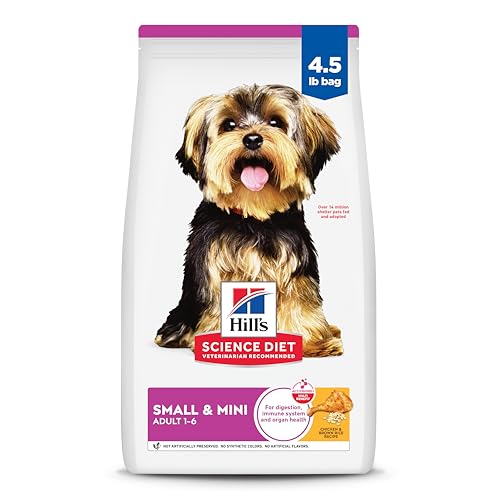
1. Hill's Science Diet Puppy
Rating: 9.5/10
Hill's Science Diet Puppy is a veterinary-channel growth formula built around DHA from fish oil, controlled mineral levels, and a protein blend intended to support lean muscle. It is one of the most frequently recommended diets by veterinarians for average-size puppies, and its feeding guidance is straightforward and printed clearly on the bag. The main trade-off is price: it typically costs more per pound than grocery-store brands, and the formula is not customized by adult size, so owners of giant-breed puppies should look for the large-breed version instead.
Pros:
- DHA from fish oil for brain and eye development
- High-quality protein for muscle growth
- Balanced minerals for bone and dental development
- Widely available through veterinary clinics and retailers
Cons:
- Higher price point
- Standard formula is not size-specific
2. Royal Canin Puppy
Rating: 9.3/10
Royal Canin produces growth formulas segmented by adult size and, in some lines, by breed. That structure is useful for owners who want a kibble shape and calorie density matched to a specific puppy, and the company publishes detailed feeding charts. Palatability is generally described as high in owner reports, which helps with picky eaters. The trade-off is that the segmentation can be confusing, and the breed-specific lines cost more than the general puppy formulas without necessarily being better for a healthy puppy of that breed.
Pros:
- Size- and breed-specific options available
- Kibble size adapted to small mouths
- Generally high palatability
Cons:
- Premium pricing
- Large number of overlapping formulas can complicate selection
3. Purina Pro Plan Puppy
Rating: 9.1/10
Purina Pro Plan Puppy is a performance-oriented growth diet with real meat as the first ingredient and DHA included for development. It is widely stocked, frequently discounted, and available in size-specific versions, which makes it a practical choice for owners who want a formula backed by feeding trials at a lower cost per pound. The trade-off is that the line includes many variations, and some are formulated for maintenance or for specific sensitivities, so buyers need to confirm the growth statement on the specific bag.
Pros:
- Real meat as first ingredient
- DHA included for brain development
- Lower cost per pound than veterinary-channel brands
- Broad retail availability
Cons:
- Wide product range requires careful label reading
Puppy Feeding Schedule by Age
Young puppies have small stomachs and high energy needs, so meals are frequent and small. The AVMA guidance is that puppies generally eat three to four meals a day until they are a few months old, tapering to two meals by adulthood. Free-feeding is discouraged because it makes intake impossible to monitor and is associated with overweight puppies, which in turn increases joint stress later in life.
| Age | Meals Per Day |
|---|---|
| 8-12 weeks | 4 meals |
| 3-6 months | 3 meals |
| 6-12 months | 2 meals |
Portion size should follow the bag recommendation for the puppy's target adult weight, not its current weight, and should be adjusted at a regular weigh-in. A kitchen scale is more accurate than a measuring cup for dry food, because kibble density varies between formulas. If a puppy is gaining too quickly, reduce the portion rather than switching brands, and confirm the change with a veterinarian if growth seems abnormal.
Signs Your Puppy Food Is Not Working
Diet intolerance usually shows up in the digestive tract first. Persistent loose stools, frequent gas, or vomiting after meals can indicate that a formula does not suit a particular puppy, though a sudden change in food is itself a common cause of digestive upset. Coat quality, energy level, and growth rate are slower signals. A dull coat, low energy, or a puppy that falls behind its expected growth curve warrants a veterinary exam before any diet change, because the cause may not be nutritional.
- Loose stools or diarrhea lasting more than a few days
- Excessive gas or bloating
- Dull or brittle coat
- Low energy or reluctance to play
- Growth that stalls or accelerates abnormally
Any suspected poisoning, including ingestion of human foods such as chocolate, grapes, raisins, xylitol, or onions, should be treated as an emergency. The ASPCA Animal Poison Control maintains a 24-hour hotline and a searchable list of toxic substances for dog owners.
Transitioning Foods and Common Mistakes
A sudden switch between formulas is one of the most common causes of digestive upset in puppies. The standard approach is a gradual transition over seven to ten days, mixing increasing proportions of the new food into the old. Start with about 25 percent new food for two or three days, move to 50 percent, then 75 percent, and finally 100 percent, watching stools at each stage. If diarrhea develops, slow the transition rather than pushing through it.
Other frequent mistakes include switching to adult food too early, feeding by volume rather than by weight, ignoring treats in the daily calorie total, and choosing a grain-free boutique diet without a specific medical reason. The FDA's investigation into canine dilated cardiomyopathy examined diets that were often grain-free and high in legumes, peas, lentils, or potatoes, and while the agency did not establish a definitive cause, it advised owners to consult a veterinarian before changing diets. For most puppies, a formula from a manufacturer that employs veterinary nutritionists and conducts feeding trials is the lower-risk choice.
Feeding by Size: Small, Medium, and Large Breeds
Small-breed puppies mature quickly and have high metabolic rates relative to their body weight. They can generally eat an all-life-stages or growth formula without calcium restriction, and their small kibble size matters because tiny mouths struggle with large pieces. Hypoglycemia is a risk in toy breeds, so frequent small meals are especially important in the first few months.
Medium-breed puppies sit in the middle. A general growth formula is usually appropriate, and the main variable is portion control to keep growth steady. Owners should expect the puppy to reach adult size somewhere between ten and fourteen months, depending on breed.
Large and giant-breed puppies are the group where diet matters most. These puppies need a growth formula with controlled calcium and a moderate calorie density so that bones and joints are not stressed by rapid weight gain. The WSAVA guidelines specifically note that large-breed growth diets are formulated differently from standard puppy food, and feeding a general puppy formula to a Great Dane or Newfoundland can increase the risk of developmental orthopedic disease. Owners of these breeds should confirm the label states the food is appropriate for large-breed growth.
Hydration, Treats, and Supplements
Fresh water should be available at all times, and intake should increase in hot weather or after vigorous play. Wet food can contribute to hydration, but it should be part of a complete diet rather than an addition to one. Treats should be small, counted against daily calories, and limited to about ten percent of intake. Many commercial puppy treats are calorie-dense, and a handful can easily exceed that budget.
Supplements are usually unnecessary when a puppy eats a complete-and-balanced growth diet. Adding calcium is particularly risky in large-breed puppies because it can disrupt the carefully controlled mineral balance in the formula. Joint supplements, probiotics, and fish oil should be given only on veterinary advice, and owners should tell their veterinarian about every supplement, including those marketed as natural.
dog food for puppies complete nutrition guide
Weight Tracking and Body Condition
Weighing a puppy weekly on a consistent scale produces a growth curve that is far more informative than a single number. The curve should rise steadily and then flatten as the puppy approaches adult size. Body condition scoring, done by hand, is the other essential check: ribs should be easy to feel but not visible, the waist should be visible from above, and the abdomen should tuck up from the side. A puppy that looks round is likely carrying excess weight, and that excess is a known contributor to joint problems in adulthood.
If the growth curve is flat or falling, or if the puppy is gaining far faster than expected, a veterinary visit is warranted. Some causes are dietary, but others are medical, and a veterinarian can distinguish between them. Owners should bring the feeding log, the food label, and the growth chart to that appointment.
Storage and Food Safety
Dry puppy food loses freshness after the bag is opened. The recommended practice is to keep food in its original bag, place the bag inside an airtight container, and store it in a cool, dry place. Storing kibble directly in a container without the bag means losing the lot number and best-by date, which are needed if a recall occurs. Wet food should be refrigerated after opening and used within a few days, and any food that smells rancid or has changed color should be discarded.
Owners should also wash bowls daily, especially when feeding wet food, because bacterial buildup can cause digestive upset. A separate water bowl and food bowl, both cleaned regularly, are a simple but effective hygiene measure that is often overlooked.
Where to Buy: The Three Formulas Reviewed Above
As an Amazon Associate, PawCritic earns from qualifying purchases. This does not affect our reviews or recommendations.
Making the Choice
For a healthy puppy, any of the three formulas above will support normal growth, and the differences between them matter less than the routine around them. Choose a food with an AAFCO growth statement, feed measured meals on a consistent schedule, weigh the puppy weekly, and transition slowly if a change is needed. Owners of large-breed puppies should prioritize a size-appropriate growth formula with controlled calcium, and anyone considering a grain-free or boutique diet should discuss it with a veterinarian first.
The mistake that causes the most long-term harm is not brand choice but overfeeding, because a chubby puppy is more likely to become an overweight adult with joint problems. Feed to the bag recommendation for target adult weight, adjust at the weekly weigh-in, and keep treats within the ten percent budget. That approach, combined with regular veterinary checkups, covers the essentials of puppy nutrition better than any single product decision.
Disclosure: This article contains affiliate links. We may earn a commission at no extra cost to you.