An active dog burns through energy in a way a couch companion never will. A herding breed running a farm, a retriever swimming repeated retrieves, or a dog sport competitor training several times a week can need substantially more calories and a different nutrient balance than a dog of the same size that naps through the afternoon. The food you choose is the fuel behind that output, and the difference between a formula that supports the work and one that merely fills the bowl shows up in recovery, coat condition, stool quality, and stamina over months, not days.
This guide is a reference for choosing food for high-energy dogs. It covers what the nutrient numbers on a label actually mean, how to compare formulas without being swayed by front-of-bag marketing, which life stages and health conditions change the calculus, and how to feed and transition safely. A single widely available performance formula is used as a concrete example throughout, with a plain link so you can look at current pricing and specifications for yourself.
Update, August 2026: the grain-free question refuses to die. Veterinary cardiologists are still publishing on diet-associated dilated cardiomyopathy, and the FDA investigation into boutique grain-free formulas remains a common talking point in veterinary clinics. If a dog does well on a grain-inclusive performance formula, and most active dogs do, there is little reason to gamble on the alternative. One label change to expect this year: the updated AAFCO pet food label format continues phasing in through 2026, with clearer calorie statements and standardized feeding guides, which makes comparing two 30/20 formulas less of a squinting contest.
Before sizing up portions, it helps to understand how much exercise a dog actually gets. A Malinois with a job and a Lab with a backyard eat very differently, and the calories should follow the work, not the breed name on the bag.
What Makes Dog Food Good for Active Dogs
Active dogs burn significantly more calories than sedentary dogs of the same size. Published feeding guidance from manufacturers and veterinary sources commonly notes that a working or heavily exercised dog may need up to 50 percent more calories per day than a similar-sized dog at rest, and in extreme cases such as sled dogs or field trial competitors the multiplier is higher still. But quantity is only half the equation. The composition of those calories determines whether they support muscle repair, joint health, and sustained output or simply add weight.
- High-quality protein: Protein supplies the amino acids used to rebuild muscle after exercise. Named animal sources such as chicken, beef, salmon, or turkey should appear at the top of the ingredient list, and a performance formula typically lists 25 to 30 percent crude protein or higher on a guaranteed analysis.
- Healthy fats: Fat is the most concentrated energy source in a dog's diet and the primary fuel for sustained aerobic work. Omega-3 fatty acids from fish oil or marine sources are associated with reduced post-exercise inflammation and support for skin and coat. Performance formulas commonly sit in the 15 to 20 percent fat range, with higher-fat formulas reserved for dogs in genuinely demanding work.
- Complex carbohydrates: Whole grains, sweet potatoes, and brown rice provide sustained energy. Contrary to some marketing, grains are not filler for most dogs; they are a digestible energy source, and grain-inclusive performance formulas are the default recommendation from most veterinary nutritionists.
- Joint support: Glucosamine, chondroitin, and MSM appear in many large-breed and performance formulas. Evidence for these ingredients in food is modest, but they are commonly included and generally safe. Body condition, not supplements, is the single biggest factor in joint health for an active dog.
- Moisture content: Wet or fresh food can help dogs who struggle to stay hydrated during long activity sessions, and mixing water or broth into kibble is a simple way to raise moisture intake. Fresh water availability before, during, and after exercise matters more than the food's moisture percentage in most cases.
The Association of American Feed Control Officials sets the nutrient profiles that pet foods must meet, and a label statement reading 'complete and balanced' for a specific life stage is the baseline guarantee. The WSAVA Global Nutrition Guidelines recommend that owners look for that statement, confirm the food is formulated for the dog's life stage, and choose manufacturers who employ full-time qualified nutritionists. Those three checks filter out most of the marketing noise faster than any ingredient-by-ingredient analysis.
Reading a Performance Dog Food Label
The guaranteed analysis on the back of the bag lists minimum crude protein and minimum crude fat, but those numbers are expressed on a moisture basis that varies between products. A canned food at 10 percent protein and a dry food at 30 percent protein are not as far apart as the numbers suggest once moisture is accounted for. Dry matter basis conversion is the honest way to compare, and most manufacturers will provide dry matter figures on request.
Ingredient splitting is the other common pitfall. A label that lists chicken, chicken meal, ground corn, corn gluten meal, and corn bran is not necessarily low in chicken; it may simply have split one ingredient into several entries so that each appears lower on the list. Named meals such as chicken meal or salmon meal are concentrated protein sources and are often preferable to fresh meat alone in a dry food, because fresh meat is mostly water before cooking.
Calorie content is listed as metabolizable energy in kilocalories per kilogram and per cup or can. This is the number to use when comparing formulas and calculating portions. The updated AAFCO label format rolling out through 2026 is intended to make this clearer, with calorie statements in a more consistent location and standardized feeding guides that are easier to interpret.
Protein and Fat Targets by Activity Level
There is no single correct protein percentage for every active dog. A dog doing moderate daily exercise may thrive on a standard adult maintenance formula in the 22 to 26 percent protein range, while a dog in structured training or competition may do better on a 30/20 formula or higher. The table below summarizes common ranges and the dogs they tend to suit.
| Activity level | Typical protein | Typical fat | Suits |
|---|---|---|---|
| Low to moderate | 22 to 26 percent | 10 to 14 percent | House dogs with daily walks and play |
| Moderate to high | 26 to 30 percent | 15 to 18 percent | Running partners, active herding breeds, weekend hikers |
| High to very high | 30 percent and up | 18 to 22 percent | Working dogs, dog sport competitors, hunting dogs in season |
These are starting points, not prescriptions. Body condition is the real feedback loop. A dog at a healthy weight has ribs that are easy to feel under a thin layer of fat but not visibly prominent, a visible waist when viewed from above, and a tucked abdomen when viewed from the side. If ribs are hard to find, the dog is carrying extra weight regardless of how much exercise it gets, and portions or formula should be adjusted.
A Note on Grain-Free and Diet-Associated DCM
The FDA's investigation into diet-associated dilated cardiomyopathy, and subsequent research from veterinary cardiologists, focused attention on grain-free, legume-heavy, and boutique formulas. The exact mechanism is still being studied, and not every dog on such a diet develops heart problems. But the pattern is consistent enough that most veterinary cardiologists now recommend caution, particularly for breeds with a genetic predisposition to DCM such as Doberman Pinschers, Boxers, and Great Danes.
For an active dog, the practical takeaway is straightforward. If the dog has no diagnosed grain allergy, and true grain allergies are uncommon in dogs compared with environmental and protein allergies, a grain-inclusive performance formula is the lower-risk choice. If a dog is already on a grain-free diet and doing well, the decision to switch should be made with a veterinarian rather than from a headline, and any signs of exercise intolerance, coughing, or fainting warrant prompt evaluation.
How Much to Feed an Active Dog
Bag feeding guides are written for adult dogs at moderate activity. An active dog often needs 1.5 to 2 times the standard recommended amount, and a dog in peak training may need more. The workable method is to start with the bag recommendation for the dog's weight, then adjust up or down every two weeks based on body condition and energy level. A kitchen scale is more accurate than a measuring cup, because cup density varies between formulas and scoops are easy to overfill.
Meal timing matters for dogs doing intense work. Feeding a large meal immediately before hard exercise raises the risk of bloat, a life-threatening condition in which the stomach twists. A common approach is to feed a smaller meal two to three hours before activity and the larger meal after the dog has cooled down and rested. Deep-chested breeds such as Great Danes, Standard Poodles, and German Shepherds are at higher risk, and the Merck Veterinary Manual's dog owner reference covers the signs to watch for.
Hydration deserves equal attention. A dog working in heat can lose significant water through panting, and offering water at intervals during activity is more effective than expecting the dog to catch up afterward. Electrolyte products formulated for dogs exist, but plain water is sufficient for most activities under an hour to ninety minutes.
Life Stages and Special Conditions
Puppies of large and giant breeds have different needs than adult working dogs. Growth formulas are calorie-dense and carefully balanced for calcium and phosphorus, and overfeeding a large-breed puppy can contribute to skeletal problems later. A puppy destined for work should be fed a large-breed growth formula until it reaches maturity, which for giant breeds can be 18 to 24 months.
Senior active dogs present a different challenge. Older dogs may still have the drive but less capacity for recovery, and their protein needs do not drop as much as once believed. Many veterinary nutritionists now recommend maintaining a moderate-to-high protein diet in healthy older dogs to preserve muscle mass, while watching fat content if the dog has become less active. A senior formula or a performance formula fed at reduced portions can both work depending on the individual dog.
Dogs with diagnosed conditions such as kidney disease, pancreatitis, or food allergies need a therapeutic or prescription diet chosen with a veterinarian. Performance formulas are not appropriate for these dogs, and the ASPCA Animal Poison Control and the AVMA pet owner resources are useful starting points for understanding which foods and ingredients pose risks.
Feeding the Very Active Dog: A Concrete Example
Among the formulas commonly used by working-dog owners, Victor Performance 30/20 is a representative example of the high-protein, high-fat category. It is built around multiple named meat meals, lists a guaranteed analysis of 30 percent crude protein and 20 percent crude fat, and includes glucosamine and chondroitin. It is grain-inclusive, which aligns with current veterinary guidance for most dogs, and it is priced in the mid range for a performance formula rather than at the premium end.
Who it suits: dogs in regular structured training or work, herding and sporting breeds with high daily output, and owners who want performance-level macros without paying boutique prices. The trade-off: the protein and fat load is genuinely rich, and some dogs with sensitive stomachs or a history of pancreatitis do better on a more moderate formula. Transition should be gradual over seven to ten days. To see current pricing and the full guaranteed analysis, you can check the current price on Amazon.
This is one example, not a universal recommendation. The right formula for any individual dog depends on body condition, stool quality, coat condition, energy level, and veterinary input, and a food that works brilliantly for one dog may not suit another in the same household.
Common Mistakes When Feeding Active Dogs
- Feeding by breed instead of by work. A Border Collie on a farm and a Border Collie in an apartment have very different calorie needs. The work the dog does matters more than the breed label.
- Switching formulas abruptly. A sudden change in protein, fat, or fiber can cause loose stools and digestive upset. Transition over seven to ten days, mixing increasing proportions of the new food with the old.
- Overfeeding because the dog seems hungry. Active dogs often act hungry, and appetite is not a reliable guide. Body condition is.
- Ignoring stool quality. Stool is one of the clearest signals of whether a food is being digested well. Consistently soft or voluminous stool suggests the formula is not a good fit.
- Assuming more protein is always better. Very high protein is not automatically superior, and it can be counterproductive for dogs with certain health conditions. Moderate, high-quality protein with adequate fat is often the better balance.
- Neglecting water and rest. No food compensates for inadequate hydration or insufficient recovery time between hard sessions.
- Trusting front-of-bag claims. Terms like natural, premium, and holistic have limited regulatory meaning. The guaranteed analysis, the complete and balanced statement, and the manufacturer's nutritional qualifications carry more weight.
Transitioning to a Performance Formula
A transition to a higher-protein, higher-fat formula should be gradual, particularly for a dog coming from a standard maintenance diet. A common schedule is 25 percent new food mixed with 75 percent old for three to four days, then 50/50 for three to four days, then 75/25 for three to four days, then fully onto the new food. If stools loosen at any stage, hold at that ratio for a few extra days before advancing.
During the transition, watch for vomiting, diarrhea, lethargy, or refusal to eat. Any of these can indicate the formula is not a good fit or that something else is going on, and a veterinarian should be consulted if symptoms persist beyond a day or two. Once fully transitioned, expect a week or two before coat, energy, and stool quality settle into a new normal.
Storage and Freshness
Kibble oxidizes over time, and fats in a high-fat performance formula are more prone to going rancid than those in a lower-fat maintenance diet. Keep food in its original bag inside an airtight container rather than pouring it loose into a bin, because the bag carries the lot number and best-by date and the bin's plastic can absorb and transfer odors. Store in a cool, dry place, and buy the size the dog will finish within about six weeks. For a single large dog on a 40-pound bag, that is usually not a problem; for a small dog, it may mean buying smaller bags more often.
When to Talk to a Veterinarian
Any change in appetite, weight, stool, energy, or exercise tolerance that persists for more than a few days warrants a veterinary conversation. So does any decision to switch to a grain-free, raw, or homemade diet, particularly for a dog with a known heart condition or a breed predisposed to DCM. The Merck Veterinary Manual's dog owner reference and the AVMA's pet owner resources are reliable starting points for understanding symptoms and questions to bring to an appointment, but they are not a substitute for examination and diagnosis.
The honest summary for anyone feeding a high-energy dog is this: match the food to the work the dog actually does, verify the complete and balanced statement and the calorie content, watch body condition and stool quality rather than marketing claims, transition slowly, and involve a veterinarian when anything changes. The formula matters, but how it is fed matters just as much.
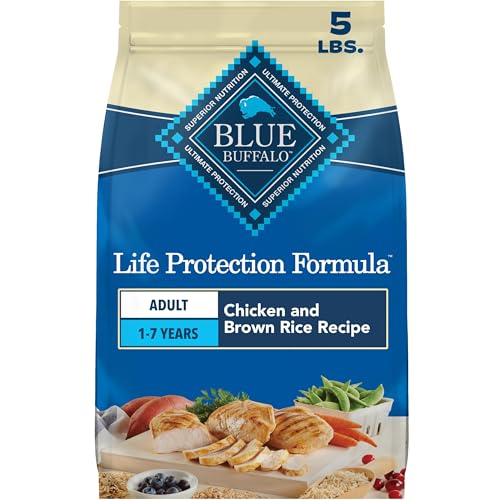
the 7 dog foods for active dogs and high energy breeds in
Where to Buy
As an Amazon Associate, PawCritic earns from qualifying purchases. This does not affect our reviews or recommendations.
the 7 dog foods for active dogs and high energy breeds in
Related reading: Dog Beds for Large Breeds, Dog Carriers 2026: Safe Travel Solutions for Dogs, Dog Training Treats, Dog Food for Large Breeds in 2026, Wet Dog Food vs Dry Dog Food, Dog Snuffle Mats and Foraging Enrichment Toys, Dog DNA Test Kits, Dog Remote Training Collars, and Dog Waterproof Boots and Paw Protection.
Affiliate Disclosure: PawCritic is reader-supported. We may earn a commission when you purchase through links on this page, at no extra cost to you. We only recommend products we genuinely believe in, and our editorial selections are never influenced by commission rates or affiliate partnerships.
Not sure whether wet or dry food suits your dog? The wet versus dry comparison breaks down the trade-offs. For the full picture on what your dog needs, see the WSAVA Global Nutrition Guidelines and the Merck Veterinary Manual dog owner reference. For questions about specific ingredients or household foods that can be harmful, the ASPCA Animal Poison Control maintains current listings.