Dog GPS Trackers 2026: Keep Tabs on Your Adventure Buddy
A dog GPS tracker is one of the few purchases that can genuinely change the outcome of a worst-case scenario. Dogs bolt through open gates, slip collars on hikes, chase deer into unfamiliar terrain, and get spooked by fireworks miles from home. According to the AVMA's resources for pet owners, proper identification — including microchips and visible ID tags — remains the foundation of lost-pet recovery, and a GPS tracker adds a real-time layer on top of that foundation. This guide explains how the technology works, what specifications actually matter, and where a concrete example on the market fits, so you can decide whether one belongs on your dog's collar.
One point worth being clear about up front: PawCritic does not run hands-on product evaluations. Everything here is drawn from manufacturer specifications, published veterinary and industry guidance, and verified owner reports, so you can independently check every claim before spending money. Where a spec matters, we tell you why it matters and where to verify it yourself.
dog gps trackers keep tabs on your adventure buddy
How Dog GPS Trackers Actually Work
Nearly every consumer dog tracker on the market combines three technologies, and understanding them explains most of the price differences you will see. First, the device determines its own position using GPS satellites — and increasingly additional systems like GLONASS or Galileo — which works anywhere with a view of the sky. Second, it transmits that position to your phone over a cellular network, which is why virtually all live-tracking collars require a monthly subscription. Third, an app on your phone displays the location on a map, usually with a history trail and configurable safe zones.
There is an important distinction between true GPS trackers and Bluetooth-only finders. A Bluetooth tag has a realistic range of a few hundred feet at most, and it only reports a position when another compatible device comes near it. That can be adequate for a cat that hides under the porch, but it is nearly useless for a dog covering miles across fields or forest. If your dog has any realistic chance of genuine displacement — not just hiding in the house — you need a cellular-based tracker, and you need to check which carriers and which network generation the device uses, because several older models were retired when 2G and 3G networks were shut down. A tracker that worked in 2019 may be a paperweight today, so always confirm current network compatibility on the manufacturer's page before buying.
Battery life is the second spec that separates the useful from the frustrating. Live, continuous tracking drains a battery quickly — often in one to three days — because the device is constantly talking to satellites and the cell network. Many models stretch battery life to a week or more by dropping into a power-saving mode that only updates periodically or only alerts you when the dog leaves a defined safe zone. That trade-off is acceptable for most dogs most of the time, but it means you should check the update frequency in each mode, not just the headline battery number. A manufacturer claiming 'up to 30 days' is almost certainly describing an aggressive standby mode with very infrequent position updates, and you deserve to know that before you rely on it during an escape.
What Really Matters When Choosing a Tracker
Subscription Costs, Not Just Sticker Price
The device price is only part of the cost. Most live GPS trackers require a monthly or annual subscription that can easily exceed the hardware cost within a year. When comparing options, calculate a two-year total: device plus subscription. A cheaper tracker with a expensive plan can cost more than a premium tracker with a affordable annual plan. Check whether the subscription includes the SIM or cellular service, whether there are multi-dog discounts, and what happens to features if you cancel — some devices become Bluetooth-only finders without an active plan, which is a reasonable fallback, but you should know it in advance.
Size and Weight Relative to Your Dog
A tracker that is perfectly fine on a Labrador can be genuinely inappropriate on a Chihuahua or a small terrier. A useful rule of thumb from collar-fit guidance is that anything hanging from the collar should be a small fraction of the dog's body weight — many owners aim for under about five percent for the entire collar assembly, and lighter is better for a device bouncing around on a moving animal. Check the device's weight and dimensions on the product page and hold them against your dog's neck size and build. Also check the attachment method: a tracker that clips onto an existing collar is flexible, while a collar-integrated design means buying into that whole collar and its fit.
Water and Durability Ratings
Dogs swim, roll in mud, and stand in the rain. Look for an explicit water resistance rating from the manufacturer — terms like water-resistant, splash-proof, and waterproof are not interchangeable, and a device rated for immersion is the safer choice for a dog that swims. Durability matters too: verified owner reviews consistently flag attachment clips wearing out and charging port covers failing as the two most common hardware failure points. Search owner reviews for the specific phrase relevant to your situation, such as 'falls off collar' or 'stopped charging,' because these patterns show up clearly in long-term reports even when the device works well out of the box.
Accuracy and Coverage in Your Area
GPS accuracy in open terrain is typically within a few meters, but heavy tree canopy, deep ravines, and urban canyons between tall buildings can degrade it substantially. Cellular coverage is the other weak link — a tracker with no cell signal cannot send you anything, no matter how good its GPS fix is. Before buying, check which carrier the device uses and compare that carrier's coverage map against the areas where you actually walk or hike with your dog. Owner reviews from your region are the most honest source here, since manufacturer coverage maps tend toward optimism.
Escape Alerts and Safe Zones
The most valuable everyday feature for most owners is the geofence or safe-zone alert: you draw a boundary around your home, and the app notifies you the moment your dog crosses it. This is what turns a tracker from a recovery tool into a prevention tool — a notification that your dog just left the yard at 2 p.m. is far more actionable than discovering an empty yard an hour later. When comparing models, check how many safe zones you can define, how quickly the boundary crossing triggers an alert, and whether alert speed depends on the update frequency setting you chose to save battery. There is a genuine tension between battery life and alert responsiveness, and honest manufacturers describe it; be suspicious of any product that promises both maximum battery and instant alerts without explaining the trade-off.
Activity Monitoring Features
Many trackers double as activity monitors, counting steps, minutes of active time, and rest, and some offer breed- and weight-adjusted goals. This can be genuinely useful for spotting early changes in behavior — a dog that suddenly rests far more than usual may warrant a conversation with your veterinarian, and the Merck Veterinary Manual's dog owner section is a solid reference for understanding what behavioral changes can mean. That said, treat activity data as a trend indicator rather than a medical instrument. Consumer trackers are not calibrated clinical devices, and their calorie and distance estimates are approximations.
A Concrete Example to Compare Against
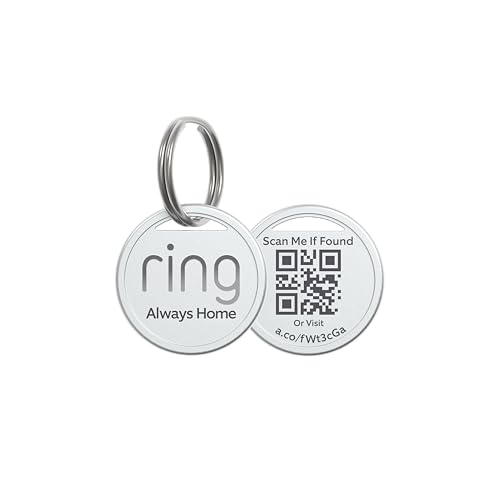
Rather than pretend this is a ranked roundup of many products, it is more honest to point you at one widely available example that illustrates the category, and to give you the checklist to evaluate it and its competitors. You can check the current price on Amazon and hold it against the criteria above: current cellular network generation, real battery life in live-tracking mode versus standby, weight relative to your dog, water rating, attachment security, and two-year cost including any subscription. Owner reviews on the listing are worth reading specifically for reports older than six months, because that is where battery degradation, clip failures, and subscription price changes surface.
Who this kind of option suits: owners who want a low-commitment entry into location tracking, especially for a dog that is mostly contained but has had one or two scare escapes, and who value a low upfront cost over advanced features. The trade-off to weigh is the classic one — entry-level devices generally make compromises somewhere, whether in update frequency, build quality of the attachment, or the richness of the app, and only your own reading of the current specs and reviews will tell you which compromise applies today. There is also a second option worth a look: you can view this option on Amazon as a comparison point on features and price before deciding. For a smaller dog, weight and attachment comfort are the deciding factors; for a swimming, forest-running adventure dog, water rating and battery life under live tracking matter more; for an escape-artist in a suburban yard, safe-zone alert speed is the headline feature. No single device leads on all three.
Tracker Fit, Collar Safety, and Everyday Use
How you mount the tracker matters almost as much as which tracker you buy. Position it on the side or top of the neck rather than underneath, where it can be pressed into the ground when the dog lies down. Make sure the collar itself fits correctly — you should be able to slip two fingers comfortably between collar and neck — because a loose collar sheds both tags and trackers, and a tight one causes skin irritation. Check the attachment hardware weekly; the most common way owners lose a tracker is not electronics failure but a worn clip letting go in brush. If your dog wears a harness for walks, some owners attach the tracker to the harness instead during outings, since a dog slipping a collar mid-chase takes the tracker with it.
Charge discipline is the other habit that determines whether the tracker works when you need it. Pick a recurring time — many owners use Sunday evenings — and top the device up regardless of the reported percentage, because reported battery percentage on small lithium devices is notoriously non-linear in its last quarter. If your model supports a low-battery notification, enable it. And plan for cold weather: lithium batteries deliver less runtime in freezing conditions, so a tracker that lasts five days in summer may last two in a January winter, a limitation owners in northern climates report consistently.
Common Mistakes Owners Make
- Treating the tracker as a substitute for ID and microchipping. Batteries die, devices fall off, and cellular coverage fails. A tracker is an addition to tags and microchip registration, never a replacement. Keep the microchip registration current with your contact details.
- Buying without checking network compatibility. Trackers built for retired 2G or 3G networks, or for carriers with poor coverage in your area, are the leading cause of one-star reviews. Verify before you buy, not after.
- Ignoring the subscription math. The cheapest device with the priciest plan often loses over two years. Always compare total cost of ownership.
- Oversizing the device on a small dog. A heavy tracker on a toy breed is uncomfortable and can contribute to collar aversion. Weight and bulk matter more the smaller the dog.
- Assuming instant, pinpoint accuracy. Under tree canopy or in deep terrain, positions can drift by tens of meters. Expect to use the tracker's live trail and your own eyes together, especially in the final approach.
- Leaving safe-zone alerts off to save battery. This inverts the whole value proposition for most owners; the early alert is usually the most life-saving feature the device offers.
Maintenance and Care
Maintenance for a GPS tracker is simple but worth doing deliberately. Wipe the housing and charging contacts clean after muddy or saltwater exposure, because grime on contacts is a common cause of charging failures, and saltwater is corrosive even to water-resistant housings if left to dry on. Dry the device fully before charging it. Keep firmware updated through the app, since manufacturers push fixes for connectivity and battery management that meaningfully change real-world behavior. Inspect the strap, clip, or collar stitching monthly for wear, and replace attachment hardware before it fails rather than after. When storing a tracker for a season — say, a summer-only camping tracker — store it around half charge in a cool, dry place, following the manufacturer's storage guidance, because lithium cells degrade fastest when stored fully charged and hot.
dog gps trackers keep tabs on your adventure buddy
Limitations You Should Honestly Expect
No consumer tracker is infallible, and setting expectations correctly makes you a better user of whichever one you choose. Live tracking depends on cellular coverage; in genuinely remote backcountry, many devices revert to delayed position logs that upload only when signal returns. Battery life figures are manufacturer estimates under favorable conditions, and real runtime with frequent updates is usually shorter. GPS positions are estimates with error measured in meters, not centimeters. Subscription prices can and do rise after purchase. And a determined dog can remove hardware it finds annoying. The owners who report the best outcomes are consistently those who paired the tracker with training, secure fencing, current identification, and a rehearsed plan for what to do in the first ten minutes after an escape — including checking the app's live trail, alerting neighbors, and knowing the local shelters. For broader lost-pet and emergency preparedness guidance, the AVMA pet owner resources and the ASPCA Animal Poison Control pages cover scenarios a tracker alone cannot solve.
Frequently Asked Questions
How much should I expect to spend?
Hardware for cellular GPS trackers commonly runs from around thirty to well over a hundred dollars, with subscriptions typically adding five to twenty dollars per month depending on the plan and payment frequency. Bluetooth-only finders are far cheaper and have no subscription, but they are a different tool with a different range. Budget on a two-year total cost basis rather than the device price alone.
Will a tracker work in the wilderness where there is no cell service?
Usually not in real time. Some premium devices offer satellite communication features that work beyond cell coverage, at a higher subscription cost. Standard cellular trackers will typically log positions and upload the trail once the device returns to coverage. If backcountry reliability is your priority, look specifically for satellite-enabled models and read owner reports from the terrain types you visit.
Can I use one tracker with multiple dogs?
Each dog needs its own device, since the tracker is physically attached. However, many manufacturers' apps support multiple devices on one account, and some offer discounted multi-device subscriptions, which is worth checking if you have a multi-dog household.
Is a GPS tracker safe for my dog to wear constantly?
Generally yes, provided the device is appropriately light for your dog, the collar fits correctly, and the hardware is inspected regularly. Some owners remove trackers overnight to give the neck a break and to charge the device, which conveniently aligns with charging discipline. If you notice fur wear or skin irritation under the device, reposition it or use a breakaway-style collar appropriate to your dog's lifestyle.
What is the return policy if it does not work out?
Products sold through Amazon typically carry a 30-day return window, but policies vary by manufacturer, and subscription cancellations are governed separately from hardware returns. Check the specific return and cancellation terms on the product page before purchasing, and keep the original packaging until you are confident the device works in your area.
Once you have the checklist in hand — network generation, two-year cost, weight, water rating, attachment security, safe-zone alerts — you can check the current price on Amazon for the example above, or take the same checklist to any competitor. Whichever direction you go, pair the device with current ID tags, registered microchip details, and a rehearsed escape plan; the tracker is one layer of a system, and the system is what brings dogs home.
Disclosure: This article contains affiliate links. If you make a purchase through these links, we may earn a commission at no extra cost to you. Thank you for supporting PawCritic!