Dog Shampoo for Sensitive Skin: A Practical Buying Guide
Category: Dog Grooming and Coat Care | Author: PawCritic Editorial Team | Updated: 2026
As an Amazon Associate, PawCritic earns from qualifying purchases. This does not affect our recommendations, and PawCritic does not perform hands-on product testing; every claim below is drawn from published veterinary guidance, manufacturer specifications, or verified owner reviews.
Why Shampoo Choice Matters More Than Most Owners Realize
Dog skin is not human skin, and the difference shows up most obviously in pH. Human scalp and skin typically sit in a mildly acidic range of roughly 4.5 to 5.5, which is why human shampoos are formulated the way they are. Canine skin, by contrast, is closer to neutral, generally reported in the range of about 6.2 to 7.4 depending on the study and the breed. That gap sounds small, but it is the single most common reason dogs come out of a bath with flaking, itching, and redness: a human shampoo applied to dog skin disrupts the acid mantle and the lipid barrier that holds moisture in and irritants out. For a dog that already has sensitive skin, that disruption can trigger a scratch-itch cycle that lasts for days.
The second reason shampoo choice matters is contact time and concentration. A shampoo sits on a dog's skin for several minutes, is worked into the coat down to the skin level, and is then rinsed over the entire body surface. Anything in that formula, both the good ingredients and the problematic ones, gets intimate access to a large area of skin. This is why veterinary dermatology resources consistently recommend using products specifically formulated for dogs, and why a dog with a diagnosed skin condition usually needs more than a general-purpose cleanser. The Merck Veterinary Manual's dog owner reference covers skin disorders in detail and is a sensible starting point if your dog shows persistent itching, hair loss, or scabbing rather than occasional dryness.
Reading a Dog Shampoo Label: What Actually Matters
The ingredient list on a dog shampoo bottle is more informative than the marketing copy on the front, and learning to skim it takes about ten minutes of practice. Look first for the surfactant system, which is what does the actual cleaning. Gentle, widely used surfactants include cocamidopropyl betaine and various sodium cocoyl or lauryl derivatives derived from coconut. Harsher sulfates such as sodium lauryl sulfate clean aggressively and strip more of the skin's natural oils, which is the opposite of what a sensitive-skinned dog needs. A sulfate-free formula is not automatically superior in every case, but for itchy or dry skin it is a reasonable default.
Next, look for soothing and barrier-supporting ingredients. Colloidal oatmeal is one of the best-documented options for itchy skin and appears in many veterinary-recommended formulas; it works by forming a protective film on the skin and has been studied for its anti-itch effect in both human and veterinary contexts. Aloe vera, allantoin, glycerin, and fatty acids such as linoleic acid all support the skin barrier. Tea tree oil deserves a caution here: although it has genuine antimicrobial properties, it is toxic to dogs at sufficient concentrations, and the ASPCA Animal Poison Control resource maintains guidance on essential oil exposures. If a product contains tea tree oil, it should be at a low, clearly stated concentration, and many owners of sensitive dogs simply avoid it altogether.
Finally, check the pH. Reputable manufacturers of dog shampoo state that their formula is pH balanced for dogs, usually meaning somewhere around 7. If a label makes no mention of pH at all, treat that as a yellow flag rather than proof of a problem, but prefer products that disclose it. Fragrance is the last major label item: 'fragrance-free' is the safest choice for reactive skin, while 'parfum' or artificial fragrance blends are among the most commonly implicated triggers in owner-reported irritation.
Ingredients to Avoid and Ingredients That Are Overrated
- Artificial dyes and heavy synthetic fragrance: these add nothing functionally and are frequent culprits in contact irritation reported by owners of sensitive dogs.
- High concentrations of essential oils: tea tree, peppermint, and citrus oils can cause reactions in sensitive dogs and toxicity at higher doses; low concentrations in rinse-off products are less concerning but not risk-free.
- Harsh sulfate systems: sodium lauryl sulfate strips oils effectively, which is useful for degreasing a dog that rolled in something foul but is counterproductive for routine use on dry skin.
- Alcohol-based formulas: high-alcohol content dries the skin barrier; small amounts as solvents are common and generally acceptable.
- Overrated 'natural' claims: the word natural on a bottle is not a regulated term in pet grooming. A naturally derived ingredient can still irritate, and a synthetic ingredient can be gentle. Judge the ingredient list, not the label art.
Medicated, Oatmeal, Hypoallergenic: Matching the Formula to the Problem
General cleansing shampoos are for healthy coats and routine dirt. Once you move into sensitive-skin territory, three broad categories dominate the shelf, and they are not interchangeable. Oatmeal shampoos are the gentle everyday option for mild itching and seasonal dryness; they soothe rather than treat, and they are safe for frequent use. Hypoallergenic formulas are designed to minimize the number of potential triggers, typically fragrance-free with short ingredient lists, and they suit dogs with food or environmental allergies whose skin reacts to almost anything. Medicated shampoos, by contrast, contain active ingredients such as chlorhexidine, benzoyl peroxide, or miconazole, and they target bacterial, yeast, or seborrheic conditions. These are often recommended by veterinarians for specific diagnoses, need the correct contact time, usually several minutes of sitting on the skin before rinsing, and can be too drying for routine use on skin that is merely sensitive rather than infected.
The practical takeaway is sequencing: if your dog's itching is new, constant, or accompanied by redness, odor, hair loss, or scabs, see a veterinarian before shopping, because a medicated rinse may be the actual answer and no amount of oatmeal will fix a yeast overgrowth. If the problem is occasional dryness or post-bath itching, then a gentler baseline shampoo plus fewer baths is the more effective intervention. Owner reviews across grooming products consistently show this pattern: people who report the best results with gentle formulas are almost always people who also corrected their bathing frequency and rinsing technique at the same time.
How Often Should You Actually Bathe a Sensitive-Skinned Dog?
The old advice that frequent bathing dries out dog skin has been substantially revised. Modern veterinary dermatology generally holds that bathing once a week or even more often is acceptable, and sometimes therapeutic, provided the shampoo is appropriate for the dog's skin condition. For a healthy dog with normal skin, bathing every one to three months is a common baseline, with dogs that swim, roll in mud, or have oily coats needing more frequent washing. For a dog with atopic dermatitis or allergic skin disease, regular bathing with a gentle or prescribed shampoo physically removes allergens from the coat and skin surface, which is part of why veterinarians recommend it as part of a management plan rather than something to avoid.
The variables that matter more than the calendar are water temperature, which should be lukewarm rather than hot, and rinse thoroughness. Residual shampoo left in the coat is a classic cause of post-bath itching, and it is especially easy to miss in dense double coats such as those of Golden Retrievers, Huskies, and Shelties. If your dog itches after every bath despite a gentle formula, incomplete rinsing is the first suspect, followed by towel-drying technique, since vigorous rubbing can mechanically irritate sensitive skin. Blow-drying on a cool setting is gentler than hot air.
Two Concrete Products Worth Examining
Because this guide is not a ranked roundup, it points to two real products that illustrate the two most common paths owners of sensitive-skinned dogs take. Neither is presented as a universal winner; the point is to give you a concrete reference point for what a well-specified product in this category looks like.
A Gentle Everyday Cleanser for Reactive Skin
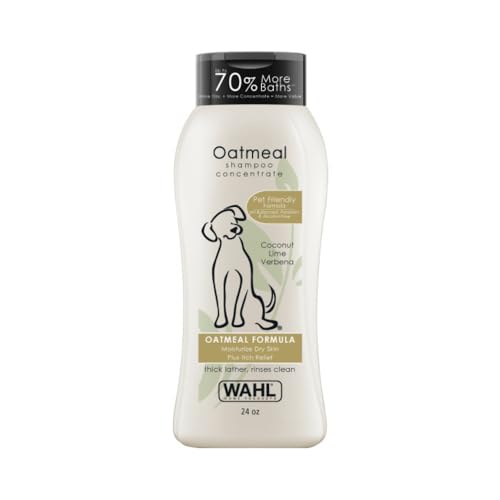
The first example is a widely available gentle dog shampoo positioned for routine use on normal to sensitive skin, generally sold at a mid-range price around the $8 to $15 mark depending on bottle size. Formulas in this class typically feature a mild surfactant system, a stated pH balance for canine skin, and soothing additives such as oatmeal or aloe. This is the sensible default for the majority of owners: a dog that itches occasionally, gets muddy on walks, and has no diagnosed skin disease. The trade-off is that a gentle everyday formula will not resolve an established skin infection, so if symptoms persist beyond a couple of weeks, this category of product is the wrong tool regardless of brand. Owner feedback on products in this class tends to cluster around the same themes: scent is mild, lather is lighter than harsher shampoos, and results depend heavily on thorough rinsing. You can check the current price on Amazon to compare the ingredient list and sizing options yourself before deciding.
A Targeted Formula for Skin Support
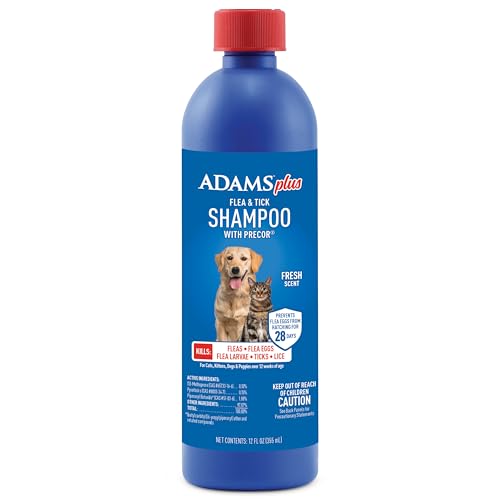
The second example sits in the skin-support tier, meaning formulas built around a specific functional purpose such as itch relief, allergy-prone skin, or microbial balance, often using higher concentrations of oatmeal, omega fatty acids, or antiseptic agents. Products in this tier usually cost somewhat more, roughly $12 to $25, reflecting the more expensive active ingredients. This class suits dogs with a pattern of seasonal itching, mild allergic skin signs, or a history of irritation after grooming with generic products. The trade-offs are real: stronger actives can be drying if overused, some dogs dislike the stronger herbal scents common in this tier, and if the dog's condition is actually bacterial or yeast-driven, an over-the-counter skin-support shampoo may delay proper veterinary treatment. Verified owner reviews for this category repeatedly emphasize checking the concentration of actives and starting with a patch test on a small area before a full bath. You can view this option on Amazon and read the manufacturer's stated use case alongside recent buyer feedback.
Quick Comparison of the Two Approaches
| Approach | Best suited for | Typical price | Main trade-off |
|---|---|---|---|
| Gentle everyday cleanser | Healthy coats, routine dirt, occasional mild itching | $8-$15 | Will not address infections or diagnosed skin disease |
| Targeted skin-support formula | Seasonal itching, allergy-prone skin, frequent-bath routines | $12-$25 | Stronger actives can dry skin if overused; heavier scents |
Breed, Coat, and Age Factors That Change the Math
Coat type changes both the product and the technique. Double-coated breeds trap shampoo against the skin, so a lighter-lathering formula and an extended rinse are advisable; single-coated and wire-haired breeds often tolerate slightly stronger degreasing formulas. Dogs with skin folds, such as Bulldogs and Shar-Peis, benefit from formulas that rinse completely clean with no residue, because trapped moisture and product in folds encourage bacterial and yeast growth. Puppies have developing skin barriers, and manufacturers typically recommend puppy-specific or explicitly all-ages formulas, usually milder and tearless, for dogs under six months. Senior dogs often have thinner, less resilient skin, so the gentle end of the spectrum plus fewer baths is a sound default.
Underlying nutrition also affects skin health more than most owners expect. Dull, flaky, itchy skin can reflect a diet deficient in fatty acids rather than a shampoo problem, and no topical product fully compensates for that. The WSAVA Global Nutrition Guidelines explain how to evaluate a diet's adequacy and are worth consulting before spending more on grooming products. If the coat improves after a diet change, your shampoo budget problem may solve itself.
Common Bathing Mistakes That Worsen Sensitive Skin
- Using human shampoo or dish soap: wrong pH and harsh detergents; dish soap in particular strips the skin barrier and should be reserved for degreasing emergencies such as oil exposure, followed by a gentle shampoo.
- Bathing too hot: hot water feels good to the owner but irritates canine skin; lukewarm is the consistent recommendation.
- Skipping the ear protection: water in the ear canal predisposes ear infections, especially in floppy-eared breeds; cotton balls placed loosely in the ears during bathing are standard advice.
- Rinsing too quickly: residual shampoo is a leading cause of post-bath scratching, particularly in dense coats.
- Switching products every bath: if you change shampoo each time, you cannot tell which formula suits your dog; stick with one for at least several baths before judging.
- Expecting a shampoo to fix a medical problem: persistent odor, scabs, hair loss, and constant scratching warrant a veterinary visit, not another bottle.
Frequently Asked Questions
How often should I bathe a dog with sensitive skin?
For most sensitive-skinned dogs, every two to four weeks with a gentle formula is a common starting point, and dogs under veterinary care for allergic skin disease are often bathed weekly. The key variables are the formula's mildness and rinse thoroughness, not the calendar alone.
Are expensive dog shampoos worth it?
Sometimes. Price often reflects active-ingredient concentration and formulation quality, but a mid-priced gentle formula from a reputable manufacturer frequently performs as well as premium options for routine use. Read the ingredient list rather than the price tag.
Can I use baby shampoo on my dog?
It is a common home workaround and less harmful than adult human shampoo because it is milder, but it is still formulated for human infant skin pH, not canine skin. A dog-specific shampoo is the better regular choice.
How should I store and handle shampoo between baths?
Keep the cap closed, store at room temperature, and check the expiry date if the product contains natural preservatives. Diluting according to the manufacturer's instructions, where directed, improves distribution through thick coats and reduces waste.
Do I need a conditioner?
For long or dense coats, a dog-safe conditioner reduces tangling and adds a small amount of barrier support. For short coats it is usually unnecessary. Never use human conditioner, for the same pH reasons as shampoo.
2026 Update: Leave-On Formats and Between-Bath Care
The category has grown a layer between baths and full washes. Leave-on mousses, foams, and grooming wipes designed for dogs are now widely available, and they fill a genuine gap for allergic dogs on frequent-bath plans: wiping down the coat after a walk removes pollen and surface allergens without another full bath, and a leave-on foam can stretch the interval between therapeutic washes. The same label rules apply as for shampoos, and they matter even more for a product that stays on the skin: fragrance-free, dog-specific, and free of high-concentration essential oils.
Microbiome-focused formulas have also moved from niche to mainstream marketing. The language is ahead of the published evidence, and there is nothing wrong with trying one, but the honest evaluation method is unchanged: short ingredient list, stated pH balance, no known triggers for your dog, and a fair trial of several baths before judging. A formula with a plausible story and an ingredient list full of fragrance is still a worse bet than a boring formula with a clean list.
Two technique reminders that have become standard advice in veterinary dermatology guidance deserve restating. First, patch test anything new on a small area behind a shoulder or on the inner thigh and wait a day before a full bath, which costs nothing and prevents the most common bad outcome in this category. Second, medicated products are contact-time dependent: a chlorhexidine or miconazole rinse that is rinsed out after thirty seconds does little, so follow the label's stated contact time exactly, and do not improvise a shorter version because the dog is impatient.
Referral patterns have improved as well. Telehealth veterinary consultations make it faster to get a persistent skin problem looked at between routine visits, and board-certified veterinary dermatologists remain the right destination for itching that does not respond to a sensible routine. The sequence has not changed: rule out infection and allergy first, choose a product second, and never let a bottle substitute for a diagnosis.
Final Verdict
For most dogs with mildly sensitive skin, the winning combination is unglamorous: a pH-balanced, fragrance-light or fragrance-free dog shampoo, lukewarm water, generous rinsing, and a realistic bathing schedule. The two products highlighted above are useful reference points, one for the gentle everyday path and one for the targeted skin-support path, and both are inexpensive enough that the bigger investment is getting the technique right. If symptoms persist despite a sensible routine, the correct next step is a veterinary dermatology consultation rather than another over-the-counter bottle, because persistent itching in dogs is very often allergic or microbial in origin and responds to treatment, not to cleansing.
Where to Look
As an Amazon Associate, PawCritic earns from qualifying purchases. This does not affect our reviews or recommendations.
If you want to compare current pricing, sizes, and recent buyer feedback, you can check the current price on Amazon for the gentle everyday cleanser, or view this option on Amazon for the targeted skin-support formula. Review the ingredient list against your dog's known triggers before buying, and start with a small patch test if your dog has reacted to grooming products before.
Related Reading
dog ear cleaners and infection treatments, flea and tick prevention for dogs, and dog towels and drying gear.