Gerbil Cages, Tubes and Accessories: A Practical Buying Guide for Burrowing Small Pets
Published on July 7, 2026 by PawCritic — Small Pets Category
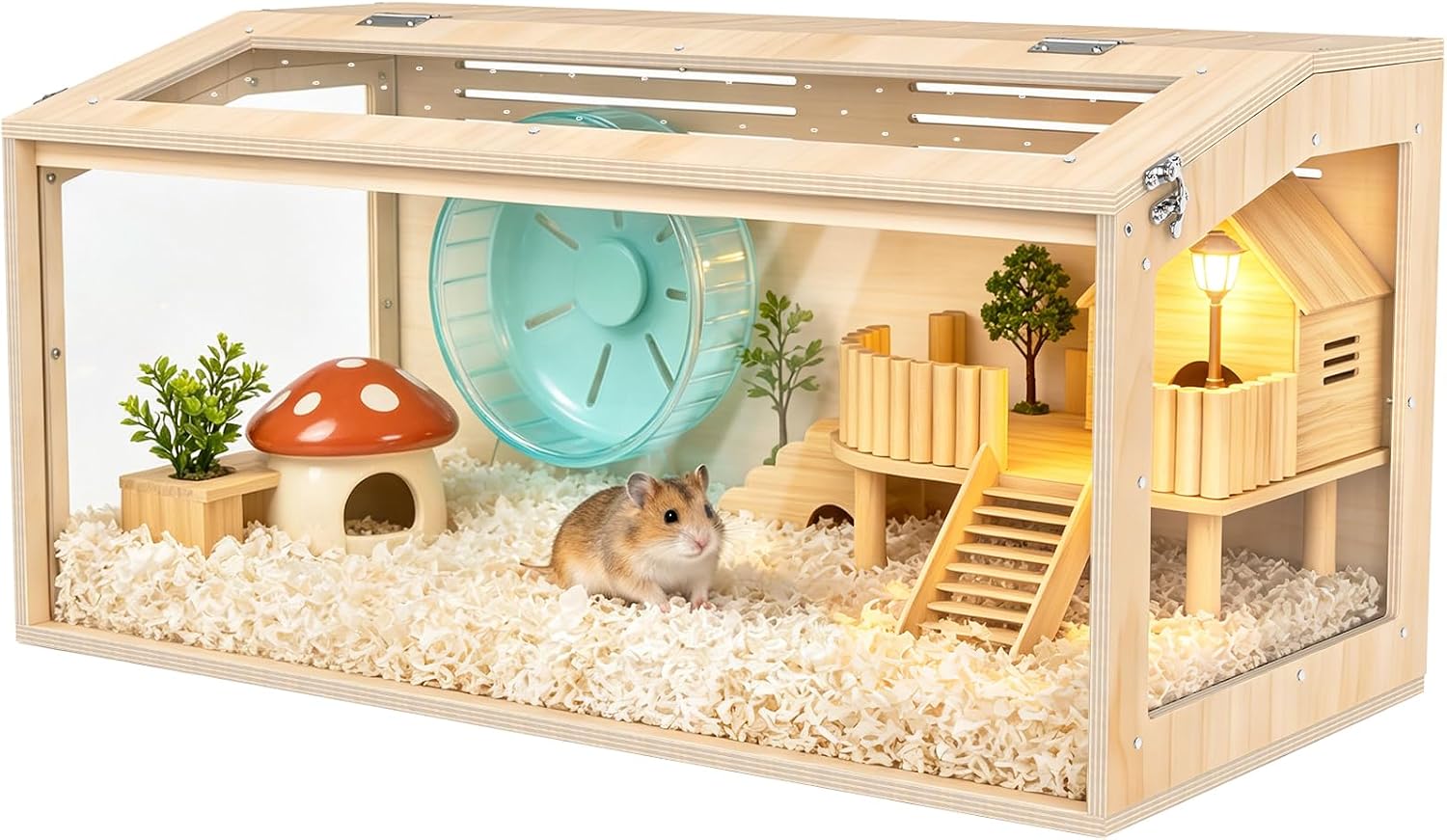
Gerbils are among the most rewarding small pets a household can keep, and also among the most frequently housed in the wrong equipment. Native to the deserts and grasslands of Mongolia and northern China, the Mongolian gerbil is a diurnal, highly social rodent that lives in family groups and constructs extensive burrow systems with nesting chambers, food caches, and multiple entrances. Everything about a good gerbil habitat follows from that natural history: the animal needs companionship of its own kind, deep substrate to dig in, secure containment against escape, and airflow that keeps the dry, desert-adapted respiratory system healthy.
Published husbandry guidance, including the exotic-animal references maintained by the Merck Veterinary Manual's exotic and laboratory animals section, emphasizes that gerbils are burrowers first and climbers second, and that their enclosure should be selected around digging depth rather than vertical height. This guide walks through what that means in practice: how much floor space and bedding depth a pair of gerbils actually needs, which cage materials survive constant gnawing, how tube systems should be sized, which accessories are essential, and which common purchases end up being mistakes. Where specific products are mentioned, they are described based on manufacturer specifications and aggregated owner feedback rather than hands-on evaluation, in keeping with this publication's research-based approach.
Why a Gerbil Cage Is Not Just a Hamster Cage
The single most common housing error is buying a habitat designed for Syrian hamsters or dwarf hamsters and assuming it will suit a gerbil. The two species have meaningfully different needs. Hamsters are solitary and somewhat vertical in their habits; gerbils are social, larger-bodied, more powerful diggers, and far more persistent chewers. A cage with a shallow four-inch plastic base that works adequately for a hamster gives a gerbil almost no opportunity to burrow, and its plastic panels will eventually be gnawed through.
Manufacturer listings for gerbil-specific habitats increasingly reflect this distinction. Modern gerbil cages advertise base depths of eight to twelve inches, powder-coated metal construction rather than molded plastic, and bar spacing around one centimeter (roughly 0.4 inches) that prevents even young gerbils from squeezing between wires. When comparing listings, treat these three numbers — base depth, bar spacing, and floor area — as the primary filters, and treat aesthetics, included accessories, and color options as secondary. A cage that fails on depth or spacing cannot be fixed later with accessories.
It is also worth understanding the enclosure types available before shopping. There are four broad categories on the market: all-metal wire cages with deep bases, glass tank conversions fitted with mesh toppers, hybrid designs that combine a metal frame with a glass viewing panel, and budget plastic-and-wire starter cages with integrated tube ports. Each has real trade-offs in burrowing depth, ventilation, weight, cleaning effort, and lifespan, and the sections below cover them in turn.
Cage Types and Their Trade-offs
Deep-based metal wire cages
A wire cage with a deep solid base is the most commonly recommended permanent gerbil enclosure among experienced keepers. The wire top and sides allow constant air exchange, which matters because gerbils are adapted to arid environments and concentrated ammonia from urine-soaked bedding irritates their airways. A metal base of eight to ten inches accepts enough bedding for genuine tunnel construction, and powder-coated steel cannot be chewed through the way plastic can. The main drawbacks are weight when full of substrate — a large filled cage can exceed sixty pounds — and the fact that solid metal or opaque bases hide the tunnel network rather than displaying it.
Glass tank conversions with mesh toppers
A 40-gallon breeder tank (typically 36 by 18 by 16 inches) topped with a wire mesh topper is widely regarded as the deepest-burrowing option available. The tank itself can hold ten to twelve inches of substrate, which supports the multi-chambered tunnel systems gerbils build in the wild, and glass walls let you watch the excavation happen. The topper adds ventilated upper space for a wheel, food bowl, and water bottle, and mesh flooring lets waste fall through to the bedding below. The trade-offs are significant: the tank is sold separately, weighs eighty pounds or more when filled, and mesh floors require solid platforms or ceramic tiles so the gerbils are not standing on wire permanently. Any tank setup must use a mesh lid rather than a sealed one; an unventilated glass tank is a documented respiratory hazard.
Hybrid metal-and-glass cages
Some manufacturers offer all-metal cages with a tempered glass front panel, combining wire-cage ventilation with tank-style visibility. Owner feedback on these designs tends to highlight the viewing experience as the standout benefit, since tunnel systems are visible through the glass at burrow level. The compromises are a shallower base than a dedicated tank conversion, a glass panel that cannot be removed for cleaning, and the need to clean mineral deposits off the glass periodically with a diluted vinegar solution.
Plastic starter cages with tube ports
The colorful modular cages sold at most pet store chains, with plastic bases and integrated tube systems, occupy a problematic middle ground. They are inexpensive, widely available, and easy to assemble, which explains their popularity with first-time owners. But their shallow bases, small floor areas, and plastic construction make them unsuitable as permanent gerbil housing. Verified owner reports consistently describe gerbils chewing through plastic base trays within weeks. These cages do retain legitimate uses: quarantine housing for a new arrival, short-term travel containment, or a temporary setup while a proper enclosure is sourced. Treat them as a stepping stone, not a destination.
As one concrete example of the deep-based metal category, the check the current price on Amazon listing for a widely available gerbil-specific cage illustrates the spec profile worth comparing against: roughly 741 square inches of floor area, a ten-inch base, one-centimeter bar spacing, and dual-latch door mechanisms. Reading the specification table on that kind of listing is useful even if you ultimately buy a different brand, because it shows what a manufacturer deliberately engineered for gerbils rather than adapted from a hamster design.
Wooden cages
Furniture-style wooden habitats with wire mesh panels are visually appealing and insulate better than wire in cool rooms, but gerbils chew wood enthusiastically and persistently. Owner reports describe chew damage to frames and ramps beginning within the first weeks of use, and urine absorbed into wood produces ammonia and odor problems that cleaning cannot fully resolve. Wooden cages can work only when the interior is lined with metal mesh or acrylic panels, and even then their realistic lifespan with gerbils is far shorter than metal or glass. Most experienced keepers advise against them for this species.
Sizing: How Much Space a Gerbil Actually Needs
The floor-space floor for a pair of gerbils is generally cited at around 600 square inches, roughly a 30 by 20 inch footprint, with more space always preferred. Gerbils are highly active foragers and runners, and keepers with larger enclosures consistently report more natural behavior and less stereotypic bar-gnawing. Because gerbils dig rather than climb, a wide single-level footprint serves them better than a narrow tall cage with many shelves; vertical space is appreciated but should never come at the cost of floor area.
When evaluating a listing, calculate floor area yourself from the stated interior dimensions rather than trusting marketing labels like extra large or XL, which have no standardized meaning. Also check whether the stated dimensions include legs, stands, or external shelves that do not add usable floor. For groups of three or more gerbils, scale up from the pair minimum proportionally, and remember that same-sex groups from a single litter are the least conflict-prone arrangement. Guidance compiled by exotic-mammal veterinary bodies such as the Association of Exotic Mammal Veterinarians is a good reference point for husbandry questions like group composition and introductions, and consulting an exotic-savvy veterinarian before setting up a group is worthwhile for new keepers.
Burrowing Depth and Bedding Choices
Burrowing is not optional enrichment for gerbils; it is their primary organizing behavior, governing how they nest, cache food, and thermoregulate. Six to eight inches of bedding is the practical minimum for tunnel stability, and ten or more inches allows the multi-chambered systems the species builds naturally. Tank conversions handle this best; deep-based metal cages come close; shallow plastic bases cannot achieve it at all.
Bedding material matters as much as depth. Safe, widely recommended substrates include aspen shavings, hemp bedding, and paper-based products, which are absorbent, low-dust, and structurally sound enough to hold tunnels. Two materials should be strictly avoided: cedar and untreated pine shavings, whose aromatic phenols are documented as harmful to rodent respiratory systems, and dusty or clay-based litters that can cause respiratory irritation or gastrointestinal impaction if ingested. A deep substrate layer combined with a topping of hay or shredded paper gives gerbils both structure and nesting material.
Chew-proofing, Materials, and Long-term Durability
Gerbils' incisors grow continuously, and gnawing is a fixed behavior, not a phase. Over months of ownership, this reality sorts cage materials into a clear hierarchy. Powder-coated steel and glass effectively last indefinitely. Wire mesh lasts indefinitely but check welds periodically. Rigid plastics survive in accessories that gerbils chew only occasionally, but fail as structural components. Softwoods fail quickly. When a budget forces a compromise, compromise on size or aesthetics, never on base material.
Chew damage is also an escape risk. Gerbils can pass through surprisingly small openings, so a chewed hole of half an inch or larger in any panel warrants immediate repair or replacement. Make a weekly inspection of base seams, door frames, and tube ports part of the care routine. Equally important for safety: never use cages or accessories with peeling paint, rust, or unknown coatings, since ingested flakes can be toxic. If you are ever unsure whether a material, plant, or household substance is safe around a small pet, the ASPCA Animal Poison Control resource maintains searchable guidance on toxic and non-toxic substances.
Ventilation and Placement
Because gerbils are desert-adapted, they are more sensitive to humid, stagnant, ammonia-laden air than many rodents. Wire-topped cages ventilate passively and well. Glass tanks must always be fitted with a mesh lid or a mesh topper, never a solid cover. Beyond the cage itself, placement matters: keep the habitat out of direct sunlight, away from radiators and drafts, and off the floor in busy households where temperature and vibration fluctuate. A stable room temperature in the typical 65-to-75-degree-Fahrenheit comfort band, consistent light cycles that match the gerbil's diurnal activity pattern, and a quiet-but-not-isolated location all contribute to long-term health.
Tube Systems: Sizing, Connectors, and Cleaning
Tubes are popular enrichment because they echo the tunnel networks gerbils build themselves, but hamster-oriented tube hardware is a frequent mismatch. Adult gerbils are stockier than most hamsters, and owner feedback on narrow three-inch tubes repeatedly describes gerbils getting stuck or simply refusing to use them. Look for tube diameters of four inches or more, transparent construction that lets you confirm occupancy at a glance, and — most importantly — locking-ring connectors rather than friction-fit joints, because a determined gerbil can disconnect a friction-fit tube and create an escape route.
Cleaning is the hidden cost of any tube network. Urine marking inside tubes encourages bacterial growth, so tubes need periodic disassembly and scrubbing with warm water and mild soap; harsh chemicals can cloud clear plastic permanently. A bottle brush sized to the tube diameter makes the job manageable. Design your network with disassembly in mind: a layout you can take apart in ten minutes will actually get cleaned, while an elaborate labyrinth will not. For a look at what a gerbil-appropriate modular tube set includes — straight segments, corner and T-connectors, end caps, and mounting hardware rated for both wire cages and glass tanks — view this option on Amazon to see the component list and compatibility details in one place. One honest limitation to keep in mind: plastic tubes are not chew-proof in principle, although owners report gerbils rarely gnaw them when adequate wooden chew items are provided elsewhere.
It is also worth saying plainly that tubes are enrichment, not a requirement. Gerbils with deep bedding, cardboard tunnels, hideouts, and a proper wheel thrive without any commercial tube system. If budget is limited, prioritize substrate depth and floor area first, and add tubes later if the animals' behavior suggests they would use them.
Essential Accessories
A short list of accessories is genuinely necessary rather than decorative. The exercise wheel should be at least eight inches in diameter with a solid running surface; wire rungs and mesh wheels catch tails and toes and cause well-documented injuries. A heavy ceramic food bowl resists tipping and, unlike plastic, cannot be shredded. A sipper-type water bottle mounted on wire or hung from a tank topper keeps water clean; check daily that the ball valve flows freely. Chew items — untreated hardwood blocks, lava ledges, and plain cardboard — should be abundant and rotated, since they serve dental health as well as boredom. Finally, a sand bath: gerbils groom in fine chinchilla or reptile sand rather than water, and a shallow dish offered two or three times a week maintains coat condition. Never bathe a gerbil in water; their dense fur retains moisture and chills them.
Hideouts deserve particular attention because gerbils sleep communally and pile. Multi-chamber wooden hides, ceramic burrow substitutes, and buried cardboard boxes all work; provide at least one more shelter than the number of gerbils so subordinate animals always have somewhere to retreat. Nesting material should be plain tissue or hay — avoid synthetic fluffy nesting fibers, which are documented to wrap around limbs and cause injuries.
Play Areas Outside the Cage
Supervised out-of-cage time in a playpen or gerbil-proofed area adds exercise and bonding opportunities. Pop-up fabric playpens with mesh tops and wipeable floors are inexpensive and effective, provided they are placed on hard flooring (carpet can be chewed through from the inside), zipped closed, and always supervised — fabric corners can eventually be gnawed. Alternatively, a dry bathtub or a sectioned-off hard floor with cardboard obstacles costs nothing. Whatever the venue, keep sessions to thirty or sixty minutes, provide hides within the play area so the animals feel secure, and never rely on height alone to contain a gerbil: they are capable jumpers and diggers.
Maintenance and Cleaning Schedule
A sustainable cleaning routine balances hygiene against the gerbil's scent-based social biology. Gerbils mark their territory and recognize group members by scent, so wholesale sterilization of the entire enclosure every week is counterproductive and stressful. The widely recommended pattern is: spot-clean visibly soiled bedding daily or every other day; refresh food and check the water bottle daily; wash bowls and bottles weekly with hot water; and replace the full substrate every two to four weeks depending on enclosure size and group size, always mixing a handful of used but clean bedding back in so the territory still smells like home. Inspect cage structure, tube connectors, and chew-prone components at every full clean. Trim the routine to the animal, not the calendar — a large tank with deep bedding tolerates longer intervals than a small cage with shallow substrate.
Common Mistakes to Avoid
Several purchasing and husbandry errors recur constantly in owner communities and veterinary case reports. Housing a gerbil alone is the most serious: as social animals, solitary gerbils develop stress-related behavioral and health problems, so same-sex pairs or groups are the standard recommendation. Buying a cage first and doing species research afterward leads directly to shallow starter cages; decide on bedding depth and floor area before spending money. Choosing cedar or pine bedding on price alone exposes the animals to respiratory toxins. Providing wire wheels or hamster-sized tubes causes injuries or strandings. Bathing gerbils in water instead of offering sand chills them. Ignoring early chew damage until an escape happens turns a cheap repair into a lost animal. And rehoming or merging unfamiliar adult gerbils without a gradual split-cage introduction invites serious fighting — introductions should always use a mesh-divider method over days, with same-litter pairings preferred wherever possible.
Frequently Asked Questions
How big should a gerbil cage be for two gerbils?
Plan for a minimum of about 600 square inches of floor space, with larger always better. Because gerbils burrow rather than climb, prioritize footprint and base depth over height. A wide 40-gallon breeder footprint or an equivalent deep-based metal cage comfortably houses a pair.
Can gerbils live in a glass tank?
Yes, provided the tank is fitted with a mesh lid or mesh topper for ventilation. Tanks offer the deepest bedding capacity of any enclosure type. Their drawbacks are weight and cleaning ergonomics, not suitability. A sealed or solid-lidded tank should never be used.
Do gerbils need tubes?
Tubes are good enrichment but not a necessity. If you install them, choose four-inch or wider diameters with locking connectors, and clean them regularly. Deep bedding with buried cardboard provides similar tunneling value at a fraction of the cost.
What bedding is best?
Aspen shavings, hemp, and paper-based beddings are the standard recommendations. Avoid cedar and untreated pine shavings, dusty substrates, and clumping clay litters. Aim for at least six to eight inches of depth, ideally more.
How often should the cage be cleaned?
Spot-clean soiled areas every day or two, wash bowls and bottles weekly, and do a full substrate change every two to four weeks, leaving a little old bedding behind to preserve familiar scent. Over-cleaning is as problematic as under-cleaning for this species.
How long do gerbils live, and how does that affect the buying decision?
Typical lifespan is three to five years. Buying a durable metal or glass enclosure rather than replacing chewed plastic repeatedly usually costs less over that period and is safer for the animals. A well-chosen enclosure can also serve subsequent generations of gerbils.
Where to Start Shopping
If you take one comparison point away from this guide, make it a deep-based metal gerbil cage with roughly 700-plus square inches of floor area, a base near ten inches, one-centimeter bar spacing, and dual-latch doors — the configuration manufacturers now build specifically for this species. You can view this option on Amazon to see how those specifications read on a real listing, then compare any alternative against that baseline before buying. Whichever route you choose — wire cage, tank conversion, or hybrid — the priorities remain the same: depth for digging, metal or glass for durability, mesh somewhere for airflow, and companions of their own kind. A habitat built around those four principles will support natural burrowing behavior, safe chewing, clean air, and a healthy social group for the full life of your gerbils.
Affiliate Disclosure: PawCritic is a participant in the Amazon Services LLC Associates Program, an affiliate advertising program designed to provide a means for us to earn advertising fees by linking to Amazon.com and affiliated sites. Purchases made through our links help support our independent research at no extra cost to you, and our recommendations are based on manufacturer specifications, published husbandry guidance, and verified owner reports. Thank you for your support.
Last updated: July 7, 2026. Prices and availability are subject to change. Always verify current specifications and pricing on Amazon before purchasing.