Why Hides and Caves Are the Most Important Enclosure Feature
In the wild, a reptile spends the majority of its time hidden, whether under rocks, inside logs, burrowed in leaf litter, or wedged into crevices. This is not shyness; it is survival. Reptiles are prey animals, and even the predators among them, such as a juvenile monitor lizard, are food for birds, snakes, or larger lizards. The instinct to hide when not actively hunting or basking is genetically encoded and non-negotiable. A reptile without a secure hide is a chronically stressed reptile.
According to the Association of Reptilian and Amphibian Veterinarians, providing adequate hides and shelter options in a reptile enclosure is essential for reducing stress and allowing reptiles to thermoregulate safely within their preferred temperature gradients. Published guidance from the Merck Veterinary Manual likewise notes that environmental stressors, including lack of retreat space, contribute to immunosuppression and disease in captive reptiles.
Chronic stress in reptiles manifests as:
- Refusing food, as cortisol elevation suppresses appetite
- Aggressive defensive behavior, including hissing, striking, and tail whipping
- Poor shedding, because stress hormones interfere with the shedding cycle
- Suppressed immune function, making respiratory infections, mouth rot, and parasites more likely
- Failure to thermoregulate properly, as stressed reptiles avoid basking in exposed areas
A hide is not optional. It is an essential enclosure feature on par with heat, water, and food. The right hide depends on species, size, the humidity needs of the enclosure, and whether the hide is placed in the warm or cool zone. This guide covers reptile hides, caves, and shelters, with species-specific recommendations and honest trade-offs.
Key Factors in Choosing a Reptile Hide
- Multiple Hides Required: Every terrestrial reptile enclosure needs at minimum two hides: one on the warm side, above the heat mat or under the basking lamp, and one on the cool side, at the opposite end of the enclosure. The reptile must be able to thermoregulate while remaining hidden. For snakes, a third hide is recommended: a humid hide filled with damp sphagnum moss during shedding.
- Snug Fit: A hide that is too large feels exposed and insecure. The reptile should be able to touch the walls and ceiling of the hide simultaneously. That sensation of being surrounded on all sides triggers the safe neurological response. For growing juveniles, choose hides the reptile will grow into within three to six months, or replace hides as the animal grows.
- Material: Resin, ceramic, cork bark, or plastic. Natural cork bark and resin hides are preferred because they are non-porous, easy to sanitize, do not release volatile organic compounds, and maintain humidity. Avoid unfinished wood that absorbs urine and grows mold, and avoid porous materials that trap bacteria in microscopic crevices.
- Humidity Retention: For species requiring high humidity, such as ball pythons, Brazilian rainbow boas, and green tree pythons, choose a hide material that retains moisture. Resin and ceramic hides with damp sphagnum moss inside create a humid microclimate within the hide, mimicking the burrow environment where these species naturally rest.
- Ease of Access: For snakes that will coil inside the hide and refuse to leave, a hide with a removable top or wide opening is necessary so the snake can be extracted for health checks, cleaning, or feeding. A hide that is a permanent snake fortress is a problem.
Reptile Hides and Caves
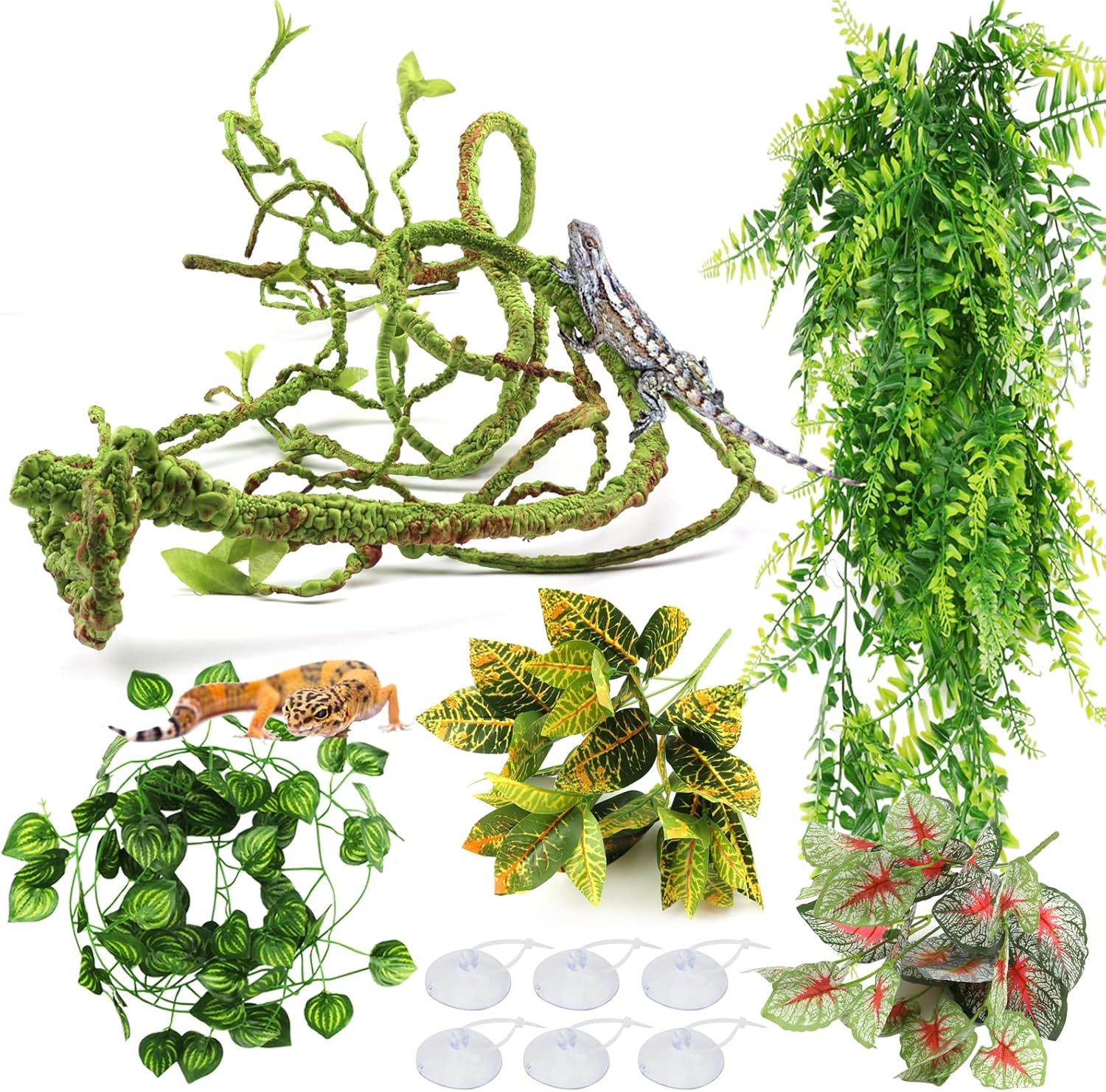
reptile hides caves
The market for reptile hides includes resin caves, half-log shelters, magnetic arboreal hides, natural cork bark rounds, and decorative pieces. What follows is not a ranked testing report but a category guide. Each entry describes what the product is, who it suits, and what the trade-off is, based on manufacturer specifications, published care guidance, and verified owner reports.
Exo Terra Reptile Cave: A General-Purpose Resin Hide
Exo Terra's Reptile Cave is a resin hide with a realistic rock texture, heavy construction that resists being pushed around, a wide entrance, and a removable top for access. It is available in sizes from small, for leopard geckos and juvenile corn snakes, to extra-large, for adult ball pythons, bearded dragons, and blue-tongue skinks. The dark interior simulates a natural rock crevice, and the resin material retains moisture well when paired with damp sphagnum moss for humid hides. The removable top is a practical feature for extracting a snake that is coiled inside and does not want to come out for feeding or health checks.
Who it suits: Keepers who want one hide design that works across multiple terrestrial species, and who value the ability to open the hide without dismantling the enclosure. Trade-off: The open bottom means the hide rests directly on substrate, so reptiles can burrow under it, and the removable top can pop off if a large snake pushes hard enough, though this is rare.
Check the current price on Amazon
Zoo Med ReptiShelter: For Large Snakes and Monitors
Zoo Med's ReptiShelter is a half-log style hide made from resin but molded to look like a natural hollow log, combining the aesthetic appeal of a log hide with the practical advantages of resin: easy to sanitize, moisture-retentive, and non-porous. The open-ended design allows the reptile to enter from either side, providing two escape routes. For large snakes such as adult boas and Burmese pythons, and monitors such as ackies and savannah monitors, the large and extra-large sizes provide adequate space while still feeling secure.
Who it suits: Keepers of large, heavy-bodied reptiles that need a hide proportioned to their size and prefer a natural log appearance. Trade-off: Two exits can feel less secure for some species, particularly ball pythons, which often prefer a single-entrance hide. The open bottom also collects waste, requiring more maintenance than a solid-bottom hide.
Magnetic Arboreal Hides: For Crested and Gargoyle Geckos
Arboreal geckos such as crested geckos, gargoyle geckos, day geckos, and mourning geckos do not hide on the ground. They hide in tree hollows, under bark, and in canopy crevices. A magnetic arboreal hide is a hollow tube that attaches to the glass wall or a magnetic feeding ledge, providing an elevated hide where the gecko naturally rests. The cork bark exterior provides natural grip texture, and the hollow interior provides darkness and security. For arboreal species that will never use a ground-level hide, this type of hide is essential.
Who it suits: Keepers of small to medium arboreal geckos that spend most of their time on glass or branches. Trade-off: The size range is limited, and the cork bark exterior is porous, making it more difficult to sanitize than resin. Magnets can also lose grip over time, so monthly checks are advisable.
Budget Resin Hideouts: For Quarantine and Multi-Hide Setups
Several manufacturers make affordable resin hides in a variety of shapes, including rock, skull, log, and cave, that provide the same essential function as premium caves at roughly half the price. The build quality is often slightly lower, with thinner resin and less weight, but the security function is identical. For keepers on a budget, or for quarantine setups where hides are frequently replaced, budget resin hides provide the essentials without the premium price tag.
Who it suits: Keepers setting up multiple enclosures, quarantine tanks, or secondary hides where cost matters more than longevity. Trade-off: Thinner resin is less durable and more likely to crack if dropped, and lighter weight means large snakes can push these hides around, so adding a rock inside for weight may be necessary.
Natural Cork Bark Rounds: For Humidity and Bioactive Setups
A natural cork bark round, a hollow piece of cork bark usually eight to sixteen inches long and four to ten inches in diameter, is the most natural hiding option available. It is literally the same material reptiles hide in and under in the wild. Cork bark retains moisture exceptionally well, creating a natural humid environment inside the tube, which is ideal for species requiring sixty percent humidity or higher. The textured interior provides excellent grip for climbing and resting. Cork bark also provides a surface for beneficial mosses and biofilm to grow, contributing to a bioactive enclosure's micro-ecosystem.
Who it suits: Keepers of humid species such as ball pythons, boas, and rainbow boas, and anyone running a bioactive enclosure. Trade-off: Cork is porous and more difficult to sanitize thoroughly than resin. It can grow mold in excessively high humidity without ventilation, and the irregular shape means each piece is unique, so size is approximate.
Enclosed Rock Lairs: For Snakes That Need Tight Cover
An enclosed rock lair is a snake-oriented hide: a fully enclosed resin cave with a single small entrance and a completely dark interior that replicates the tight rock crevices snakes use in the wild. The flat top often doubles as a basking platform, so placing it on the warm side under the heat lamp lets the snake thermoregulate on top of the hide while retreating inside for security. The single small entrance provides the surrounded-on-all-sides sensation that snakes find most secure.
Who it suits: Keepers of ball pythons, corn snakes, king snakes, and hognose snakes, particularly nervous individuals that refuse to use open hides. Trade-off: There is usually no removable top, so extracting a reluctant snake requires pulling it out. The size range is also limited, and the design is not ideal for lizards, tortoises, or species that need wide entrances.
Decorative Hides: For Themed Enclosures
For keepers who want a hide with aesthetic personality, such as a dinosaur skull or a natural rock arch that doubles as a centerpiece, decorative hides provide the security function with visual impact. The eye sockets and jaw openings of a skull hide, for example, provide multiple entrances, the interior is dark and secure, and the piece acts as a conversation piece. While not to every keeper's taste, decorative hides serve the same security function as plain resin hides and become a focal point of the enclosure design.
Who it suits: Keepers who want a themed or display-oriented enclosure and do not mind cleaning around complex shapes. Trade-off: Some reptiles may hesitate to enter unexpectedly shaped openings, and multiple openings can reduce perceived security for species that prefer a single entrance.
Comparison of Hide Types
| Hide Type | Material | Removable Top | Size Range | Best For | Typical Price |
|---|---|---|---|---|---|
| General-purpose resin cave | Resin | Yes | S to XXL | All-around terrestrial use | $10-30 |
| Half-log resin shelter | Resin | No | M to XXL | Large snakes, monitors | $15-35 |
| Magnetic arboreal hide | Cork and plastic | Not applicable | S only | Arboreal geckos | $10-15 |
| Budget resin hideout | Resin | No on most models | S to L | Budget and quarantine | $5-12 |
| Cork bark round | Natural cork | No, open tube | Variable | Humid species, bioactive | $8-25 |
| Enclosed rock lair | Resin | No | M to L | Snakes, fully enclosed | $10-20 |
| Decorative skull hide | Resin | No | M | Themed setups | $15-25 |
Species-Specific Hide Recommendations
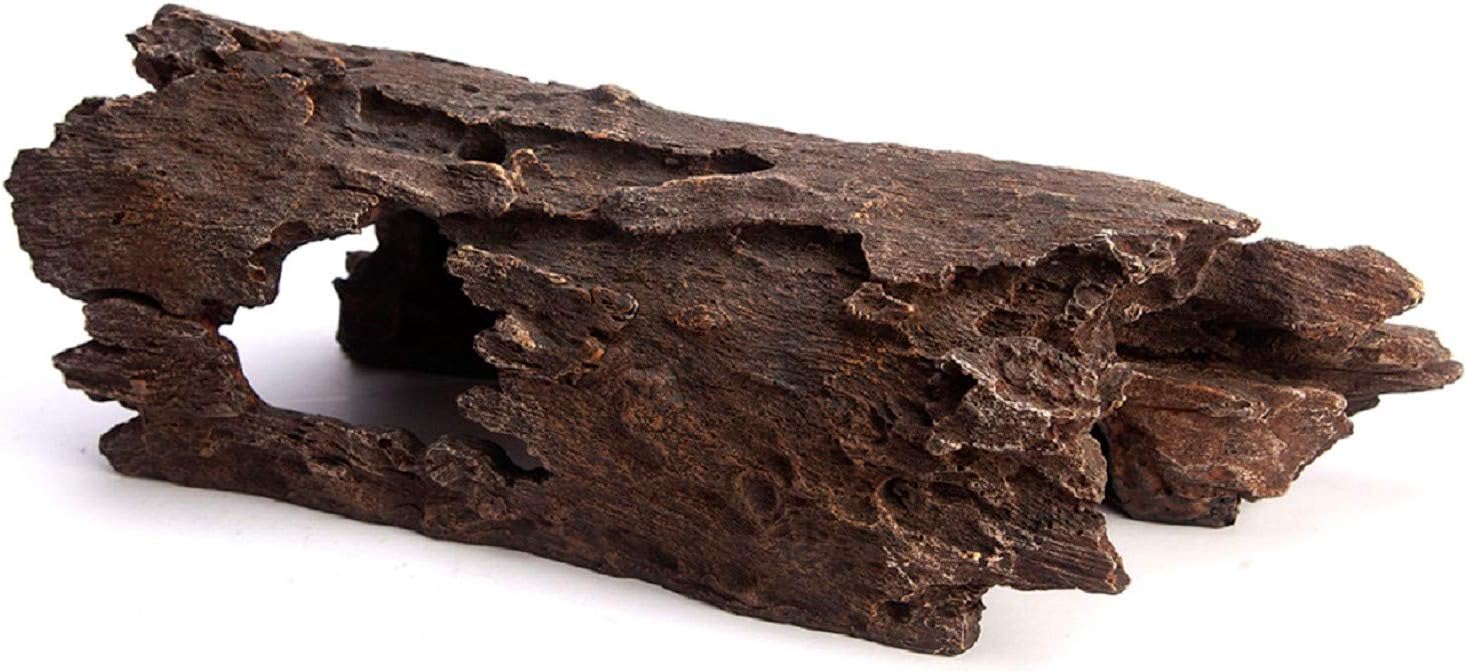
reptile hides caves
| Species | Warm Hide | Cool Hide | Notes |
|---|---|---|---|
| Ball Python | Large resin cave or enclosed rock lair | Large resin cave or cork bark round | Add a third humid hide with damp moss during shed. Ball pythons prefer snug, fully enclosed hides. |
| Leopard Gecko | Medium resin cave | Medium budget resin hideout | Add a third humid hide with damp moss, critical for leopard gecko shedding. |
| Crested Gecko | Not applicable, arboreal | Magnetic hide plus cork bark round | Arboreal species, so ground hides are useless. Use magnetic wall hides and cork tubes. |
| Bearded Dragon | Large half-log shelter | Large resin cave | Bearded dragons spend less time hiding than snakes but still need the option. |
| Corn Snake | Medium to large resin cave | Medium budget resin hideout | Less reclusive than ball pythons, so two hides plus climbing branches is sufficient. |
| Russian Tortoise | Large half-log shelter | Large cork bark round | Floor-level hides with wide entrances, as tortoises cannot compress into tight spaces. |
| Boa Constrictor | Extra-large resin cave or half-log shelter | Extra-large resin cave or cork bark round | Large constrictors need proportionate hides. The hide for an adult boa must accommodate a six-foot snake. |
Creating a Humid Hide: The Shedding Tool
A humid hide is a third hide, in addition to the warm and cool hides, with damp sphagnum moss or moist paper towels inside that provides localized eighty to one hundred percent humidity. This is essential for reptile shedding. The steps are straightforward:
- Take a hide, such as a resin cave, an enclosed rock lair, or a simple plastic container with an entrance hole cut into it, and place it on the warm side of the enclosure.
- Fill the interior with damp sphagnum moss or moist paper towels. The material should be damp, not wet, so squeeze out excess water before placing it.
- Place the hide so the entrance faces away from the enclosure door to reduce disturbance.
- Spray the moss with water every one to two days to maintain moisture.
- Remove the humid hide one to two days after the reptile has completed shedding, because prolonged moist conditions can cause scale infections.
Species that most benefit from a humid hide include ball pythons, which are notorious for stuck shed, leopard geckos, which can have toe and eye cap shedding issues, chameleons, which may retain shed on the casque and legs, and any high-humidity species during the shedding cycle. According to the ASPCA Animal Poison Control, owners should also ensure that any moss or substrate used in a humid hide is free of pesticides and other contaminants, since reptiles may ingest small amounts while exploring.
Sizing, Placement, and Maintenance
Hide sizing is one of the most common mistakes in reptile husbandry. A hide that is too large defeats its purpose, because the reptile cannot touch the walls and ceiling and therefore does not feel enclosed. A hide that is too small can cause abrasions or prevent the reptile from coiling properly. The general rule is that the hide should be just large enough for the reptile to fit inside with its body touching the sides and top. For growing animals, check the fit every few weeks and replace the hide when the reptile can no longer touch the ceiling.
Placement matters as much as size. The warm hide should sit directly over the heat mat or under the basking lamp, where the substrate temperature matches the species' preferred basking range. The cool hide should sit at the opposite end of the enclosure, where the temperature is closer to room level. A thermometer placed inside each hide, at substrate level, is the only reliable way to confirm that the temperatures are correct. Many keepers discover that a hide they thought was warm is actually too hot or too cool, which explains why the reptile avoids it.
Maintenance of hides is often overlooked. Reptiles spend hours in direct contact with the interior surfaces, and waste, urates, and shed skin can accumulate inside. Resin and ceramic hides can be scrubbed with a reptile-safe disinfectant, rinsed thoroughly, and air dried. Cork bark is more porous and should be inspected for mold and replaced if it develops dark patches or a musty odor. Magnetic hides should be checked monthly for magnet strength, and any hide with cracks or chips should be replaced, because bacteria can enter hairline cracks and cannot be cleaned out.
Common Mistakes and What to Avoid
One common mistake is providing only one hide. A single hide forces the reptile to choose between security and thermoregulation, and most reptiles will choose security, which means they stay too cool or too warm for extended periods. Another mistake is using a hide that is too large because the keeper expects the reptile to grow into it. A juvenile ball python in an adult-sized hide will often refuse to eat and may become chronically stressed. It is better to use a smaller hide and replace it as the animal grows.
A third mistake is using cardboard or paper towel tubes as permanent hides. These can work temporarily, but cardboard absorbs urine and humidity, grows mold within days, and may contain glues or inks that are not safe in a reptile enclosure. For permanent hides, resin, cork bark, or wildlife-safe plastic are the appropriate materials. Finally, keepers sometimes place a hide in the wrong temperature zone and then conclude that the reptile does not like the hide. Checking temperatures inside the hide, not just in the enclosure, usually reveals the problem.
It is also worth noting that hide needs change with the seasons and with the reptile's reproductive cycle. Females may seek tighter, warmer hides when gravid, and some species become more reclusive during brumation or cool-down periods. Providing a range of hide sizes and materials gives the reptile the ability to choose what it needs at different times.
Frequently Asked Questions
Why does my snake never use any of the hides I have provided? What is wrong?
Three causes are most likely. First, the hide is too large, so a ball python in a bearded-dragon-sized hide feels exposed. The reptile should touch the walls of the hide simultaneously, so try a smaller, snugger hide. Second, the hide is in the wrong zone. If the warm hide is too hot or the cool hide is too cold, the snake will not use either and will choose a spot between them on the substrate where the temperature is close enough. Check temperatures at the substrate surface inside each hide. Third, the hide material may be unfamiliar or have an odor, so ensure the hide is clean, neutral-smelling, and made of a natural material like resin or cork.
Can I use a cardboard box or toilet paper roll as a hide?
Temporarily, yes. A clean cardboard box or paper towel tube provides temporary security. However, cardboard absorbs urine and humidity, grows mold within days, and the glue holding it together may contain chemicals that should not be in a reptile enclosure. For permanent hides, always use resin, cork bark, or wildlife-safe plastic. Cardboard is a short-term emergency option only.
How many hides does my reptile need?
Minimum: two, a warm hide and a cool hide. Recommended: three, adding a humid hide during shedding. For larger enclosures: four or more, including a warm hide, cool hide, humid hide, and additional cover in the form of cork bark flats, foliage, and climbing branches. Reptiles in larger enclosures need proportionally more cover. A four by two by two enclosure with one hide on each side still leaves most of the enclosure as exposed space.
Do I need to disinfect new hides before placing them in the enclosure?
Yes. New hides can carry dust, manufacturing residue, or pathogens from storage and shipping. Rinse resin and ceramic hides with warm water, scrub with a reptile-safe disinfectant or a diluted vinegar solution, rinse thoroughly, and air dry before placing them in the enclosure. Cork bark should be inspected for pests and mold, and if necessary, baked at a low temperature according to guidance from reptile keepers, or replaced if it appears contaminated.
Can I use the same hide for different reptiles?
Only if the hide is thoroughly disinfected between uses, because pathogens can transfer between reptiles. This is particularly important in quarantine situations, where each new animal should have its own hide that is not shared with established animals until the quarantine period is complete and veterinary clearance is obtained.
Final Considerations
For the majority of terrestrial reptiles, a general-purpose resin cave with a removable top is a sound starting point. Resin construction, a removable top, realistic appearance, moisture retention, and a range of sizes make it suitable for species from juvenile leopard geckos to adult boas. Two of these hides, one warm and one cool, meet a reptile's fundamental hiding needs.
For large snakes and monitors, half-log resin shelters provide the size and open-ended design these species appreciate. For ball pythons and similar snakes, an enclosed rock lair with a single entrance and a flat top for basking is a practical choice. For arboreal geckos, magnetic hides attach to the glass wall at canopy level where these species live, since a ground hide is useless. For keepers running bioactive enclosures or any setup requiring high humidity, natural cork bark rounds provide the most natural moisture-retentive hiding material available.
One final rule: always disinfect hides during deep cleaning. Use a reptile-safe disinfectant or a diluted vinegar solution that is safe for reptiles when thoroughly rinsed, scrub the interior completely, rinse thoroughly, and air dry before returning the hide to the enclosure. Hides are the reptile's bed, bathroom, and safe space, so they need to be clean. When in doubt about a reptile's specific needs, consult a veterinarian who treats exotic animals, and use the resources from the Association of Reptilian and Amphibian Veterinarians and the Merck Veterinary Manual as starting points for further reading.
Affiliate Disclosure: PawCritic.com participates in the Amazon Services LLC Associates Program. We may earn commissions from qualifying purchases at no extra cost to you.
Where to Buy
As an Amazon Associate, PawCritic earns from qualifying purchases. This does not affect our reviews or recommendations.