Best Small Pet Hideouts and Cuddle Cups: A Research-Based Buying Guide
Published on June 27, 2026 by PawCritic — Small Pets Category
Source: RSPCA (UK): According to the RSPCA, pododermatitis (bumblefoot) is a common and painful condition in rabbits caused by prolonged contact with hard or wet surfaces, making appropriate flooring and bedding essential preventive measures.
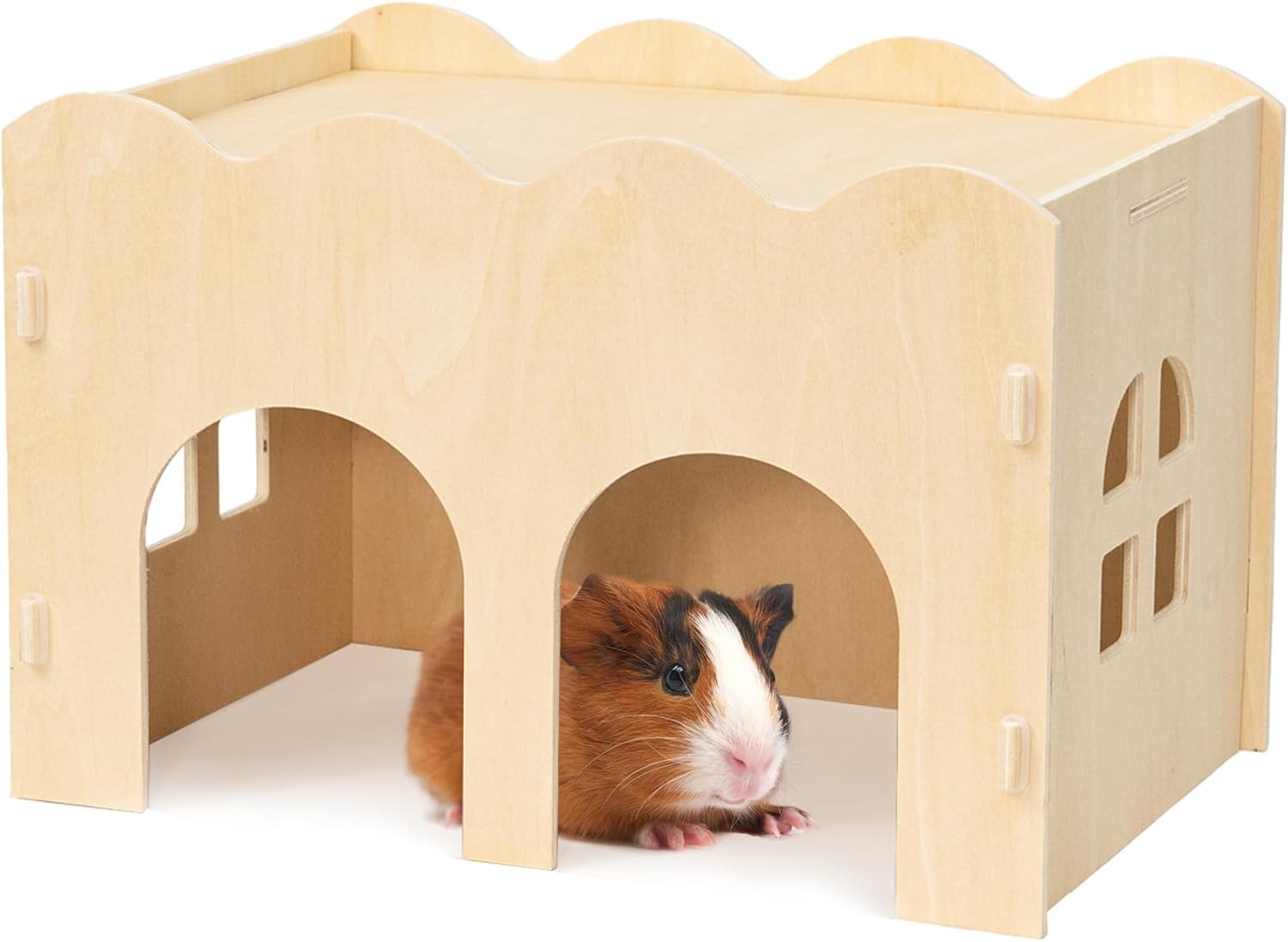
If you have ever watched a guinea pig sprint into a tunnel or a hamster stuff an entire mouthful of bedding into a tiny house, the appeal of a hideout is obvious. For small prey species, hiding places are not optional accessories. They are biological necessities. In the wild, small animals are hunted by everything from hawks to foxes, and the drive to seek cover is hardwired. Published guidance from exotic animal veterinarians consistently notes that a small pet without adequate hiding places experiences chronic stress that can suppress the immune system, shorten lifespan, and trigger stereotypic behaviors such as bar chewing, fur pulling, and pacing. The Association of Exotic Mammal Veterinarians emphasizes environmental enrichment, including retreats, as a core component of small mammal wellness.
The modern market for small pet hideouts has expanded well beyond the classic wooden house and plastic igloo. Shoppers now encounter self-warming fleece cuddle cups with microwaveable inserts, felted wool cave dens that wick moisture, stackable modular hideout systems, hanging fleece forests for rats and ferrets, and bioactive-ready cork bark tunnels for naturalistic setups. With so many options, finding the right hideout for a specific small pet requires understanding species behavior, material safety, sizing, and maintenance. This guide reviews what published guidance, manufacturer specifications, and verified owner reports say about the most common hideout categories, with a focused look at one concrete fleece cuddle cup example readers can evaluate on Amazon.
Quick Comparison Table
| Product Category | Best For | Type | Material | Washable | Chew-Resistant |
|---|---|---|---|---|---|
| Fleece Cuddle Cup | Guinea Pigs / Rabbits | Fleece Pocket | Anti-Pill Fleece | Machine Wash | Moderate |
| Timothy Hay Bungalow | Rabbits / Guinea Pigs | Edible House | Timothy Hay and Cardboard | Replace Only | Edible (Safe) |
| Wooden Hideout | Hamsters / Gerbils | Wooden House | Natural Bamboo and Poplar | Spot Clean | Excellent |
| Fleece Forest Hideaway | Rats / Ferrets | Hanging Fleece Cave | Anti-Pill Fleece | Machine Wash | Moderate |
| Plastic Igloo | General Affordable | Plastic Dome | Non-Toxic Plastic | Hand Wash | Good |
| Natural Cork Bark Tunnel | Bioactive / Natural | Cork Bark Tube | Natural Cork | Replace Only | Natural |
| Plastic Hideout | Multi-Species | Plastic Igloo | Durable Plastic | Hand Wash | Good |
| Self-Warming Cuddle Disk | Winter / Cold Climates | Heated Cuddle Cup | Fleece and Thermal Layer | Machine Wash | Moderate |
| Natural Grass Hideaway | Rabbits / Chinchillas | Woven Grass Hut | Seagrass and Sisal | Replace Only | Edible (Safe) |
| Modular Stackable Cave System | Rats / Ferrets / Multi-Pet | Modular Stackable | Fleece and Fleece Panels | Machine Wash | Moderate |
Fleece Cuddle Cups for Guinea Pigs and Rabbits
Fleece cuddle cups are among the most widely recommended soft hideouts for guinea pigs, rabbits, rats, ferrets, and chinchillas. These soft, open-top fleece pockets provide a combination of security and accessibility: small animals can burrow into the plush fleece while the open top allows them to see their surroundings. The deep pocket design creates a warm microclimate that mimics a natural burrow, and anti-pill fleece is generally regarded as safe, non-toxic, and gentle on sensitive noses and whiskers. Owner reports consistently describe guinea pigs and rabbits adopting these cups quickly, often within the first day.
Key Specifications
- Material: Anti-pill fleece (pet-safe, non-toxic)
- Sizes: Small (10 x 8 x 6 inches), Medium (12 x 10 x 8 inches), Large (14 x 12 x 10 inches)
- Care: Machine washable, tumble dry low
- Features: Deep pocket design, open top, no sharp edges
- Best for: Guinea pigs, rabbits, rats, ferrets, chinchillas
Strengths
- Wide acceptance among guinea pigs and rabbits in owner reports
- Deep fleece pocket creates a warm, cozy environment
- Machine washable, which supports hygiene in the cage
- Multiple sizes fit most cage configurations
- Open top allows ventilation while maintaining a sense of security
Trade-Offs
- Chew-happy rabbits may eventually damage the fleece
- Not ideal for hamsters, which prefer enclosed, dark spaces
- Pilling occurs over time with frequent washing
- Can hold odors if not washed regularly
For readers who want a concrete example of this category, the fleece cuddle cup linked below is a representative option. It is machine washable, available in multiple sizes, and matches the general design that owner communities most often describe as successful for guinea pigs and rabbits. check the current price on Amazon. Readers who prefer a slightly different size or bundle configuration can view this option on Amazon.
Timothy Hay Bungalow Edible House
Edible hideouts made from compressed timothy hay and corrugated cardboard occupy a different niche: they double as enrichment and food. Rabbits, guinea pigs, and chinchillas can safely chew and consume the structure, which aligns with the natural foraging behavior these species exhibit in the wild. Published guidance from the ASPCA pet care library notes that safe chew items are important for dental health and behavioral enrichment in small herbivores. The trade-off is lifespan: these hideouts are disposable and may be destroyed within days by an enthusiastic chewer.
Key Specifications
- Material: 100 percent natural timothy hay and corrugated cardboard
- Sizes: Small to Large
- Edible: Yes, safe to eat
- Care: Replace when soiled or eaten
- Features: Biodegradable, enrichment, foraging toy
- Best for: Rabbits, guinea pigs, chinchillas
Strengths
- Edible and safe for enthusiastic chewers
- Encourages natural foraging and nesting behavior
- Biodegradable and eco-friendly
- Provides both hiding spot and enrichment activity
- Cardboard tube connectors allow multiple units to be joined
Trade-Offs
- Disposable and needs regular replacement
- Attracts hay dust and debris
- Not suitable as a permanent hideout
- Can be messy as hay is pulled apart
This category suits owners who want a consumable enrichment item rather than a durable hideout. It is a poor fit for a primary sleeping spot because it will be eaten, but it works well as a secondary option rotated into the cage for novelty.
Wooden Hideout Houses
Wooden hideouts, typically made from bamboo and poplar, are a mainstay for hamsters, gerbils, mice, and degus. These species are burrowing animals that prefer enclosed, dark spaces with small entrances. Wooden houses with tunnels mimic natural burrows, and because the material is chewable, they satisfy the rodent urge to gnaw without introducing plastic fragments into the digestive tract. Snap-together assembly without glue is a key safety feature, since glued joints can fail and expose adhesive that is not meant to be ingested.
Key Specifications
- Material: Natural bamboo and poplar wood
- Sizes: Small (6 x 5 x 4 inches), Medium (8 x 6 x 5 inches), Large (10 x 7 x 6 inches)
- Assembly: Snap-together, no glue or tools
- Care: Spot clean with pet-safe cleaner
- Features: Flat roof doubles as platform, multiple exits
- Best for: Hamsters, gerbils, mice, degus
Strengths
- Natural wood is safe for chewing
- Snap-together assembly requires no glue
- Flat roof provides extra platform space
- Multiple entry and exit options reduce stress
- Stackable for multi-level hideout systems
Trade-Offs
- Cannot be fully disinfected because wood is porous
- Replace every 6 to 12 months depending on chewing
- Not water-resistant, so avoid wet areas
- May splinter if aggressively chewed
Wooden hideouts are best for owners who accept that the product is semi-consumable. They are not the right choice for a bioactive setup where moisture is high, but they are among the most species-appropriate options for burrowing rodents.
Fleece Forest Hanging Hideaway
Hanging fleece hideaways are designed for arboreal and semi-arboreal small pets such as rats, ferrets, mice, and sugar gliders. The hanging design saves floor space and allows pets to climb inside, which matches the natural climbing behavior of these species. Multiple entry points are important for social species because they reduce the chance that one animal blocks another inside the hideout, a common cause of squabbles in multi-pet cages.
Key Specifications
- Material: Anti-pill fleece, hanging straps
- Size: 12 x 10 x 8 inches (hanging)
- Care: Machine washable
- Features: Hanging design saves floor space, multiple levels
- Best for: Rats, ferrets, mice, sugar gliders
Strengths
- Saves floor space in the cage
- Soft fleece is comfortable for resting
- Hanging design allows pets to climb inside
- Machine washable for easy cleaning
- Multiple entry points suit social species
Trade-Offs
- Must be securely fastened to prevent falling
- Not suitable for heavy chewers
- May swing and startle nervous animals
- Limited size, best for small rodents
This category is a strong choice for rat and ferret owners who want to use vertical cage space. The main caution is fastening: a falling hideout can injure a pet, so hardware and straps should be checked regularly.
Plastic Igloos and Hideouts
Plastic igloos from established brands remain the most affordable and widely available hideout category. They are dishwasher safe on the top rack, durable enough to withstand moderate chewing, and lightweight enough to reposition easily. The main limitations are ventilation and single-entrance design. A single entrance can make a fearful animal feel trapped, and poor ventilation can allow heat to build up inside the dome on warm days. Plastic also scratches over time, and scratched surfaces can harbor bacteria if not cleaned thoroughly.
Key Specifications
- Material: Non-toxic, chew-resistant plastic
- Sizes: Small (guinea pig), Medium (rabbit), Large (ferret)
- Care: Dishwasher safe (top rack)
- Features: Dome shape, single entrance, ventilation slots
- Best for: Guinea pigs, rabbits, ferrets, budget keepers
Strengths
- Very affordable
- Dishwasher safe for thorough cleaning
- Durable against moderate chewing
- Widely available at pet stores
- Lightweight and easy to reposition
Trade-Offs
- Poor ventilation can allow heat to build up
- Single entrance provides no escape route
- Plastic scratches and becomes cloudy over time
- Not natural-looking in aesthetically designed cages
Plastic igloos are a reasonable starter hideout for budget-conscious owners, but they are not the best choice for heavy chewers or for pets that need a second exit to feel secure. Owners of aggressive chewers should monitor plastic hideouts for missing pieces and replace them if damage appears.
Natural Cork Bark Tunnels
Cork bark tunnels are popular in bioactive and naturalistic setups. Cork is naturally resistant to mold and microbial growth, which makes it suitable for humid environments where wood would degrade. The material is chewable and biodegradable, and each piece is unique in shape. The trade-off is that cork cannot be fully disinfected and must be replaced periodically, and loose bark pieces can create mess in the enclosure.
Key Specifications
- Material: 100 percent natural cork bark
- Sizes: 6 to 12 inch lengths, 2 to 4 inch diameter
- Care: Replace when soiled
- Features: Naturally resistant to mold, chewable
- Best for: Hamsters, gerbils, mice, bioactive setups
Strengths
- Natural material suitable for bioactive enclosures
- Naturally resistant to mold and microbial growth
- Encourages natural burrowing and tunneling
- Biodegradable
- Each piece is unique and natural-looking
Trade-Offs
- Must be replaced regularly and cannot be fully disinfected
- Loose bark pieces create mess
- Limited sizes may not fit all cages
- Not for heavy chewers who might eat too much cork
Cork tunnels suit keepers who prioritize naturalism and are willing to replace items periodically. They are less appropriate for pets that aggressively consume bedding materials.
Self-Warming Fleece Cuddle Disks
Self-warming cuddle disks use a reflective thermal layer to bounce the pet's own body heat back toward them. No electricity is involved, which removes a significant safety concern in chewed cages. Manufacturer specifications typically claim 5 to 8 degrees Fahrenheit of additional warmth in cold cages. These products are most relevant for winter months, hairless breeds, and sick or elderly small pets that have difficulty thermoregulating. They are not a substitute for proper room heating, and the thermal insert degrades after many washes.
Key Specifications
- Material: Fleece and self-warming thermal layer
- Size: 10 inch diameter (standard)
- Heat: No electricity, reflects body heat
- Care: Machine washable (remove thermal insert)
- Best for: Winter months, hairless breeds, sick pets
Strengths
- No electricity needed
- Thermal layer reflects the pet's own body heat
- Manufacturer specifications claim 5 to 8 degrees Fahrenheit of extra warmth
- Machine washable fleece cover
- Ideal for sick, elderly, or hairless small pets
Trade-Offs
- Not for heavy chewers, since fleece can be ingested
- Thermal insert degrades after many washes
- Not a replacement for proper heating in cold rooms
- One size fits most, not for giant rabbit breeds
Self-warming disks are a useful seasonal addition for owners in cold climates. They should be paired with a room thermometer and common-sense husbandry rather than relied on as the sole heat source.
Natural Grass Hideaway Huts
Woven grass huts made from seagrass and sisal are edible, biodegradable, and appealing to small herbivores. Rabbits, chinchillas, guinea pigs, and degus can chew and consume the material safely. The natural scent is often described as appealing to these species. The main drawback is durability: many pets destroy a grass hut within hours, and the structure cannot be cleaned or disinfected, so it must be replaced every 2 to 4 weeks.
Key Specifications
- Material: Natural seagrass and sisal
- Size: 8 x 6 x 5 inches
- Edible: Yes, 100 percent natural plant material
- Care: Replace when soiled
- Best for: Rabbits, chinchillas, guinea pigs, degus
Strengths
- Natural, edible plant materials
- Encourages natural foraging behavior
- Provides both hideout and chew toy
- Biodegradable and eco-friendly
- Natural scent is appealing to small herbivores
Trade-Offs
- Disposable and needs replacement every 2 to 4 weeks
- Cannot be cleaned or disinfected
- Some pets destroy it within hours
- Not suitable as a primary permanent hideout
Grass huts work best as enrichment items rotated into the cage rather than as the only hiding place. Owners should expect to replace them frequently and should check for soiled areas that need removal.
Modular Stackable Fleece Cave Systems
Modular fleece cave systems consist of fleece panels and connectors that can be stacked and reconfigured. They are the most customizable option and are particularly well suited to rats, ferrets, mice, and multi-pet households. Stacking saves floor space and creates a complex enrichment environment with tunnels connecting multiple hideouts. The main drawbacks are cost, the risk of connectors coming loose with heavy use, and the large footprint even when stacked.
Key Specifications
- Material: Anti-pill fleece panels with connectors
- Configurations: Single, Double, Triple stack
- Care: Machine washable (individual panels)
- Features: Stackable, reconfigurable, tunnels included
- Best for: Rats, ferrets, mice, multi-pet households
Strengths
- Fully customizable configuration
- Saves cage space by stacking vertically
- Fleece tunnels connect multiple hideouts
- Individual panels are machine washable
- Creates a complex enrichment environment
Trade-Offs
- Most expensive option in this category
- Connectors can come loose with heavy use
- Large footprint even when stacked
- May be overwhelming for single small pet owners
Modular systems are best for owners who enjoy reconfiguring the cage and have the budget for a larger setup. They are less appropriate for a single hamster or a pet that prefers a simple, enclosed burrow.
How to Choose the Right Small Pet Hideout
Match Hideout to Species Behavior
Rabbits and guinea pigs generally prefer ground-level hideouts with two entrances because they feel trapped with only one exit. Fleece cuddle cups provide comfort while maintaining visibility. Hamsters and gerbils are burrowing species that need enclosed, dark hideouts with small entrances; wooden houses with tunnels mimic natural burrows. Rats and ferrets are social climbers that do well with hanging fleece hideouts and modular systems with connecting tunnels. Chinchillas need wooden or grass hideouts they can safely chew, and plastic should be avoided for this species. The Merck Veterinary Manual section on exotic and laboratory animals provides additional species-specific husbandry context.
Size Rules
A hideout should be just large enough for the pet to enter, turn around, and lie down. Too large and the animal feels insecure; too small and it is uncomfortable. For guinea pigs, a minimum of 10 by 8 inches is a reasonable guideline. For rabbits, at least 12 by 10 inches. For hamsters, at least 5 by 4 inches. For rats, at least 8 by 6 inches. The entrance hole should be approximately the height of the pet's shoulders. These are starting points; individual animals vary, and owners should observe whether the pet uses the hideout or avoids it.
Safety First: Material Check
Avoid hideouts with glued decorations, small parts that can be swallowed, sharp edges, or toxic paints. Fleece is safest for most species. Natural wood such as bamboo and poplar is safe for chewers. Plastic is durable but can be chewed into dangerous fragments. Grass and hay hideouts are edible but disposable. Cedar and pine wood should never be used because the aromatic oils are toxic to small animals. The ASPCA Animal Poison Control maintains resources on toxic substances for pets.
Cleaning and Hygiene
Fleece hideouts should be washed weekly in hot water with unscented detergent. Wooden hideouts should be spot-cleaned and replaced every 3 to 6 months. Plastic hideouts can be washed with pet-safe disinfectant. Disposable hideouts such as grass, hay, and cardboard should be replaced when soiled. Always have a backup hideout ready during cleaning so the pet is not left without cover.
Provide Multiple Hideouts
Every small pet habitat should have at least two hideouts per animal, one on each end of the temperature gradient. For social species such as rats and guinea pigs, provide one hideout per animal plus one extra. Hideouts reduce competition and prevent territorial aggression. Rotating hideout types keeps the enclosure enriching and helps identify which materials and shapes a particular pet prefers.
Frequently Asked Questions
How many hideouts does a small pet cage need?
A minimum of two per animal, one on each side of the cage. For social species such as rats, guinea pigs, and ferrets, provide one hideout per pet plus one extra. This prevents competition for hiding spots and reduces stress. Additional hideouts allow for rotation during cleaning.
Are plastic igloos safe for small pets?
Plastic igloos from reputable brands are made from non-toxic, pet-safe plastic and are generally considered safe. However, aggressive chewers can break off and ingest plastic pieces. For heavy chewers, natural wood or edible grass hideouts are better choices. Plastic hideouts should be monitored for signs of chewing and replaced if damaged.
How often should hideouts be cleaned?
Fleece hideouts should be washed weekly. Plastic hideouts should be disinfected every two weeks. Wooden hideouts should be spot-cleaned weekly and replaced every 3 to 6 months. Disposable hideouts should be replaced when soiled or partially eaten. A second hideout should always be available during cleaning.
Why does a guinea pig ignore its hideout?
Common reasons include a hideout that is too large, so the guinea pig does not feel secure; too small, so it is uncomfortable; only one entrance, which can make the animal feel trapped; placement in a high-traffic area; or a material the pet dislikes. A smaller fleece cuddle cup with two entrances placed in a quiet corner is often a better fit.
Can hideouts be made at home?
Yes, DIY hideouts are a viable option. Safe materials include untreated cardboard boxes with tape removed, fleece fabric sewn into pockets, untreated wooden boxes, and PVC pipes for tunnels. Materials with glue, staples, toxic paints, or synthetic fibers that can cause digestive blockages if eaten should be avoided.
Do small pets need different hideouts in summer and winter?
Seasonal rotation is beneficial. In winter, fleece cuddle cups and self-warming disks provide warmth. In summer, ventilated wood, grass, or plastic hideouts help prevent overheating. Ceramic hideouts stay cool in summer but can become cold in winter. Rotating hideouts seasonally also provides enrichment through novelty.
Common Mistakes to Avoid
One frequent mistake is buying a hideout that is too large. Owners often assume bigger is better, but a hideout that is too spacious does not feel secure to a prey animal. Another common error is providing only one hideout in a cage with multiple animals, which can lead to competition and aggression. A third mistake is using cedar or pine shavings or hideouts made from those woods, because the aromatic oils are toxic to small animals. Finally, owners sometimes forget to wash fleece hideouts frequently enough, allowing odor and bacteria to build up. Following published guidance on enrichment and hygiene helps avoid these pitfalls.
Final Verdict: Which Small Pet Hideout Should You Buy?
- Best overall for guinea pigs and rabbits: Fleece Cuddle Cup — wide acceptance, machine washable, multiple sizes. view this option on Amazon
- Best edible hideout: Timothy Hay Bungalow — safe to chew, encourages foraging, eco-friendly.
- Best for hamsters: Wooden Hideout — natural wood, snap assembly, tunnel compatible.
- Best for rats and ferrets: Fleece Forest Hanging Hideaway — hanging design, multiple levels.
- Best budget: Plastic Igloo — affordable, dishwasher safe, widely available.
- Best for bioactive setups: Natural Cork Bark Tunnel — naturally resistant to mold, biodegradable.
- Best for winter: Self-Warming Cuddle Disk — no electricity, manufacturer claims 5 to 8 degrees Fahrenheit of extra warmth.
- Best eco-friendly: Natural Grass Hideaway — edible plant material, compostable.
- Best modular system: Modular Stackable Cave System — fully customizable, vertical design.
Hideouts are not decorations. They are biological necessities for prey animals. Every small pet needs a safe place to retreat, sleep, and feel secure. A well-furnished cage with multiple hideout options is one of the most effective investments an owner can make in a small pet's mental and physical health. For a concrete example of the fleece cuddle cup category, check the current price on Amazon.
Affiliate Disclosure: PawCritic is a participant in the Amazon Services LLC Associates Program, an affiliate advertising program designed to provide a means for sites to earn advertising fees by linking to Amazon.com and affiliated sites. We only recommend products we genuinely believe in based on published guidance, manufacturer specifications, and verified owner reports. Purchases made through our links help support our independent reviews at no extra cost to you. Thank you for your support!
Last updated: June 27, 2026. Prices and availability are subject to change. Always verify current pricing on Amazon before purchasing.