Sugar Glider Cages and Accessories: A Habitat Buying Guide for Healthy, Well-Settled Gliders
Published on June 30, 2026 by PawCritic — Small Pets Category
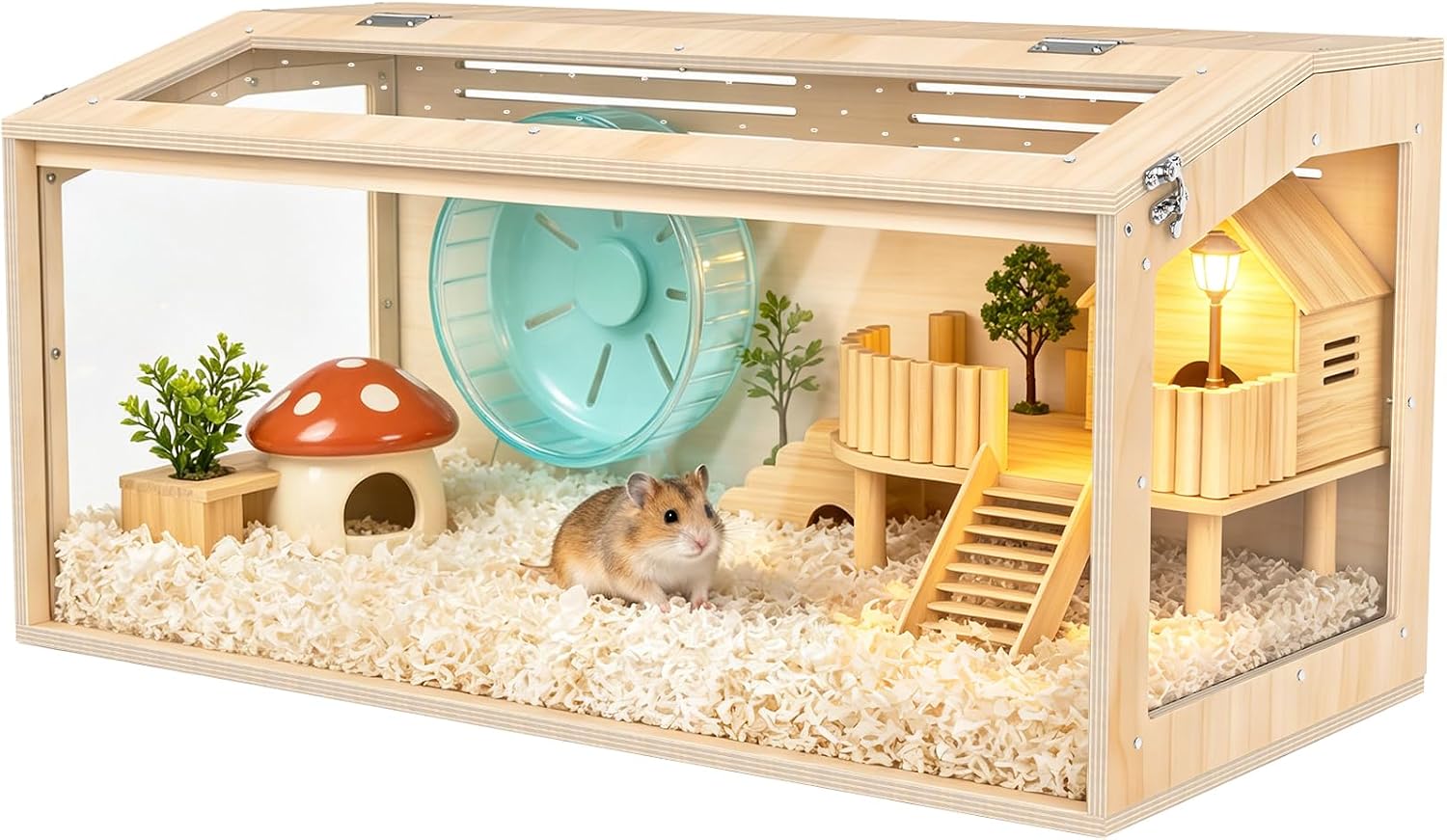
Sugar gliders are among the most unusual and demanding exotic pets kept in homes today. These small arboreal marsupials, native to Australia, Indonesia, and New Guinea, are intensely social, nocturnal, and active, and they depend on a habitat that reproduces something close to the vertical complexity of the forests they come from. A cage is not furniture for a glider — it is essentially their entire environment. Housing that is too small, too shallow, or built with the wrong bar spacing is one of the most commonly cited welfare problems in captive gliders, and the consequences show up as obesity, stress behaviors, and injury. Done well, a glider habitat supports a lifespan of 10 to 15 years of healthy, active behavior.
This guide is a reference resource, not a hands-on review. Every recommendation below is grounded in published husbandry guidance, manufacturer specifications, and consistent patterns in verified owner reports. For a deeper clinical background on sugar glider biology and captive care, the Merck Veterinary Manual's exotic and laboratory animals section is a solid starting point, and the Association of Exotic Mammal Veterinarians maintains a directory of vets who actually treat marsupials — something you should locate before you bring gliders home, not after the first emergency.
What a Sugar Glider Actually Needs From a Cage
Sugar gliders in the wild live in family groups inside tree hollows and glide considerable distances each night while foraging. Published husbandry guidance consistently translates that into three non-negotiable housing requirements: generous vertical space, narrow bar spacing, and safe enclosure materials. Height matters more than floor area because gliders climb, glide, and rarely spend time on the cage floor except to forage for dropped food. A tall, narrow enclosure is therefore more valuable than a wide, short one of equal volume.
Escape prevention is the second constant. Gliders are slim, flexible, and persistent, and they can pass through gaps that look far too small. Most dedicated small-animal cages specify bar spacing on the product listing, and 0.5 inches is the widely accepted maximum for adult gliders; tighter spacing, around 0.4 inches, adds margin for juveniles. Cages marketed for ferrets, chinchillas, or rabbits frequently have wider spacing and should be ruled out unless the manufacturer's published specifications confirm otherwise.
Materials are the third factor. Powder-coated steel is the standard recommendation because glider diets are fruit-heavy and acidic, and urine is corrosive to uncoated or cheaply plated wire. Galvanized wire is generally discouraged in glider husbandry literature because zinc exposure through chewing or licking is a documented toxicity risk in small exotic mammals. If you ever suspect your glider has chewed something toxic, the ASPCA Animal Poison Control center is a resource worth having saved before you need it.
Cage Sizing: Getting the Numbers Right
Published care guidelines for sugar gliders converge on a minimum footprint of roughly 36 by 24 inches with at least 36 inches of height for a bonded pair, with the consistent caveat that taller is always better. Volume estimates around 2,200 to 2,300 cubic inches are commonly cited as a floor, not a target. Because gliders are colony animals that should never be housed alone, plan your cage around the group you intend to keep: a pair at minimum, with three to four gliders needing proportionally more height and cross-branch room to glide.
Practical sizing also depends on where the cage sits. A tall single-unit enclosure with a 36-by-24-inch footprint fits against most walls, while stackable or add-on designs let you expand vertically if your colony grows. Deep base pans matter more than they first appear: gliders scatter food, and a pan of at least 3 to 4 inches holds bedding, reduces mess outside the cage, and contains urine. Full-width doors that swing open make weekly deep cleaning dramatically easier than a single small access door, a point that comes up repeatedly in long-term owner reports.
A Concrete Example Worth Comparing Against
Rather than a ranked list, this guide treats one widely available enclosure as a benchmark you can measure other options against. The cage linked below — a double-door, single-unit small-animal cage with 0.5-inch bar spacing, a powder-coated wire frame, deep leak-proof base pans, locking castors, and a stackable design — is a frequent choice among experienced glider keepers and is often referenced in breeder and owner-community husbandry discussions.
According to the manufacturer's published specifications, the single unit measures 36 by 24 by 39 inches, uses 0.5-inch bar spacing, includes two full-width doors and a mid-level shelf with ramp, and can be stacked with a second unit for larger colonies. Verified owner reviews repeatedly highlight the same strengths and weaknesses: easy access for cleaning and stable construction on the plus side, and a premium price, significant assembled weight, and moderately involved assembly on the minus side. As a rule of thumb repeated across glider communities, the single unit suits one to two gliders and a stacked or double configuration suits three to four.
You can check the current price on Amazon and compare its published specs against any alternative you are considering. Whatever enclosure you ultimately choose, the checklist that follows is what matters.
The Buying Checklist: Nine Things to Verify Before You Pay
- Bar spacing of 0.5 inches or less. Wider spacing risks escape, limbs caught between bars, or access by household cats. Check the manufacturer's spec sheet, not the product photo.
- Height of 36 inches or more for a pair. Vertical space supports climbing and gliding behavior; floor space is secondary.
- Powder-coated or stainless wire. Avoid galvanized (zinc) wire and plastic-coated wire that can be chewed off.
- Deep base pan, 3 to 4 inches minimum. Contains bedding and waste, reduces scatter.
- Wide-opening doors. Full-width doors make monthly deep cleans far easier than small access doors.
- No exposed sharp edges or spring-door gaps. Inspect hinge and latch areas, a common injury point reported by owners.
- Locking castors if you need to move the cage. Useful for cleaning behind the enclosure.
- Room to hang accessories. You need ceiling anchor points for pouches, wheels, and bridges.
- Stackable or expandable design. Helpful if your colony might grow.
Accessories: What Matters and Why
Exercise Wheels Are a Safety Issue, Not a Luxury
Because gliders cover large nightly distances in the wild, an exercise wheel is considered standard equipment, not an optional extra. The safety point that appears across essentially all glider husbandry guidance is the running surface: never use wire, mesh, or bar-spoked wheels. Toes and nails catch in gaps, and the resulting degloving injuries are veterinary emergencies. A solid-surface wheel with a sealed ball bearing — so it operates quietly while you sleep — is the accepted design. Diameter should be at least 12 inches so the glider's spine stays in a natural arc while running. Manufacturer listings for glider-specific wheels publish these two specs clearly; treat any wheel that does not state surface type and diameter as disqualified.
Sleeping Pouches Replace Tree Hollows
Wild gliders sleep in tree hollows in family groups, so a dark, enclosed, fabric sleeping spot is the correct substitute. Double-layer anti-pill fleece is the standard material recommendation: it is soft, machine washable, and, importantly, does not fray into loose threads the way woven fabrics can — loose threads can wrap around limbs. Owner reports consistently advise buying at least two pouches per cage so one is always available during wash cycles, and inspecting stitching weekly. Avoid pouches with zippers, buttons, or exposed elastic, all of which are chewing and entanglement hazards. Never substitute bird nesting boxes or hamster-style plastic houses; gliders want soft, enclosed, scent-retaining fabric.
Bonding Pouches for Daily Carrying
Daily handling is part of glider husbandry, and a wearable bonding pouch makes it practical. The design features that matter, based on manufacturer descriptions and owner consensus, are a drawstring or otherwise secure closure to prevent escapes while you walk around, a soft fleece interior, an adjustable strap, and a mesh viewing panel so you can check on the animal without opening it. In warm weather, ventilation is the main concern — owners commonly switch to mesh-panel pouches in summer because a glider in a closed fleece pouch can overheat. Canvas exteriors handle wear well but are not waterproof, which is worth knowing before a long outing.
Foraging and Climbing Enrichment
Gliders are intelligent and manipulative with their hands, and enrichment guidance for captive marsupials consistently recommends puzzle feeders and foraging toys that require the animal to work for treats. Rotating-compartment treat wheels are a common design; compartment sizes suit mealworms and small fruit pieces. Climbing enrichment matters just as much: natural untreated wood bridges, safe branches, and varied rope routes replicate the vertical navigation gliders are built for. When choosing wood accessories, confirm the wood species is untreated and pesticide-free, and replace any item once the cord degrades or the wood develops splinters or sharp edges — a recurring maintenance note in owner discussions.
Bedding and Substrate
For cage pans, paper-based bedding is the usual recommendation over wood shavings. Manufacturers of paper bedding publish two relevant specs: dust content (look for near-dust-free claims) and absorbency. Dust matters because small marsupials have sensitive respiratory systems, and scented or dyed products are generally discouraged for the same reason — plain, unbleached varieties are the conservative choice. Cedar and pine shavings are widely advised against for small exotic mammals because of aromatic compounds. An alternative used by many glider keepers is reusable fleece cage liners, which cut recurring cost but require a strict washing routine. Either way, plan on spot-cleaning daily, full bedding changes weekly, and a full scrub of the enclosure monthly with a mild vinegar-and-water solution rather than bleach or harsh chemicals.
Diet: The Part That Is Not an Accessory
No cage setup compensates for a poor diet, and diet is the single most common failure point reported in captive glider care. Metabolic bone disease, caused by an imbalanced calcium-to-phosphorus ratio, is repeatedly identified in veterinary literature as the leading nutritional disorder in captive gliders. Widely followed husbandry practice uses a fortified pellet base supplemented with fresh low-oxalate fruits, vegetables, and insect protein such as mealworms or crickets. Manufacturer feeding guides for glider pellets typically suggest roughly a 75 percent pellet to 25 percent fresh-food split, with young gliders needing extra protein. Because diet details vary with age and health, this is an area where a consultation with an exotic-animal veterinarian genuinely pays for itself; the general care principles in the ASPCA pet care library are a useful general reference, though glider-specific diet plans should come from a marsupial-experienced vet.
Setting Up the Habitat: Placement and Assembly Notes
Placement is an underrated part of habitat quality. Gliders are nocturnal, so the cage belongs in a room that is quiet and dark during the day but can stay moderately active in the evening, since total isolation works against bonding. Keep the enclosure away from direct sunlight, drafts, kitchen fumes, and heating or cooling vents; temperature stability matters more than warmth. Assembly of larger double-door cages typically requires tools and two people, according to owner reviews, and the assembled weight of a large single unit can exceed 45 pounds — another reason lockable castors are worth having. Inside the cage, hang the sleeping pouch high, position the wheel with clearance on all sides so tails cannot strike adjacent objects, and stagger branches and bridges to create glide paths rather than cluttered vertical dead ends.
Common Mistakes New Glider Owners Make
The same short list of errors dominates owner-forum post-mortems and rescue intake reports. First, buying a cage based on floor area rather than height, which leaves gliders with an environment they cannot use naturally. Second, trusting bar spacing by eye rather than checking the manufacturer's stated measurement. Third, using wire or mesh wheels because they came bundled with the cage — bundled accessories are frequently generic and unsuitable, and owners routinely replace the stock water bottles, bowls, and perches with glider-appropriate versions. Fourth, providing only one sleeping pouch, which fails the moment it is in the wash. Fifth, underestimating the social requirement: a single glider housed alone is widely considered unacceptable husbandry regardless of how much human attention it receives. Sixth, neglecting the calcium-to-phosphorus balance until symptoms appear, at which point veterinary intervention is urgent.
Cost Reality and Maintenance Schedule
A proper setup is a real investment: the enclosure itself is typically the largest single expense, followed by the wheel, and then recurring costs for bedding, diet, and replacement pouches as fleece wears out. Budget honestly for the recurring side — paper bedding in a large pan, replaced weekly, is a steady expense, and fleece liners and pouches need replacing every year or two under normal chewing pressure. The maintenance rhythm recommended across husbandry guides is simple and consistent: daily spot-cleaning of soiled bedding and food bowls, weekly full bedding changes and pouch rotation, and a monthly deep clean of bars, pans, and toys with diluted vinegar solution, drying everything fully before returning the gliders.
If you want to compare the benchmark double-door cage described above against your shortlist, you can view this option on Amazon and check its stated dimensions and bar spacing directly.
Frequently Asked Questions
What size cage does a pair of sugar gliders need?
The commonly cited minimum is 36 by 24 by 36 inches for a pair, with height prioritized over footprint. Gliders need room to climb and glide between perches; undersized enclosures are associated with obesity, stress, and aggression in owner and veterinary reports. Larger is always better within your space.
Can sugar gliders live in a bird cage?
Yes, provided the bar spacing is 0.5 inches or less and the coating is safe. Many popular glider cages are converted bird cages. You must replace bird accessories, though — bird perches are usually too thick for glider feet, and bird nesting boxes do not provide the enclosed fleece sleeping environment gliders need.
Do sugar gliders need a companion?
Yes. Gliders are colony animals, and solitary housing is consistently described in husbandry guidance as a route to depression, appetite loss, and self-mutilation behaviors such as overgrooming. A bonded pair is the ethical minimum; colonies of three to six are common.
How often should I clean the cage?
Spot-clean daily, change bedding weekly, and deep-clean monthly with a diluted vinegar solution. Avoid bleach and strongly scented cleaners around gliders' sensitive respiratory systems.
How long do sugar gliders live in captivity?
Ten to fifteen years with proper care, which makes them a serious long-term commitment. Diet quality, access to an exotic-savvy vet, appropriate housing, and daily social interaction are the main factors, with metabolic bone disease the most common cause of premature death.
Do sugar gliders smell?
Gliders have a mild musky scent; the main odor sources are urine and droppings. Intact males mark more noticeably. Regular cleaning, proper diet, and neutering reduce odor, and over-bathing should be avoided since it strips natural oils.
Final Thoughts
Sugar gliders are not beginner pets, and the habitat you build is the single biggest determinant of whether they thrive. Prioritize height, verified bar spacing, safe materials, a solid-surface wheel, washable fleece sleeping spots, and a diet plan developed with an exotic veterinarian. Treat any single product — including the example cage you can view on Amazon here — as one data point to check against those criteria rather than a shortcut around them. The upfront investment in a correct setup is substantial, but it is repaid over a decade or more of healthy, active, social glider behavior.
Affiliate Disclosure: PawCritic is a participant in the Amazon Services LLC Associates Program, an affiliate advertising program designed to provide a means for us to earn advertising fees by linking to Amazon.com and affiliated sites. Purchases made through our links help support our independent research at no extra cost to you. Thank you for your support.
Last updated: June 30, 2026. Prices and availability are subject to change. Always verify current pricing and specifications on Amazon before purchasing.