Why Tortoises Need Large Enclosures
Tortoises are among the longest-lived animals kept as pets, with many species surviving 50 to 100 years or more in capable hands. That lifespan comes with a housing commitment that surprises most first-time keepers. Wild tortoises roam across large territories, walking considerable distances each day while foraging, basking, and seeking shelter. An enclosure that looks generous to a human eye can still be cramped for an animal built to move. Housing that is too small is repeatedly linked in veterinary literature to stress, obesity, muscle weakness, and shell deformities such as pyramiding, which develops when growth outpaces proper conditions. Whether you keep a small Russian tortoise or are raising a Sulcata that will eventually top one hundred pounds, the enclosure is the single most important purchase you will make for the animal's long-term health.
Veterinary guidance is clear on minimum sizing. The Association of Reptilian and Amphibian Veterinarians publishes husbandry resources indicating that tortoise enclosures should provide adequate floor space, at minimum roughly four times the tortoise's carapace length in each direction, to allow natural exploration, foraging, and exercise behavior. Manufacturer guidance from lighting companies such as Zoo Med, citing published photobiology research, indicates that most desert-dwelling reptiles require UVB lighting delivering a UV Index of roughly 10-12 in the basking zone, while tropical species do well at UV Index levels of 3-4, to support vitamin D3 synthesis and healthy calcium metabolism. General husbandry principles for reptiles and other exotic species are also covered in the Merck Veterinary Manual's exotic animals section, which is a useful reference for preventive-care context.
Key Tortoise Enclosure Requirements
- Floor space over height: Tortoises walk rather than climb, so usable ground area matters far more than vertical space. Plan on a minimum of about 8 square feet for small species, with substantially more for larger ones.
- Solid, opaque walls: Glass confuses tortoises, which do not understand transparent barriers and will pace along them trying to walk through. Opaque sides measurably reduce this stress behavior.
- Proper substrate depth: Burrowing species such as Russian and Hermann's tortoises need roughly 4-6 inches of diggable substrate to express normal behavior.
- Temperature gradient: The enclosure must offer a warm basking zone around 95 degrees F and a cool retreat near 70 degrees F so the tortoise can thermoregulate by moving.
- UVB access: Tortoises need UVB radiation for calcium metabolism; without it, metabolic bone disease and shell deformities develop over months to years.
Types of Tortoise Enclosures
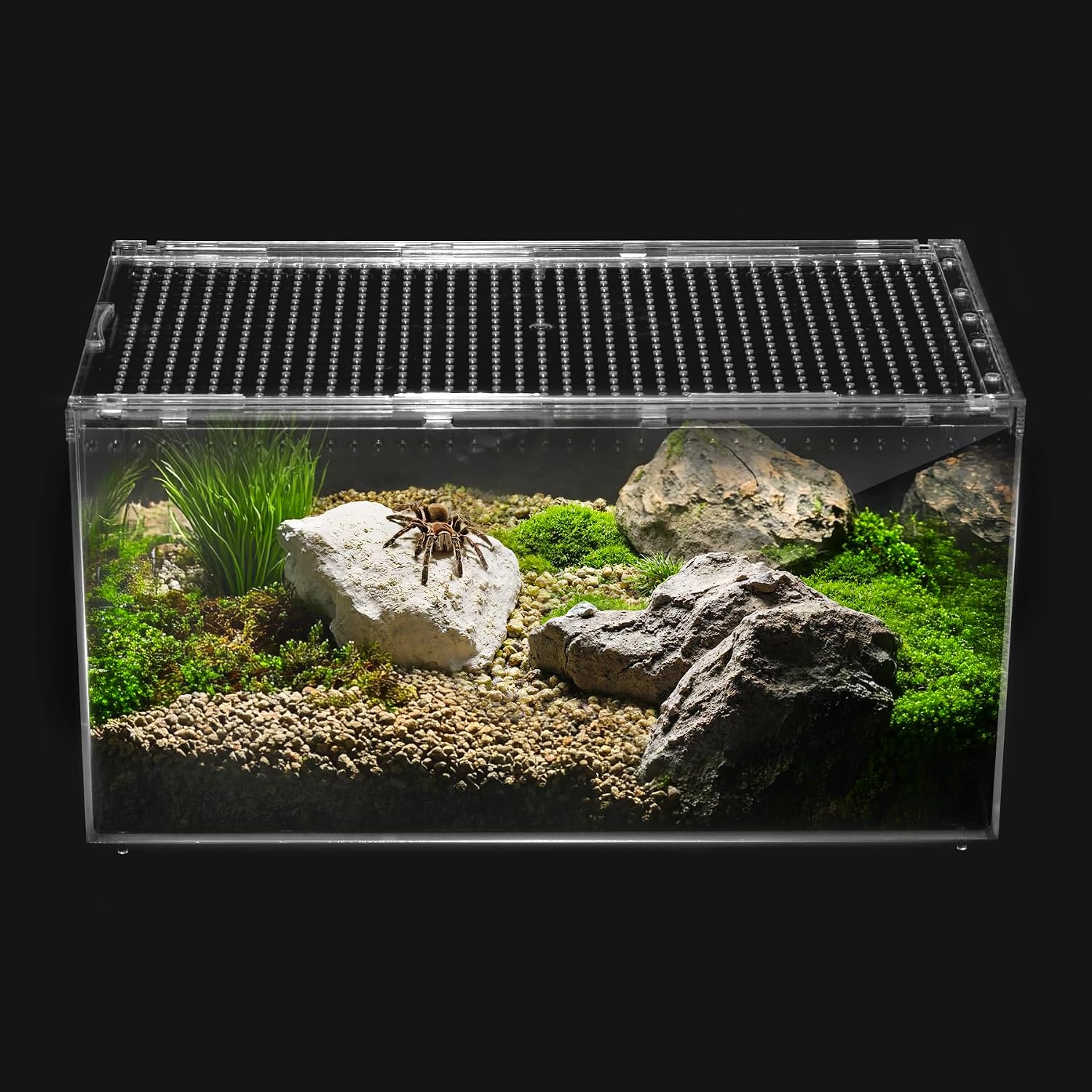
tortoise enclosures
Indoor Tortoise Tables
Open-top wooden tables are the most widely recommended indoor format for Mediterranean species. Because the walls are solid and opaque, the tortoise perceives a clear boundary instead of an invisible barrier, which reduces pacing and stress. The open top allows heat lamps and UVB fixtures to be mounted above the enclosure without mesh interference, preserving light output. Ventilation is excellent compared with glass tanks, and the keeper can reach in from above for cleaning, feeding, and health checks. The main limitation is humidity: open tops vent moisture quickly, so these tables suit dry-climate species rather than tropical ones.
PVC Cages
PVC-panel enclosures are the better choice for tropical species such as Red-Footed tortoises, which typically need ambient humidity in the 70-80 percent range. PVC does not absorb moisture, so it will not rot, swell, or develop mold the way unfinished wood can under constant damp conditions. These enclosures also clean and disinfect easily, an advantage for quarantine setups or messy species. The trade-offs are cost, which generally runs higher than comparable wooden tables, and limited interior height on some models, which constrains deep substrate for burrowers.
Stock Tanks
Rubber or polyethylene livestock stock tanks, commonly sold in 50 to 300 gallon capacities at farm supply stores, make serviceable enclosures for juveniles of large species. They are inexpensive relative to their footprint, have smooth escape-proof walls, and tolerate high humidity without degradation. Verified owner reports describe them lasting many years even outdoors. The downsides are aesthetic: they look industrial in a living room, they include no mounting points for lighting, and drainage usually requires drilling, which is a do-it-yourself modification that may affect any warranty.
Outdoor Pens
In warm climates, a secure outdoor pen with natural sunlight outperforms any indoor setup. Unfiltered sunlight provides UVB at an intensity and spectrum no lamp fully replicates, and outdoor pens can offer far more square footage than indoor furniture allows. Even primarily indoor tortoises benefit from supervised outdoor time on mild days. Outdoor keeping demands real vigilance, though: pens must be raccoon-, dog-, and bird-proof, the perimeter must extend below grade because tortoises dig, and shade, shelter, and a heated night box are mandatory where nights turn cool.
Example Enclosures Worth Comparing
Rather than a ranked list, what follows is a focused look at the two enclosure styles represented by products we link to below, plus the main alternatives keepers typically weigh. Treat the linked listings as concrete examples of the category rather than endorsements above all others.
Compact Wooden Tortoise Table (36-inch class)
This is the classic starter format, exemplified by well-known designs such as the Zoo Med Tortoise House and similar wooden habitats from brands like PawHut and Aivituvin. A 36-inch by 24-inch footprint with solid wooden walls and an open top suits small Mediterranean species, including Russian, Hermann's, and Greek tortoises up to roughly 6 inches in shell length. Many units ship with one or two hide boxes included, and the open top accepts clamp-mount heat and UVB lamps directly. As a specific example of this category, you can check the current price on Amazon to compare dimensions and included accessories against the guidance below. The honest limitation is size: this format is genuinely too small for tortoises beyond about 6 inches, the wood absorbs moisture over time, and the open top makes sustained high humidity impractical. For a hatchling Russian or Hermann's, however, it is a well-matched first enclosure, and larger two-tier wooden designs from the same category extend usable space for juveniles of bigger species, though some tortoises ignore the ramp entirely and the ramp consumes floor space.
PVC Enclosure for Tropical Species
For Red-Footed, Yellow-Footed, and other humidity-dependent tortoises, a PVC-panel enclosure addresses the core weakness of wooden tables. Manufacturer specifications for enclosures such as the Zen Habitats 4x2x2 describe sealed panels that hold ambient moisture without warping, along with front-opening sliding doors for access. The 4-foot by 2-foot footprint works for juveniles and smaller adults. Documented trade-offs from owner reviews include limited substrate depth, around 12 inches of interior height on standard models, and sliding doors that large, strong tortoises can push against. This class is not suitable for species exceeding about 10 inches. To see how one example of this format is configured and priced, view this option on Amazon.
Building Your Own Tortoise Table
A custom wooden tortoise table is a straightforward weekend project for anyone comfortable with a circular saw and a drill. With three-quarter-inch plywood for the sides and base, 2x4 lumber for reinforcement, a pond liner or non-toxic waterproof sealant, screws, and L-brackets, you can build an enclosure sized precisely for your species at a fraction of commercial cost. The advantage is total control over dimensions, wall height, and substrate depth. The risks are equally real: commercial sealants vary in safety, and only materials labeled non-toxic once cured should contact the animal or its water. A useful detailed walkthrough of the same build principles can be found in many keeper communities, and the parts list for a comparable commercial table is visible when you check the current price on Amazon for a manufactured equivalent before committing to the DIY route.
Stock Tanks as a Bridge for Growing Giants
When a Sulcata or Leopard tortoise outgrows its juvenile table but is not yet ready for permanent outdoor life, a 100-150 gallon stock tank is the commonly recommended intermediate step. These tanks cost roughly $80-150 at farm supply stores, withstand humidity, and clean quickly. Owners report decades of service life from them. You will need to build or buy a frame for lighting, and drainage requires drilling. For Red-Footed tortoises, the same tanks hold humidity well when partially covered. If you want to compare the commercial small-species alternative during the hatchling stage before the stock-tank years, you can check the current price on Amazon on the compact wooden table referenced above.
Outdoor Pens for Warm Weather
Wood-and-wire outdoor pens from brands like Aivituvin and PawHut combine a covered shelter area with open basking ground. The benefits are irreplaceable natural UVB, generous space, and enrichment from real terrain, plants, and weather. The responsibilities are equally serious: enclosure walls should extend at least 6-12 inches below ground to defeat digging, the roof must exclude climbing predators, and the shelter must stay dry and warm. Outdoor pens are seasonal in most climates, so plan for an indoor setup or heated shed during cold months rather than treating the pen as a year-round solution.
Species-Specific Size Guide
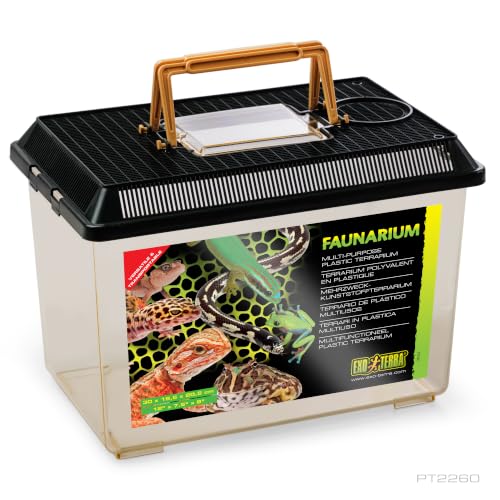
tortoise enclosures
| Species | Adult Size | Juvenile Enclosure | Adult Enclosure |
|---|---|---|---|
| Russian Tortoise | 6-10 inches | 36x24 inch table | 5x3 ft table or 4x8 ft outdoor |
| Hermann's Tortoise | 5-8 inches | 36x24 inch table | 4x2 ft table or 4x6 ft outdoor |
| Greek Tortoise | 6-10 inches | 36x24 inch table | 5x3 ft table or 4x8 ft outdoor |
| Red-Footed Tortoise | 12-16 inches | 40 gal tank or 4x2 ft PVC | 6x4 ft indoor or large outdoor pen |
| Sulcata Tortoise | 24-36 inches, 100+ lbs | 3x2 ft table, first year | Full outdoor heated shed by age 3 |
| Leopard Tortoise | 12-18 inches | 4x2 ft enclosure | 5x4 ft indoor or large outdoor pen |
Read this table as a floor, not a ceiling. The size ranges reflect typical adult dimensions reported in husbandry literature, and individual animals vary. Sulcatas in particular grow quickly; most outgrow indoor enclosures by age three and weigh 15-30 pounds at that point, so anyone committing to the species should plan the outdoor heated shelter from the beginning rather than improvising later.
Enclosure Setup Checklist
- Substrate: 4-6 inches of coconut coir or a coir-topsoil mix for burrowing species; avoid cedar and pine products, which release harmful compounds.
- Basking lamp: a 75-100W flood bulb positioned roughly 12-14 inches above the shell, targeting a basking surface of 95-100 degrees F per manufacturer mounting charts.
- UVB tube: a T5 HO 10.0 or 12 percent UVB fixture spanning about two-thirds of the enclosure, replaced on the manufacturer's stated schedule, typically every 12 months, since output decays before the lamp visibly dims.
- Thermostatic control: a ceramic heat emitter on a thermostat for nighttime heat without light.
- Two thermometers: one at the basking site and one at the cool end, because gradient verification matters more than lamp wattage labels.
- Water dish: shallow, large enough for the tortoise to soak in, and cleaned daily to prevent bacterial growth.
- Two hides: one in the warm zone and one in the cool zone so security does not force a choice between safety and temperature.
- Calcium access: a cuttlebone or dish of calcium carbonate available at all times.
Common Mistakes to Avoid
The most frequent error is buying for the hatchling rather than the adult. A enclosure that fits a two-inch Russian hatchling comfortably will need replacing within a couple of years; buying one adult-sized enclosure from the start saves money and stress. The second is ignoring UVB replacement schedules: a lamp that still glows may emit almost no UVB after a year, and the resulting calcium-metabolism problems are silent until shell deformities appear. Third, keepers routinely underestimate humidity needs by species, keeping a Red-Footed in a dry open table or a Russian in a swampy sealed chamber; both mismatch the animal's native climate. Fourth, loose substrate options like sand or gravel cause impaction if swallowed and should be avoided. Finally, toxic plants within reach of outdoor pens are an underappreciated hazard; the ASPCA Animal Poison Control resource is worth consulting for toxic-plant lists before planting an outdoor habitat.
Frequently Asked Questions
Can I use a glass tank for my tortoise?
Short-term, yes; long-term, no. Tortoises do not recognize glass and will repeatedly attempt to walk through it, and glass tanks provide less ventilation than open tables. Paper taped along the lower glass can reduce the behavior, but a tortoise table or PVC enclosure is the better permanent answer.
How long before my Sulcata needs an outdoor enclosure?
Plan on roughly three years. Sulcatas grow fast, and most outgrow indoor enclosures by that age while weighing 15-30 pounds. An outdoor space with a heated night box should be part of the initial plan, not a later surprise.
Do I need a lid?
If the walls are at least twice the tortoise's height, generally not, provided there are no cats, dogs, or small children in the home. Where a lid is needed, a hinged wire mesh design allows heat and UVB to pass, though mesh does attenuate some UVB output, so fixture placement should account for that.
The Bottom Line
For most small species like Russians and Hermann's, a compact wooden tortoise table of the kind linked above is a well-matched starter enclosure. Tropical species such as Red-Foots do better in a PVC enclosure that holds humidity. Growing giants need a staged plan ending in a heated outdoor shelter. Whatever format you choose, size the enclosure to the adult animal, verify the temperature gradient with thermometers at both ends, and replace UVB lamps on schedule. Tortoises roam long distances in the wild; their captive habitat should be as large as you can reasonably provide, and supervised outdoor time in real sunlight remains one of the best things you can offer them.
Affiliate Disclosure: PawCritic.com participates in the Amazon Services LLC Associates Program. We may earn commissions from qualifying purchases at no extra cost to you.