Your Cat Is Itching and You Are Losing Sleep
A cat can scratch its neck raw in under a week. Not a little dandruff flick — open sores. Owners often cycle through three shampoos, a grain-free kibble, and a coconut oil rub from a Facebook group, and none of it touches the problem, because nobody has identified what is actually setting off the immune system.
Cat allergies are not one disease. They are at least four different problems wearing the same itchy coat. Flea allergy dermatitis, food allergy, atopic dermatitis (environmental), and contact reactions all look similar on the surface. They need different answers. According to the ASPCA, skin conditions are among the top reasons cats see a veterinarian, and allergic skin disease sits at the center of that list.
Here is the part most owners miss: cats do not always itch the way dogs do. A dog with allergies chews its paws and rubs its face. A cat with allergies may over-groom until the belly is bald, pull out tufts along the flanks, or develop crusty scabs around the neck and ears. Some cats sneeze and wheeze instead. If you are watching your cat lick the same spot for 20 minutes every evening, that is not normal grooming. That is a cat trying to scratch an itch it cannot reach.
This guide walks through the real causes, the diagnostics that actually narrow things down, and the step-by-step relief plan that tends to work in foster homes and clinic settings. No product roundups. No magic supplements. Just what to do, in what order, and when to stop guessing and call your vet.
Step 1: Rule Out Fleas Before You Do Anything Else
Flea allergy dermatitis (FAD) is the most common allergy in cats. It is also the most misdiagnosed because cats are fastidious groomers. You may never see a flea. You may never see flea dirt. But one flea bite can trigger a reaction that lasts two weeks in a sensitized cat.
The allergy is not to the bite itself. It is to a protein in flea saliva. A single feeding flea injects enough antigen to set off intense itching at the base of the tail, the lower back, and the hind legs. Cats with FAD may look like they have a hot spot the size of a quarter and owners swear there were no fleas in the house. Then we combed the cat for five minutes and found one live flea and a scattering of pepper-like specks.
Here is the step-by-step:
- Comb the cat over a white paper towel. Use a fine-toothed flea comb. Any black specks that turn reddish-brown when wet are flea dirt (digested blood). That is proof of fleas even if you see no live insects.
- Treat every pet in the house. Fleas do not limit themselves to the itchy cat. If you have two cats and a dog, everyone gets treated on the same schedule. According to the AVMA, year-round flea prevention is recommended in most climates because indoor fleas can complete their life cycle inside a heated home.
- Use a cat-safe product. Never use dog flea products on cats. Permethrin, a common dog flea ingredient, is highly toxic to cats and can cause tremors, seizures, and death. Read the label every time. If it says 'for dogs only,' it does not go on your cat.
- Vacuum like you mean it. Flea eggs and larvae live in carpet, cracks, and bedding. Vacuum every other day for three weeks and wash all pet bedding in hot water. Empty the vacuum canister outside.
If the itching calms down within two to four weeks of consistent flea control, you found your culprit. If not, move to step two.
Step 2: Consider Food Allergy (Yes, It Is Rarer Than You Think)
Food allergy gets blamed for everything. In reality, true food allergy affects somewhere between 1 and 5 percent of cats with skin disease. It is not common. It is also not caused by grains in most cases. The proteins most likely to trigger reactions in cats are beef, chicken, fish, and dairy. Those are the same proteins in almost every commercial cat food on the shelf.
Food allergy usually shows up as itching around the head and neck, sometimes with vomiting or diarrhea. It can start at any age, even in a cat that has eaten the same food for eight years. That surprises people. The immune system can decide to react to a protein it has seen a thousand times.
The only reliable way to diagnose food allergy is an elimination diet trial. Not a 'limited ingredient' bag of food from the pet store. Those are not strict enough. You need a prescription hydrolyzed protein diet or a novel protein diet your vet chooses, fed exclusively for 8 to 12 weeks. No treats. No table scraps. No flavored medications. No toothpaste. One bite of the wrong thing resets the clock.
Owners swear they followed the diet, then admit they let the cat lick the gravy off a plate. That is enough to keep the itching going. If you cannot commit to 100 percent compliance for two to three months, save your money and skip the trial.
If the itching stops during the trial, you challenge with the old food. If it returns, you have your answer. Then you work with your vet to find a long-term diet that keeps the cat comfortable.
Step 3: Environmental Allergies (Atopic Dermatitis)
This is the tricky one. Atopic dermatitis is an allergic reaction to things in the environment: dust mites, pollen, mold spores, grass, weed, and sometimes human dander. It is basically hay fever for cats, except instead of sneezing they itch.
Symptoms often follow a pattern. Seasonal itching that flares in spring or fall points toward pollen. Year-round itching that gets worse in winter when the heat runs points toward dust mites or dry air. Cats with atopic dermatitis often have itchy ears, chin acne, and bald patches on the belly and inner thighs.
You cannot eliminate the environment. You can reduce the load. Here is what published veterinary guidance generally supports for owners dealing with suspected environmental allergies:
- Wash bedding weekly in hot water. Dust mites die at 130 degrees Fahrenheit. Cold water does not cut it.
- Use HEPA air purifiers in the rooms your cat spends the most time in. One in the bedroom makes a measurable difference for cats who sleep on the bed.
- Wipe the cat down with a damp microfiber cloth daily. This removes pollen and dust from the coat before the cat grooms it off and swallows it. It sounds fussy. It works.
- Keep windows closed during high-pollen days. Check your local pollen count. If it is high, run the air conditioning instead.
- Avoid scented litter, air fresheners, and fabric softener. These are irritants, not allergens, but they make inflamed skin worse.
If environmental management is not enough, your vet may recommend medications. Corticosteroids like prednisolone reduce inflammation fast but come with long-term risks including diabetes and weight gain. Cyclosporine is a non-steroidal immunosuppressant that works well for many cats. Apoquel is not approved for cats in the US. Atopica is the brand name for cyclosporine and is commonly used. Your vet will decide what is appropriate based on your cat's age, health, and severity.
Allergy testing (blood or intradermal) can identify specific triggers, and immunotherapy shots or sublingual drops can desensitize the immune system over months to years. It is not a quick fix. It is the closest thing to a cure for atopic cats.
Step 4: Contact and Irritant Reactions
Not every red, itchy patch is an allergy. Contact dermatitis happens when skin touches something irritating. Common culprits include carpet cleaners, floor disinfectants, laundry detergent residue on bedding, some cat litters, plastic food bowls, and flea collars. The reaction is usually confined to areas that touch the offending substance: the chin, the paws, the belly, the back of the legs.
If your cat has a bald, red chin and eats from a plastic bowl, switch to stainless steel or ceramic. If the paws are irritated, check what you are cleaning the floors with. Rinse thoroughly. If the itching started after you changed laundry detergent, switch back.
This is the cheapest and fastest category to fix. Rule it out early.
What About Steroids, Antihistamines, and Supplements?
Owners ask me about Benadryl for cats constantly. Here is the truth: antihistamines rarely work well for cat allergies. Cats do not respond to antihistamines the way humans do. A vet may try one, but do not expect miracles. Never give human antihistamines without a vet's dosing instructions. Some contain decongestants or other ingredients that are toxic to cats.
Omega-3 fatty acids can help reduce inflammation in the skin. High-EPA fish oil can bring modest improvement, but you need a cat-safe product and the right dose. According to the American Association of Feline Practitioners, nutritional supplements should be discussed with your veterinarian because dosing and purity vary widely.
Corticosteroids are the big gun. They work fast. They are also not a long-term solution for most cats. If your vet prescribes prednisolone, use the lowest effective dose for the shortest time, and ask about alternatives if you are looking at months of treatment.
There is one product worth keeping on hand for cats with skin issues. It is not a cure, but it supports the skin barrier while it heals.
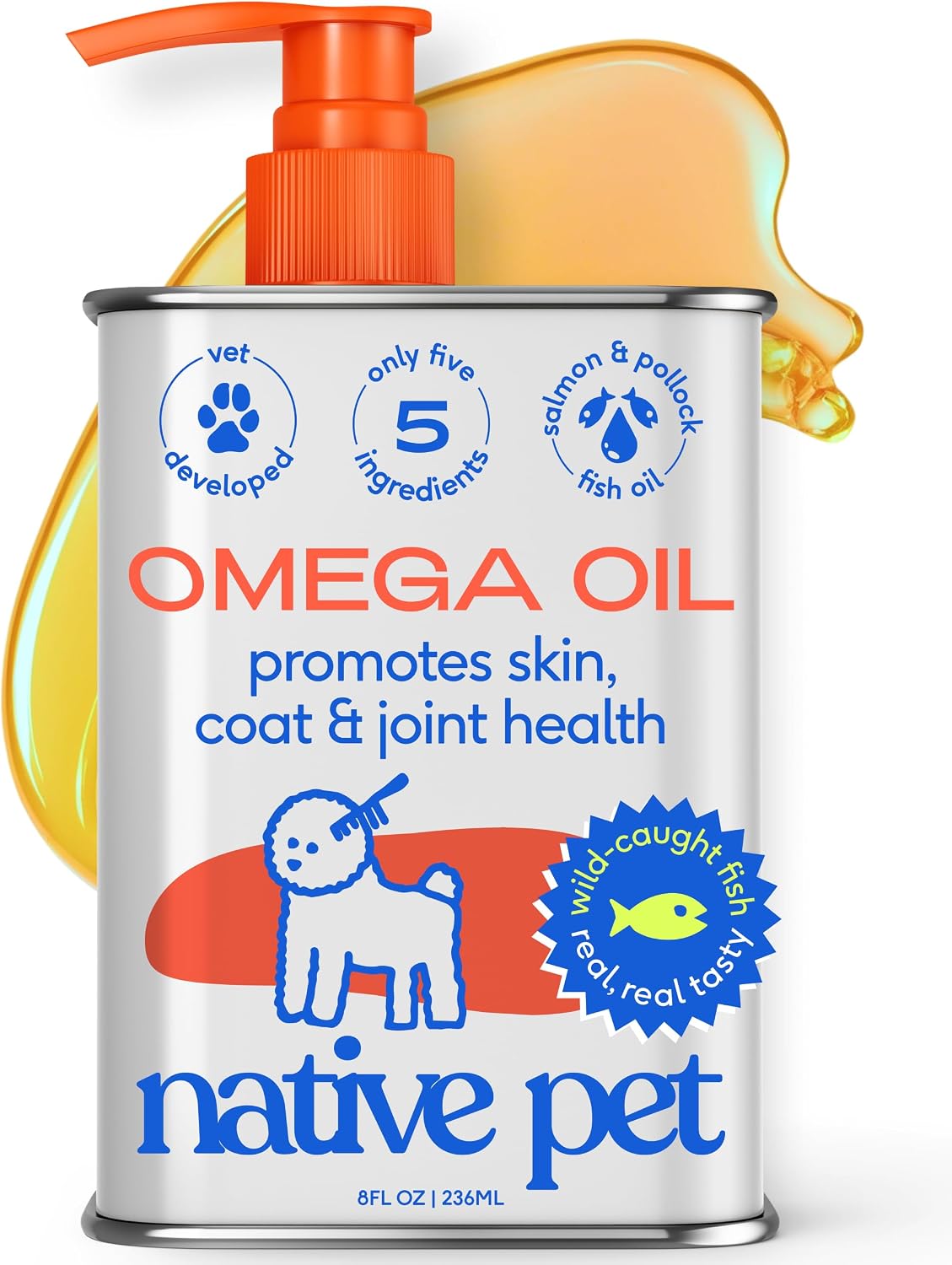
An omega-3 fish oil supplement for cats is a reasonable pick when the coat looks dull or the skin is flaky. It does not treat the allergy. It supports the skin the allergy is damaging. That distinction matters.
If the skin is broken, oozing, or smells bad, you need a vet. Topical sprays will not fix a deep infection. Your cat may need oral antibiotics or a medicated bath with chlorhexidine.
When to Stop Guessing and See Your Vet
You should call your vet if any of these are true:
- The cat is scratching to the point of bleeding or hair loss.
- You see scabs, crusts, or thickened skin.
- The cat is losing weight, vomiting, or having diarrhea along with the itching.
- Over-the-counter flea products and a clean environment have not helped in four weeks.
- The cat seems painful when touched.
- There is any swelling, discharge, or foul odor.
Your vet will likely do skin scrapings to rule out mites (demodex, sarcoptes, notoedres), a fungal culture for ringworm, and possibly a skin cytology to check for bacterial or yeast infections. These are cheap, fast tests that catch things allergies can mimic. Cats treated for allergies for months may actually have sarcoptic mange or a resistant staph infection. Do not skip the diagnostics.
If your vet suspects allergies, they may recommend a referral to a veterinary dermatologist. That sounds expensive. It often saves money in the long run because you stop buying random foods and supplements that do not work.
The Realistic Timeline
Allergy diagnosis is not a same-day answer. It is a process of elimination. Expect this schedule:
- Week 0: Vet visit. Skin scrapings, flea check, infection check.
- Weeks 1-4: Strict flea control and environmental cleanup. See if itching improves.
- Weeks 1-12: If no improvement, start an elimination diet trial. Eight to twelve weeks of strict compliance.
- Months 3-6: If diet does not help, consider allergy testing and immunotherapy. Medications may be needed in the meantime.
I know that feels slow. It is still faster than cycling through random diets and shampoos for two years while your cat suffers.
What to Do If It Were Your Cat
First, I would do a flea comb check and start a vet-recommended flea preventative for every pet in the house. No exceptions. Then I would switch to stainless steel bowls, wash all bedding in hot water, and add a HEPA filter to the bedroom. If the itching persisted after four weeks, I would book a vet visit for skin scrapings and cytology. If those came back clean, I would start an 8-week elimination diet with a prescription food. No treats, no cheating.
If the diet trial failed, I would ask for a dermatology referral. I would not spend six months trying coconut oil, apple cider vinegar, or colloidal silver. Those are not treatments for immune-mediated allergies. They are ways to delay real relief.
One more thing. If your cat is miserable right now, ask your vet about short-term steroids to break the itch-scratch cycle. It buys you time to figure out the cause without your cat mutilating its own skin. That is not a failure. It is humane.
Allergies are manageable. They are rarely cured. The goal is a comfortable cat who does not spend its day chewing its own fur off. Get the diagnosis right, and the rest gets a lot easier.
Related Reading
Want more on this topic? Check out our guides on best cat litter mats tracking control, best cat litter deodorizers odor control, best cat heating pads warming beds.